Six things that grow in Saint Lucia, cut and dried where they grow.
Every one of them is routinely sold as something else. The cinnamon on most shelves is cassia. The bay leaf in most kitchens is a Mediterranean laurel, not the Caribbean myrtle that a Creole recipe means. Cassia alata shares a name with cassia cinnamon and is not related to it at all — different family, different part of the plant, nothing in common but the word.
So this page is built to identify things. Each specimen below gives you the botanical name, the family, the part you actually receive, and the thing it gets mistaken for — then what to do with it.
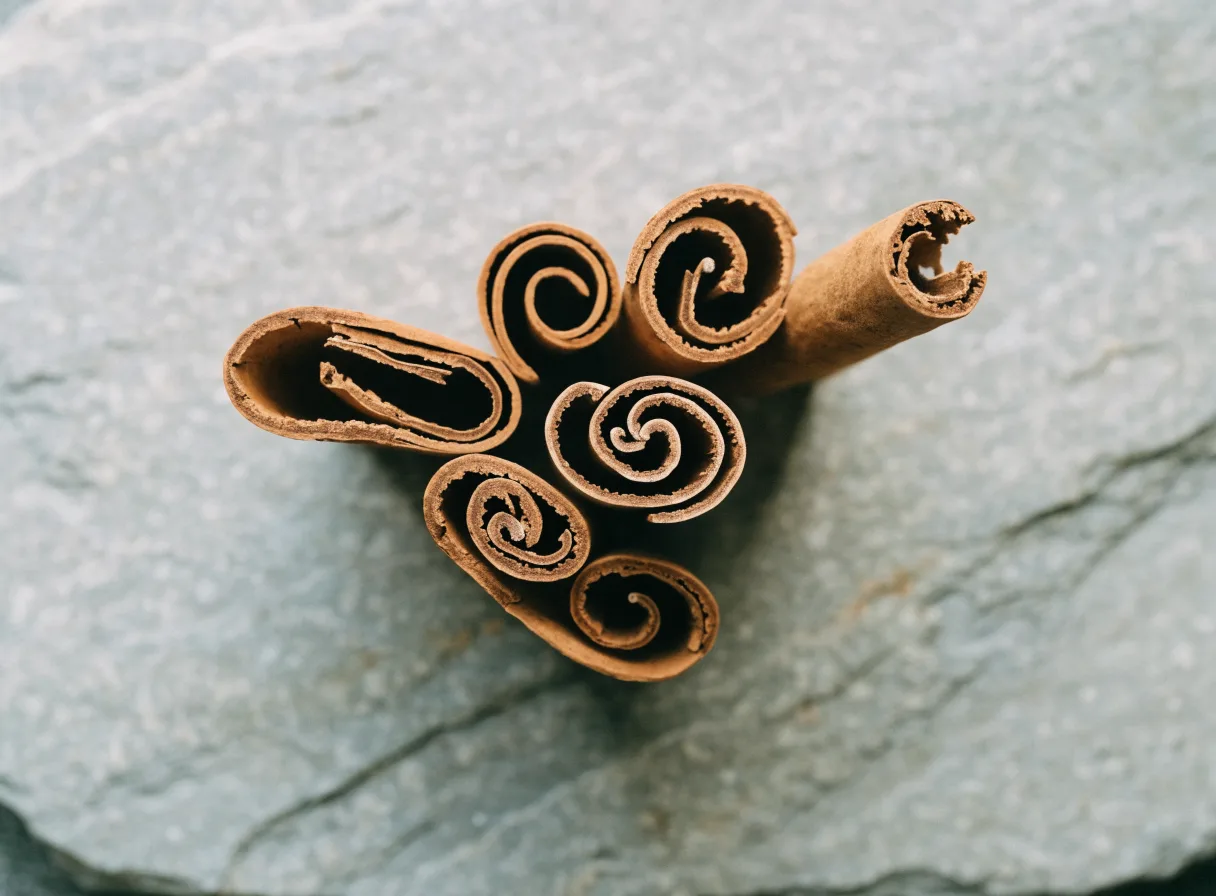
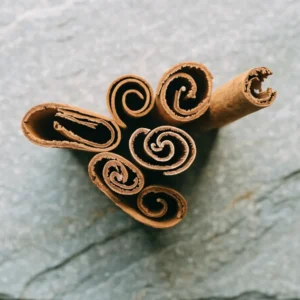
Cassia is the hard single-curl bark sold as “cinnamon” almost everywhere. Ceylon rolls into a brittle quill of many fine papery layers and carries a fraction of the coumarin — roughly 0.004% against about 1%. If a quill is one thick tube that will not crumble in your fingers, it is cassia.
Grate it into cocoa tea, porridge and stewed fruit. Floral and mild rather than hot.
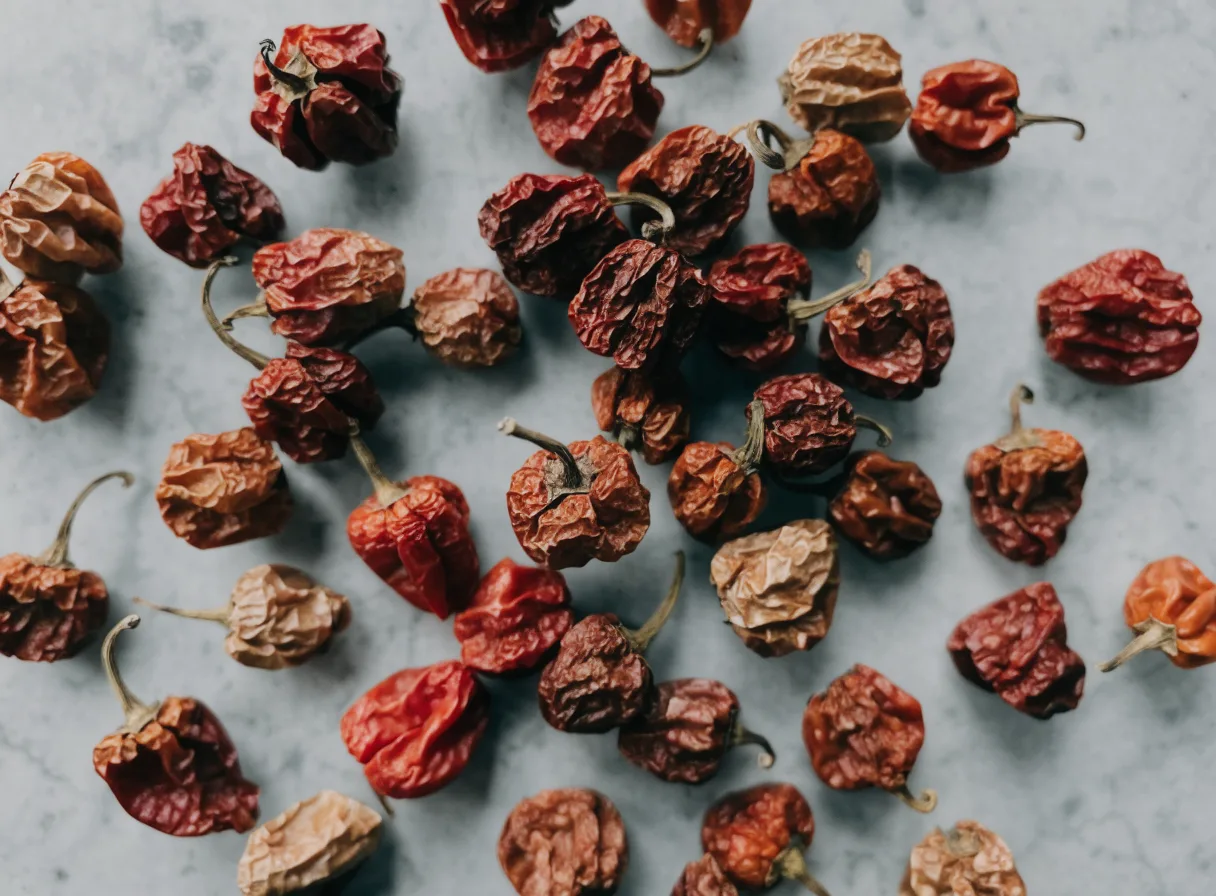
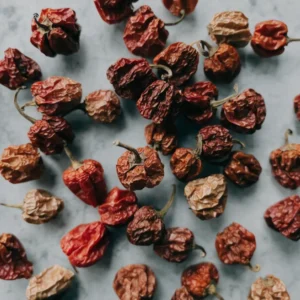
Same species, different cultivar. The bonnet is squat and crumpled where the habanero is a smooth lantern. Heat sits in the same band — roughly 100,000 to 350,000 Scoville — but the bonnet carries more fruit behind it, which is the whole reason Caribbean cooking reaches for it.
One pod in a pot of peas or a stew. Left whole it perfumes; split, it burns.
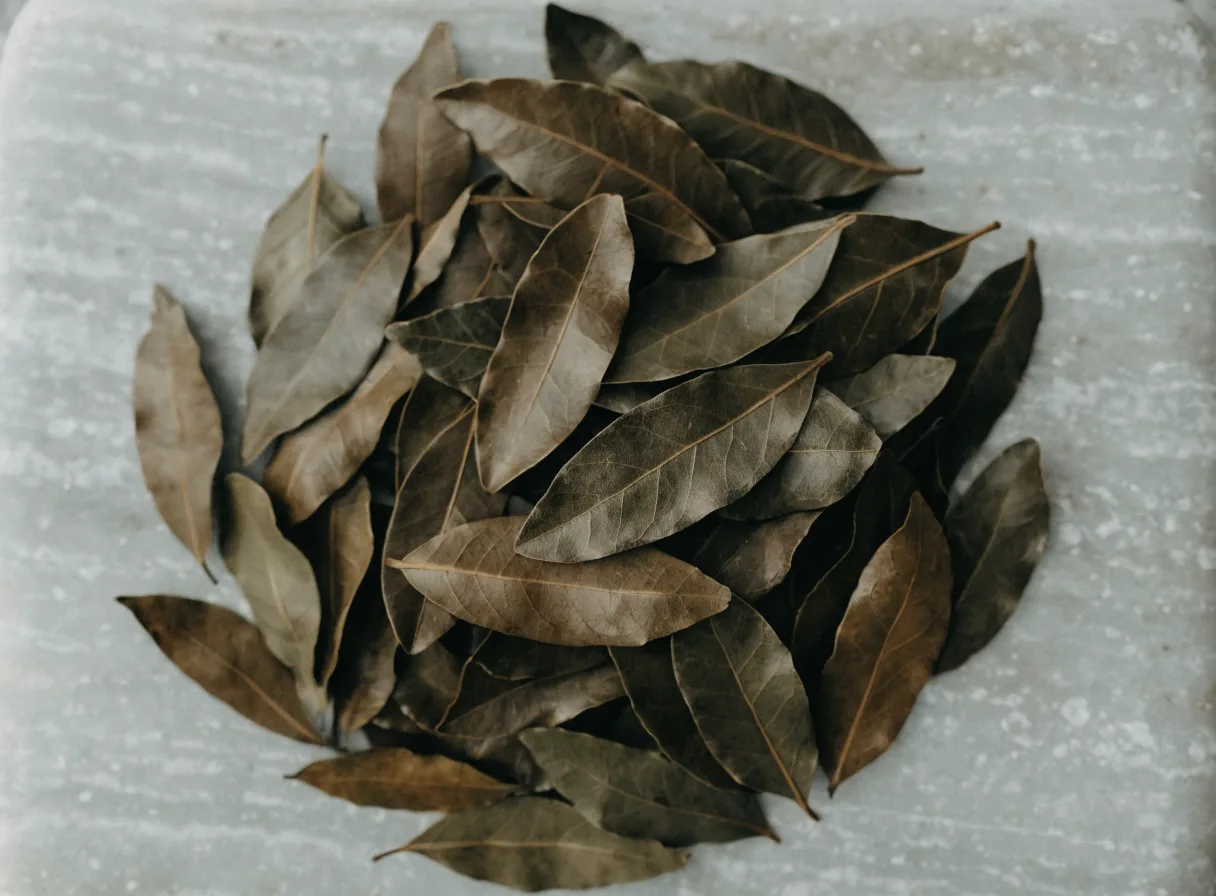
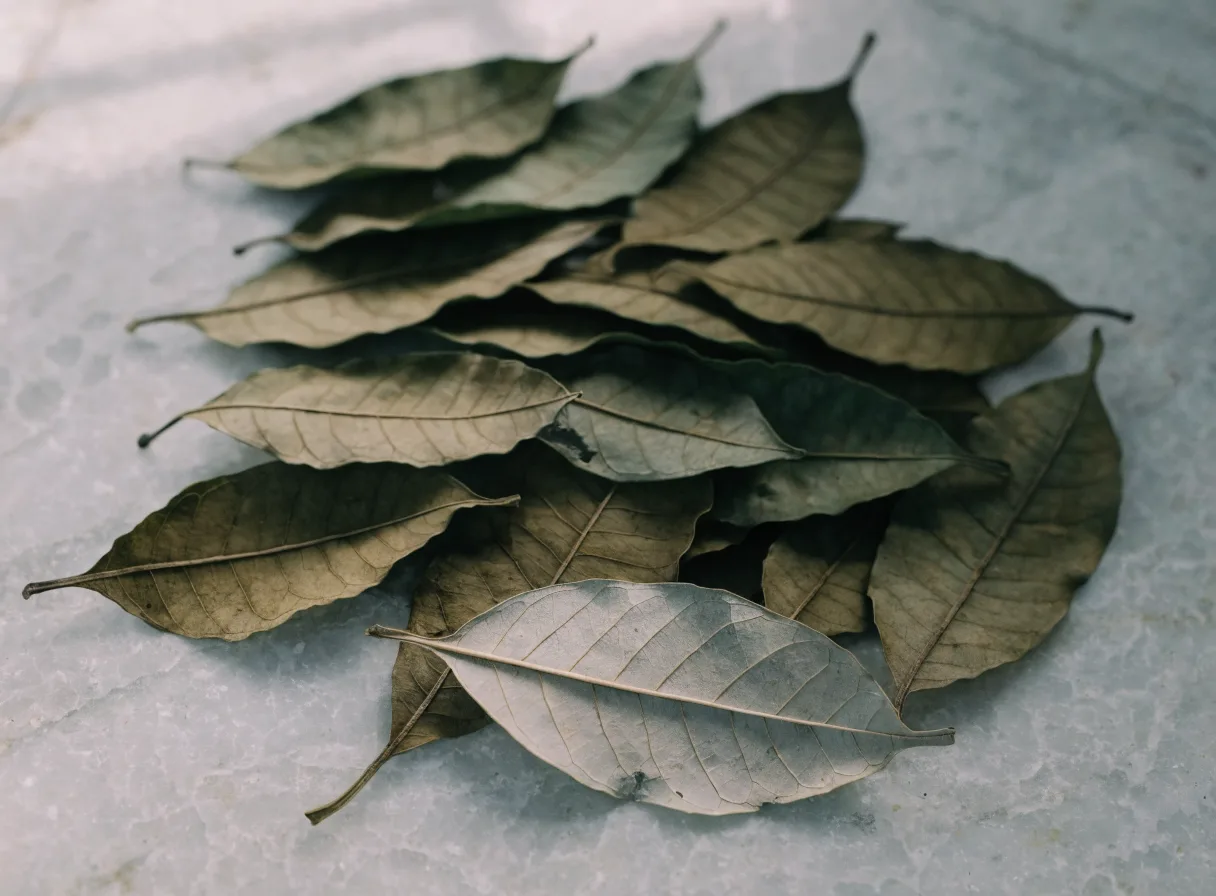
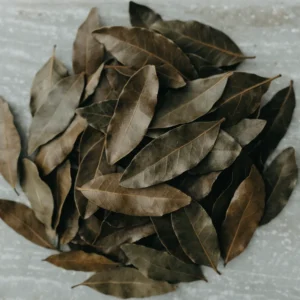
Two different families. Mediterranean bay is a laurel and tastes of cineole — eucalyptus, resin, pine. West Indian bay is a myrtle, a close cousin of allspice, and its oil runs 60 to 83% eugenol, which is why it reads as clove. Swap one for the other and the dish changes.
Souse, stews, marinades — and the bay rum the tree is named for.
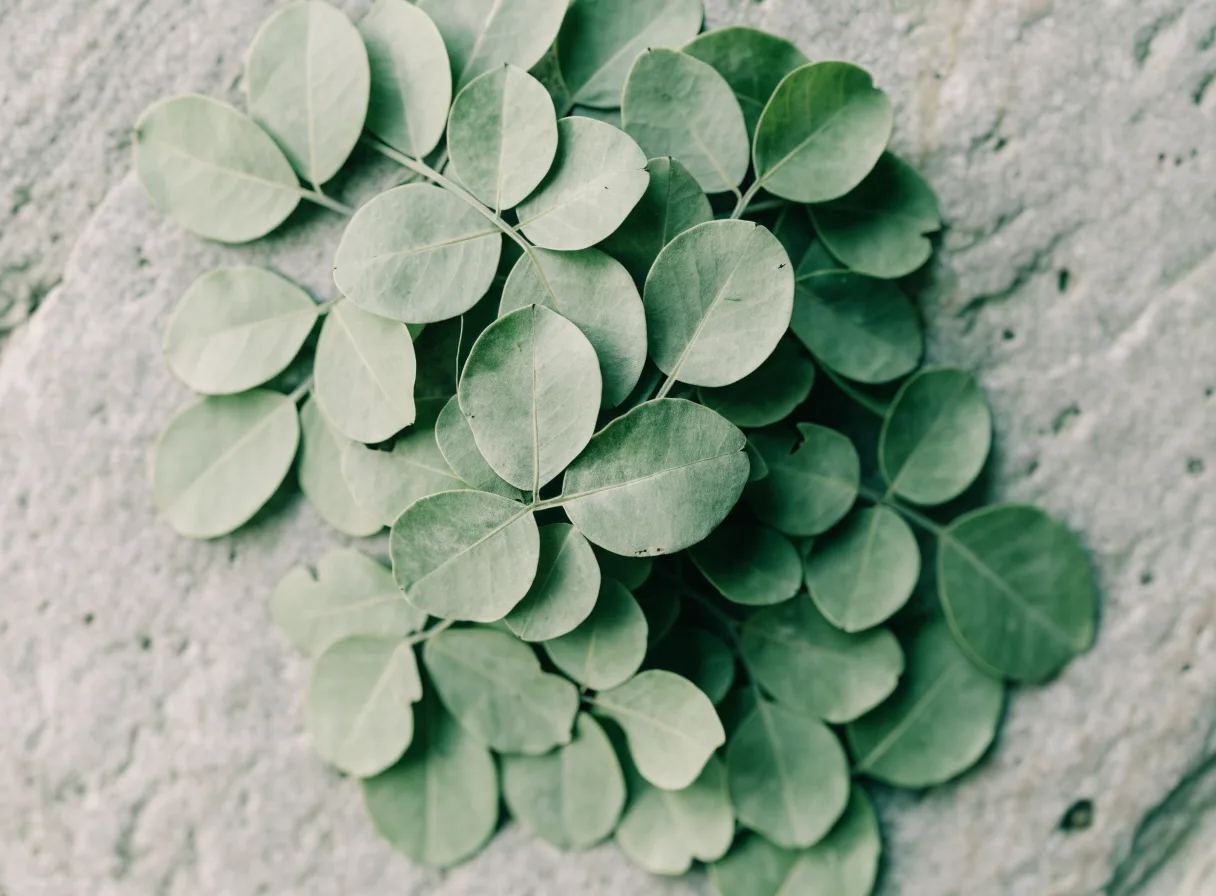
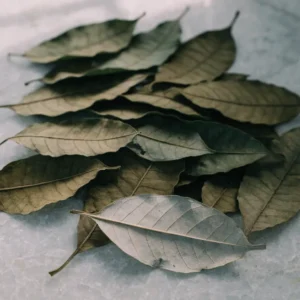
A name collision, not a relative. Cassia cinnamon is bark from a laurel; this is a legume, and the part you use is the leaf. Nothing about one tells you anything about the other, and shops do confuse them.
Brewed as a bush tea and used topically across the Caribbean. Those are traditional uses — we make no medical claim for it, and nor should anyone selling it to you.
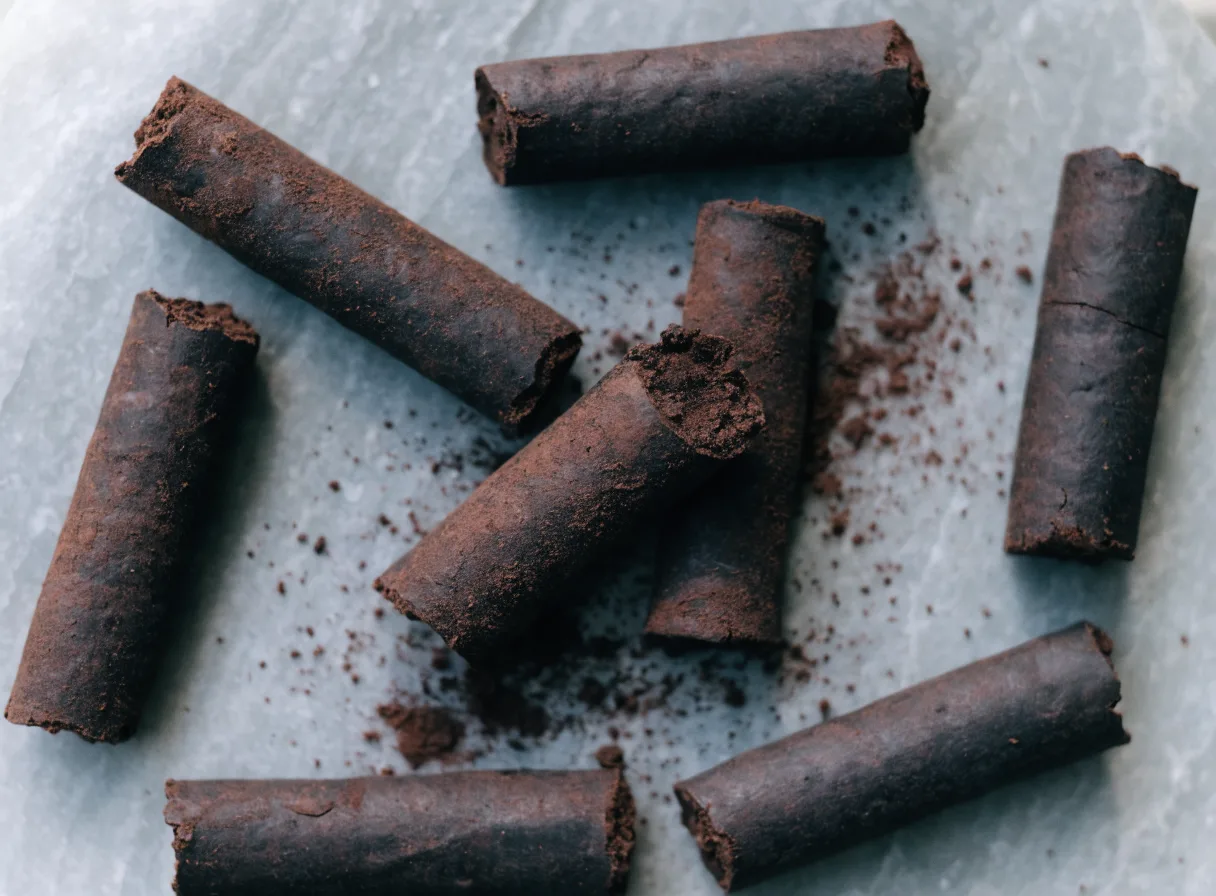
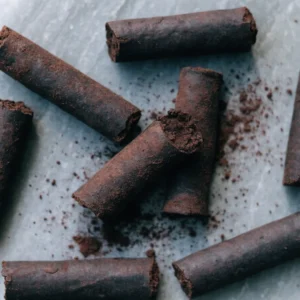
Powder has had most of its fat pressed out of it. A stick is the whole roasted bean, ground and rolled with the cocoa butter still in it — which is why it melts into the cup instead of sitting on top of it.
Grate into hot water or milk with a stick of cinnamon and a bay leaf. Saint Lucian breakfast.
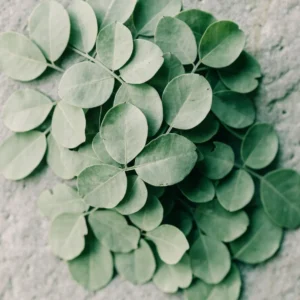
Leaf and fruit are sold under the same three names and used completely differently: the fruit is eaten, the leaf is steeped. You will also find strong medical claims attached to this leaf online. The evidence does not support them, and we are not going to repeat them to sell you a bag of leaves.