
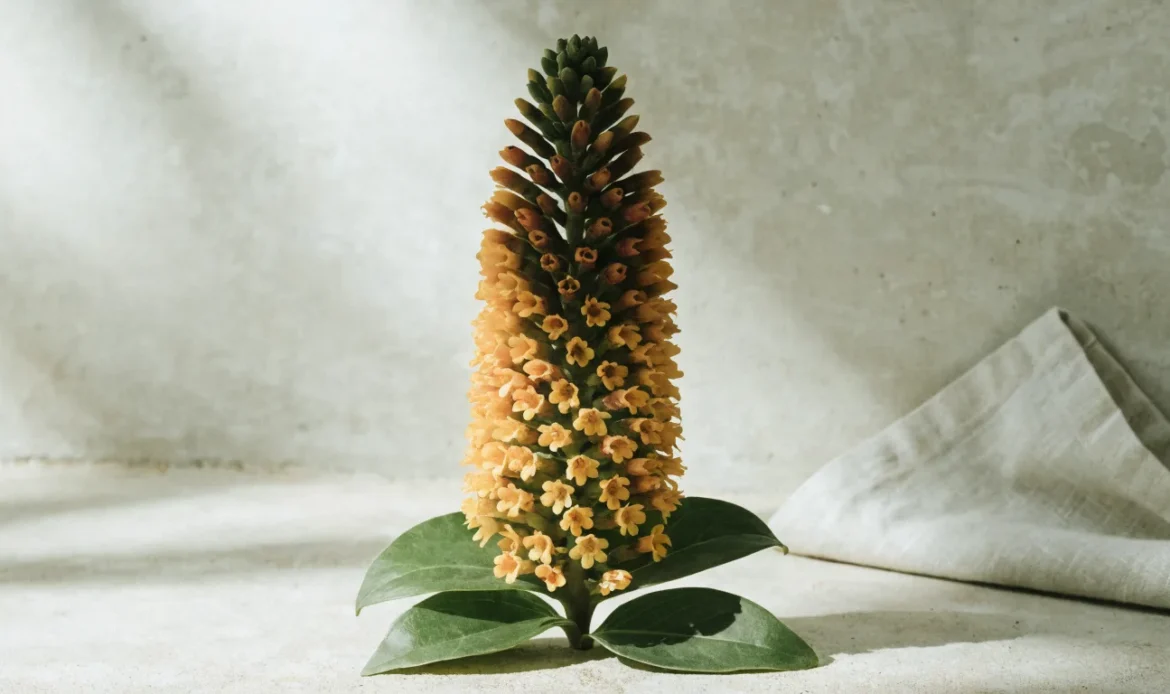
Short answer: Cassia alata (also called Senna alata or “candle bush”) is a tropical flowering shrub known for its tall, bright flower spikes and broad leaves. People use its leaves and flowers in cultural and culinary ways in some regions. This guide explains how to identify it, how people prepare cassia alata tea, what to check when buying, and how it differs from sea moss and other coastal botanicals.
What is cassia alata?
Cassia alata is a shrub or small tree that grows in warm, humid places. It has:
- Upright branches and pairs of large leaflets on each leaf stem.
- Long, showy flower spikes that are often orange or yellow and stand straight up like candles.
- Seed pods that are long and flat.
You may see it called Senna alata in botanical lists. People use different parts of the plant in food, fabric dyes, and local traditions in the Caribbean, Africa, Southeast Asia, and Central and South America. This page focuses on clear, practical facts a buyer or curious reader can use.
How to identify cassia alata
Look for these easy features:
- Leaves: Large compound leaves. Each leaf has many broad, curved leaflets on a central stem. The leaflets often have a smooth edge.
- Flowers: Tall, upright spikes of bright yellow-orange blossoms. The spikes can be 6–12 inches long and are a distinctive, candle-like shape.
- Seed pods: Long, flat pods that may persist on the plant after the flowers drop.
- Habit: A shrub or small tree up to several meters tall. In gardens or roadside growth it is upright and bushy.
When buying dried leaves or packaged material, color (green to olive for dried leaves), aroma (mild, plant-like), and clean packaging are simple clues. Live plants are easiest to identify by the flower spikes.
Cassia alata flower — what it looks like
The cassia alata flower is one of the plant’s most recognizable parts. Key points:
- Color: Usually a bright yellow to orange-yellow.
- Shape: Individual flowers are arranged along a central, vertical spike. From a distance the spike looks like a candle — which gives the plant the common name “candle bush.”
- Timing: Flowering times depend on local climate and season. In tropical settings it can bloom during warm, wet periods.
Photos or a close-up look will show the cluster pattern and the narrow shape of each blossom along the spike. If you plan to purchase fresh flower spikes, inspect them for freshness: a firm stem, vivid color, and no slimy or brown areas.
Culinary and cultural context
Cassia alata appears in local food and culture in several places. Cultural notes to keep in mind:
- Leaves are sometimes brewed as a mild herbal infusion (commonly called cassia alata tea).
- In some communities the plant is part of traditional ceremonies, garden plantings, or small-scale dyeing.
- Culinary uses vary widely by region and by local custom.
Important: This article does not recommend cassia alata for specific health problems or promise results from its use. If you plan to use cassia alata in food or drink, follow local culinary practices and food-safety guidance.
Cassia alata tea — simple preparation
People make cassia alata tea in several basic ways. Here is a straightforward, general method used where the plant is prepared as a beverage. This is an educational recipe only; do not treat it as medical advice.
Basic cassia alata tea (general method)
- Start with clean leaves. Use fresh or well-dried leaves that are intended for consumption.
- Rinse fresh leaves quickly under cool water to remove dust.
- Use about 1–2 grams (a small handful) of dried leaves or 2–3 fresh leaves per cup of water — local customs vary.
- Bring water to a boil, then pour over the leaves. Let steep 5–10 minutes.
- Strain and serve plain, or sweeten lightly with honey or sugar if desired.
Variations:
- Some people simmer leaves for a longer, milder brew.
- Flavoring with lemon, ginger, or other herbs is common in home preparations.
Safety note: If you are pregnant, breastfeeding, taking medicines, or have medical conditions, ask a qualified health professional before using any botanical infusion.
How cassia alata is sold — common formats
Cassia alata material may be sold in different product forms:
- Fresh plant material: branches, flower spikes, or leaves.
- Dried leaves: loose, bagged, or wrapped.
- Powdered leaf: ground dried leaf sold in jars or pouches.
- Bundled flower spikes: fresh or dried.
Packaging will affect how you store and use the product. Dried, sealed packages are easier to keep long-term. If you buy fresh material, plan to use it soon or dry it properly.
Where to buy cassia alata
If you want to buy cassia alata, consider these usual sources:
- Local botanical markets and herb vendors in regions where it grows.
- Specialty Caribbean or tropical botanical sellers.
- Online herbal shops and marketplaces that list botanical names.
When you look online, use the plant names “cassia alata” or “Senna alata” to broaden results. Ask sellers clearly for product details: what part of the plant is included (leaf, flower, whole plant), how it was processed (air-dried, oven-dried, powdered), and where it was harvested.
If you need larger volumes for retail or production, check wholesale options and request product specification sheets, sample photos, and packaging choices.
Decision guide: how to choose a cassia alata product
Use this checklist to compare suppliers and decide which product fits your needs. This table helps you weigh common factors before you buy.
| Question to ask | Why it matters | What to look for |
|---|---|---|
| What is the botanical name on the label? | Ensures correct plant (avoid mislabeling). | Label shows “Cassia alata” or “Senna alata.” |
| What plant part is included? (leaf, flower, whole) | Different parts are used differently. | Clear label: “dried leaves,” “flower spikes.” |
| How was it processed? | Processing affects flavor and storage. | “Air-dried” or “oven-dried” with temperature notes if given. |
| Where and when was it harvested? | Location and harvest time affect consistency. | Country/region listed and a harvest date or batch code if possible. |
| Are there visible contaminants? | Dust, mold, or insects indicate poor handling. | Clean-looking product, no musty smell, no debris. |
| Packaging and seals | Affects shelf life and hygiene. | Sealed bag or jar with a label and lot number. |
| Can I get a sample? | Small samples reduce risk before a bulk buy. | Seller willing to send a small sample for inspection. |
| Returns and contact | Helps resolve issues after purchase. | Clear return policy and a working contact email or phone. |
| Lab reports or tests? | Optional for buyers with strict safety needs. | Seller provides certificates on request or lab testing for contaminants. |
Use the checklist while comparing at least two suppliers. If you need wholesale quantities, request a written product specification and a photograph of the batch.
Storage and shelf life basics
General tips:
- Keep dried cassia alata in a cool, dry place.
- Use airtight containers to limit light and moisture exposure.
- Freeze or refrigerate fresh leaves for short-term storage if you plan to use them soon.
- If a dried product smells off or shows visible mold, do not use it.
Exact shelf life depends on drying method and packaging. Always follow the seller’s storage recommendations when provided.
Safety, regulatory, and testing notes
Be clear about limits and uncertainty:
- Botanical materials vary. Labels should clearly name the plant and its part. Mislabeling happens in markets worldwide.
- If you plan to consume cassia alata or sell it in products, check local food and herbal regulations. Some jurisdictions require specific labeling or testing.
- For coastal botanicals like seaweed and sea moss, iodine and heavy-metal testing can be important. Cassia alata is a terrestrial plant and is not the same as seaweed. Don’t assume the same testing needs apply. See the section below on differences from sea moss.
- If you have allergies or take medicine, consult a licensed healthcare provider before ingesting any new botanical.
This guide does not offer medical or legal advice. If you need regulatory specifics for selling botanical products, consult local authorities or a qualified compliance specialist.
How cassia alata differs from sea moss and other seaweeds
Many buyers who shop for Caribbean botanicals also consider sea moss. It is important to keep these plants separate in your thinking:
- Cassia alata is a land plant (shrub/tree). Sea moss and seaweed are marine algae. They are different organisms with different growth, processing, and safety considerations.
- Seaweed can accumulate iodine and other minerals from seawater. Several authoritative sources highlight that seaweed products may contain high iodine levels and should be monitored for iodine and contaminants. For general information on seaweed and iodine, see guides from nutrition and food-safety authorities. [1][2][3][5]
- Because cassia alata grows on land, it will not have the same iodine profile as seaweed. However, any plant can pick up contaminants from soil, so good sourcing and testing practices still matter.
If you currently use sea moss or seaweed in your products or diet, don’t assume cassia alata is interchangeable. They have different flavors, textures, and regulatory concerns.
Relevant reading on seaweed safety and iodine:
- Harvard T.H. Chan School of Public Health: overview of seaweed as a food. [1]
- Reviews and surveys on iodine in seaweed and related safety discussions. [2][3][5]
- Notes from operations and safety groups on sea moss in supplements and product contexts. [4]
Practical uses in the Caribbean botanical trade
In markets and botanical shops, cassia alata may appear alongside other dried herbs. Typical buyer profiles:
- Home cooks and herbalists who use small amounts for tradition-based drinks.
- Craft and small-scale producers who use flowers or leaves for natural dyes or botanical arrangements.
- Garden centers and nurseries selling live plants for ornament.
If you sell or buy cassia alata commercially:
- Label the botanical name clearly.
- Keep photos and samples of the harvest batch.
- Consider offering a short usage guide with each retail packet so buyers know whether the packet contains leaf, flower, or whole-plant material.
Where to go next — practical steps
If you want cassia alata for personal use:
- Decide whether you want fresh, dried, or powdered material.
- Use the buying checklist above when you compare sellers.
- Ask the seller for product photos and a small sample if buying in quantity.
- Store the product according to the seller’s instructions.
If you are a retailer or wholesaler:
- Ask for a specification sheet, harvest date, and a photo of the batch.
- If you need regulatory assurance, request testing or third-party lab reports for heavy metals, moisture, or microbial limits that apply for your market.
For more on Caribbean botanicals and sourcing, see our Caribbean botanicals page. Caribbean Botanicals (/shop/caribbean-botanicals/)
If you want a broader look at botanical products and safe handling, see our learn hub. Learn (/learn/)
Looking for wholesale quantities or to contact a supplier? Review wholesale options and get in touch. Wholesale (/wholesale/) • Contact us (/contact/)
Find other shop categories. Shop (/shop/) • Home (/)
Practical checklist — Buyer’s short checklist (printable)
- Label shows “Cassia alata” or “Senna alata.”
- Product part is clear: leaves / flowers / powder.
- Seller provides harvest or batch info (date or lot number).
- Product appears clean: no visible mold, insects, or foreign matter.
- Packaging is sealed and labeled.
- Seller answers questions about processing and offers photos.
- Return policy and contact information are available.
- Ask for a small sample before ordering large quantities.
- If you will resell the product, request specifications or lab tests that match your local rules.
Conclusion
Cassia alata is a recognizable tropical shrub with candle-like flower spikes. People use its leaves and flowers in local culinary and cultural ways. If you plan to buy the plant or its parts, identify the plant by botanical name, inspect product photos and packaging, and use the buyer checklist to compare suppliers. Remember that cassia alata is a land plant and not the same as sea moss; each has different handling and safety considerations. When in doubt about safety, labeling, or selling rules, ask the seller for clear product details or consult a qualified local expert.
Frequently asked questions
Is cassia alata the same as sea moss?
No. Cassia alata is a land-grown shrub (also known as Senna alata). Sea moss refers to marine algae or seaweed. They are different plants with different uses and safety concerns.
Can I drink cassia alata tea every day?
People have different traditions for botanical drinks. Before making cassia alata a daily item, check with a qualified health professional if you have health conditions or take medicine. This guide does not give medical advice.
Where is cassia alata commonly sold?
It is often available in local markets in tropical regions, specialty botanical shops, and some online herb sellers. Use the botanical name “Cassia alata” or “Senna alata” when searching.
How should dried cassia alata be stored?
Store dried leaves in an airtight container in a cool, dry place away from direct light. Use fresh material quickly or dry it properly for storage.
How can I check product quality before buying in bulk?
Ask for photos, a small sample, and seller references. Request harvest or batch information and read the return policy. For regulated markets, consider requesting lab testing for contaminants.
Can I plant cassia alata in a home garden?
In suitable climates (warm and humid), cassia alata can be grown as an ornamental or garden shrub. Check local guidelines to ensure it is not invasive in your area.
References
- Harvard T.H. Chan School of Public Health, “Seaweed.” https://nutritionsource.hsph.harvard.edu/seaweed/
- Smyth PPA. “Iodine, Seaweed, and the Thyroid.” European Thyroid Journal, 2021. https://pmc.ncbi.nlm.nih.gov/articles/PMC8077470/
- Food Standards Australia New Zealand, “Survey of iodine levels in seaweed and seaweed containing products,” updated 2025. https://www.foodstandards.gov.au/science-data/monitoring-safety/surveyofiodinelevels
- Operation Supplement Safety, “Sea Moss in Dietary Supplements.” https://www.opss.org/article/sea-moss-dietary-supplements
- Blikra MJ et al. “Consequences of acute and long-term excessive iodine intake: A literature review focusing on seaweed as a potential dietary iodine source.” 2024. https://doi.org/10.1111/1541-4337.70037