
Short answer: Mauby bark is the dried bark (and sometimes fruit) of certain Caribbean trees in the Colubrina group. It is boiled with spices and sugar to make a bitter‑sweet drink called mauby (also mabi or mavi). Read on to learn how to identify, buy, and prepare it — and what to check before you buy.
What is mauby bark?
- The name: People call the drink mauby, mabi, mavi, maubi, or mabí across the Caribbean. The raw material behind that drink is commonly called mauby bark. (en.wikipedia.org)
- The plant: The bark most often comes from species in the genus Colubrina, including Colubrina elliptica and Colubrina arborescens. These are small trees or shrubs native to the Caribbean and nearby areas. Sellers and cooks will sometimes call the source plant “the mauby tree” or “snakewood.” (en.wikipedia.org)
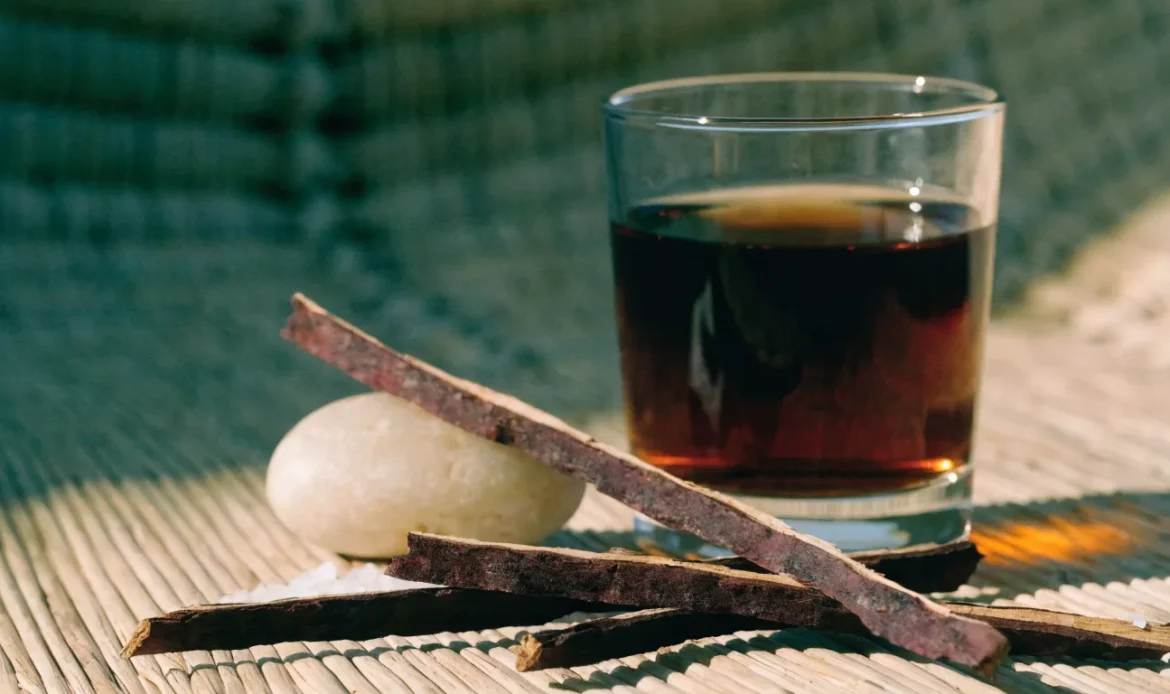
- What the bark is like: Dried mauby bark is usually sold as short sticks, strips, or chips. The color ranges from light brown to dark brown or nearly black on pieces that were charred or roasted as part of traditional processing. (shoplittleguyana.com)
What this page will and will not do
- This guide explains botanical identity, traditional uses, cooking and preparation methods, buying tips, and quality checks.
- It does not make medical claims about mauby bark. Traditional uses exist, but scientific evidence for health effects is limited or mixed. If you have health questions, talk with a licensed professional.
A short history and cultural context
Mauby has a long history in Caribbean foodways. Indigenous peoples and early island communities used Colubrina bark to make a cooling, bittersweet drink. Over time, mauby grew into a popular street and home beverage. Each island has its own name and variation. Vendors, family recipes, and local customs shaped the taste — from strongly bitter to lightly fermented and sweet.
Regional notes
- Barbados and Trinidad commonly call it mauby. Puerto Rico calls it mavi. Haiti and the Dominican Republic often say mabi or mabí. The recipes can differ in spices, sweeteners, and whether the brew is fermented or not. (en.wikipedia.org)
What mauby bark is used for (culinary uses)
- Mauby tea / mauby drink: The most common use is to make a concentrate or brew. The bark is boiled with spices, allowed to cool, and then diluted and sweetened for drinking. Some people ferment the cooled brew for a short time to reduce bitterness and add complexity. (jiggerandjoy.com)
- Flavoring and culinary uses: Mauby concentrate can be used like other flavored syrups — mixed into coolers, punches, or small‑batch cocktails (nonalcoholic or alcoholic). It is primarily a beverage base in Caribbean cuisine. (barbados.org)
Important: mauby bark is not sea moss
- Sea moss (a marine algae often sold as “sea moss” or Irish moss) is not the same as mauby bark. Sea moss comes from ocean algae and has different culinary uses and safety considerations. If you buy from a store that sells both, check labels closely so you get the right item. (webmd.com)
What mauby bark tastes like
- Bittersweet: Freshly boiled mauby is typically bitter with a rounded, woody note. That bitterness comes from plant compounds that many find pleasant in small amounts. Sugar or other sweeteners balance the taste. (figaroshakes.com)
- Spiced: Common spices include cinnamon, clove, aniseed (or star anise), orange peel, and nutmeg. These add warmth and aroma and change how the bitterness is perceived. (jiggerandjoy.com)
- Fermented versions: Short ferments can soften bitterness and bring mild acidity and effervescence. Not every maker ferments; many prefer an unfermented, sweetened brew. (figaroshakes.com)
How mauby bark tea is made (basic steps)
Below is a clear, simple method you can use as a starting point. Island recipes vary; adjust spices and sweetness to taste.
- Rinse the bark briefly to remove dust.
- Place bark and spices (cinnamon stick, star anise or aniseed, orange peel, cloves) in a pot with water.
- Bring to a boil, then lower heat and simmer 30–60 minutes. The water will darken and taste bitter. (jiggerandjoy.com)
- Remove from heat and let the mixture cool. Some cooks let it steep longer off the heat for more flavor.
- Strain out the bark and spices. At this point you have a concentrate. Add sugar or sweetener while warm so it dissolves. Some recipes add molasses or brown sugar for depth. (thisbagogirl.com)
- Chill and dilute with cold water to taste. Optionally, allow a short fermentation (a day or two at room temperature) to get slight effervescence. Refrigerate when the flavor reaches the level you like. (figaroshakes.com)
Notes and variations
- Roasted or lightly charred bark: Some vendors sell bark that was charred or roasted for a smokier or darker flavor. Expect a deeper color and different aroma. (shoplittleguyana.com)
- Boil time: Longer simmering usually increases bitterness and color. Taste as you go.
- Sweeteners: White sugar, brown sugar, molasses, cane syrup, or other sweeteners can be used. Start small and adjust. (thisbagogirl.com)
Buying mauby bark: what to look for (how to find “mauby bark for sale” or “mauby tree bark for sale”)
Where to look
- Caribbean groceries, spice shops, and specialty online retailers often sell dried mauby bark. Markets in Caribbean islands and diaspora neighborhoods are good places to look. (shoplittleguyana.com)
- Wholesale: If you want larger amounts for a business, look for suppliers who offer bulk packaging and are willing to provide photos and product details. Ask about minimum order quantities and shipping. (See our wholesale page for business contacts.) /wholesale/
Buyer checklist (short)
- Botanical name listed? Prefer sellers who list Colubrina elliptica or Colubrina arborescens.
- Format shown? Whole strips or chips let you see quality. Powder is convenient but harder to inspect.
- Clean, dry packaging with no visible mold.
- Seller transparency: origin, processing (dried, roasted), and how they store the bark.
- Photos and clear return policy.
A fuller decision guide table is below.
Decision guide: mauby bark formats, pros, and checking tips
| Format | Pros | Cons | What to check |
|---|---|---|---|
| Whole dried bark sticks / strips | Easy to inspect; long shelf life if dry; traditional brewing | Needs time to simmer; bulky | Clean edges, uniform color, no mold; seller lists species. (shoplittleguyana.com) |
| Charred / roasted bark pieces | Smokier flavor; darker color | Stronger flavor may not suit all tastes | Ask if bark was intentionally roasted or burned; check for soot smell vs. pleasant roast aroma. (shoplittleguyana.com) |
| Powdered bark | Convenient; quick brewing | Hard to inspect; could include other plant material | Request photo, ingredient list, and sampling if buying bulk. |
| Concentrate / syrup (ready to dilute) | Ready to drink; consistent | Shorter shelf life; added sugar or preservatives | Check ingredient list and storage instructions. |
| Bottled beverage (ready-to-drink) | No prep needed | Brand formulations vary widely | Read label for added ingredients and storage. |
How to check quality and authenticity
Ask the seller these questions:
- What species is this bark from? (Scientific name is best.) (en.wikipedia.org)
- Is the bark whole or powdered? Are pieces charred?
- How was it dried and stored? Can you send photos of the product and packaging?
- Do you offer a sample or small order so I can test flavor and storage needs?
What a seller’s answers can and cannot prove
- A seller can show photos and give a botanical name. That helps but does not prove species beyond doubt. Some sellers might use the local name “mauby” for different Colubrina species. To prove species with certainty you would need botanical verification (e.g., an expert or lab analysis). (en.wikipedia.org)
Red flags
- Signs of mold, dampness, or a sour smell in a dried bark product.
- Lack of basic product information or refusal to answer where the bark came from.
- Labels that mix sea moss and mauby terms (these are different products). Always check the product name and description. (webmd.com)
Safety, labeling, and testing — what to know
- Mauby is a plant product. Like other herbal products, it can vary by harvest, drying, and handling. Some people prefer suppliers who follow basic food‑safety practices and can describe how they handle the product. (barbados.org)
- If you have allergies, take care. Mauby uses spices (cinnamon, cloves, anise) that can cause reactions in some people. Check ingredient lists when buying prepared mauby beverages. (thisbagogirl.com)
- For food safety and contaminants: Unlike regulated foods, dried bark sold as a culinary botanical may not always come with routine lab testing for pesticides or heavy metals. If this is important to you, ask the seller whether third‑party testing exists or buy from a supplier that shares test results. This is especially important if a product is marketed as a concentrated supplement rather than a culinary ingredient. (opss.org)
How mauby differs from sea moss in safety checks
- Sea moss (a marine algae) is in a different risk category. Sea moss products sometimes require testing for iodine and heavy metals because these compounds concentrate in some algae. Mauby bark is terrestrial plant material and will have different testing priorities. If you buy both from the same store, treat them separately and check labels. (nutritionsource.hsph.harvard.edu)
Storing mauby bark and brewed mauby
- Dried bark: Keep in a cool, dry place in an airtight container. Moisture invites mold.
- Brewed concentrate: Refrigerate. Follow the seller’s or recipe’s advice for how long it keeps. If you smell off notes or see cloudiness not explained by spices, discard.
- Ready‑to‑drink bottles: Check the label for storage and best‑by instructions.
Simple starter recipe (scaled for home use)
This is a starter ratio. Adjust as needed.
- 8–12 oz dried mauby bark pieces
- 8 cups water
- 1–2 cinnamon sticks, 2–3 cloves, peel of 1 orange, 1 tsp aniseed or star anise (optional)
- Sugar to taste (start with 1/2–1 cup while warm)
Method: Rinse bark, simmer bark and spices in water 30–60 minutes, strain, sweeten while warm, cool and dilute to taste. Chill before serving. Taste as you go and note proportions for your next batch.
Where to buy and how to search online
When searching, use phrases like:
- “mauby bark for sale”
- “mauby tree bark for sale”
- “mabi bark dried”
Add words such as “whole,” “dried,” “bulk,” or “wholesale” if you need larger quantities. Read product photos and descriptions carefully. For product pages, look for the scientific name (Colubrina sp.) or a clear description of how the bark was processed.
If you want professional wholesale supply, ask suppliers about minimum order, photos of packing, and return policy. See our wholesale information for support. /wholesale/ (/wholesale/)
What we still don’t know (and what to ask next)
- Exact species identity in a particular bag of bark without botanical verification. Sellers may use local names that overlap. If species matters to you, request a scientific name and photos; consider asking a botanist to check samples. (en.wikipedia.org)
- Lab results for contaminants. Some small sellers do not provide third‑party testing. If you need lab‑tested botanical products, ask for certificates or buy from a supplier who offers them. (opss.org)
- Health effects. Folk uses and traditional claims exist, but controlled studies in humans are limited. Do not rely on mauby as a treatment for medical conditions. If you are considering mauby for any health reason, consult a health professional.
Practical checklist — before you buy
- [ ] Seller lists a scientific name (e.g., Colubrina elliptica or C. arborescens). (en.wikipedia.org)
- [ ] Product photos show whole pieces, not only fine powder. (shoplittleguyana.com)
- [ ] Seller explains whether bark was roasted or charred. (shoplittleguyana.com)
- [ ] Packaging is dry and sealed; no signs of mold in photos.
- [ ] Ingredients or additional flavorings listed for prepared concentrates. (thisbagogirl.com)
- [ ] Return policy or sample option for first orders.
- [ ] If you need testing for contaminants, seller can provide a certificate or refer to a tested batch. (opss.org)
Useful internal links
- Learn more about our Caribbean botanicals selection: Caribbean Botanicals
- See other shop items and how we present product details: Shop
- Learn about product sourcing and educational content: Learn
- Start a wholesale inquiry: Wholesale
- Questions or custom orders: Contact
- Back to the home page: Home
Conclusion
Mauby bark is a clear part of Caribbean food culture. It names both a beverage tradition and the bark used to make it. If you want to buy mauby bark, check the species name, format, processing (roasted vs. raw), and seller transparency. Taste and recipe preferences vary across the islands, so a small test order is a good way to find a product and flavor you like. If you need lab testing or botanical verification, ask sellers before you buy. Enjoy experimenting with spices, brewing times, and sweeteners — and remember mauby is a culinary tradition, not a medical treatment.
Frequently asked questions
What tree is mauby bark from?
Most commonly from Colubrina species, especially Colubrina elliptica and Colubrina arborescens. Sellers sometimes use local names, so ask for the scientific name if you need certainty.
Is mauby the same as sea moss?
No. Mauby comes from inland tree bark. Sea moss is a marine algae (a seaweed). They are different plants and have different culinary uses and safety considerations.
Can I make mauby without sugar?
Yes. Sugar balances bitterness but you can sweeten with other sweeteners or use less sugar. Taste and adjust while making the concentrate.
How long does brewed mauby keep?
Keep the brewed concentrate in the fridge. Storage times vary by recipe and whether the brew has been fermented. If unsure, follow the seller’s instructions or discard when it smells off.
Where can I buy mauby bark in bulk?
Specialty Caribbean ingredient suppliers and some wholesale botanical sellers list mauby bark. Ask potential suppliers about minimum order quantities, photos, and return policy. See our wholesale page for business inquiries. /wholesale/ (/wholesale/)
Is there a standard recipe for mauby?
No single standard exists. Recipes vary across islands and families. The basic method is the same: simmer bark with spices, strain, sweeten, and chill. Experiment to find your preferred spice mix and sweetness.
References
- Mauby. Wikipedia.
- Colubrina elliptica. Wikipedia.
- Colubrina arborescens (POWO). Kew Science.
- The Bittersweet Caribbean Drink Made From Tree Bark. Atlas Obscura.
- Mauby Recipe and cultural notes. Figaro Shakes (recipe & ferment notes).
- How To Make Mauby. Jigger & Joy (recipe and spices).
- Mauby: A Traditional Drink of Barbados (local recipe summary). Barbados.org.
- Seaweed • The Nutrition Source. Harvard T.H. Chan School of Public Health.
- Sea moss in dietary supplements. Operation Supplement Safety (sea moss context & testing notes).
- Harvard T.H. Chan School of Public Health, “Seaweed.” https://nutritionsource.hsph.harvard.edu/seaweed/
- Smyth PPA. “Iodine, Seaweed, and the Thyroid.” European Thyroid Journal, 2021. https://pmc.ncbi.nlm.nih.gov/articles/PMC8077470/
- Food Standards Australia New Zealand, “Survey of iodine levels in seaweed and seaweed containing products,” updated 2025. https://www.foodstandards.gov.au/science-data/monitoring-safety/surveyofiodinelevels
- Operation Supplement Safety, “Sea Moss in Dietary Supplements.” https://www.opss.org/article/sea-moss-dietary-supplements
- Blikra MJ et al. “Consequences of acute and long-term excessive iodine intake: A literature review focusing on seaweed as a potential dietary iodine source.” 2024. https://doi.org/10.1111/1541-4337.70037