
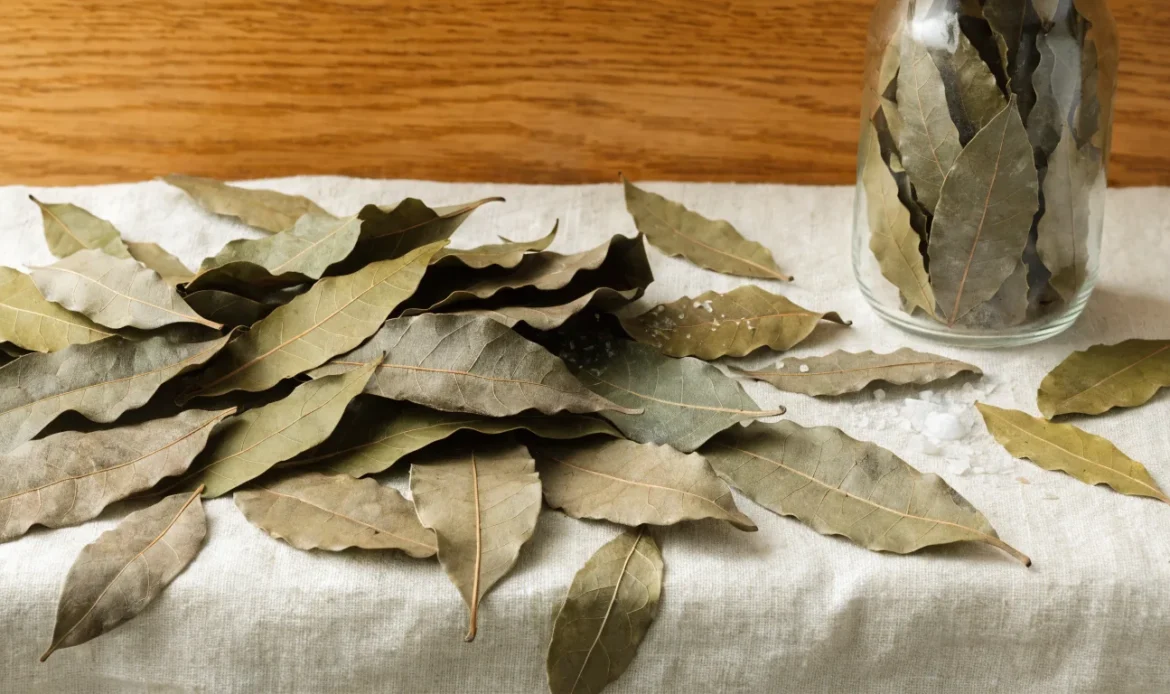
Short answer: Dried bay leaf is the preserved leaf of certain aromatic trees used to add slow, layered flavor to cooked dishes. “Caribbean bay leaf” refers to bay leaves used and sold in the Caribbean and may come from a different tree than the Mediterranean bay laurel. If you need bay leaf for a recipe or for wholesale, this guide explains how to tell types apart, how to use them, what a seller should show you, and what questions to ask next.
What is “dried bay leaf”?
- A dried bay leaf is a whole or broken leaf that has been air-dried after harvest.
- People add it to soups, stews, stocks, sauces, and marinades. It is usually removed before serving because the leaf stays stiff even after cooking.
- The term “bay leaf” can mean leaves from different species of trees. The most common sources are:
- Laurus nobilis — the Mediterranean or “true” bay laurel.
- Cinnamomum tamala — sometimes called Indian bay leaf or tejpat.
- Pimenta racemosa — called West Indian or Caribbean bay in some markets.
- Each species has its own shape, aroma, and traditional uses. That is why it helps to know which botanical type you are buying.
Note: Bay leaves are plants, not sea plants. Do not confuse dried bay leaf with sea moss or other seaweeds. Seaweed and sea moss belong to a different food group and have different safety and labeling questions, such as iodine content and testing; see References for reputable sources on seaweed and sea moss. [1][4][5]
How Caribbean bay leaf differs from other bay leaves
- Name and origin: “Caribbean bay leaf” is a trade name used in the region. It often refers to leaves from trees that grow locally in the Caribbean. The botanical identity can vary by island and seller.
- Flavor profile: Caribbean bay leaves are often described as brighter, more menthol or clove-like, or more resinous than Mediterranean bay laurel. The exact aroma depends on the species and the drying method.
- Shape and color: Leaves can differ in size, edge shape, and vein pattern. Some Caribbean leaves are narrower or more brittle when dry; others are broader. Visual differences help but are not definitive without botanical ID.
Why this matters: Recipes written for Mediterranean bay laurel (Laurus nobilis) may taste different if you substitute a Caribbean or Indian bay leaf. If you want a particular flavor outcome, choose the botanical type that matches the recipe.
Culinary uses and how to use dried bay leaf
- Typical uses: long-simmer dishes such as soups, stews, braises, stocks, beans, and some rice dishes. Use whole leaves or crushed pieces, and remove them before serving.
- How to add it: Add one or more dried leaves early in cooking so the flavor has time to infuse. For small pots, one leaf is usually enough. For larger or stronger-flavored dishes, add more. Taste the dish while it cooks and remove leaves when the aroma is right.
- Grinding: Dried bay leaf can be ground into powder. Powdered bay leaf releases flavor faster and mixes into rubs and sauces, but it changes texture. Use ground bay leaf sparingly.
- Safety note: Bay leaves remain fibrous after cooking and can be a choking or scratching hazard. Remove whole leaves from dishes before serving, especially for children and people eating with dentures.
How to tell types apart: a simple ID guide
Below are general cues. None are perfect alone. When buying for a specific recipe or for resale, ask the seller for botanical names or labelling.
- Laurus nobilis (Mediterranean bay)
- Leaf shape: oval with smooth margins.
- Color: deep olive to dark green when fresh; duller green when dried.
- Aroma: herbaceous, slightly floral, classic “bay” scent.
- Pimenta racemosa (West Indian / Caribbean bay)
- Leaf shape: variable, sometimes narrower.
- Aroma: brighter, more peppery or clove-like; sometimes citrusy.
- Cinnamomum tamala (Indian bay)
- Leaf shape: longer and thicker with three prominent veins.
- Aroma: cinnamon-like, warm and sweet.
If botanical name is not shown on the label, you can ask the seller to describe the origin or send a photo. For larger orders, ask for a sample.
Buying dried bay leaf: what to check (buyer checklist)
Use this practical checklist whether you’re buying a small jar or a pallet.
- Labeling
- Is the botanical name given (Laurus nobilis, Pimenta racemosa, etc.)?
- Is country/region of origin stated?
- Appearance
- Are leaves whole or mostly whole? (Whole leaves hold aroma longer.)
- Color uniform and free from obvious dust, mites, or foreign matter?
- Aroma
- Do dry leaves have a clear, fresh aroma? A musty or flat smell can mean old stock.
- Packaging
- Is the packaging sealed and intact? Is there a date or lot code?
- For retail: are leaves in food-safe packaging?
- Supplier transparency
- Can the seller provide more detail on species, harvest, or packing?
- For wholesale: can they provide a sample and a specification sheet?
- For import or large purchases
- Ask whether the supplier can provide documentation used for customs, and whether any third-party testing is available (e.g., pesticide screening), if that is important to you.
What you can check yourself: look, smell, and inspect packaging. What you cannot prove just by looking: absence of pesticides, microbial status, or exact botanical identity if label lacks the scientific name. For those, ask the supplier for test reports or third-party certificates.
Practical decision guide: which bay leaf to buy
| Your goal | Best bay leaf type to try | Why |
|---|---|---|
| Classic French/Mediterranean stews, bouquet garni | Laurus nobilis (Mediterranean bay) | Traditional flavor profile for European recipes. |
| Caribbean or island-style dishes, marinades, jerk | Caribbean/West Indian bay (Pimenta racemosa) | Closer match for regional recipes and local flavor notes. |
| Curries, biryanis, spice blends | Indian bay (Cinnamomum tamala) | Warmer, cinnamon-like aroma that pairs with curry spices. |
| Blends, ground rubs, sauces | Ground bay leaf (any type, used sparingly) | Easier to mix into dry blends; quantity and flavor intensity vary. |
| Wholesale/retail resale | Whole leaves, labeled with botanical name and origin | Whole leaves keep longer and are easier for buyers to identify. |
Use the guide to match your recipe or product expectations. If you sell to customers, offer short descriptions and photos so end users choose the right type.
Storage and shelf-life guidance (practical tips, no exact dates)
- Keep dried bay leaf in a cool, dry, dark place in a sealed container.
- Avoid strong-smelling areas (coffee, spices) because dried leaves can absorb odors.
- Check aroma occasionally. If the scent fades, flavor will be weaker in cooking. Consider replacing older stock.
Note: We do not give exact expiration dates because storage, packaging, and initial leaf condition affect how long aroma and quality remain.
Wholesale considerations
If you plan to buy dried bay leaf in volume:
- Request samples before a bulk order. Test aroma and appearance in the dishes you make.
- Ask the supplier for clear labeling that includes botanical name and origin. Labels help end customers and customs officials.
- For export/import, confirm the paperwork required by your country. Some buyers ask for pesticide or heavy metal testing; if you need tests, specify that up front.
- Packaging choices: consider resealable consumer packs vs. bulk sacks depending on your market. Whole leaves typically have better shelf appeal.
What suppliers commonly cannot prove without testing:
- Exact pesticide residues or microbial counts without lab reports.
- Whether leaves were harvested from a single species if label is ambiguous. For these, request certificates or third-party testing.
Common culinary swaps and how to adapt recipes
- Substituting types: If a recipe calls for Mediterranean bay and you use Caribbean bay, start with fewer leaves. Taste as you cook.
- Using powdered vs whole: Use roughly one-quarter to one-half the amount of powdered leaf compared to a whole leaf, but adjust to taste. (Start small; ground spices concentrate faster.)
- Removing leaves: Remember to remove whole leaves before serving. If you use powdered bay, you do not need to remove it.
What to ask a seller — short script
If you call or email a supplier, these short questions help get useful facts:
- What is the botanical name on this product?
- Where were the leaves harvested?
- Are leaves whole or broken? Can I get a sample?
- Do you have lot numbers, packing date, or a product spec sheet?
- For large orders: can you provide any lab test reports (pesticides, heavy metals) on request?
Clear, specific questions get clear answers. If a seller cannot say which species their “bay leaf” is, treat the purchase as a flavor-risk for recipes that rely on a particular bay type.
Questions the available information cannot prove (and how to answer them)
- Cannot prove botanical identity from a sales photo alone. What to do: request the botanical name or a sample.
- Cannot prove absence of pesticide or heavy metal residues without lab tests. What to do: ask the supplier if testing is available and request reports for bulk purchases.
- Cannot prove exact flavor match between two lots of the same species. What to do: ask for a sample and do a kitchen test.
How to make a better next decision
If you are buying for home use:
- Buy a small sample or retail pack first. Try it in one recipe. If you like the flavor, buy more. Link to shop and learn pages for options: Caribbean Botanicals collection or browse our shop.
If you are buying for business or resale:
- Ask for samples, botanical names, and packing details.
- Ask whether the supplier can provide product specifications and, if needed, lab reports. Consider contacting our business team for wholesale inquiries: Wholesale or reach out to Contact for help with sample requests. For general learning about herbs and botanicals, see Learn. Return to the home page to explore other botanicals.
Conclusion
Dried bay leaf is a versatile, aromatic ingredient used in many cuisines. The label “bay leaf” can cover several different botanical species. To get the flavor you expect, check the botanical name, inspect the leaves for color and aroma, request samples when buying larger amounts, and ask sellers for clear product details. If you were confused with sea moss or seaweed, remember those are marine products with different safety questions and lab needs. Use the checklist and decision guide here to choose the right dried bay leaf for your kitchen or business.
Frequently asked questions
Is bay leaf the same everywhere?
No. “Bay leaf” is a common name for leaves from different trees. Flavor and look can change by species and region. If you need a specific flavor, check the botanical name.
Can I eat bay leaf?
Small pieces may be eaten when cooked, but whole leaves are stiff and can be sharp. People usually remove whole leaves before serving.
What does “Caribbean bay leaf” mean on a package?
It usually means the leaves were harvested or sold for use in Caribbean cooking or come from trees common in the region. The exact species may vary; the label should say the botanical name to be sure.
How do I store dried bay leaf at home?
Store in a sealed container in a cool, dry, dark place. Check the scent now and then—if it fades, flavor will be weaker.
Can I substitute bay leaf types in recipes?
Yes, but flavors differ. If substituting a stronger-smelling bay, start with less and taste as the dish cooks.
How is bay leaf different from sea moss or seaweed?
Bay leaf is a dried land plant leaf used as a spice. Sea moss and seaweed are marine algae with different nutritional and safety considerations. Seaweed can contain notable amounts of iodine and may need different labeling and testing; this is unrelated to bay leaf. See References for more on seaweed and sea moss safety and testing. [1][4][5]
References
- [1] Harvard T.H. Chan School of Public Health, “Seaweed.” https://nutritionsource.hsph.harvard.edu/seaweed/
- [2] Smyth PPA. “Iodine, Seaweed, and the Thyroid.” European Thyroid Journal, 2021. https://pmc.ncbi.nlm.nih.gov/articles/PMC8077470/
- [4] Operation Supplement Safety, “Sea Moss in Dietary Supplements.” https://www.opss.org/article/sea-moss-dietary-supplements
- [5] Blikra MJ et al. “Consequences of acute and long-term excessive iodine intake: A literature review focusing on seaweed as a potential dietary iodine source.” 2024. https://doi.org/10.1111/1541-4337.70037