
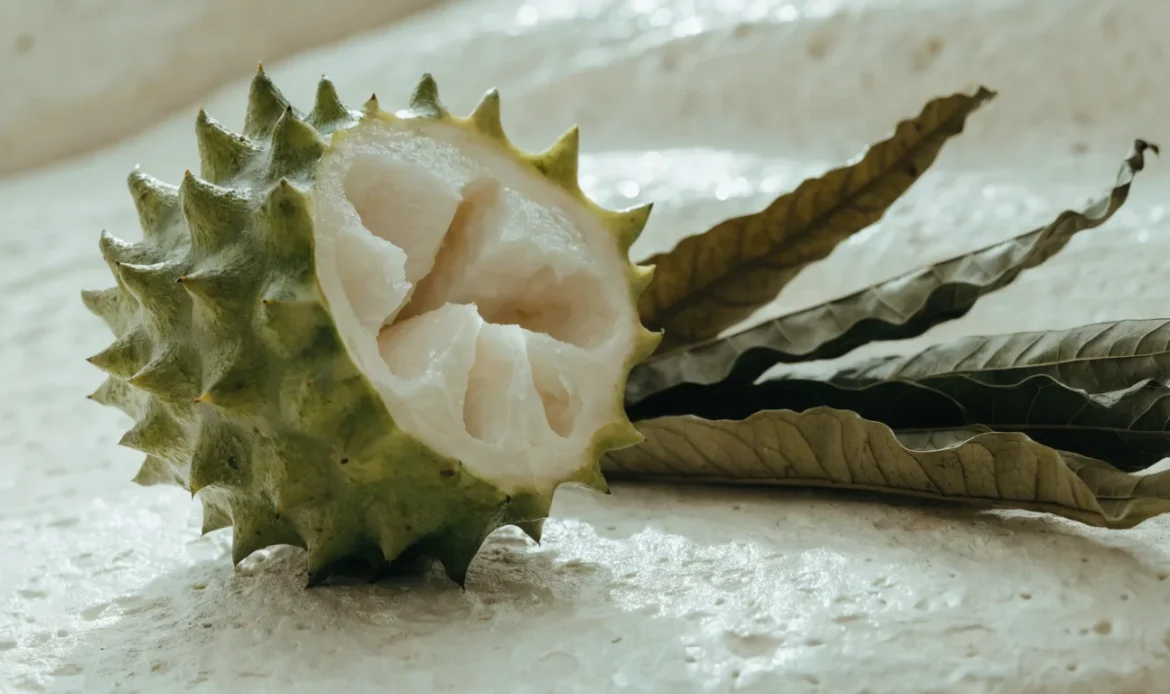
Short answer first: Dried graviola leaves are the dried leaves of the graviola tree (Annona muricata), also called soursop. People buy them as whole or cut dried leaves for tea, cooking, and cultural uses. They are not the same as sea moss, and they are sold and handled like other dried culinary herbs. Below you will find clear notes on identification, uses, buying tips, storage, preparation, and safety checks so you can decide what to do next.
What are graviola leaves?
- Botanical name: Annona muricata. Common names include graviola and soursop.
- Form sold: Fresh leaves are dried and offered whole, broken, or in cut/sifted form.
- Texture and smell: When dried, leaves are brittle and light. They have a mild, leafy scent.
- Uses by buyers: Mostly brewed as an infusion (herbal tea), used in some cooked recipes, or kept for cultural and ceremonial uses.
Note: this guide describes the dried leaves themselves and how to treat them safely. It does not make claims that dried graviola leaves cure or prevent any disease. If you see health claims online, treat them with caution and ask for clinical evidence.
How to identify genuine dried graviola leaves
Look for clear labeling and obvious physical traits.
- Labeling: The package should show the botanical name (Annona muricata). If it lists only a common name, ask the seller for the Latin name.
- Appearance: Whole leaves are oval to oblong with a pointed tip. Dried leaves turn a darker olive to brown-green. Powdered or finely cut leaf looks like other dried herb powders.
- Smell: A mild, green aroma. If the scent is chemical, overly sweet, or off, do not use it.
- Packaging: Expect breathable paper bags, sealed plastic pouches, or jars. Packaging should protect from moisture.
- Supplier information: Look for clear producer or supplier names, batch numbers, and contact details. If none are present, ask before buying.
What you cannot learn from sight alone: specific harvest date, pesticide testing, or the exact place of growth. Ask the seller for those details if they matter to you.
How dried graviola leaves are made (simple overview)
- Harvest: Leaves are picked from the graviola (soursop) tree.
- Washing: Leaves are usually rinsed to remove visible dirt.
- Drying: Common methods include air-drying in shade, low-temperature drying, or mechanical drying. Drying reduces moisture to prevent spoilage.
- Sorting and packing: Leaves are sorted for stems and debris, then packed. Some sellers cut or crush leaves before packing.
Different drying methods change color and aroma. Low-temperature drying keeps more of the fresh leaf character. High heat can make leaves darker and more brittle.
Culinary uses and simple recipes
Dried graviola leaves are mild and work well in warm infusions and light cooking. They are most commonly used as a tea. Here are a few easy ideas.
Basic graviola leaf tea (infusion)
- Use 1–2 whole dried leaves per cup of hot water.
- Pour hot water (not necessarily boiling) over the leaves.
- Steep 5–10 minutes, then strain.
- Serve hot or cooled. You may add a slice of citrus, a little honey, or another tea for flavor.
Cold infusion (iced)
- Place 3–4 leaves in a jar.
- Cover with cold water and refrigerate 4–8 hours.
- Strain and pour over ice.
Cooking note
- Use small amounts when cooking. Add leaves to soups or stews for mild leafy aroma. Remove whole leaves before serving, as you would bay leaves.
Flavor pairing
- Citrus, ginger, mild honey, and plain black or green tea pair well. The leaf is not very bitter when used modestly.
Storage tip for culinary use
- Keep in a cool, dry, dark place. Use airtight containers to protect aroma and prevent moisture.
Cultural context and traditional uses
Graviola (soursop) is a tropical tree grown across the Caribbean, Central/South America, West Africa, and parts of Asia. People in many of these places have used leaves for generations in traditional practices, ceremonies, and household herbal infusions.
What to know:
- Traditional use does not equal proven medical benefit. Many cultures use leaves as part of ritual or daily beverages.
- Descriptions of “traditional use” are helpful for cultural context. They are not medical proof.
If cultural context matters to your purchase (for gifts, events, or personal practice), ask sellers about origin stories and traditional preparation methods. They may share recipes and handling tips.
How to buy dried graviola leaves: what to check
Buying dried herbs safely requires practical checks. You cannot tell everything from a picture. Use the checklist below when evaluating a supplier or product.
Buying checklist (use as a quick guide)
| Check | Why it matters | What to do |
|---|---|---|
| Botanical name (Annona muricata) | Ensures you are buying the right plant | Look for Latin name on label or ask seller |
| Packaging date or batch number | Older products may have lost aroma or quality | Ask for harvest or pack date |
| Appearance photos and description | Shows leaf form and cut size | Request photos if unsure |
| Supplier contact info | Needed for follow-up questions or returns | Prefer sellers with clear contact details |
| Origin and handling details | Helps assess climate, harvesting, and drying methods | Ask: where grown, how dried, any post-harvest washing |
| Test or claims for contaminants | For buyers worried about residues | Ask if pesticides or heavy metal testing was done |
| Return policy | Protects you if product arrives poor | Choose vendors with returns or refunds |
| Price per weight | Lets you compare true cost | Calculate price per ounce or gram |
| Packaging type | Affects shelf life and storage | Prefer sealed, moisture-proof packaging |
| Reviews or testimonials | Shows past buyer experience | Read multiple reviews; focus on recent ones |
Do not accept vague answers. If a seller cannot provide basic details like botanical name or packaging date, consider other options.
How to store dried graviola leaves
Good storage keeps leaves fragrant and dry.
- Keep them in an airtight container. Mason jars or sealed pouches work well.
- Store in a cool, dark spot away from direct sun and heat.
- Avoid moisture—if leaves get damp, they can grow mold. Discard any damp batch.
- For long storage, keep in small batches so you open the main supply less often.
Do not invent shelf-life numbers. Ask your supplier for a recommended best-by date. If none is given, judge by appearance and smell. If the leaves smell musty, off, or show any sign of mold, discard them.
How to prepare dried graviola leaves safely
- Use clean utensils and fresh water.
- Start with low to moderate steep times. Over-steeping can produce stronger flavors that some people dislike.
- If you plan to cook with the leaves, add them early and remove whole leaves before serving. They are typically not eaten as a leaf.
Special note for pregnant or nursing people and people on medications:
- Some plants contain bioactive compounds that can interact with medicines or have effects during pregnancy. If you are pregnant, nursing, or taking medications, ask a healthcare professional before using dried graviola leaves.
Do not assume herbal products are automatically safe. When in doubt, check with a qualified professional.
Safety, contamination, and limits of what we know
Be clear about what the available information can and cannot show.
- What you can check: packaging, supplier transparency, visual mold, smell, and basic handling practices. These checks help you avoid low-quality or contaminated products.
- What you cannot confirm by sight: pesticide residues, heavy metals, or microbial contamination. Only laboratory testing can determine those. Ask sellers if testing is available.
- Research and claims: Online vendors or social posts sometimes claim health benefits. Those claims may not be supported by clinical trials. Treat them carefully and ask for evidence.
Distinguishing dried graviola leaves from sea moss
- Dried graviola leaves come from a terrestrial tree (Annona muricata). Sea moss is a marine algae product. They are entirely different materials and are used differently. If a listing mixes terms or implies sea moss content, ask the seller for clarification. For context on seaweed and sea moss safety issues like iodine, see references from nutrition and food safety authorities. These sources explain how seaweed products can introduce high levels of certain minerals and the importance of testing. See References. (Note: graviola leaves are not a seaweed and do not carry the specific seaweed iodine issues, but both are herbal products where supplier transparency matters.)
Regulatory and testing notes (general)
- Some jurisdictions require testing for contaminants in herbal products. Others do not. Ask the seller which rules apply to their product and whether they followed them.
- If a seller offers test results, review the lab name, date, and what was measured. Independent third-party tests are more trustworthy than unverified claims.
How to evaluate claims and marketing
When you see product pages, watch for these red flags:
- Broad medical claims like “cures,” “prevents,” or “treats” should be treated as unproven unless backed by clinical research and regulatory approvals.
- Lack of botanical name or supplier details.
- Promises of guaranteed effects without references to reliable studies.
- Heavy reliance on testimonials rather than transparent product details.
Good signs:
- Clear botanical name.
- Clear photos of the product.
- Supplier contact info and reasonable return policy.
- Willingness to share harvest or processing information.
Practical decision guide: When to buy dried graviola leaves
- Buy if:
- You want a culinary or ceremonial dried leaf and the seller is transparent.
- You have easy access to supplier information and a return policy.
- You will store it properly and use it within a practical time.
- Don’t buy if:
- The product lacks a botanical name or supplier contact.
- Photos are missing or the scent/appearance in person seems off.
- You need verified contaminant testing and the seller cannot provide it.
If you need certified lab testing or organic certification, be prepared that many small herb sellers cannot supply those documents. Decide how important testing is for your use.
Checklist: questions to ask a seller before buying
- What is the botanical name (Latin) of this product?
- When were the leaves harvested and packed?
- Where were they grown? (Country and region)
- How were the leaves dried? (air-dried, shade-dried, mechanical)
- Were any pesticides or chemical treatments used? Are test results available?
- Do you have a return or refund policy?
- Can you send more photos or a small sample?
- How should I store the leaves after opening?
Write down the answers. If the seller hesitates or cannot answer several of these, consider another supplier.
Pricing and quantity tips
- Compare the price per weight across sellers. Some listings show a low unit price but include less leaf by volume.
- Watch shipping costs for small orders; they can raise the final price.
- For frequent use, buying a larger quantity may be economical—but only if you can store it properly and it will stay fresh.
Next steps and decision help
If you want to try dried graviola leaves:
- Start with a small amount to check aroma and flavor.
- Buy from a seller who answers questions about origin and handling.
- Use the checklist above when comparing options.
If you are researching for a shop or larger purchase:
- Ask sellers for batch information and any test results.
- Consider ordering a sample before committing to a larger quantity.
- If you plan to resell in quantity, ask about wholesale options and return policies.
For other botanical products, or to compare with sea and other botanicals, see our Caribbean botanicals collection and learning pages:
- Browse our Caribbean botanicals: /shop/caribbean-botanicals/
- See general shop options: /shop/
- Learn more about herbs and handling: /learn/
- For wholesale inquiries: /wholesale/
- Contact us with product questions: /contact/
- Return to the home page: /
Conclusion
Dried graviola leaves are a simple, traditional botanical product. They are used most often for infusions and light cooking. Good buying comes down to clear labeling, supplier transparency, and sensible storage. You can check appearance, smell, packaging, and seller information yourself. What you cannot check without testing are residues or contaminants, so ask for lab results if that matters to you. Start small, ask direct questions of the seller, and store leaves in a dry, dark place. If you need lab-backed safety or medical advice about using herbs with medications or in pregnancy, consult a qualified professional.
Continue reading
Frequently asked questions
Are dried graviola leaves the same as soursop leaves?
Yes. Graviola is another name for soursop. The botanical name is Annona muricata. Sellers often use both names. Check labels for the Latin name to be sure.
Can I eat dried graviola leaves directly?
People usually brew the leaves as an infusion or use them briefly in cooking. They are not typically eaten like salad greens. Whole leaves are often removed before serving.
How long do dried graviola leaves last?
Shelf life depends on drying, packaging, and storage. A properly dried and sealed product stored in a cool, dry place can stay usable for many months. Ask your supplier for a pack date and best-by guidance.
Are there safety concerns with dried graviola leaves?
The main safety concerns come from contaminants like pesticides, heavy metals, or mold. Also, some herbal products interact with medications. If you are pregnant, nursing, or on medication, check with a healthcare professional before using any herbal product.
How are graviola leaves different from sea moss?
Graviola leaves are terrestrial plant leaves from a tree. Sea moss is a marine algae. They are different materials, used differently, and have different safety considerations. For seaweed-specific safety issues such as iodine content, see food-safety references in the References section.
References
- Harvard T.H. Chan School of Public Health, “Seaweed.” https://nutritionsource.hsph.harvard.edu/seaweed/
- Smyth PPA. “Iodine, Seaweed, and the Thyroid.” European Thyroid Journal, 2021. https://pmc.ncbi.nlm.nih.gov/articles/PMC8077470/
- Food Standards Australia New Zealand, “Survey of iodine levels in seaweed and seaweed containing products,” updated 2025. https://www.foodstandards.gov.au/science-data/monitoring-safety/surveyofiodinelevels
- Operation Supplement Safety, “Sea Moss in Dietary Supplements.” https://www.opss.org/article/sea-moss-dietary-supplements
- Blikra MJ et al. “Consequences of acute and long-term excessive iodine intake: A literature review focusing on seaweed as a potential dietary iodine source.” 2024. https://doi.org/10.1111/1541-4337.70037