
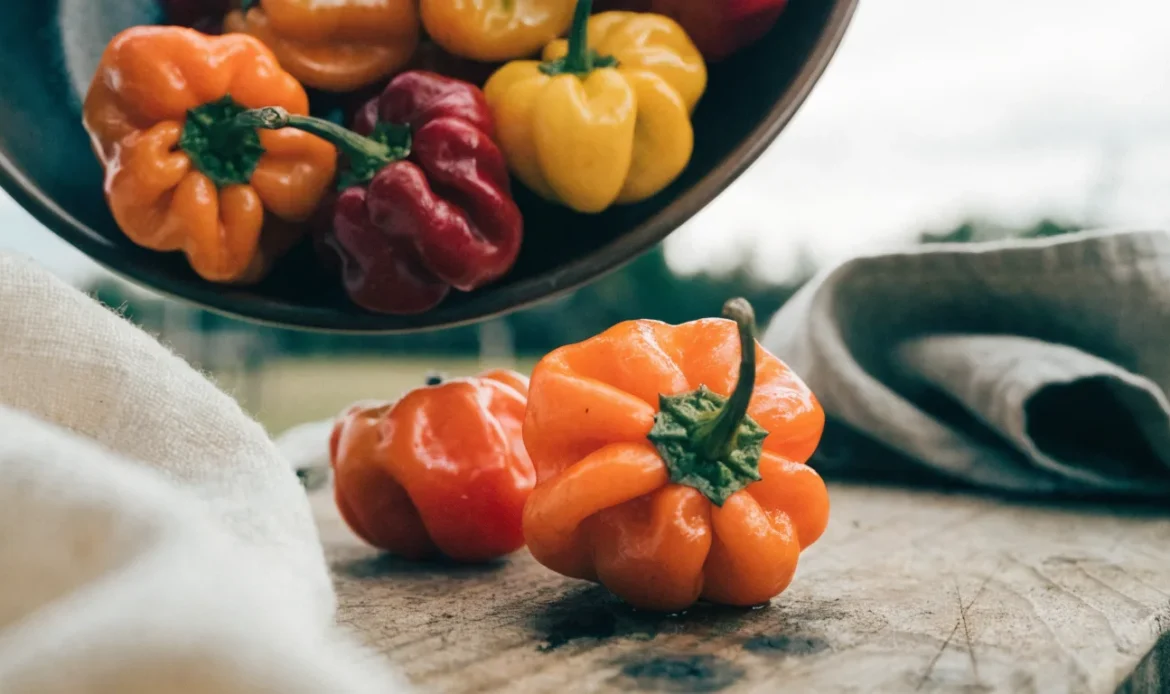
Short answer: Scotch bonnet peppers are a small, very aromatic Caribbean chili used fresh, dried, or ground. They are prized for fruity heat in many island dishes. You can buy them fresh at Caribbean markets or farmers’ stands, and in dried or powdered form from specialty spice sellers and online shops.
Why read this? You’ll learn how to tell formats apart (fresh, dried, dehydrated, powdered), how to dry and store peppers safely, what to check when buying, and how to choose the right form for cooking. This guide also explains how scotch bonnet peppers differ from sea moss and other products sold on Caribbean botanical pages.
What is a scotch bonnet pepper?
Scotch bonnet peppers are a variety of chili pepper closely related to habanero types. They are usually small, with a distinctive squashed, bonnet-like shape. In Caribbean kitchens they are used for sauces, stews, marinades, and pickles. The pepper is known for strong heat and a fruity, floral aroma that many cooks prefer.
Quick clarifications
- Scotch bonnet refers to the pepper, not to sea moss or other botanical products. If you are shopping at a botanical or sea moss page, check that the item labeled “scotch bonnet” is actually a pepper product and not mislabeled botanical material. For general differences between seaweed/sea moss and land plants or spices, see the references on seaweed and sea-based products. [See References]
Common formats and when to use each
H2: Fresh scotch bonnet peppers
- What they are: Whole, recently harvested peppers sold loose or in clamshells.
- Best use: Salsas, marinades, hot sauces made same-day, or recipes where a bright, fresh fruity heat is wanted.
- Buying notes: Look for firm peppers without deep soft spots. Color varies with ripeness and variety (green, yellow, orange, red).
- Short-term storage: Keep in a perforated bag in the refrigerator until used. Use within days to a week depending on freshness.
H2: Dried scotch bonnet pepper and dehydrated scotch bonnet pepper
- What they are: Fresh peppers dried to remove most moisture for longer shelf life. “Dried” and “dehydrated” are often used interchangeably; some sellers may use “dehydrated” to emphasize mechanical drying (oven or dehydrator).
- Best use: Long-term storage, powdered spices, flakes, or rehydrated in sauces. Dried peppers concentrate flavor and heat.
- Buying notes: Check packaging for no added fillers, and look for consistent color and whole pods that are flexible but not moldy.
H2: Powder and seasoning (scotch bonnet pepper seasoning)
- What it is: Ground dried peppers or blended spice mixes that include scotch bonnet as an ingredient.
- Best use: Rubs, blended sauces, seasoning blends. Powder is easy to measure and store.
- Buying notes: Labels should list only the ingredients included. Blends will have other spices; pure pepper powder will list just scotch bonnet (or “chili pepper”).
H2: Pickled or preserved peppers
- What they are: Fresh peppers preserved in vinegar or oil-based solutions.
- Best use: Topping bowls, sandwiches, or quick flavor boosts. Buying note: Choose reputable packers and check the ingredient list.
How to dry scotch bonnet peppers at home (safe, step-by-step)
Drying peppers concentrates flavor and makes storage easier. Use caution: capsaicin can irritate skin and eyes.
Materials:
- Fresh scotch bonnets
- Gloves and eye protection
- String and needle (for air-drying) or baking sheet for oven method or a food dehydrator
- Airtight jars for storage
Methods:
- Air-dry (traditional, for dry climates)
- Wear gloves. String whole peppers through stems and hang in a warm, well-ventilated, low-humidity spot out of direct sunlight.
- Check regularly for mold. Remove any bad pods.
- This is slow but uses no equipment.
- Dehydrator
- Wear gloves and halve or leave whole depending on size.
- Use a food dehydrator per the manufacturer’s instructions. Dry until brittle.
- This is efficient and consistent.
- Oven method
- Wear gloves. Split peppers to speed drying and place on a baking sheet.
- Use the oven’s lowest setting and prop the door open slightly for airflow. Check often to avoid burning.
- Faster than air-dry but needs more attention.
Safety tips during drying:
- Always wear gloves when cutting or handling hot peppers.
- Avoid touching eyes or face after handling.
- Work in a ventilated area, especially when splitting many pods—the fumes can irritate.
- Discard any peppers with mold.
Note: When labeling and storing, mark the date and method used. Store fully dry peppers in airtight jars away from light.
How to rehydrate and use dried peppers
- Rehydration: Soak whole dried peppers in warm water for 15–30 minutes until soft. Remove stems and seeds if desired. Use the soaking liquid sparingly; it can be strong.
- Grinding: Grind dried peppers in a spice grinder or mortar and pestle. Sift if you need a fine powder.
- Infusing oils and sauces: Heat whole dried pods gently in oil to flavor the oil. Do not overheat; capsaicin can burn.
Safety and handling: simple rules
- Always use gloves and wash hands thoroughly after handling peppers.
- Avoid touching eyes or sensitive skin until hands are washed.
- Keep peppers away from children and pets.
- When cooking, add peppers gradually and taste as you go. A small amount can be very hot.
- If you experience skin burning, rinse the area with soap and cool water. For eye exposure, flush with plenty of water and seek medical help if irritation is severe.
Where can I buy scotch bonnet peppers? (practical buying guide)
Common places to look:
- Local Caribbean or West African grocery stores: These often carry fresh and pickled peppers.
- Farmers’ markets: Small-scale growers sometimes sell fresh scotch bonnets in season.
- Specialty spice shops and online retailers: Good for dried, powdered, and seasoned forms.
- Online marketplaces: Offer many forms; read seller descriptions and reviews carefully.
- Plant nurseries: If you want to grow your own, check local nurseries for pepper seedlings.
- Wholesale suppliers: If you need bulk quantities, consider business-to-business suppliers and wholesale listings.
What to check when buying (short checklist)
- Product format: fresh, dried, powdered, pickled, or preserved.
- Ingredient list: especially for powdered mixes or seasonings.
- Smell and appearance (for fresh): firm fruit, ripe color, no rot.
- Packaging and sealing (for dried/powder): intact, airtight where possible.
- Seller reputation: reviews, contact info, and return policies.
- Intended use: food vs. seed/planting vs. ornament.
For small or first-time purchases, favor sellers that provide clear photos and ingredient lists. If you are shopping online, check shipping times and how fresh items are packed.
Format decision guide: which scotch bonnet form should you choose?
| Your goal | Best format | Why |
|---|---|---|
| Bright, fresh flavor in salsas and sauces | Fresh scotch bonnet peppers | Fresh gives aromatic fruity notes not matched by dried forms |
| Easy long-term storage or pantry spice | Dried scotch bonnet peppers or powder | Dry forms store longer and are easy to grind |
| Quick measuring and even distribution | Powder or seasoning | Powder mixes easily into rubs and sauces |
| Mild, controlled heat | Use small amount or remove seeds | Seeds and membranes hold much of the heat; remove for milder flavor |
| Gift or sampler | Pickled peppers or small jars of powder | Ready-to-use and shelf-stable |
Use this guide to match the format to your needs. If you are unsure, buy a small amount first to test how you use the pepper in your kitchen.
Practical checklist — Buying and preparing scotch bonnet peppers
Before buying:
- Decide format: fresh, dried, or powdered.
- Check seller’s photos and read labels.
- Confirm shipping or pickup conditions for fresh items.
At purchase:
- Inspect fresh peppers: firm, intact skin, bright color.
- For packaged goods: check seal and expiry or pack date if listed.
Preparing:
- Always wear gloves.
- Use a sharp knife; cut away from you.
- Remove stems and seeds if desired.
- Ventilate the kitchen when cooking many peppers.
Storing:
- Fresh: short-term in fridge in a perforated bag.
- Dried/powder: airtight container kept in a cool, dark cupboard.
- Label with date and form.
Cooking:
- Start small and add more to taste.
- Remember rehydrated dried peppers can be intense.
Disposal:
- Compost scraps if safe to do so; keep out of reach of animals that may be sensitive to heat.
Culinary notes and simple uses
- Whole fresh scotch bonnets: add to stews, hot sauces, and marinades. Pierce or halve before cooking to release flavor.
- Dried scotch bonnet: grind to make chili powder or rehydrate to blend into sauces.
- Pickled scotch bonnet: slice as a condiment for sandwiches and bowls.
- Blending: combine scotch bonnet with garlic, citrus, vinegar, and oil for a simple hot sauce base.
Cooking tip: If you want flavor with less searing heat, remove most seeds and white membranes. Keep a small piece of pod for aroma, and add more if you need heat.
Cultural context
Scotch bonnet peppers are an integral part of many Caribbean cuisines. They are used in traditional sauces, soups, and meat dishes. Their fruity aroma is often as important as their heat level in island recipes. When using scotch bonnet in dishes inspired by Caribbean cuisine, balance the pepper with citrus, herbs, and coconut-based ingredients for a more authentic flavor profile.
How scotch bonnet peppers relate to sea moss and botanical listings
If you are browsing a Caribbean botanicals shop, you may see sea moss and scotch bonnet pepper products in the same category. Remember:
- Scotch bonnet peppers are a land-grown fruit (a chili).
- Sea moss is a seaweed and a different botanical category entirely. Seaweed products can have specific nutrient considerations, such as iodine content, which are unrelated to peppers. For general background on seaweed and product caution, see the references. (See References.)
Useful next steps
- If you want to try a small amount first, look for single jars or small packages at Shop.
- If you plan to use peppers for a business or large catering, learn about bulk options via Wholesale.
- For questions about product details or sourcing, contact our team: Contact.
- Explore related botanical products in our Caribbean section: Caribbean Botanicals.
- For general learning about botanical product categories and how sea-grown products differ, see our learning hub: Learn.
Conclusion
Scotch bonnet peppers add bright, fruity heat to many Caribbean dishes. Choose the format (fresh, dried, or powdered) that fits your cooking style and storage needs. Handle them carefully—wear gloves and work in a ventilated space. If you are buying, inspect labels and seller information, and start with a small amount if you are new to this pepper. For bulk or specialty needs, use wholesale or specialty spice suppliers and contact sellers for details.
If you want product recommendations for cooking or for adding to your pantry, visit our Caribbean botanicals page: Caribbean Botanicals (/shop/caribbean-botanicals/). For direct purchases, see the main shop: Shop (/shop/). For wholesale inquiries, visit Wholesale (/wholesale/). For questions, Contact (/contact/).
Frequently asked questions
Where can I buy fresh scotch bonnet peppers?
Check Caribbean grocery stores, farmers’ markets, and local specialty produce vendors. When buying online, look for sellers that state how items are packed for shipping. If you need bulk amounts, contact wholesale suppliers. See our Caribbean botanicals shop for related items: Caribbean Botanicals (/shop/caribbean-botanicals/).
Are scotch bonnet and habanero the same?
They are closely related and have similar heat ranges. The scotch bonnet has a distinctive shape and a fruity aroma that many cooks note as different from some habanero types.
How do I dry scotch bonnet peppers at home?
You can air-dry by stringing pods or use a dehydrator or low-heat oven. Always use gloves and dry until pods are brittle. See the drying steps above and use a ventilated workspace.
Can I grow scotch bonnet peppers myself?
Yes. Many gardeners grow them in pots or garden beds. Look for seedlings at nurseries or purchase seeds from reputable seed companies. Growing advice depends on your climate and season.
How should I store dried or powdered scotch bonnet?
Keep in airtight containers away from light and heat. Label with the purchase or packing date. Properly dried and stored powders and whole dried pods keep best in a cool, dry place.
Is buying dried scotch bonnet pepper the same as buying dehydrated or powdered?
Not exactly. “Dried” or “dehydrated” usually refers to whole pods with moisture removed. “Powdered” indicates the pods were ground. Each format suits different uses: whole dried for rehydration and infusing; powder for direct seasoning.
References
- Harvard T.H. Chan School of Public Health, “Seaweed.” https://nutritionsource.hsph.harvard.edu/seaweed/
- Operation Supplement Safety, “Sea Moss in Dietary Supplements.” https://www.opss.org/article/sea-moss-dietary-supplements
- Blikra MJ et al. “Consequences of acute and long-term excessive iodine intake: A literature review focusing on seaweed as a potential dietary iodine source.” 2024. https://doi.org/10.1111/1541-4337.70037
- Smyth PPA. “Iodine, Seaweed, and the Thyroid.” European Thyroid Journal, 2021. https://pmc.ncbi.nlm.nih.gov/articles/PMC8077470/