
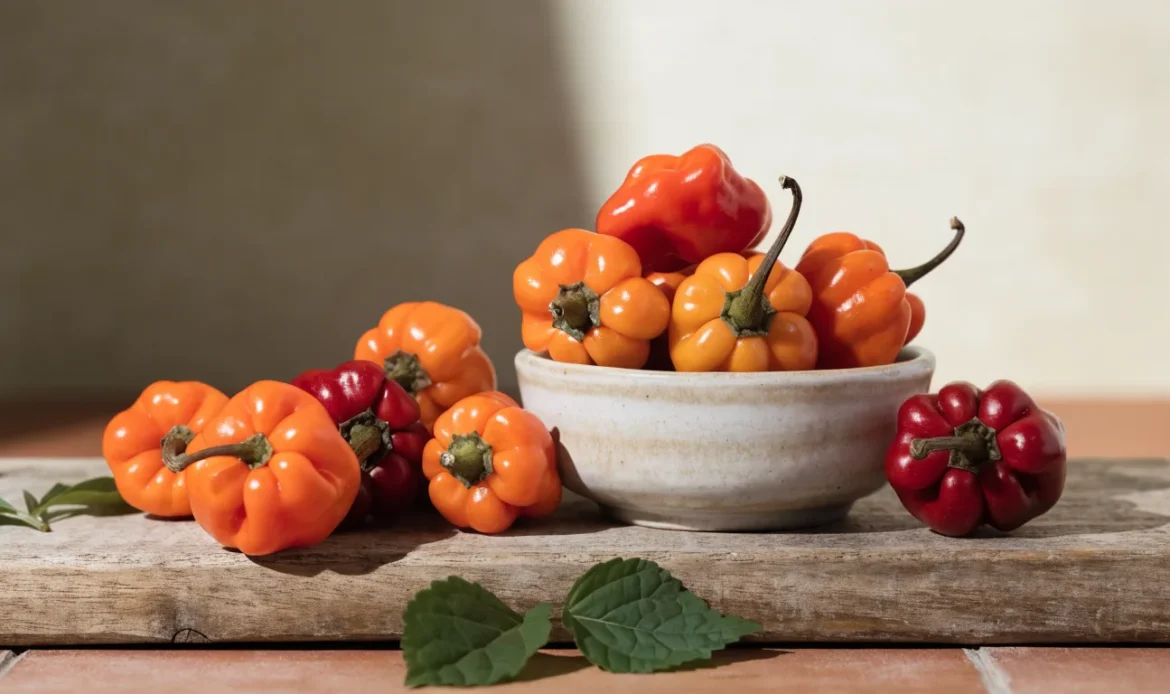
Short answer: You can buy scotch bonnet peppers at local Caribbean or international grocery stores, farmers markets, specialty spice shops, and many online retailers. Choose fresh, frozen, dried, powdered, or seed forms depending on use. Read labels, check seller details, and pick the form that fits your cooking or wholesale needs.
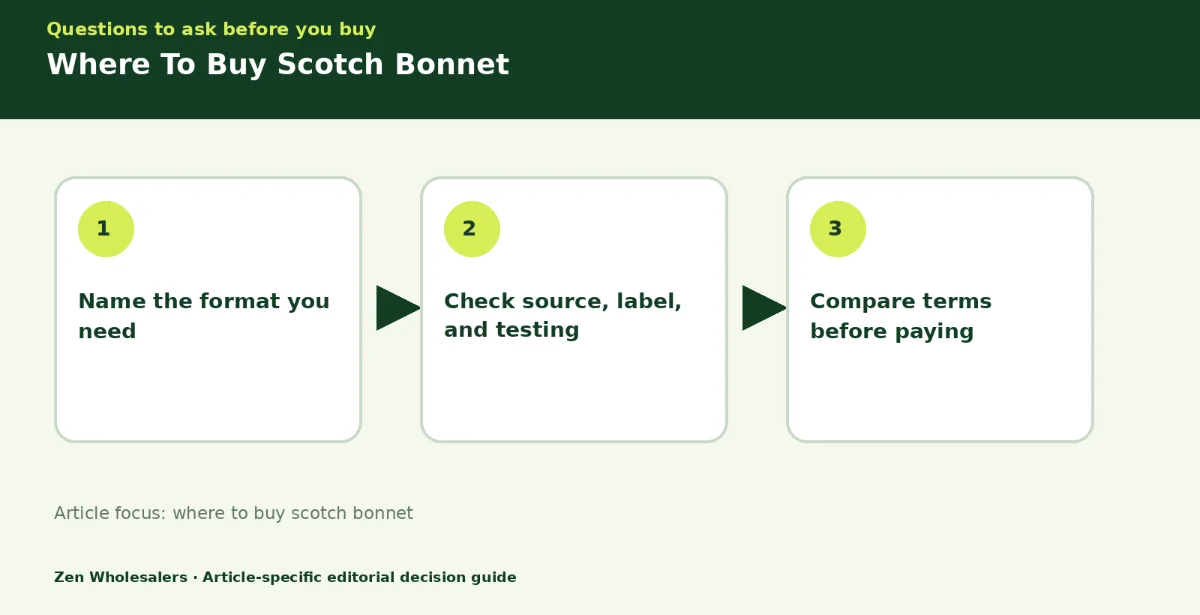
Why this guide
- You want a clear path to buy scotch bonnet peppers.
- You also want to know what to check on a product page or at a market.
- This article gives practical buying steps, a decision guide, and safety and storage tips.
How to read this page
- Quick answer at top.
- Sections that explain where to look, what to check, and how to decide.
- A checklist and a comparison guide to help pick the right seller and form.
What “scotch bonnet” means (short)
Scotch bonnet is a type of hot pepper in the Capsicum chinense family. It looks somewhat squashed or bonnet-shaped and is a main heat and flavor source in many Caribbean dishes. It is different from sea moss or seaweed; if you search for sea moss on a site that sells both, don’t confuse the categories. Seaweed and sea moss are marine plants; peppers are fruits from pepper plants. (See References for notes about seaweed and sea moss.)
Where to buy scotch bonnet — main options
Below are the most common places buyers find scotch bonnet peppers. Each option suits different needs: quick cooking, recipe testing, long-term storage, or buying large volumes.
1. Local Caribbean and international grocery stores
Why go there
- You can see fresh peppers in person.
- Staff may know Caribbean brands and typical uses.
What to check
- Freshness: bright color, firm skin, intact stems.
- Smell: a fresh, peppery aroma (no rot).
- Packaging labels for dried or bottled forms.
Good for
- Home cooks who want fresh peppers or small packaged items.
2. Farmers markets and local growers
Why go there
- Seasonal and local varieties may appear.
- You can ask growers about cultivation and handling.
What to check
- Ask about harvest date, whether peppers were sprayed, and how they were stored.
- For dried or preserved goods, ask about drying methods and shelf practices.
Good for
- Buyers who want traceability and to support local farms.
3. Specialty spice shops and ethnic food stores
Why go there
- They often carry dried, powdered, or pickled scotch bonnet products.
- Staff can suggest substitution ratios and uses.
What to check
- Packaging date, country of origin, and whether the product is blended.
Good for
- Shoppers who need small amounts of dried or ground peppers.
4. Online retailers and specialty e‑commerce shops
Why go there
- Wide selection: fresh, frozen, dried, powder, paste, seeds.
- Good for hard-to-find forms or out-of-season needs.
What to check
- Seller ratings, shipping methods (cold pack for fresh/frozen), return policy.
- Product photos, ingredient lists, and origin claims.
Good for
- People who need specific forms, seeds, or bulk that are not available locally.
5. Wholesale suppliers and bulk distributors
Why go there
- They handle larger orders for restaurants, caterers, and retailers.
What to check
- Minimum order sizes, shipping lead time, packing standards, and food-safety documentation.
Good for
- Businesses and large-volume buyers.
6. Grow your own from seeds
Why try it
- Control over harvest timing and fresh supply.
What to check
- Seed variety label (true scotch bonnet vs similar Capsicum chinense types).
- Germination and local growing recommendations.
Good for
- Home gardeners and small farms.
Forms you can buy and when to pick each
Different forms fit different needs. Below are common forms and simple guidance.
- Fresh scotch bonnet: Best when you want the bright aroma and fresh pepper texture. Use within a few days to a week refrigerated.
- Frozen: Good when fresh is out of season. Freezing keeps much of the flavor.
- Dried (whole or flakes): Good for longer storage and pantry use. Rehydrate if needed.
- Powder: Easy to measure; good for rubs and spice blends. Check for added salt or fillers.
- Paste or sauce: Ready to use in cooking and marinades. Read labels for added oils, vinegar, or preservatives.
- Seeds: For gardening or to grow your own plants.
Avoid assuming a form is identical in flavor to fresh. Drying and processing change aroma and intensity.
How to check product pages and labels (online or packaged)
When you shop online or buy packaged peppers, look for these items on the product page or label.
- Form and state: fresh, frozen, dried, powder, paste, or seeds.
- Net weight or count and pack size.
- Storage and shipping instructions (e.g., “Keep refrigerated,” “Ships frozen”).
- Ingredient list (for sauces or mixes).
- Country or region of origin (if stated).
- Packaging date or best‑by date.
- Seller details and customer reviews.
- Return policy or freshness guarantee.
- Photos that match the product description.
If origin or handling details are missing and that is important to you, ask the seller before you buy.
What you can check in person
When you shop face-to-face, inspect peppers quickly and safely:
- Color and firmness: peppers should be bright and firm, not soft or leaking.
- Stem: intact stems often mean fresher harvest.
- Smell: a fresh pepper aroma. Avoid musty or sour scents.
- Signs of mold, bruising, or sliminess — don’t buy those.
- For dried goods: look for even color and no signs of moisture in the package.
Safety and handling basics
Basic handling helps protect you and your food:
- Wear gloves when cutting very hot peppers. Capsaicin can irritate skin and eyes.
- Avoid touching your face, especially eyes and mucous membranes.
- Wash cutting boards, knives, and hands well after use.
- For sauces and pastes, follow storage instructions on the label.
This is practical safety, not medical advice. If you have severe reactions to peppers, seek medical guidance.
Storage basics (general guidance)
- Fresh peppers: keep in the fridge in a produce drawer. Use within days to a week when possible.
- Frozen peppers: keep frozen and use directly from frozen or thaw in the fridge.
- Dried powders and whole dried peppers: store in a cool, dry, dark place in airtight containers.
- Paste and sauce: follow label directions for refrigeration after opening.
Avoid making numerical shelf-life promises without checking the product label.
How to choose between fresh, dried, or powdered for cooking
Short guide
- Fresh: best for salsas, marinades, and dishes where texture and fresh aroma matter.
- Frozen: good substitute for fresh in cooked dishes.
- Dried/flake: good for slow-cooked dishes and long storage.
- Powder: convenient for rubs and blends; read the label for purity.
- Paste/sauce: quick to use in recipes that need the pepper’s flavor without chopping.
Bulk buying and wholesale — what to ask a supplier
If you plan to buy a lot, ask the supplier these questions before committing:
- Minimum and maximum order sizes.
- Packing and shipping methods, especially for perishable goods.
- Lead time and seasonal availability.
- Handling standards and cold chain practices (for fresh/frozen).
- Traceability or origin information.
- Any food-safety certifications or documentation they can provide.
If you are a business, see our wholesale information to start a conversation: Wholesale inquiries (/wholesale/).
How to spot misleading or missing claims
Some product pages use vague words. Here are common vague claims and what to ask:
- “Caribbean style” — ask for the specific origin or producer if that matters.
- “Hot” — ask for relative heat or customer reviews describing intensity.
- “All natural” — ask for ingredient list to confirm no additives.
- No origin listed — ask the seller where the peppers were grown.
- No storage/shipping instructions — ask how the product will arrive and how to store it.
If a seller can’t answer basic questions about origin or handling, consider another seller.
Decision guide: Which buying route fits you?
Use this quick decision table to pick where to buy based on common buyer needs.
| Your need | Best buying route | What to check |
|---|---|---|
| I need a single fresh pepper for tonight | Local Caribbean grocer or farmers market | Freshness, smell, stem; store in fridge |
| I cook a Caribbean weekly meal and want fresh peppers | Local stores or online fresh/frozen sellers | Shipping method, photos, reviews |
| I want peppers off-season or a specialty variety | Online specialty retailers or seeds | Shipping (cold pack), variety name |
| I need dried or powdered for pantry use | Specialty spice shops or online spice sellers | Ingredient list, packaging date |
| I run a restaurant and need steady supply | Wholesale suppliers | Lead time, packing, cold chain, traceability |
| I want to grow peppers myself | Seed sellers or garden centers | Variety name, germination tips |
This table avoids brand claims and focuses on practical checks.
Practical checklist — what to check before you buy (printable)
- [ ] Form needed: fresh / frozen / dried / powder / paste / seeds
- [ ] Seller type: local store / market / specialty shop / online retailer / wholesaler
- [ ] Product photos and description match (when online)
- [ ] Storage and shipping method listed (for perishable goods)
- [ ] Ingredient list for blended products
- [ ] Country or region of origin stated or ask seller if missing
- [ ] Packaging or production date available, if important to you
- [ ] Customer reviews and seller rating checked
- [ ] Return or freshness guarantee noted
- [ ] For bulk: ask about minimums, lead time, packing, and food-safety docs
- [ ] If growing: seed variety name and germination instructions checked
Use this checklist to compare two or three sellers before you buy.
Culinary and cultural context (short, factual)
Scotch bonnet peppers are a common ingredient in Caribbean cooking. They contribute heat and a fruity, bright pepper flavor to dishes like stews, sauces, and marinades. In Caribbean food culture, peppers are used fresh, in sauces, and in preserves. Many Caribbean cooks pair the pepper with lime, garlic, onions, and local herbs for signature flavor profiles.
Distinguishing peppers from sea moss and seaweed products
Some shoppers find both peppers and sea moss on the same retail pages. These are different product categories:
- Peppers are fruits from land plants (Capsicum species). They are used in cooking as spices and vegetables.
- Sea moss and seaweed are marine plants or algae. They are sold as dried seaweed, gels, or supplements and may have different storage and labeling needs.
If you are shopping for scotch bonnet, make sure you are in a botanical or spice category—not a seaweed or supplements section. Note: seaweed and sea moss products can contain significant iodine. If you read labels about iodine or food-safety for seaweed, consult reliable sources for details. (See References.)
When nutrition, contamination, or safety questions come up
This guide does not make nutrition claims for scotch bonnet. If you find products labeled as health supplements, read the label carefully and check for third-party testing or certification where applicable.
Seaweed and sea moss products sometimes carry warnings about iodine and labeling (see References). That is a separate concern from buying peppers. If a site sells both, don’t assume the safety profile for one applies to the other.
Next steps and useful links
- Browse Caribbean botanicals to see related pantry items: Caribbean botanicals collection
- Explore our general shop for related products and gift ideas: Shop all products
- If you are buying for a business, start with wholesale info: Wholesale inquiries
- Need to talk to customer care or ask about a product? Reach out: Contact us
Conclusion
Where to buy scotch bonnet depends on what you need and when you need it. For immediate cooking, local Caribbean grocers and farmers markets are best. For out-of-season needs or specific varieties, look to specialty online sellers or seeds. For larger quantities, contact wholesalers and ask clear questions about packing and shipping. Use the checklist and decision table in this guide to compare sellers. Always check labels, ask for origin and handling details if they matter to you, and handle peppers safely when preparing them.
Frequently asked questions
Is scotch bonnet the same as habanero?
They are different varieties but both belong to the Capsicum chinense group. They share similar heat and flavor notes. Labels or seed packets should show the exact variety if that matters.
Can I buy fresh scotch bonnet online?
Yes. Many online retailers sell fresh or frozen scotch bonnet, but check shipping details and whether cold packs or frozen shipping are used. If a seller does not list shipping conditions for perishables, ask before buying.
How do I know if a dried or powdered product is pure scotch bonnet?
Look at the ingredient list. If it lists only “scotch bonnet” or “scotch bonnet powder,” that suggests a single ingredient. If it lists blends, spices, or fillers, the product is mixed. When in doubt, ask the seller for details.
Where should restaurants buy large quantities?
Restaurants often work with wholesale produce distributors or specialty food importers. Ask suppliers about minimum order quantities, packing, and cold-chain handling for fresh peppers.
Are there certifications I should expect?
For food safety, some suppliers can provide documentation or certifications. Small packaged spice sellers may list quality claims on labels. Always read the seller’s product page and request documentation if you need it for regulatory or business reasons.
How can I avoid getting burned while handling scotch bonnet?
Use gloves, avoid touching your face, and wash utensils and hands thoroughly after contact. If you get pepper oil in your eyes, flush with water and seek medical attention if irritation persists.
References
- [1] Harvard T.H. Chan School of Public Health, “Seaweed.” https://nutritionsource.hsph.harvard.edu/seaweed/
- [2] Smyth PPA. “Iodine, Seaweed, and the Thyroid.” European Thyroid Journal, 2021. https://pmc.ncbi.nlm.nih.gov/articles/PMC8077470/
- [3] Food Standards Australia New Zealand, “Survey of iodine levels in seaweed and seaweed containing products,” updated 2025. https://www.foodstandards.gov.au/science-data/monitoring-safety/surveyofiodinelevels
- [4] Operation Supplement Safety, “Sea Moss in Dietary Supplements.” https://www.opss.org/article/sea-moss-dietary-supplements
- [5] Blikra MJ et al. “Consequences of acute and long-term excessive iodine intake: A literature review focusing on seaweed as a potential dietary iodine source.” 2024. https://doi.org/10.1111/1541-4337.70037