
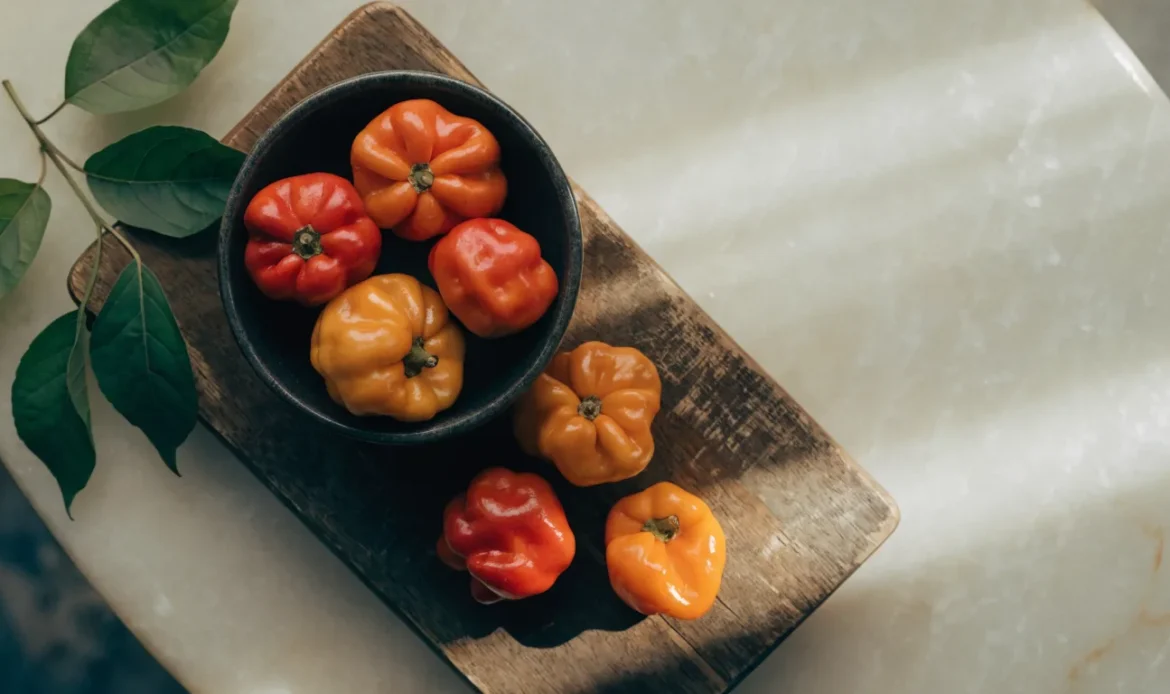
Short answer: A fresh scotch bonnet is a small, fruity, and very hot Caribbean chili pepper. Cooks use it to add bright heat and aroma to sauces, marinades, stews, and pickles. Handle it with care, buy firm peppers, and choose the format (fresh, dried, paste, or pickled) that fits your kitchen and plans.
Why this page: You will learn what a fresh scotch bonnet looks and tastes like, how to buy and store it, how to prepare it safely, and which format to pick for different needs. If you are buying for home use or for wholesale, this guide helps you make a clear next decision.
What is a scotch bonnet?
- Botanical family: Scotch bonnet is a variety within the Capsicum genus. It is closely related to the habanero group of peppers.
- Appearance: The fruit is small and often squashed-looking, sometimes described as bonnet-shaped. Color varies with ripeness.
- Flavor notes: Many cooks describe it as fruity, bright, and floral under the heat. That aroma is as important as the heat itself in many Caribbean recipes.
- Cultural role: Scotch bonnet peppers are central to Jamaican, Trinidadian, and wider Caribbean cooking. They form the base of jerk sauces, pepper sauces, and many stews.
Note: This article treats scotch bonnet as a culinary ingredient. It is separate from seaweeds or sea moss sold by sea-product vendors. If you are also researching sea moss, see the safety notes near the end of this article.
How scotch bonnet is used in Caribbean kitchens
Scotch bonnet is valued for both heat and aroma. Here are common uses:
- Pepper sauce: Blended with vinegar or citrus, salt, and aromatics. Used as a table condiment.
- Jerk marinades: Ground or puréed into marinades with allspice, garlic, thyme, and oil.
- Stews and soups: Added early or late depending on desired heat and aroma.
- Pickling: Preserved in vinegar or brine to extend use and reduce immediate heat.
- Rubs and pastes: Cooked briefly with oil and aromatics to make pastes that store in the fridge or freezer.
Practical note: When a recipe lists “fresh scotch bonnet,” it usually means fresh fruit, not dried flakes or paste. The aroma and some volatile flavors are different in fresh peppers than in other formats.
Choosing fresh scotch bonnet: what to look for
A few clear checks help you pick good peppers:
- Firmness: The pepper should feel firm and taut. Avoid soft spots or wrinkling.
- Skin: Look for glossy, intact skin. Small blemishes are common, but deep cuts or mold are not acceptable.
- Stem: If the stem is present, it should look green and not dried out.
- Color: Color varies by variety and ripeness. Bright color often signals ripeness and flavor intensity.
- Smell: Gently cup and inhale. Fresh peppers can have a faint fruity, floral scent. If the pepper smells off, pass on it.
- Size/shape: Size varies by cultivar and growing conditions. Shape differences do not alone predict heat or flavor.
What vendors should answer: Ask when the peppers were harvested and how they were packed. These questions help you understand freshness. If you are buying wholesale, ask about typical shipment timing and handling practices.
Safe handling and preparation
Scotch bonnet heat can irritate skin and eyes. Use safe steps every time.
- Wear gloves when cutting or handling many peppers.
- Avoid touching your face, eyes, or other sensitive areas.
- Work on a cutting board that is easy to wash. Clean knives and surfaces promptly.
- To reduce airborne irritation, cut peppers in a well-ventilated area.
- If you get pepper oil on your skin, wash with dish soap and water. Oil-based residues often come off better with soap than water alone.
- If pepper oil gets in your eyes, rinse with clean water and seek medical help if discomfort persists.
How to reduce heat in a pepper: Removing the white ribs (placenta) and seeds typically reduces some of the heat because these parts hold much of the pepper’s capsaicinoid oils. Cooking the pepper can also change the perception of heat and bring out sweeter or smoky notes. These are practical handling tips, not medical or therapeutic claims.
Preparing fresh scotch bonnet: step‑by‑step options
Simple chopped pepper (for cooking)
- Wash the pepper under cool running water.
- Dry on a clean towel.
- Remove stem.
- Slice open and remove ribs and seeds if you want less heat.
- Chop to the size the recipe calls for.
Basic pepper purée (for sauce)
- Wear gloves.
- Wash and stem peppers.
- Combine peppers with a splash of vinegar or citrus, salt, and a small amount of water.
- Blend until smooth.
- Store in a clean jar in the fridge or freeze in small portions.
Pickled peppers
- Fresh peppers may be placed in a sterilized jar with vinegar, salt, and aromatics. Pickling changes the flavor and extends use. Follow a tested pickling recipe for safe preservation.
Freezing tip
- Chopped or puréed peppers freeze well. Pack in airtight containers or ice-cube trays for small portions. Freezing affects texture but keeps flavor and heat for later use.
Fresh vs dried vs paste vs pickled — a decision table
Use this table to match your needs to the right format.
| Goal | Best format | Why |
|---|---|---|
| Immediate fresh aroma and bright heat | Fresh scotch bonnet | Fresh peppers give volatile floral notes that dry formats lack |
| Long storage, pantry-stable | Dried or flakes | Drying removes moisture so peppers last longer at room temperature |
| Quick, always-on hand condiment | Paste (oil or vinegar based) | Paste blends easily into sauces and marinades |
| Mild, shelf-stable, tangy flavor | Pickled | Pickling tames some heat and adds acidity and shelf life |
| Bulk use in production | Frozen purée or dried | Frozen or dried formats handle high-volume, consistent inclusion |
Decision guide: If you cook daily and want the classic flavor, choose fresh. If you need long shelf life and space, choose dried or paste. For small-scale retail or home use where safety and consistency matter, frozen purée or pickled peppers often work best.
Buying for different users: home cooks, small chefs, and wholesalers
- Home cooks: Buy fresh in small amounts. Plan to use within a few days. Freeze extra.
- Small restaurants and caterers: Ask suppliers about steady supply and packaging. Consider frozen purée or pickled product for consistent flavor.
- Wholesale buyers: Ask about harvest timing, cold chain handling, minimum order quantity, and sample policies. Request a sample lot before committing. Do not assume uniform heat; peppers naturally vary.
Questions to ask your supplier
- When were these peppers harvested?
- How were they packed and shipped?
- Can I get a sample batch?
- Do you offer frozen purée or bulk pickled options?
Avoid assuming: suppliers’ answers are the facts you can check. Do not rely on verbal claims about “superior heat” or fixed heat levels. Heat and flavor vary by cultivar, soil, and harvest timing.
Simple recipes and uses (no exact measures — adapt to taste)
Jerk-style marinade (home method)
- Blend scotch bonnet (deseeded if desired) with garlic, thyme, allspice, black pepper, oil, and a splash of acidic liquid (vinegar or citrus). Apply to meat, tofu, or vegetables. Marinate and cook as the recipe directs.
Quick pepper sauce
- Purée scotch bonnet with vinegar, salt, and a little onion or garlic. Taste and adjust acidity and salt. Store in the fridge or freeze in small portions.
Stew or soup addition
- Add a chopped scotch bonnet early for simmered heat and aroma. Add late for a brighter, fresher kick.
Pickled scotch bonnet
- Sterilize jars. Pack peppers with vinegar, salt, and aromatics. Follow tested food-safety pickling instructions.
Note: These are culinary templates. Adjust to your heat tolerance and food-safety practices.
Label reading and what it can (and cannot) tell you
Labels can help but have limits.
What labels can tell you:
- Format (fresh, dried, pickled, paste).
- Whether peppers were packed by the seller.
- Basic handling or storage advice on the package.
What labels cannot prove:
- Exact heat level or flavor profile across a whole batch.
- The precise harvest date or the conditions while growing (unless stated).
- That a pepper is identical to a home-grown or restaurant sample you liked.
Practical tip: For consistent results, request samples and document the supplier’s answers. Compare labels and notes across several batches.
A short decision checklist: Should you buy fresh scotch bonnet?
Use this checklist before purchase.
- Do I need fresh aroma and bright flavor? (Yes → buy fresh)
- Will I use these within a few days? (Yes → buy fresh)
- Do I need long shelf life or room-temperature storage? (Yes → buy dried or pickled)
- Am I buying for a business and need consistency? (Yes → request frozen purée or sample batches)
- Am I prepared to handle heat safely? (Yes → proceed; No → consider milder substitutes like sweet peppers or remove ribs/seeds)
- Do I need a large quantity regularly? (Yes → ask supplier about wholesale terms and sample protocols)
If most answers point to “No” for fresh needs, consider alternative formats or ask the supplier about regular shipments.
Common substitutes and when to use them
- Habanero: Closely related. Substitutes well in many recipes, though the aroma differs.
- Serrano or jalapeño: Milder and different flavor. Use if you want less heat but still a fresh pepper note.
- Dried crushed peppers or chili flakes: Use where you need consistent heat without fresh aroma.
Tip: When swapping peppers, start with less than a recipe calls for. Heat perception differs from pepper to pepper.
Sea moss note — clear separation from sea vegetables
Zen Wholesalers also lists Caribbean botanicals and sea products in our shop. Scotch bonnet is a chili pepper, not a seaweed or sea moss. If you are researching sea moss or seaweed, keep in mind:
- Seaweed and sea moss can be a source of dietary iodine. Iodine levels in seaweed products vary by species and processing. This can matter for people who need to watch iodine intake. See reputable resources for general information on seaweed iodine. [1][2][3][5]
- Sea moss products and supplements have prompted guidance from supplement safety organizations. If you are using sea moss as a food or supplement, review safety notices and check reliable sources. [4]
We include these notes so you know to treat peppers and sea products as different ingredient categories. If you want information about our sea-product lines, visit our learning pages or contact us. Links below point to those resources.
Storage and shelf‑care (practical, non‑specific)
Short-term (fresh)
- Keep peppers dry and cool in the fridge’s produce drawer. Use a breathable bag or container.
- Do not wash before storage; wash just before use to reduce moisture that speeds decay.
Long-term
- Freeze chopped peppers or purée for longer storage. Freeze in small portions for easy use.
- Dried or pickled peppers store differently; follow vendor guidance and standard food-safety practices.
Avoid specific shelf-life claims from sellers unless they supply documented storage tests. Natural produce lifespan varies with variety, handling, and local conditions.
Wholesale considerations
If you are buying for resale or food production, ask for:
- Sample lots and sensory checks.
- Details on packing, cold chain, and lead times.
- Typical variability in size, color, and heat.
- Contract terms, minimum orders, and return/sample policies.
Zen Wholesalers offers both retail and wholesale paths for Caribbean botanicals. If you would like wholesale pricing or a sample packet, visit our Wholesale (/wholesale/) page or Contact (/contact/) our team.
Next steps and conclusion
If you want bright, fruity heat in your cooking, pick fresh scotch bonnet when you will use it quickly. If you need shelf stability or volume, consider dried, pickled, or frozen purée formats. Always handle peppers safely, ask suppliers clear questions, and request samples before large buys.
For product options, start at our Caribbean botanicals page: Caribbean Botanicals (/shop/caribbean-botanicals/). To explore related products, visit our main Shop (/shop/) page. If you want to learn more about handling botanicals or sea-product safety, see our Learn (/learn/) section. For wholesale inquiries, use our Wholesale (/wholesale/) page or Contact (/contact/) us. Return to Home (/) anytime for more resources.
Frequently asked questions
Are scotch bonnet and habanero the same thing?
They are closely related varieties in the Capsicum group. They share similar heat profiles but can differ in shape and aroma. Many cooks use them interchangeably, but the flavor will not be identical.
How can I lower the heat when cooking with scotch bonnet?
Remove the white ribs (placenta) and seeds to reduce some heat. You can also use fewer peppers or mix in milder peppers. Cooking and adding acidic ingredients can change perceived heat, but do so to taste.
Is it safe to touch scotch bonnet with bare hands?
It is common to handle them barehanded, but the oils may irritate skin and eyes. Wear gloves if you are cutting many peppers or if you are sensitive. Wash knives, boards, and hands thoroughly after use.
Can I substitute dried peppers for fresh?
Yes, but expect a change in aroma and texture. Dried peppers can be rehydrated or ground. For recipes that rely on fresh floral notes, fresh peppers are preferable.
What should I ask a supplier when buying in bulk?
Ask about harvest date, packing and cold chain, sample availability, shipping lead times, and whether they offer frozen purée or pickled options for consistent supply.
Does this guide cover sea moss or iodine safety?
This guide focuses on scotch bonnet peppers. For sea moss and seaweed safety, including iodine concerns, consult reputable sources and our learning pages. See references for general information on seaweed iodine and supplement safety. [1][2][3][4][5]
References
- [1] Harvard T.H. Chan School of Public Health, “Seaweed.” https://nutritionsource.hsph.harvard.edu/seaweed/
- [2] Smyth PPA. “Iodine, Seaweed, and the Thyroid.” European Thyroid Journal, 2021. https://pmc.ncbi.nlm.nih.gov/articles/PMC8077470/
- [3] Food Standards Australia New Zealand, “Survey of iodine levels in seaweed and seaweed containing products,” updated 2025. https://www.foodstandards.gov.au/science-data/monitoring-safety/surveyofiodinelevels
- [4] Operation Supplement Safety, “Sea Moss in Dietary Supplements.” https://www.opss.org/article/sea-moss-dietary-supplements
- [5] Blikra MJ et al. “Consequences of acute and long-term excessive iodine intake: A literature review focusing on seaweed as a potential dietary iodine source.” 2024. https://doi.org/10.1111/1541-4337.70037