
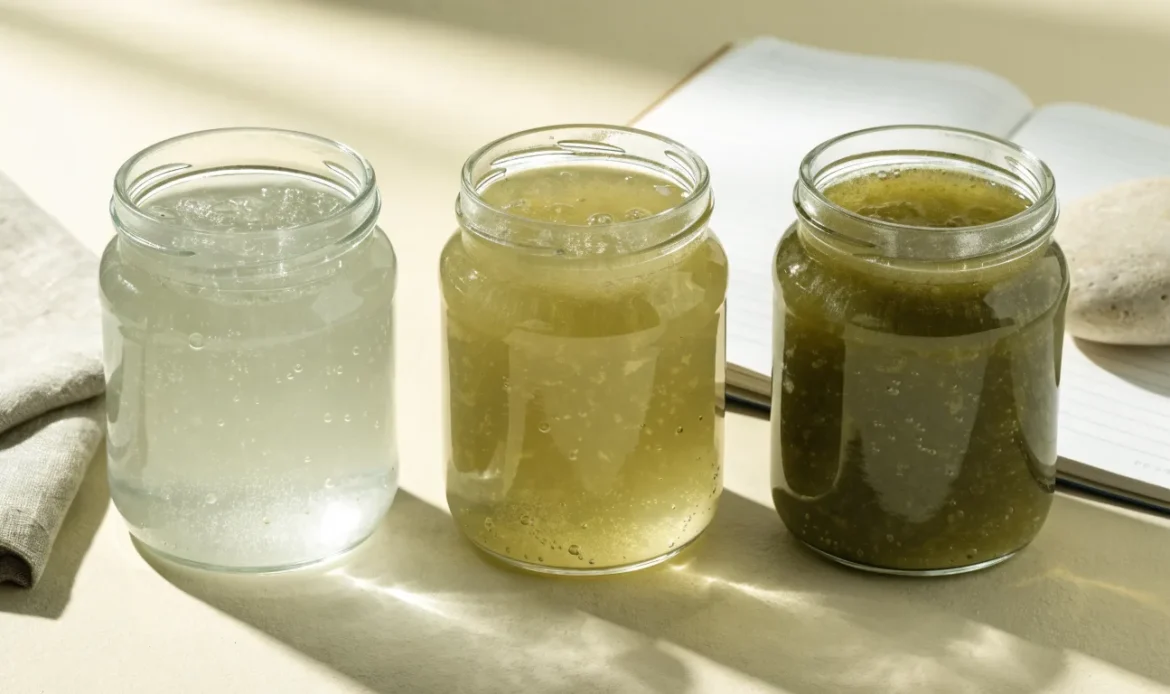
Short answer: If you see the phrase “Dr Missions Sea Moss,” it most likely appears as a product name or brand label for a sea moss product. The words alone do not prove anything about source, testing, or quality. Read labels and ask specific questions before you buy. This guide shows what to check, how different forms compare, safety points, a clear decision checklist, and the best next questions to ask a seller.
Why this matters: sea moss comes in many forms and can vary a lot in iodine content and other properties. A product name is only the start. Below you will find practical steps to evaluate any sea moss item you meet, including listings labeled “Dr Missions Sea Moss.”
What the name can — and cannot — tell you
- It can tell you that a seller chose a name. Names often help shoppers find a product.
- It cannot prove where the sea moss grew.
- It cannot prove how the product was processed.
- It cannot prove lab testing, safety, or freshness.
If you want facts beyond the name, ask for clear label details and documentation. Keep reading for a list of exactly what to request.
How to evaluate a sea moss product listing
When you look at a listing or a package, focus on the facts you can check. Here are the key items:
- Ingredient list. It should list only what is present. “Sea moss” plus water or other known ingredients is common. If the product lists fillers or additives, note them.
- Product form. Is it dried, raw, gel, powder, or a capsule? Each form has different uses and storage needs.
- Processing method. Terms like “sun-dried,” “oven-dried,” or “cold-processed” indicate how it was handled. These words are helpful but not proof of safety.
- Origin statement. A label may name a country or region. That helps buyers but does not guarantee quality.
- Testing and certificates. Look for third-party lab tests for iodine, heavy metals, and microbiology. Ask the seller to share the lab report. If none exists, that is useful to know.
- Preservation and shelf life. How should the product be stored? Does the package give a best-by date or handling instructions?
- Retailer or brand contact. A clear way to ask questions is important. A name and contact point (email, phone) is better than only a shopping cart listing.
- Claims on the label. Be cautious if the label promises health outcomes. Labels should avoid medical claims unless supported by regulation.
If a product name like “Dr Missions Sea Moss” is all you have, use the list above to ask follow-up questions.
Forms of sea moss and how they differ
Sea moss can be sold in several formats. Each format makes different demands on storage and use.
- Raw or fresh sea moss
- What it looks like: wet, soft, and perishable.
- Pros: closest to the harvested product.
- Cons: short shelf life; needs refrigeration or immediate use.
- Dried whole sea moss (raw dried)
- What it looks like: shriveled, lightweight pieces.
- Pros: long shelf life when dry; easy to ship.
- Cons: requires rehydration before many recipes.
- Sea moss gel
- What it looks like: smooth, semi-solid paste often refrigerated.
- Pros: ready to use in smoothies and recipes.
- Cons: shorter shelf life; watch for added ingredients or preservatives.
- Powdered sea moss
- What it looks like: fine to coarse powder.
- Pros: easy to add to dry mixes and capsules.
- Cons: harder to verify processing; ask how it was made.
- Capsules or pills
- What it looks like: sealed dose forms.
- Pros: convenient for dosing.
- Cons: may hide filler ingredients; check the full ingredient list and certificate of analysis.
Below is a simple comparison table to help you pick a form based on use and handling.
| Form | Best for | Storage notes | Quick pros | Quick cons |
|---|---|---|---|---|
| Raw / Fresh | Immediate cooking or local markets | Keep cold, short life | Least processed | Perishable |
| Dried whole | Making gel, long-term storage | Keep dry, dark place | Long shelf life | Needs rehydration |
| Gel | Ready use in drinks | Refrigerate; shorter life | Ready-to-use | Often perishable |
| Powder | Baking, capsules, mixes | Keep dry | Easy to measure | Processing hard to verify |
| Capsules | Convenience | Check expiry | Easy dosing | Ingredient transparency varies |
Use this table when deciding what form works for you and when asking a seller about a product called “Dr Missions Sea Moss.”
Safety points to check: iodine and contaminants
Seaweeds can concentrate minerals from seawater. This means sea moss may contain higher levels of iodine and other elements than many land plants. That is an important reason to verify testing.
- Iodine: levels vary a lot by species and harvest location. Some seaweeds are high in iodine. High iodine intake can affect thyroid function in some people. Ask for iodine testing on the product if you plan regular use [2][5].
- Heavy metals and contaminants: seaweeds can take up metals and other marine contaminants. Request third-party lab results for heavy metals and microbiology, especially for raw or minimally processed products [4].
- Variability: published surveys show that iodine and other levels vary across products and batches. A label cannot predict batch results without testing [3][2][5].
- Supplements and safety communication: consumer safety organizations recommend asking suppliers about testing and being cautious with products that lack lab evidence [4].
Citations above point to reviews and regulatory surveys that document this variability. If you are uncertain, get the lab report or choose a product with clear testing information.
How to ask sellers about a product labeled “Dr Missions Sea Moss”
If you find a listing or package with the name, use these clear questions:
- What exact ingredient is inside? (e.g., species name if known)
- Where was it harvested?
- How was it processed and dried?
- Can you share the most recent third-party lab test(s) for iodine and heavy metals?
- Do you have a microbiological test for the batch?
- What is the package’s best-by or expiry date?
- Are there any added ingredients or preservatives?
- Who is the importer or responsible party?
- What is the recommended storage after opening?
Keep a written record of answers. If a seller cannot answer, treat that as a reason to be cautious.
Preparing sea moss safely at home
If you buy dried sea moss and plan to prepare it at home, follow basic safe handling:
- Clean hands and clean surfaces before and after handling.
- Rinse dried sea moss well to remove sand and debris.
- Rehydrate in clean water and inspect for foreign matter.
- Use cookware and utensils you trust. Boil if a recipe calls for it.
- Store gels and fresh products in the refrigerator and watch for signs of spoilage (off smell, odd colors).
- If you have thyroid issues or are pregnant, consult a health professional before regular use. Do not rely on product labels alone for medical decisions.
These are practical steps. They do not replace medical advice.
Wholesale and buying for resale
If you are buying in bulk or as a retailer, your questions should go deeper. Here are practical business steps:
- Request a certificate of analysis (COA) from the supplier for each incoming batch.
- Ask for a chain-of-custody or harvest report, if available.
- Get sample pictures and ask for storage and shipping conditions.
- Confirm minimum order quantities (MOQ), lead times, and replacement policies for damaged or non-conforming lots.
- Ask about traceability: can the supplier identify the harvest date and area for the batch you receive?
- Check whether the supplier carries product liability insurance and whether they provide product labels compliant with your market’s rules.
- Consider independent lab testing on arrival as part of your intake procedure.
These steps help you reduce risk when you buy sea moss in larger volumes.
Decision checklist: should you buy a “Dr Missions Sea Moss” product?
Use this checklist when you decide whether to buy a product that uses the name “Dr Missions Sea Moss.”
- [ ] Is the ingredient list clear and simple?
- [ ] Is the product form (dried, gel, powder, capsule) a form you can handle safely?
- [ ] Does the seller provide a clear country or region of origin?
- [ ] Can the seller show recent third-party lab tests for iodine?
- [ ] Can the seller show tests for heavy metals and microbiology?
- [ ] Is there a clear best-by or use-by date?
- [ ] Are there clear storage instructions on the package?
- [ ] Are added ingredients fully listed?
- [ ] Is there a clear way to contact the seller with questions?
- [ ] If buying wholesale: can you get batch-level documentation and a COA for each shipment?
If several boxes are unchecked, pause. Ask for the missing items before you buy.
What a product name cannot prove
A name like “Dr Missions Sea Moss” cannot prove:
- That the product was independently tested.
- That a specific species of seaweed was used.
- That harvest methods met a particular standard.
- That the product is safe for all people.
- That label claims about health are validated.
When these facts matter, ask for documentation. A seller who can share lab results and batch records is easier to trust.
Which next question is most useful?
After you check the label and the listing, the most useful next question to a seller is: “Can you share the most recent third-party laboratory report that covers iodine, heavy metals, and microbiology for this batch?” If the answer is yes, request the report and review the date and the accredited lab name. If no report exists, weigh the risk and consider a different product.
Useful next steps and links
- Read more on seaweed basics and safety at our learning hub: /learn/
- If you want to see product options or formats we carry: /shop/
- If you are a buyer considering bulk orders, visit our wholesale page: /wholesale/
- Questions about a listing or to request batch details: /contact/
- Return to our home page for company overview: /
Conclusion
“Dr Missions Sea Moss” is a product name you may run into. The name by itself is just a label. To decide if a specific item is right for you, check the ingredient list, product form, origin statement, storage instructions, and—most importantly—request third-party lab tests for iodine, heavy metals, and microbiology. Use the decision checklist above when you inspect a listing or a package. If you buy in bulk, add chain-of-custody and batch COA checks to your intake process. These steps will help you make a safer, clearer choice.
Continue reading
Frequently asked questions
Is “Dr Missions Sea Moss” a medical product?
A product name does not make it a medical product. Sea moss is generally sold as a food or ingredient. If a seller makes medical claims, ask for evidence and be cautious. Medical claims often require regulatory review.
How do I know the sea moss is safe from heavy metals?
The only practical way is a third-party lab test that reports heavy metal levels for that batch. Ask the seller for a certificate of analysis. Avoid purchases without test documentation if you are concerned.
Does “sea moss gel” need refrigeration?
Many commercial gels require refrigeration after opening. Follow the package storage instructions. If none are provided, treat perishable forms as requiring refrigeration and use soon after opening.
Can I trust online reviews for a product named “Dr Missions Sea Moss”?
Reviews can help but they do not replace lab reports or clear supplier answers. Reviews may reflect individual experience, which varies. Use reviews as one input among many.
If a seller claims their product is tested, what should I look for in the report?
Look for the lab name and accreditation, the date, batch identifiers matching the product, and clear results for iodine, heavy metals, and microbiology. If the report is missing these elements, ask questions.
Who should avoid high-iodine seaweed?
People with thyroid conditions, pregnant people, and those on certain medications may need to monitor iodine intake. Talk to a health professional before adding a high-iodine seaweed product to a regular routine.
References
- [1] Harvard T.H. Chan School of Public Health, “Seaweed.” https://nutritionsource.hsph.harvard.edu/seaweed/
- [2] Smyth PPA. “Iodine, Seaweed, and the Thyroid.” European Thyroid Journal, 2021. https://pmc.ncbi.nlm.nih.gov/articles/PMC8077470/
- [3] Food Standards Australia New Zealand, “Survey of iodine levels in seaweed and seaweed containing products,” updated 2025. https://www.foodstandards.gov.au/science-data/monitoring-safety/surveyofiodinelevels
- [4] Operation Supplement Safety, “Sea Moss in Dietary Supplements.” https://www.opss.org/article/sea-moss-dietary-supplements
- [5] Blikra MJ et al. “Consequences of acute and long-term excessive iodine intake: A literature review focusing on seaweed as a potential dietary iodine source.” 2024. https://doi.org/10.1111/1541-4337.70037