
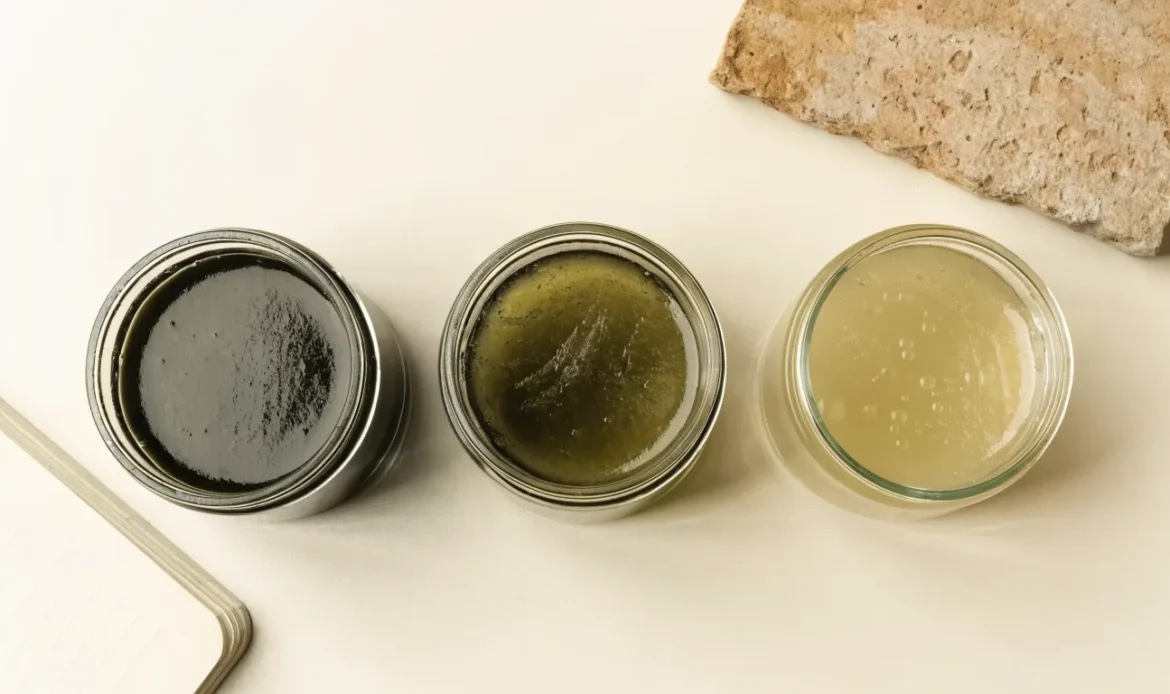
Short answer first: If you see a product called “Sunflower Wellness Sea Moss,” it refers to sea moss sold under that name or label. The name alone does not tell you the species, where it was harvested, how it was processed, or whether it was tested. Read the label and check a few things before you buy or use it.
This guide shows what to look for. I explain common formats, what product labels can and cannot prove, how to compare options, and a clear decision checklist. I also point you to useful next guides and places to shop or contact sellers.
Why this matters: seaweed varies a lot in mineral content. Iodine and other elements can be high. Testing and clear sourcing make a difference for transparency. Reliable labeling helps buyers make safe choices [1][2][5].
What “Sunflower Wellness Sea Moss” likely means
- It is a brand or product name. The words do not guarantee species, origin, or processing steps.
- The product could be whole dried sea moss, raw wet sea moss, sea moss gel, powder, capsules, or a blended supplement.
- Labels can differ. Some list the seaweed species. Some list harvesting country. Some only show an ingredient name and a logo.
What a product name cannot prove by itself:
- Which species of seaweed it is.
- Whether it was wild-harvested or farmed.
- Whether the product was tested for iodine, heavy metals, or microbes.
- How fresh or pure it is.
What you can and should check is listed below.
How sea moss is different from other seaweed
Sea moss is a common name for certain red and green algae sold as food or supplement ingredients. Seaweed species and composition vary by location and season. This causes big differences in mineral and iodine levels [1].
Why that matters:
- Iodine content in seaweed can range from very low to very high. Too much iodine may affect the thyroid if consumed regularly at high levels [2][5].
- Contaminants such as heavy metals can be present because seaweed collects minerals from water. Testing is the only way to know levels in a product [4].
Regulators and researchers recommend clear testing and reasonable serving guidance because of this variability [3][4].
Common product formats and what they mean
Below are the usual formats you will see. I explain what each format includes and what to check on the label.
H3 Dried whole sea moss
- Description: Cleaned and dried seaweed. Often sold as loose pieces.
- What to check: species name (e.g., Chondrus, Gracilaria), country or region of harvest, drying method, presence of added salts or preservatives, and any lab testing claims.
H3 Raw wet sea moss
- Description: Freshly harvested and washed sea moss kept wet. Usually sold chilled or frozen.
- What to check: packing date, storage instructions, how it was cleaned, and any handling warnings.
H3 Sea moss gel
- Description: Rehydrated sea moss blended with water. Often refrigerated.
- What to check: list of ingredients, water source, shelf life, refrigeration or freezing instructions, and any preservatives.
H3 Powdered sea moss
- Description: Dried sea moss milled into a powder. Used in smoothies, cooking, or capsules.
- What to check: particle size, added fillers, and bulk testing results.
H3 Capsules and tablets
- Description: Processed sea moss or extracts put into pill form.
- What to check: ingredient list, dose per serving, batch testing, and third-party lab reports if available.
H3 Blends and creams
- Description: Sea moss mixed with other ingredients for topical or dietary use.
- What to check: all ingredients and whether claims are supported by testing for contaminants and allergens.
Label claims that can be verified — and how
When you read a label, some claims are verifiable and others are not. Here is how to check key claims.
- Species name: If the label lists a scientific name, you can look it up. Species have different mineral profiles.
- Country or region of harvest: This tells you the likely marine environment. It does not guarantee water quality.
- “Wild-harvested” or “farmed”: These are production methods. They describe how the seaweed was sourced but not contamination or purity.
- “Organic”: In most places, there is no universal organic standard for wild seaweed. If a seller claims organic, ask which certifier they used.
- Lab testing: The most useful information is a certificate of analysis (COA) from a third-party lab. A COA lists tests done and results for specific batches.
- Testing for iodine, heavy metals, and microbes: These are the common tests to look for. If the label links a batch number to a COA, you can verify results for that batch.
If a label does not include a COA or a way to confirm batch tests, the claim that the product is “tested” is weaker.
Safety and testing: what the science says
- Seaweed contains nutrients and minerals. Its composition is variable. This is a general finding noted in reviews and public health summaries [1].
- Iodine can be very high in some seaweed species. Very high iodine intakes over time can affect thyroid function in some people [2][5].
- Surveys find that iodine levels in seaweed and products vary widely. Some products exceed recommended single-serving limits [3].
- Trade and supplement safety groups urge testing and clear serving guidance because of this variability [4].
What this means for buyers:
- Look for testing that measures iodine and heavy metals.
- Follow serving guidance given by the seller. When no guidance is given, be cautious about frequent large servings.
- Ask a healthcare provider about iodine if you have thyroid disease or take thyroid medication.
How to read a certificate of analysis (COA)
A COA is a lab report for a product batch. Useful items to find on a COA:
- Sample identification and batch number.
- Tests performed (iodine, lead, arsenic, cadmium, mercury, microbes).
- Numeric results and the unit of measurement (e.g., mg/kg or µg/g).
- Method used for the test and detection limits.
- Laboratory accreditation or credentials.
What a COA does not prove:
- It only applies to the tested batch. A different batch may vary.
- It does not prove how the product will affect a person.
- It does not eliminate all risk, but it gives evidence about the tested batch.
Buying checklist: what to check before you buy
Use this checklist to decide if a product labeled “Sunflower Wellness Sea Moss” meets your needs. The checklist is practical. Tick what you can confirm.
| Item to check | Why it matters | Yes / No / Unknown |
|---|---|---|
| Species listed (scientific name) | Species affects mineral content | |
| Country or region of harvest | Gives context for environment and regulation | |
| Harvest method (wild/farmed) | Affects traceability and possible contaminants | |
| Processing method (sun-dried, oven-dried, frozen, gel) | Affects shelf life and nutrient changes | |
| Ingredient list (no undeclared additives) | Shows purity and allergens | |
| Batch number on label | Necessary to link to COA | |
| Certificate of analysis (COA) available for batch | Shows lab testing results | |
| COA includes iodine and heavy metal tests | Key safety markers | |
| Storage and shelf-life instructions | Important for safety and quality | |
| Serving guidance provided | Helps limit frequent high iodine intake | |
| Seller contact info and transparency (phone/email) | Allows follow-up questions | |
| Return/refund policy | Important for product issues |
Use the checklist when comparing products. If more than a few items are “Unknown,” consider asking the seller for details or choosing a product with clearer information.
Practical decision guide: choosing between formats
This short guide matches common goals with the format to consider. It does not recommend medical uses.
- Want whole food to prepare your own gel or recipes?
- Choose dried whole sea moss. Check species and cleaning instructions.
- Want ready-to-use texture in recipes or smoothies?
- Choose a refrigerated gel with clear shelf-life and no added sugars.
- Want a shelf-stable option to add to drinks or cooking?
- Choose powdered sea moss with clear sourcing and COA.
- Want precise dosing and convenience?
- Choose capsules with labeled dose and batch testing.
- Want topical use?
- Choose a cream or gel made for skin, and check preservative and ingredient list.
No format is inherently safer. Safety depends on traceability and testing.
How to prepare common home formats safely
I describe general, simple steps. These are for handling and prep, not health advice.
Dried whole sea moss:
- Inspect pieces for debris or strong off smells.
- Rinse in cold water to remove sand and salt.
- Soak in clean, filtered water until it softens (time varies by product).
- Rinse again. Use in recipes or blend into gel.
- Discard if smell or color changes after soaking.
Sea moss gel (store-bought):
- Follow the seller’s storage instructions.
- Keep refrigerated unless frozen.
- Use within the stated shelf life after opening.
Powder:
- Store in a dry, cool place in a sealed container.
- Check for clumping or off-odors before use.
Capsules:
- Follow serving instructions on the bottle.
- Note batch number and keep packaging for reference.
If the seller provides specific prep steps, follow them. If you are unsure, ask for guidance from the seller.
What you can ask the seller before buying
A short script of useful questions:
- What species is this product?
- Where and when was it harvested?
- Was it wild-harvested or farmed?
- Do you have a COA for the batch? Can you share it?
- What do you test for (iodine, lead, arsenic, microbes)?
- How should I store and use this product?
- What is your return policy?
If a seller is reluctant to share batch testing or sourcing details, treat that as a red flag.
Uncertainties and limits of product labels
- Labels and marketing cannot prove safety or effects for an individual.
- A COA proves results for a single batch, not all batches.
- “Natural” or “wild” does not mean low in iodine or contaminants.
- Country of harvest can suggest regulatory oversight but does not guarantee testing.
Science and surveys show real variability in seaweed composition. Buyers should expect variability and ask for evidence when safety matters [1][3][5].
Where to learn more and next steps
- Learn more about seaweed basics and safety on our learning pages: Learn with Zen Wholesalers.
- Want to see product options? Browse formats on our shop: [/shop/].
- If you are a business buyer seeking bulk options, check wholesale details: [/wholesale/].
- Have questions about a product or need a COA? Reach out: [/contact/].
- Return to the Zen Wholesalers home page: [/].
Conclusion
“Sunflower Wellness Sea Moss” is a label you may see. The label itself tells you little about species, harvest location, or safety testing. To make a sound choice:
- Check for species and origin on the label.
- Ask for a COA tied to the batch.
- Verify tests for iodine and heavy metals.
- Follow storage and serving guidance.
- When in doubt, contact the seller for specifics.
These steps help you compare products and reduce uncertainty. If you want help assessing a specific product label or COA, you can contact the seller or a qualified lab for interpretation.
Continue reading
Frequently asked questions
Is “Sunflower Wellness Sea Moss” a single species?
No. The name alone is a brand or product label. It does not tell you the species. Look for a scientific name on the package or ask the seller.
How do I know if sea moss is safe?
Safety is best judged by transparency. Ask for a certificate of analysis (COA) for the batch that shows tests for iodine and heavy metals. Also check storage instructions and serving guidance [4].
Can I rely on “wild-harvested” on the label?
“Wild-harvested” describes the harvest method. It does not guarantee low contaminants or specific mineral levels. Testing is still needed [1][3].
What tests should a COA include?
Useful tests are iodine, lead, arsenic, cadmium, mercury, and microbial limits. A reputable COA lists the test methods and detection limits [4].
How much sea moss can I safely eat?
Serving guidance depends on iodine content and the species. Because iodine varies widely, a general serving limit cannot be given without testing. Look for COA-based serving guidance or consult a health professional if you have thyroid concerns [2][5].
If a seller provides no batch testing, is it unsafe?
Not necessarily unsafe, but unknown. Lack of testing means you have less information to judge risk. For regular use or if you have health issues, prefer products with testing.
References
- [1] Harvard T.H. Chan School of Public Health, “Seaweed.” https://nutritionsource.hsph.harvard.edu/seaweed/
- [2] Smyth PPA. “Iodine, Seaweed, and the Thyroid.” European Thyroid Journal, 2021. https://pmc.ncbi.nlm.nih.gov/articles/PMC8077470/
- [3] Food Standards Australia New Zealand, “Survey of iodine levels in seaweed and seaweed containing products,” updated 2025. https://www.foodstandards.gov.au/science-data/monitoring-safety/surveyofiodinelevels
- [4] Operation Supplement Safety, “Sea Moss in Dietary Supplements.” https://www.opss.org/article/sea-moss-dietary-supplements
- [5] Blikra MJ et al. “Consequences of acute and long-term excessive iodine intake: A literature review focusing on seaweed as a potential dietary iodine source.” 2024. https://doi.org/10.1111/1541-4337.70037