
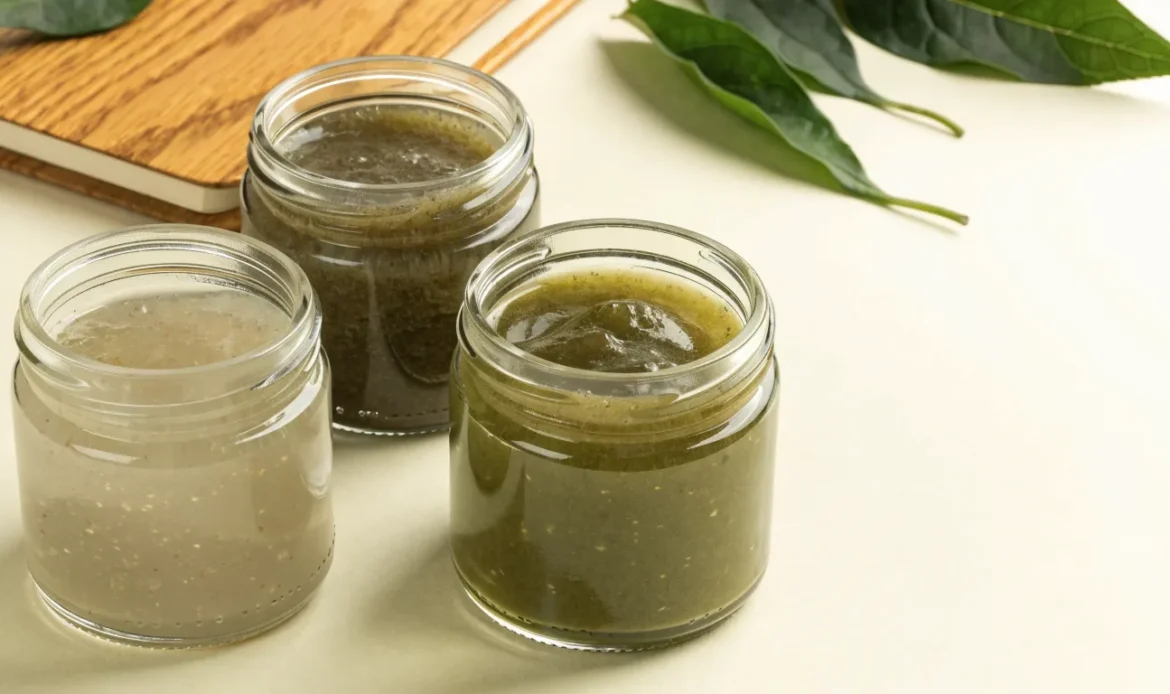
Short answer: Tailormade sea moss means sea moss that a supplier prepares or blends to meet a buyer’s specific needs. That can mean a certain format (gel, powder, capsule), a custom blend with other ingredients, a particular texture or packaging, or a set of test reports. A tailormade product does not, by itself, guarantee specific nutrient levels or safety. Ask for clear documents, a sample, and lab results for the things you care about before you buy.
This guide explains what “tailormade” commonly covers. It lists the checks you should make. It shows which format fits different uses. It tells you what suppliers can and cannot prove. Use this to ask the right questions and make a safer choice.
What “tailormade sea moss” usually means
Tailormade sea moss describes a product made to order. Common options include:
- Custom format: e.g., gel, powder, capsules, or raw dried sea moss.
- Custom blend: sea moss mixed with other plants, flavors, or nutrients.
- Custom packaging: single-serve cups, bulk tubs, retail labels, or private label.
- Custom testing and documentation: supplier provides specific lab reports, batch numbers, and traceability for a contract.
- Custom processing: drying method, particle size, or concentration adjusted to a client brief.
Tailormade does not automatically mean verified nutrient levels or safety. Those require specific lab tests and clear paperwork. If a supplier promises a nutrient amount or safety claim, ask for a Certificate of Analysis (COA) tied to the batch you will receive.
Common formats and what each means
Each format involves different processing steps and uses. Here are the usual forms and what to expect.
Raw dried sea moss
- What it is: Cleaned and dried seaweed pieces or strands.
- Typical use: Rehydrated and then turned into gel at home or used in recipes.
- What to check: Origin description, how it was washed, drying method, any additives, and whether the supplier will provide sample photos of the batch.
Prepared gel (ready-to-use)
- What it is: Sea moss rehydrated, blended with water, then packaged as a soft gel.
- Typical use: Spoonable form for smoothies or recipes.
- What to check: Full ingredient list, preservative use (if any), refrigeration guidance, batch labeling, and available lab results for microbiology and iodine if that is a concern.
Powdered sea moss
- What it is: Dried sea moss ground into a powder. Powder may be spray-dried or air-dried, depending on the supplier.
- Typical use: Mixed into drinks, capsules, or used in food products.
- What to check: Particle size, processing temperature, any added carriers or flow agents, and stability under labeled storage conditions.
Capsules or tablets
- What it is: Powdered sea moss placed into capsules or compressed into tablets.
- Typical use: Convenience for dosing or resale as supplements.
- What to check: Exact ingredient list, excipients (fillers and binders), serving size per capsule, and COA for the final capsule batch.
Blends (sea moss plus other ingredients)
- What it is: Sea moss mixed with other botanicals, vitamins, minerals, or flavorings.
- Typical use: Products aimed at taste, convenience, or combined ingredient effects.
- What to check: Full ingredient list, possible allergens, interactions between ingredients, and COA for the finished blend.
Custom concentrates or extracts
- What it is: Sea moss processed to concentrate certain soluble components.
- Typical use: Ingredient for food manufacturers or for adding to other products.
- What to check: Extraction method, solvents used (if any), residual solvent testing, and the target analytes and their measured levels.
What you can reasonably ask a supplier to prove
Knowing what can be checked helps you spot gaps.
- Traceability: Ask for harvest area, harvest date, and batch ID. This shows where a lot of the product came from.
- Species/identity: A supplier should name the species or seaweed type used. Species ID is often based on supplier records, not always genetic testing.
- Processing steps: Ask how product was washed, dried, or blended.
- Ingredient list and label copy: A full list of what goes into the product is essential.
- Certificates of Analysis (COAs): Ask for COAs for the batch you will buy. Useful COAs include iodine concentration, heavy metals, and microbiological tests. Note: a COA is only as good as the lab and the sampling method.
- Microbial testing: Total plate count, yeast and mold, and specific pathogens (E. coli, Salmonella) are common tests for prepared or ready-to-eat formats.
- Heavy metals: Lead, cadmium, mercury, and arsenic testing is a standard request for seaweed products in many markets.
- Allergen and cross-contact statements: Especially important if the product will be sold retail or used in a food business.
- Storage, shelf-life, and handling: Suppliers should provide storage conditions and an expiration or best-by date.
Remember: documents reduce uncertainty. They do not erase it. Test results apply to a batch or sample. Seaweed can vary by harvest and processing.
Decision checklist: what to ask before buying tailormade sea moss
Use this checklist when you talk to a supplier. It helps you compare offers fairly.
Practical decision checklist
- Your intended use:
- For eating as a food? For resale? For ingredients in a product? For supplements?
- Preferred format:
- Dried, gel, powder, capsule, or blend?
- Required documentation:
- Do you need COAs for iodine, heavy metals, and microbiology?
- Species and origin:
- Which seaweed species are used? Wild or farmed? Where was it harvested?
- Processing details:
- How was it cleaned? Dried? Blended? Any added ingredients?
- Packaging and label needs:
- Do you need private label printing, single-serve, or bulk tubs?
- Minimum order and lead time:
- What are the minimum order quantities and turnaround time for a custom batch?
- Sample and pilot policy:
- Can you receive a small sample or pilot lot before full production?
- Quality control:
- Will the supplier retain samples? How do they handle complaints or recalls?
- Price components:
- Does the quote include testing, packaging, and shipping?
- Legal and compliance:
- Is the product labeled for your market? Does it meet local rules for food or supplements?
- Storage and transport:
- How should the product be stored in transit and on arrival?
- Risk points:
- Ask the supplier how they control for heavy metals, iodine variability, and microbes.
Format decision guide (quick table)
If you want: -> Choose this format -> Ask the supplier for
- Flexible ingredient use in recipes -> Dried sea moss -> Harvest details, washing, drying method, and batch sample
- Ready-to-use convenience -> Prepared gel -> Ingredient list, microbiology COA, refrigeration guidance
- Long shelf handling by a manufacturer -> Powder -> Processing method, carrier ingredients, stability data
- Easy retail dosing -> Capsules/tablets -> Full label, excipient list, COA for final product
- Custom flavor or functional combination -> Blended product -> Full ingredient list, allergen statement, COA for finished blend
- Large-volume resale -> Bulk tailormade batch -> Traceability, batch COAs, packaging options, lead time
Use this table to speed up comparisons when you get quotes. It helps turn general claims into testable requests.
Packaging, labeling, and compliance basics
Labeling should be clear. It should list all ingredients. It should show a batch or lot number. It should state storage directions and a best-by or expiration date when possible.
Be aware of iodine variability. Seaweed naturally concentrates iodine, and iodine levels can vary a lot between species, locations, and harvests. High iodine is a known concern for some people with thyroid issues. Ask for an iodine COA if iodine matters for your use or market. Sources that discuss iodine and seaweed explain this variability and the need for testing [2][5]. Food regulators also monitor iodine in seaweed products and report wide ranges in levels [3].
If you are selling a product, check local rules for food and supplements. Some jurisdictions have specific labeling and testing rules for seaweed products. For dietary supplement formats, consumer-safety groups recommend suppliers document testing and avoid broad health claims [4].
How to judge quality when you can’t run a lab test yourself
You may not have lab access. Here are reliable checks that reduce risk:
- Ask for COAs and read them carefully. Check the lab name and the date. Confirm the COA covers the batch you will buy.
- Get a sample before placing a large order. Test that sample with an independent lab if needed.
- Request lot photos and processing photos. These show basic handling and packing.
- Check supplier transparency. A supplier who answers specific process and testing questions is easier to verify than one who provides vague statements.
- Ask for references from other clients and ask how they handle quality issues.
- Note storage and transport. Even a good product can be damaged by poor shipping or heat.
None of these steps guarantees safety, but combined they cut risk.
Working with a supplier on a custom formula
If you want a truly custom product, follow a step-by-step plan:
- Prepare a clear brief. Say the format, ingredients, required tests, and packaging.
- Ask for a small pilot sample. Review the sample for appearance and handling.
- Ask the supplier for COAs for the pilot batch.
- Review and, if needed, request changes to processing, packing, or ingredients.
- Agree on the minimum order quantity (MOQ), price, lead time, and payment terms.
- Ask about ongoing batch testing and how the supplier will share COAs for future orders.
- Set a quality acceptance protocol and return process for defective batches.
This plan makes the process clear for both buyer and supplier.
Pricing and order considerations
Price depends on many things:
- Raw material cost and harvest conditions.
- Processing steps (drying, milling, blending).
- Testing and documentation.
- Packaging type and label work.
- Order size and shipping.
Ask suppliers for a breakdown of costs. Compare offers on total cost, not just unit price. Include testing and packaging when you compare. Also confirm who pays for samples, lab testing of samples, and customs or import charges.
What suppliers can and cannot prove
What suppliers can reasonably provide:
- Process records, lot numbers, and harvest windows.
- COAs for specific batches (when testing is performed).
- Ingredient and allergen statements.
What suppliers usually cannot prove without extra testing:
- Exact nutrient levels for every batch without COA.
- Long-term stability in a specific supply chain without stability tests.
- Absence of all contaminants forever—new harvests can differ.
Ask: “Can you show test results for the actual batch I will buy?” That is the strongest proof you can ask for.
Useful next guides
- Learn about general seaweed safety and nutrition: Learn
- Browse product formats we offer to see standard options: Shop
- For wholesale or custom orders and questions: Wholesale
- Contact us to request a sample or start a custom brief: Contact
- Return to our homepage for general company info: Home
Conclusion
“Tailormade sea moss” describes items made to your specifications. That can be very useful. But custom does not remove the need to check documents and tests. Before you agree to a custom batch, use the decision checklist above. Ask for samples and COAs tied to the batch. Know what the supplier can prove and what will still vary by harvest. Those steps will help you choose the right format and reduce surprises.
Frequently asked questions
Is tailormade sea moss safer than off-the-shelf sea moss?
Not automatically. Tailormade often means the product is adjusted to your needs. Safety depends on testing, supplier practices, and traceability. Always request COAs and samples.
What tests should I ask for when buying tailormade sea moss?
Common tests worth asking for are iodine level (if relevant for your market or customers), heavy metals (lead, cadmium, mercury, arsenic), and microbiology for ready-to-eat formats. Ask the supplier to tie COAs to the exact batch you will receive.
Can a supplier guarantee low iodine in a tailormade product?
Suppliers can test and show results for a batch. But iodine in seaweed can vary by harvest. If low iodine is essential, ask for a validated COA and discuss how the supplier controls variability across batches.
How do I store different sea moss formats?
Storage depends on format. Prepared gels usually need refrigeration. Powders and dried products typically need cool, dry storage. Always follow the supplier’s storage instructions and labels.
Can I get a custom flavor or additive in my sea moss?
Yes. Many suppliers can blend flavors or other botanicals. Ask for a full ingredient list and a COA for the final product. Also check allergen statements.
Do I need to test every batch I buy?
Testing every batch is safest for some buyers, especially for exported food or supplement products. At minimum, get COAs for representative pilot lots and verify supplier quality systems and traceability.
References
- Harvard T.H. Chan School of Public Health, “Seaweed.” https://nutritionsource.hsph.harvard.edu/seaweed/
- Smyth PPA. “Iodine, Seaweed, and the Thyroid.” European Thyroid Journal, 2021. https://pmc.ncbi.nlm.nih.gov/articles/PMC8077470/
- Food Standards Australia New Zealand, “Survey of iodine levels in seaweed and seaweed containing products,” updated 2025. https://www.foodstandards.gov.au/science-data/monitoring-safety/surveyofiodinelevels
- Operation Supplement Safety, “Sea Moss in Dietary Supplements.” https://www.opss.org/article/sea-moss-dietary-supplements
- Blikra MJ et al. “Consequences of acute and long-term excessive iodine intake: A literature review focusing on seaweed as a potential dietary iodine source.” 2024. https://doi.org/10.1111/1541-4337.70037