
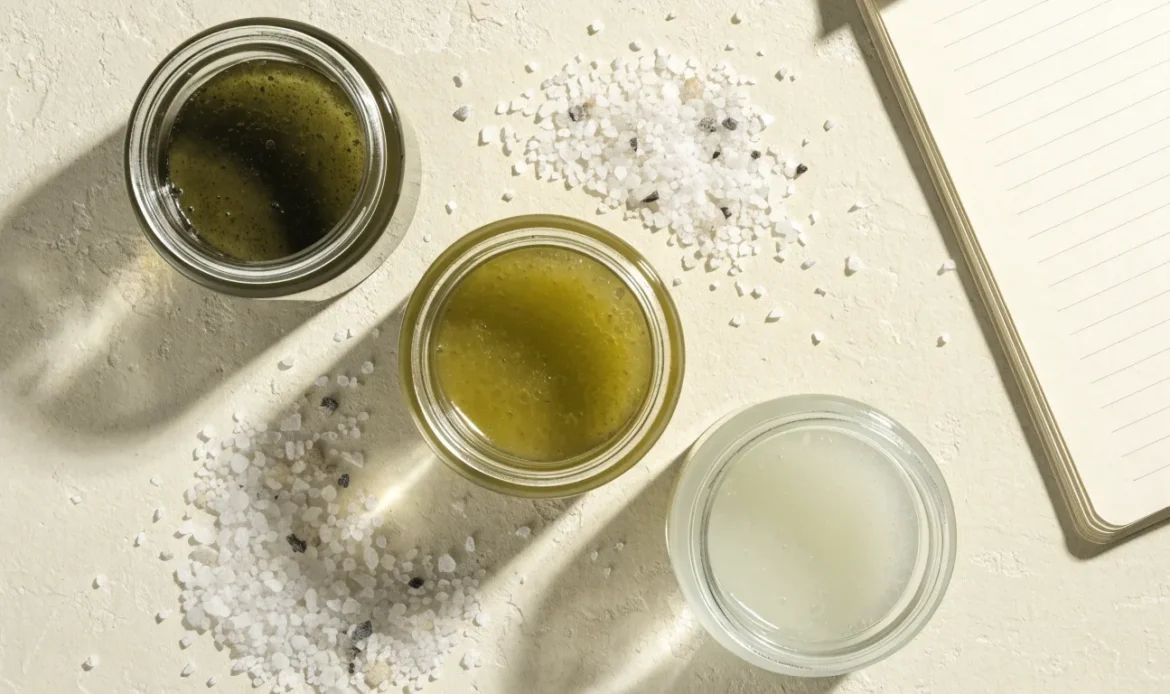
Short answer: Elderwise Sea Moss is a marketing name for sea moss sold with elderberry flavoring or elderberry ingredients. It usually refers to a sea moss product (gel, powder, or capsule) blended or flavored with elderberry syrup, juice, or extract. You cannot assume the name tells you the exact recipe, strength, or safety testing. Check the label and ask the seller for details before buying.
Why this matters: seaweed products can have wide variation in iodine, processing, and added ingredients. Those differences affect how you store, use, and buy the product safely [1][2][5].
What “Elderwise Sea Moss” typically means
- Name and format: The term usually combines “elder” (elderberry) with “sea moss” (a red algae product). Sellers use it to signal elderberry flavor or added elderberry ingredients. It is not a regulated product name.
- Common product types: sea moss gel flavored with elderberry, powdered sea moss mixed with elderberry powder, capsules containing sea moss and elderberry, or ready-to-eat blends. The physical form matters for shelf life and how you use it.
- What the name does not prove: the name alone does not tell you the seaweed species, how the sea moss was harvested, how much elderberry is included, or whether the product was tested for contaminants.
How sea moss and elderberry are usually combined
Sea moss (a form of macroalgae) is often softened and blended into a gel. Makers then add flavoring agents like elderberry syrup, juice, or extract. Elderberry adds taste and color. It may also come as a dry blend or capsule. Each format changes how long the product keeps and how it must be stored.
Why you should read labels and ask questions
Seaweed products have high variability in nutrients and minerals. Iodine levels in seaweed can be very different across species and batches. Some seaweed products have high iodine levels that can affect thyroid function if taken in large amounts [1][2][5]. Testing and clear labeling help you make safer choices.
Things labels may not show:
- Exact iodine content per serving (many do not report this).
- Specific species or harvest region.
- Lab testing for heavy metals, microbes, or iodine.
- The amount of elderberry extract or added sugars.
Because these facts are often missing, buyers should ask the seller for lab reports or testing statements if this matters to them.
Sources that explain these issues: Harvard’s nutrition page on seaweed and scientific reviews on iodine in seaweed show how variable nutrient content can be and why testing matters [1][2][5].
Iodine and safety: what we know and do not know
What is known:
- Seaweed is a natural source of iodine. Iodine intake affects the thyroid. Both low and excessive iodine intake can cause problems in sensitive people [2][5].
- Iodine content varies a lot by species, harvest time, and processing. A product called “sea moss” could be low or high in iodine depending on many factors [1][3].
- Some surveys and reviews find some seaweed products with high iodine that could lead to excessive intake if taken daily [3][5].
What you may not know from the product name:
- Whether the specific product has high iodine. The label may not report iodine amounts.
- Whether the manufacturer tested the batch for iodine, heavy metals, or microbes. Testing reduces uncertainty but is not universal [4].
Practical takeaways:
- If you are pregnant, breastfeeding, have thyroid disease, or take iodine-containing supplements or medications, ask a healthcare professional before adding seaweed products. The product name alone cannot tell you iodine content.
- Ask the seller for a recent lab report or certificate of analysis (CoA) showing iodine and contaminant testing if you are concerned.
References for these points include regulatory and scientific reviews of iodine in seaweed and supplement safety guidance [2][3][4][5].
What to check on the label or product page
Here are the key items to look for and why they matter.
- Ingredient list: Should list all components, including any sweeteners, preservatives, or binding agents. Some flavored gels add sugar or syrups.
- Seaweed species: If listed, species name helps estimate likely iodine range. If not listed, contact the seller.
- Net weight and serving size: Needed to estimate how much you would consume.
- Storage instructions: Some gels need refrigeration; powders may be shelf-stable if dry.
- “Use by” or manufacture date and batch/lot number: Helps with traceability.
- Testing claims: Look for phrases like “third-party tested,” “certificate of analysis,” or links to lab reports. Check what was tested (iodine, heavy metals, microbes).
- Allergens and cross-contamination statements: Especially important if you have allergies or sensitivities.
- Additives and sweeteners: Elderberry flavor may come with added sugar, alcohol extracts, or preservatives. These affect how you store and consume the product.
Storage and shelf-life basics by format
- Gel: Perishable. Often sold refrigerated or frozen. Will have a shorter shelf life once opened. Follow label storage and discard dates.
- Powder: Drier powders store longer if kept dry and sealed. Humidity shortens life and may cause clumping or microbial growth.
- Capsules: Often shelf-stable, but watch for expiration and storage conditions.
- Syrups or concentrates: May require refrigeration after opening if they contain natural juices.
Labels that only say “keep in a cool, dry place” without more detail raise questions. Ask for specifics if you need longer storage or plan to ship.
How to use Elderwise Sea Moss safely
- Start small. Try a single serving to check flavor and tolerance.
- Follow manufacturer serving size suggestions. Labels sometimes under- or overstate what is typical.
- If you have a thyroid condition, pregnancy, or are taking iodine-containing supplements, consult a clinician before regular use. Iodine content can vary widely and a single product may not indicate total daily iodine intake [2][5].
- Refrigerate per label instructions. Do not use after visible spoilage or an unusual smell.
- Be cautious combining with other iodine sources (seaweed, kelp supplements, iodized salt, some multivitamins).
Buying and sourcing questions to ask a seller
If you are buying Elderwise Sea Moss, these questions help reduce uncertainty:
- What form is the product (gel, powder, capsule, syrup)?
- Which seaweed species are used?
- Where was the seaweed harvested or sourced? (Sellers may provide a general region.)
- Do you have a certificate of analysis (CoA) or third-party lab report? Which tests were performed? (Iodine, heavy metals, microbes)
- How is elderberry added—juice, concentrate, extract, or flavoring? What is the concentration?
- What preservatives or sweeteners are included?
- What are the storage and shelf-life instructions?
- Is the product made in a facility that processes common allergens?
Sellers who can provide lab reports and clear ingredient lists reduce buyer uncertainty. If a seller cannot answer these questions, consider that you will have less information about safety and content.
Practical decision checklist
Use this quick checklist when you evaluate an Elderwise Sea Moss product. Mark each item Yes/No/Ask seller. The table helps you decide whether to buy and how to use the product.
| Question to check | Why it matters | What to look for |
|---|---|---|
| Is the product form clear? (gel/powder/capsule) | Determines storage, shelf life, and dose | Clear product type and photos |
| Are all ingredients listed? | Reveals additives, sugars, alcohols, or preservatives | Full ingredients list, not just “natural flavors” |
| Is the seaweed species named? | Helps estimate iodine range and origin | Latin or common species name (if available) |
| Is there a batch number or date? | Enables traceability and freshness checks | Manufacture date, use-by, lot number |
| Is there testing (CoA) for iodine and contaminants? | Reduces risk of unknown iodine or heavy metals | Link to lab report or summary of tests |
| Are storage and opening instructions clear? | Prevents spoilage and food safety issues | “Keep refrigerated after opening” or dry storage notes |
| Does the label show serving size and servings per container? | Lets you estimate intake and frequency | Serving size in grams or spoons, number of servings |
| Is elderberry source and form listed? | Shows whether it is flavoring, syrup, or extract | Elderberry juice, concentrate, extract, % by weight |
| Are allergens and cross-contamination declared? | Important for food allergies | “May contain” or “Made in facility” notes |
| Is there a refund, return, or contact policy? | Makes it easier to resolve problems | Clear return policy or customer support info |
If you answered “No” or “Ask seller” for many questions, consider seeking an alternative product or requesting lab documentation before buying.
Buying formats compared (short guide)
- Gel with elderberry: Ready to eat or mix. Needs refrigeration after opening. Watch for added sugars and short shelf-life.
- Powder blend: More shelf-stable. Good for smoothies. Check for moisture and clumping.
- Capsules/tablets: Convenient dosing. Check for capsule fillers and test claims.
- Syrups or concentrates: Strong flavor and flexible dosing. Often need refrigeration after opening.
Choose the format based on how you plan to use it and how long you can keep it safely.
How to spot possible red flags
- No ingredient list or vague wording like “proprietary blend.”
- No manufacturing date, batch number, or expiration.
- No contact information or return policy for the seller.
- No testing or lab documentation, especially if the product is promoted for daily use.
- Claims that sound like medical cures or guaranteed nutrient levels without lab proof. (Avoid health promises.)
A clear label and transparent seller reduce the chance of being surprised by safety or quality issues.
Next steps and helpful links
- Learn more about seaweed basics and nutrition on our learning pages: Zen Wholesalers Learn section (/learn/).
- Browse product formats and options in our shop (/shop/).
- If you are buying for a store or bulk use, see our wholesale information (/wholesale/).
- Questions? Contact our team for product details and documentation (/contact/).
- Visit our home page for company info and credentials (/).
These links can help you find more detailed format guides, product lists, or seller contact info.
Conclusion
Elderwise Sea Moss is a name for sea moss products that include elderberry flavor or ingredients. The label and seller information matter more than the name. Key checks include clear ingredient lists, storage instructions, serving sizes, and any available testing for iodine and contaminants. If you need to manage iodine intake or have a health condition, consult a healthcare professional and ask the seller for lab documentation. Use the checklist above when you compare products so you buy with clearer expectations.
Continue reading
Frequently asked questions
Does the name “Elderwise Sea Moss” guarantee a certain amount of elderberry?
No. The name suggests elderberry is included or used for flavor. It does not guarantee how much elderberry is in the product. Check the ingredient list or ask the seller for the concentration.
Will Elderwise Sea Moss give me a specific nutrient boost?
You cannot assume specific nutrient amounts from the product name. Seaweed can contain minerals like iodine, but levels vary by species and batch. Ask for lab testing or a nutrition label for exact values [1][2].
Is Elderwise Sea Moss safe for people with thyroid conditions?
Because seaweed can contain variable iodine, people with thyroid disease should consult a clinician before regular use. The product name alone cannot tell you iodine content [2][5].
How should I store a sea moss gel with elderberry?
Follow the label. Many gels require refrigeration and have a short shelf life after opening. If the label lacks storage details, ask the seller. Do not use products that show spoilage.
What if a seller won’t provide lab testing or clear ingredient lists?
Limited transparency increases uncertainty. You can choose a different seller who provides testing or clear labeling, or request a CoA before buying if iodine or contaminants are a concern [4].
Are elderberry extracts safe to mix with sea moss?
Elderberry extracts are commonly used for flavor. Safety depends on the extract form (alcohol, syrup) and any added ingredients. Check the ingredient list and use instructions.
References
- Harvard T.H. Chan School of Public Health, “Seaweed.” https://nutritionsource.hsph.harvard.edu/seaweed/
- Smyth PPA. “Iodine, Seaweed, and the Thyroid.” European Thyroid Journal, 2021. https://pmc.ncbi.nlm.nih.gov/articles/PMC8077470/
- Food Standards Australia New Zealand, “Survey of iodine levels in seaweed and seaweed containing products,” updated 2025. https://www.foodstandards.gov.au/science-data/monitoring-safety/surveyofiodinelevels
- Operation Supplement Safety, “Sea Moss in Dietary Supplements.” https://www.opss.org/article/sea-moss-dietary-supplements
- Blikra MJ et al. “Consequences of acute and long-term excessive iodine intake: A literature review focusing on seaweed as a potential dietary iodine source.” 2024. https://doi.org/10.1111/1541-4337.70037