
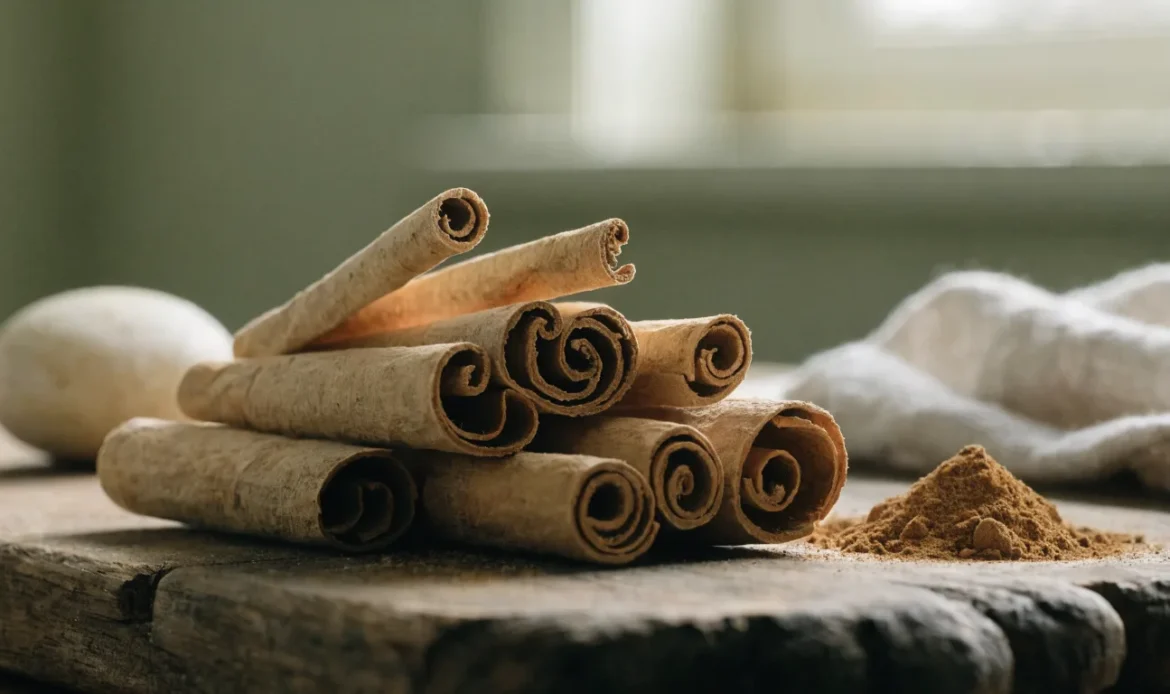
Short answer: “Cerulean Cinnamon” is a name you may see for a cinnamon product. It refers to cinnamon as a spice or ingredient. It is not a sea moss. If you find this label, check the botanical name, format (powder, stick, oil), and any supplier details before you buy.
What “Cerulean Cinnamon” means
- The phrase “Cerulean Cinnamon” is a product or brand-style name. It is not a botanical species name.
- Cinnamon itself comes from the inner bark of trees in the Cinnamomum family. Sellers use names to describe color, roast level, or a marketing concept.
- If a label says “Cerulean Cinnamon,” it should still list the botanical name (for example, Cinnamomum verum or Cinnamomum cassia) or other identifying details. That helps you know what you actually have.
What you can check at a glance
- Look for the botanical name (true cinnamon vs. cassia). That is the clearest identifier.
- Check format: whole bark, ground powder, essential oil, or extract.
- Read any processing claims (e.g., “ground,” “toasted”). These tell how the spice was prepared.
What the label cannot prove by itself
- A label often cannot prove growing conditions, exact origin, or purity unless the seller provides tests or certifications. Ask for more details if you need them.
Cinnamon: basic botanical differences (simple guide)
There are several common cinnamon types sold worldwide. Sellers should state which they provide. Here are plain descriptions you can use to compare.
- True cinnamon (often called Ceylon). It is one botanical group. It tends to have a milder, warmer flavor and thin, layered bark when whole.
- Cassia-type cinnamon. This name covers several related species. Cassia tends to have a bolder, woodier flavor and thicker bark when whole.
- Cinnamon oil and extracts. These are concentrated forms. They come from steam distillation or solvent extraction.
Note: Sellers sometimes apply descriptive or branded names to blends or single-origin spices. A descriptive name like “Cerulean Cinnamon” does not change the botanical identity. Always ask for the botanical name if that matters to you.
How cinnamon is sold: common formats and uses
Cinnamon reaches kitchens and shops in a few standard forms. Each has common uses.
- Whole sticks (quills). Good for simmering in sauces, rice, or stewed fruit. Easy to remove after cooking.
- Ground powder. Easy to measure. Good in baking, rubs, and blends. Powder is more exposed to air and loses aroma faster than whole sticks.
- Bark pieces or chips. Used for bulk infusions or craft uses.
- Essential oil. Highly concentrated. Used in small amounts for flavoring, aromatherapy, or manufacturing. Not the same as food-grade ground spice; follow safety guidance from the supplier.
- Extracts and tinctures. These are concentrated liquids used for flavor and manufacturing. Strength varies by product.
Below is a practical comparison table to help choose the best format for your purpose.
| Format | Best for | Pros | Cons |
|---|---|---|---|
| Whole sticks | Simmering, long infusions | Longer shelf life, easy to remove | Less convenient for baking |
| Ground powder | Baking, rubs, quick use | Easy to dose, mixes well | Loses aroma faster |
| Bark chips | Bulk infusions, crafts | Good for large batches | May need grinding |
| Essential oil | Small, intense flavoring | Very concentrated | Requires dilution and care |
| Extract/tincture | Manufacturing, beverages | Stable liquid form | Strength varies by product |
Culinary and cultural context — Caribbean angle
Cinnamon is used across many Caribbean kitchens. It appears in sweets, savory stews, beverages, and festive dishes.
- In many Caribbean recipes, cinnamon is paired with nutmeg, cloves, allspice, and ginger to make warm spice blends.
- Cinnamon can be used whole in rice dishes or drinks like spiced tea and rum-based beverages.
- Ground cinnamon is common in baked goods, porridges, and sweet breads.
- Street and home cooks may toast or briefly fry whole cinnamon sticks to release aroma before adding liquids.
When you buy a spice labeled with a special name, like “Cerulean Cinnamon,” you can ask the seller how that product is intended to be used in local or regional recipes.
How to pick a cinnamon: a practical checklist
Use this checklist when you buy cinnamon in a shop or online. These checks help you compare products without relying on marketing words.
- Does the product list a botanical name? (Cinnamomum verum, Cinnamomum cassia, etc.)
- Is the product whole, ground, oil, or extract? Does the format match your planned use?
- Is the grind level or mesh size listed for powders?
- Is there a processing note (e.g., toasted, steamed, unbleached)?
- Is there a lot or batch code and a production/pack date?
- Are storage instructions present (keep cool, airtight)?
- Does the seller provide origin or producer details if you ask?
- For oils or extracts: is there a recommended food-grade use statement or safety data?
- If you mix cinnamon with sea moss or other botanicals, does the seller provide guidance on combinations or possible interactions?
If the answer to several of these is “no,” ask the seller for more information before buying. A good seller will clarify what species is in the jar and how it was processed.
Storage and shelf life (practical, simple)
- Ground cinnamon: store in an airtight container. Keep it cool and dark. Use within months for best aroma.
- Whole sticks: keep in an airtight container. They stay fragrant longer than ground spice.
- Oils and extracts: store as the supplier recommends. Some need cool, dark storage and careful handling.
No spice lasts forever. Freshness affects aroma and flavor. Buy amounts you will use within a few months for ground spices, or within a year for whole bark if stored well.
Preparing and using cinnamon in recipes
Tips that work in home cooking:
- For hot infusions (tea, broth, stewed fruit), add whole sticks early so flavor can build slowly.
- For baked goods, mix ground cinnamon with dry ingredients to distribute flavor evenly.
- Toast whole sticks or ground spice lightly in a dry pan to release oils, but do so briefly to avoid burning.
- Grind your own from sticks if you want very fresh powder. Use a clean spice mill or mortar and pestle.
- If using essential oil, use extreme caution: it is concentrated. For food, follow exact dilution guidance from a food-grade supplier.
Recipe-friendly measurements (general, not a rule)
- One small cinnamon stick = about 1/2 to 1 teaspoon ground in flavor strength (depends on stick size and cooking time).
- Use small amounts first. You can always add more.
Pairing cinnamon with sea moss and other botanicals — what to check
Cinnamon is often combined with other ingredients for flavor. If you plan to pair it with sea moss products or other seaweed-based ingredients, keep these practical points in mind.
- Seaweed and sea moss can contain variable levels of iodine. That variability can affect total iodine in a meal or supplement mix. For background on seaweed iodine considerations, see the Harvard Nutrition Source and the literature on iodine in seaweed [1][2].
- If you are using sea moss supplements or seaweed ingredients in larger amounts, you may want to check the label for iodine content or ask the supplier for testing information. Surveys and reviews show iodine levels can vary by species and processing [3][5].
- Cinnamon itself does not supply significant iodine in typical culinary amounts. The main point is to be aware of what each ingredient adds to the final mix.
- If you use concentrated extracts, essential oils, or supplement-style products, ask the supplier about recommended use and safety. Sources focused on sea moss supplements suggest caution when combining multiple concentrated botanicals and advise checking labels and professional guidance [4].
What to ask sellers if you combine products
- Does the seaweed/sea moss product list measured iodine or mineral content?
- Is the cinnamon product a simple spice or part of a prepared blend with added ingredients?
- Are there any suggested use limits or safety notes for concentrated products?
We cannot say a combo is safe or unsafe without tests and a health consultation. These questions help you get the facts you need.
Buying guide: questions to ask a seller
When you contact a seller for more details about “Cerulean Cinnamon” or any cinnamon product, these are good, direct questions:
- What is the botanical name?
- What form is this product sold in (whole, ground, oil)?
- When was it packed and how was it processed?
- Can you provide a certificate of analysis or any lab testing for contaminants (if this matters to me)?
- Is this a single-origin product or a blend?
- Do you have recommended culinary uses?
- Are there any storage or safety instructions I should follow?
A transparent seller will answer these or tell you how to get the information.
Practical decision guide: choose cinnamon for your needs
Use this short guide to match format to use:
- You want long, subtle flavor in stews or drinks → choose whole sticks.
- You bake frequently → choose fresh ground powder or grind sticks yourself.
- You need strong aroma for small doses → consider an extract or essential oil from a reputable, food-grade supplier.
- You make large batches of infusions → bark chips or whole sticks in bulk work well.
Checklist for buying online
- Read the product description for botanical name.
- Check reviews for consistency in aroma (if available).
- Ask seller about grind date and packaging.
- Confirm shipping method preserves freshness (paper vs. sealed bag).
- Buy a small trial amount if you are unsure.
Label claims, certifications, and what they mean
- Terms like “organic,” “fair trade,” or “single-origin” have specific meanings when certified by recognized bodies. If a label uses these terms, check for the certifier name and a cert number.
- “Food-grade” on oils or extracts is a useful note. Ask for supplier safety data.
- If a seller uses creative names such as “Cerulean Cinnamon,” ask what distinguishes that product from a standard cinnamon listing.
If a label lacks detail, reach out to the seller. Good sourcing info helps you make an informed choice.
Conclusion
“Cerulean Cinnamon” is a name you may see applied to a cinnamon product. The name itself does not change the spice’s botanical identity. When you shop, look for clear labeling, a botanical name, format details, and storage instructions. If you plan to combine cinnamon with sea moss or other concentrated botanical products, check product labels and ask sellers about mineral testing and recommended use. These steps help you buy cinnamon that fits your cooking style and information needs.
Useful next steps
- Browse spices and botanical options on our Caribbean Botanicals page: /shop/caribbean-botanicals/
- Learn more about spices and safe supplement use at our learning hub: /learn/
- See our wider catalog: /shop/
- If you need bulk info, contact our wholesale team: /wholesale/
- Have a product question? Reach out at: /contact/
Continue reading
Frequently asked questions
Is Cerulean Cinnamon a type of sea moss?
No. Cinnamon is a spice from tree bark. Sea moss is a type of seaweed. They are different botanicals and come from different families.
How can I tell if cinnamon is “true” cinnamon or cassia?
Ask the seller for the botanical name. True cinnamon is often labeled Cinnamomum verum or Cinnamomum zeylanicum. Cassia-type species are often labeled Cinnamomum cassia or simply “cassia.” If the label does not give a botanical name, ask the seller.
How long does ground cinnamon stay fresh?
Ground cinnamon loses aroma faster than whole sticks. Store it airtight, cool, and dark. If you use cinnamon often, buy amounts you can use within a few months for the best flavor.
Can I use cinnamon with sea moss?
Yes, for flavor. Keep in mind that sea moss and other seaweed products can have variable iodine content. If you use seaweed-based supplements in larger amounts, check their labeling for mineral content or ask the supplier. If you have thyroid concerns, consult a health professional [1][2][3].
Is cinnamon oil the same as ground cinnamon?
No. Cinnamon oil is concentrated and much stronger. Food-grade oil must be handled and diluted carefully. Look for supplier guidance on safe dilution and food use.
What should I ask before buying a cinnamon product online?
Ask for the botanical name, format, pack/lot details, and any safety or storage notes. If the product is part of a blend, ask for a full ingredient list.
References
- [1] Harvard T.H. Chan School of Public Health, “Seaweed.” https://nutritionsource.hsph.harvard.edu/seaweed/
- [2] Smyth PPA. “Iodine, Seaweed, and the Thyroid.” European Thyroid Journal, 2021. https://pmc.ncbi.nlm.nih.gov/articles/PMC8077470/
- [3] Food Standards Australia New Zealand, “Survey of iodine levels in seaweed and seaweed containing products,” updated 2025. https://www.foodstandards.gov.au/science-data/monitoring-safety/surveyofiodinelevels
- [4] Operation Supplement Safety, “Sea Moss in Dietary Supplements.” https://www.opss.org/article/sea-moss-dietary-supplements
- [5] Blikra MJ et al. “Consequences of acute and long-term excessive iodine intake: A literature review focusing on seaweed as a potential dietary iodine source.” 2024. https://doi.org/10.1111/1541-4337.70037