
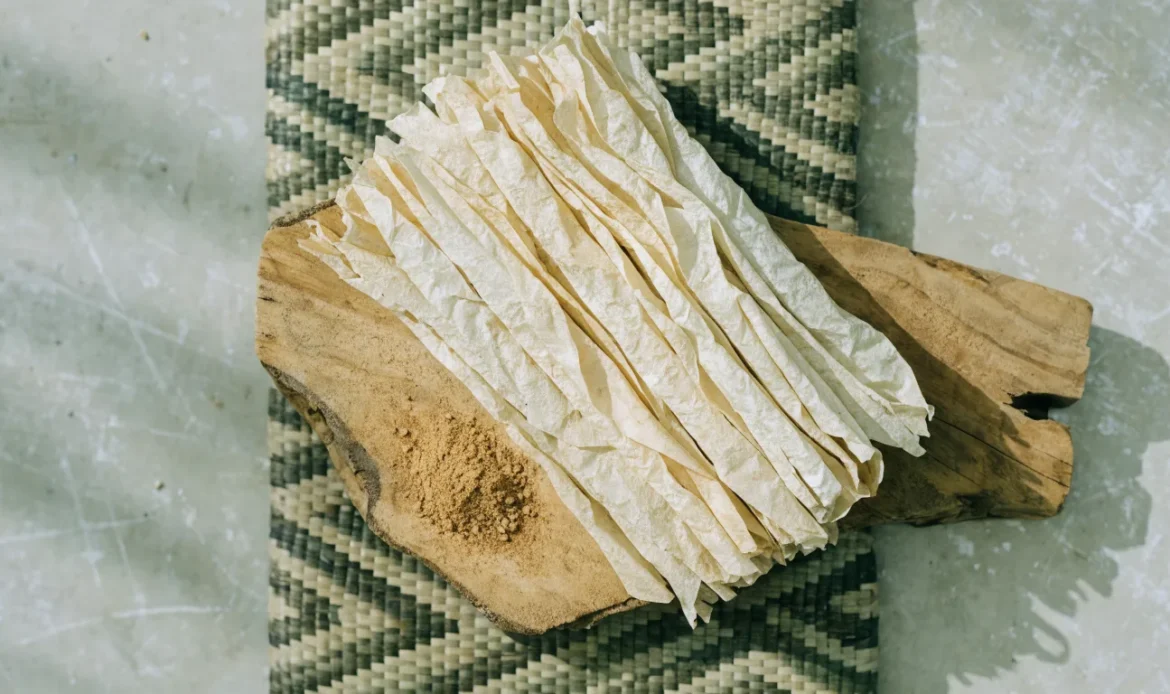
Short answer: Salem cinnamon is a common market name for culinary cinnamon sold in some Caribbean and regional markets. It can appear as sticks (quills), broken bark, or ground powder. The name “Salem cinnamon” tells you about how the spice is sold locally, not the exact plant species. If you need a specific botanical type, check the label or ask the supplier.
Why this matters up front: buyers often confuse trade names with species or with other products like sea moss. This page helps you identify forms, pick a format for cooking or blending, check supplier info, and avoid mixing product facts with unrelated seaweed concerns.
What “Salem cinnamon” usually refers to
- Salem cinnamon is a market or trade name used for cinnamon in Caribbean markets. It is not a single scientific name.
- The spice may be sold as whole sticks, broken bark pieces, or finely ground powder.
- Sellers may use the name to mean cinnamon from a particular region, a common style, or a local brand. Labels and supplier notes will give the clearest botanical or origin details.
What you can check on a package or from a supplier
- Form: whole sticks, broken bark, or ground.
- Any botanical name listed (for example, a label might show Cinnamomum verum or Cinnamomum cassia).
- Packaging date or best-by date.
- Net weight and whether any other spices or fillers are present.
- Contact info for the seller or brand.
If a label does not list a botanical name, ask the seller. Botanical species can affect flavor and how you use the spice.
Cinnamon forms and how they differ
H2: Common commercial forms
H3: Whole sticks (quills)
- Long bark rolls, often used in simmered drinks or stews.
- Good for infusing liquids. You can remove them after cooking.
- Easier to store for longer flavor retention than powdered forms.
H3: Broken bark pieces
- Smaller bark shards. Useful for easy steeping.
- Can be toasted briefly to bring out aroma before use.
H3: Ground powder
- Fine or coarse powders for baking and quick blending.
- Easier to measure for recipes.
- Ground cinnamon loses aroma faster than whole bark when exposed to air.
H3: Oils and extracts (commercial)
- Concentrated forms used by industry or flavor labs.
- Not the same as culinary powder or sticks; they are stronger and need careful dosing.
H3: Flavored blends
- You may find cinnamon mixed with other spices or sugars. Read the label to know what else is included.
Culinary uses and Caribbean context
- Cinnamon is used across the Caribbean in drinks, baked goods, rice dishes, and marinades.
- Whole sticks are common in slow-simmered drinks like tea, spiced cocoa, or regional beverages.
- Ground cinnamon is popular for desserts and baking.
- Cultural recipes often use cinnamon along with nutmeg, cloves, ginger, and allspice. Each island or family may have its own traditional mixes and names.
- If a recipe calls for “Salem cinnamon,” it usually points to a local form or texture rather than a specific species. When in doubt, match the recipe’s form: use sticks for simmering and powder for baking.
How to prepare and use Salem cinnamon
- For hot drinks: add a stick or a broken piece to the pot while heating. Remove before serving.
- For rice or stews: tuck a stick into the pot, or grind a small amount of broken bark in a spice mill.
- For baking: use ground cinnamon measured by spoon. If using a stick instead of powder, you can grind it in a clean coffee or spice grinder.
- To toast: dry-toast whole sticks or shards in a pan for 30–60 seconds to awaken oils. Do not burn them.
- To make powder from sticks: break them into pieces and grind in a spice grinder. Sieve if you need a fine powder.
Buying tips and what to ask a supplier
Short checklist before purchase:
- Does the label show the botanical name?
- What form is it sold in (sticks, broken bark, ground)?
- Is it pure cinnamon or a blend?
- Are there any added ingredients or anti-caking agents?
- What is the harvest, pack, or best-by date?
- Can the seller provide photos or samples?
If you buy for a business or frequent use, ask about bulk packaging and whether they offer specifications or a product sheet. If the supplier lists only “Salem cinnamon,” ask directly which cinnamon species is used.
Decision guide: choosing the right form
| Your use | Best form | Why |
|---|---|---|
| Long-simmered drinks or stews | Whole sticks | Easy to remove; slow-release flavor |
| Baking (cakes, cookies) | Ground powder | Even distribution in batter |
| Infusing oils or syrups | Broken bark or small quills | Larger surface area than whole quills |
| Long-term storage | Whole sticks | Slower loss of aroma vs ground |
| Quick seasoning for cooked dish | Ground powder | Fast and even mixing |
Storage and shelf-life guidance
- Store in airtight containers.
- Keep in a cool, dry, dark place away from direct sunlight and heat.
- Avoid moisture. Damp storage leads to clumping or spoilage.
- Whole sticks retain aroma longer than ground powder.
- For best aroma and flavor, use ground cinnamon within months of opening. Whole sticks can last longer if stored well.
Note: packaging dates are useful. Ask for a pack date when buying in bulk or for wholesale.
Safety notes and important distinctions
- Cinnamon used in cooking is generally safe at culinary levels.
- Trade names like “Salem” do not indicate safety testing or lab results. Check seller documentation if you need lab testing or certificates.
- If you plan to eat very large amounts of any spice regularly, seek guidance from a qualified health professional.
Distinguishing cinnamon from sea moss and seaweed products
- Cinnamon is a tree bark spice. Sea moss and seaweed are marine algae and are very different products.
- If you shop in a place that also sells sea moss or other botanicals, read labels carefully so you do not confuse the products.
Why the distinction matters
- Seaweed products can contain iodine and other minerals. Those can affect people with specific dietary needs or thyroid conditions. For seaweed and sea moss, seek information and guidance in product descriptions or from health professionals. See guidance on seaweed and iodine from public health sources in the References [1][2][3][5].
- Cinnamon does not carry the same concerns as seaweed, but always read labels and supplier notes for any product.
For more on sea moss products and safety, see operation supplement safety guidance and public resources on seaweed [4][1].
Buying for business or wholesale
If you are a buyer for a cafe, restaurant, or retail brand:
- Request clear product descriptions and botanical names.
- Ask for bulk packaging options and shelf-life information.
- Consider a sample order before committing to large quantities.
- Keep records of lot numbers and supplier contacts.
If you need help sourcing Caribbean spices or botanicals, see our Caribbean botanicals section: /shop/caribbean-botanicals/. For wholesale inquiries, use the wholesale page: /wholesale/. For general product browsing see /shop/. For questions use /contact/.
Practical checklist before using or buying Salem cinnamon
- Check label for form and any added ingredients.
- Confirm botanical name if species matters to you.
- Smell the product: fresh cinnamon has a warm, sweet, woody aroma.
- Inspect for moisture or mold (no visible white fuzzy growth).
- If buying ground cinnamon, check for clumping from moisture.
- Ask for pack or best-by dates for bulk orders.
- Request a small sample when possible, especially for larger purchases.
- Store in airtight containers away from heat and moisture once opened.
How to pick a next action
- If you only want to cook: buy the form called for in the recipe. Whole sticks for infusing; ground for baking.
- If you need a specific species: ask the supplier for the botanical name or a product sheet.
- If buying in bulk or for resale: request a sample, pack dates, and supplier contact. Consider lab testing if product specs are critical to your business.
- If you mix cinnamon with sea moss or other botanicals in a product: keep clear labels and supplier documentation for each ingredient. Distinguish natural differences (tree bark vs marine algae) in your product sheets.
Useful internal links
- Explore our Caribbean botanicals: /shop/caribbean-botanicals/
- Browse other products: /shop/
- Wholesale inquiries: /wholesale/
- Learn more about botanicals and sourcing: /learn/
- Contact us for supplier info or questions: /contact/
- Back to our home page: /
Conclusion
“Salem cinnamon” is a trade name you will see in Caribbean markets. It describes a spice sold in different formats, not a single scientific species. Choose the form that matches your recipe or use. When species matters, look for botanical names or ask the supplier. Keep cinnamon dry and airtight. And remember, cinnamon and sea moss are different product types. If you handle both, label and store them separately and check supplier documentation for each.
Continue reading
Frequently asked questions
Is “Salem cinnamon” a specific species?
Not necessarily. “Salem cinnamon” is a market name. The actual species may differ. Look for a botanical name on the label or ask the supplier.
Which form is best for making spiced tea?
Whole sticks or broken bark pieces are best for steeping. They release flavor slowly and are easy to remove from the drink.
Can I grind cinnamon sticks into powder at home?
Yes. Use a clean spice grinder or a mortar and pestle. Break the sticks into smaller pieces before grinding. For a very fine powder, sift the ground spice.
How should I store Salem cinnamon in bulk?
Keep it in airtight containers in a cool, dry, and dark place. Avoid humidity and direct heat. For ground cinnamon, consider using smaller containers to reduce exposure to air.
Are there safety issues with cinnamon?
Cinnamon is safe in normal culinary amounts. If you plan to use large amounts daily, talk to a qualified professional. Also, be careful about product mixing and always read supplier documentation.
Is cinnamon the same as sea moss?
No. Cinnamon is a dried tree bark spice. Sea moss is a seaweed (marine algae). They are different products with different uses and safety considerations. See public guidance on seaweed and iodine for sea moss products [1][2][3][5].
References
- Harvard T.H. Chan School of Public Health, “Seaweed.” https://nutritionsource.hsph.harvard.edu/seaweed/
- Smyth PPA. “Iodine, Seaweed, and the Thyroid.” European Thyroid Journal, 2021. https://pmc.ncbi.nlm.nih.gov/articles/PMC8077470/
- Food Standards Australia New Zealand, “Survey of iodine levels in seaweed and seaweed containing products,” updated 2025. https://www.foodstandards.gov.au/science-data/monitoring-safety/surveyofiodinelevels
- Operation Supplement Safety, “Sea Moss in Dietary Supplements.” https://www.opss.org/article/sea-moss-dietary-supplements
- Blikra MJ et al. “Consequences of acute and long-term excessive iodine intake: A literature review focusing on seaweed as a potential dietary iodine source.” 2024. https://doi.org/10.1111/1541-4337.70037