
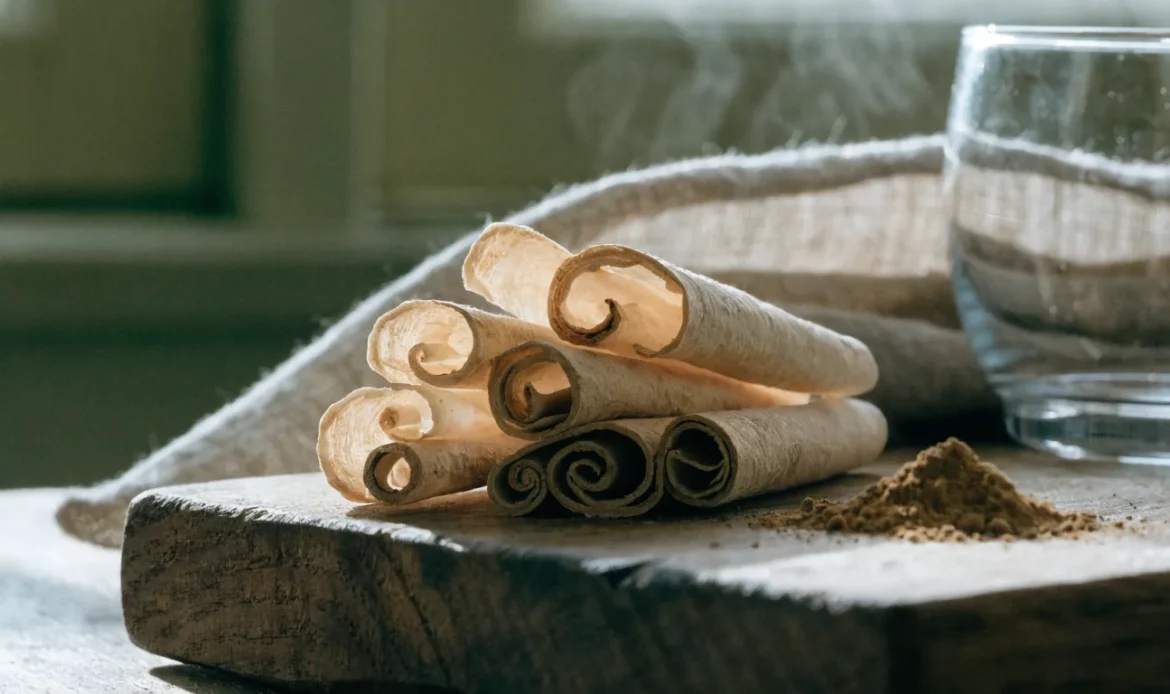
Short answer: “Cyan cinnamon” is not a standard botanical name. Most of the time people mean Ceylon cinnamon (true cinnamon) or they see a product name, a color reference, or a labeling error. This page explains the likely meanings, how to check cinnamon types, and how to avoid confusion with sea moss and other products.
Why this matters: cinnamon comes in different species and forms. Names on a label tell you something, but they do not prove everything. You can check a few simple features at home or ask a seller for clear details. If you need lab testing, a seller or buyer can request it.
If you came here from our shop, see our Caribbean botanicals for related spices and guides: /shop/caribbean-botanicals/. For wholesale inquiries, visit /wholesale/. If you want general product info, try /shop/ or /learn/. Contact us at /contact/ for questions about items we sell.
What “Cyan Cinnamon” likely means
People use the phrase “cyan cinnamon” in different ways. None of these is a formal botanical term. Here are the common possibilities:
- A misspelling or misspeaking of “Ceylon cinnamon.” Ceylon (pronounced SAY-lon) is a well-known name for Cinnamomum verum, often called “true cinnamon.”
- A product name or brand. A seller might use “Cyan” as a name or part of a brand label.
- A color description. “Cyan” is a blue-green color. A cinnamon product described as cyan may be dyed, mixed with colored ingredients, or presented with colored packaging. Natural, dried cinnamon is brown to tan, not cyan.
- A printing or labeling error. Sometimes labels have typos or layout mistakes.
- A confusion with another item in a mixed product display. For example, a vendor who sells sea moss, herbs, and spices might have a colored tag near cinnamon, which could cause confusion.
If you see “cyan cinnamon” on a label, ask the seller what they mean. Ask for the botanical name (Latin name) or the supplier details. If a color is claimed, ask how it was achieved.
Ceylon versus cassia: the most useful botanical split
When people talk about cinnamon, they usually mean one of two types:
- Ceylon cinnamon (Cinnamomum verum). Often called “true cinnamon.” It comes from the inner bark of a specific tree. The quills tend to be thin and layered.
- Cassia cinnamon (several Cinnamomum species, like C. cassia). Common in many markets. The quills are thicker and more solid.
What to look for:
- Texture and shape: Ceylon sticks are usually thinner and have many paper-thin layers. Cassia sticks look like one thick rolled tube.
- Color and aroma: Both are brown. The scent can differ, but smell alone does not prove a species.
- Labeling: Look for the botanical name. “Cinnamomum verum” or “Ceylon” points to true cinnamon. “Cassia” or unspecified “cinnamon” often means cassia.
- Testing: Some compounds differ by species. For certainty, a lab test is needed.
Note: Sellers sometimes use “true cinnamon” as marketing. That term is not regulated in all markets. If species matters to you, ask for the botanical name.
How to check what you have at home
If you already have a jar or stick of cinnamon and want to know whether it is Ceylon or cassia, you can try these simple checks. None of them proves the species conclusively. They help you form a reasonable guess.
- Look at the sticks:
- Many thin layers that break easily = likely Ceylon.
- One thick, heavy stick or bark that is hard to break = likely cassia.
- Break a stick:
- Ceylon tends to crumble into light flakes.
- Cassia breaks with a clean snap because it is harder.
- Smell it:
- Ceylon often smells delicate and sweet.
- Cassia can smell stronger and woodier.
- Smell is subjective. It depends on age and storage.
- Check the label:
- Botanical names are the best clue.
- Country of origin can hint, but it is not proof.
- Consider testing:
- If you need to know for legal, scientific, or medical reasons, ask for lab testing through a qualified lab or ask the seller for third-party test reports.
These checks are practical for a kitchen or market. They are not replacements for a lab certificate.
Buying checklist: what to ask and what to read on a label
Here is a short decision guide you can use when you buy cinnamon, online or in person.
- Does the label give a botanical name? (Yes/No)
- Is the product called “Ceylon,” “Cinnamomum verum,” or “true cinnamon”? (Yes/No)
- Is it labeled “Cassia” or unnamed “cinnamon”? (Note)
- Is the product whole sticks or ground powder? (Choose)
- Are there ingredient lists or additives? (Check)
- Is there a stated country of origin? (Note)
- Is there a batch number or lot code? (Good for traceability)
- Can the seller provide a certificate of analysis (COA) or lab report if you ask? (Request)
- Is the product packaged to protect scent (sealed, airtight)? (Yes/No)
- Does the price seem unusually low? (Be cautious—very low prices can mean mixed or low-quality product)
You can copy this checklist when you shop.
Decision table: Is it Ceylon, Cassia, or something else?
| Feature to check | Likely Ceylon (true cinnamon) | Likely Cassia | Notes |
|---|---|---|---|
| Botanical name listed | Cinnamomum verum or “Ceylon” | Cinnamomum cassia or unspecified “cinnamon” | Botanical name is the most direct clue |
| Stick appearance | Thin, multi-layered quills | Thick, single-layer bark | Visual check in store or with product images |
| Break test | Crumbles into flakes | Breaks with a snap | Try at home if you have sticks |
| Aroma | More delicate, sweet | Stronger, heavier | Subjective |
| Common use | Delicate desserts, baking | General use, bold flavor dishes | Both are used widely in cooking |
| Lab confirmation | Requires lab test | Requires lab test | Only lab testing proves species and contents |
This table helps you decide which follow-up questions to ask.
Culinary uses and interchangeability
Cinnamon is used in many cuisines, including Caribbean dishes. Here are practical notes for cooking:
- Ground vs whole: Use ground cinnamon for even mixing. Use sticks for stewing, infusions, and presentation.
- Texture: Ground cinnamon dissolves more in liquids. Whole sticks add slower, gentler flavor.
- Ceylon vs cassia in recipes: Many recipes use whichever cinnamon is available. Ceylon has a lighter, more delicate profile. Cassia is bolder. If a recipe asks for “a pinch,” the difference is usually small.
- Baking tip: If a recipe calls for cinnamon and does not specify type, use what you have. If you prefer a lighter taste, choose Ceylon. For stronger notes, use cassia.
- Pairings: Cinnamon pairs with nutmeg, vanilla, citrus, chocolate, and dried fruits. It also appears in savory blends like jerk rubs or curry mixes.
Do not assume therapeutic or medical benefits from culinary use. Cinnamon is primarily a flavoring and aromatic ingredient in cooking.
Storage and freshness
To keep cinnamon usable and flavorful:
- Store in an airtight container.
- Keep it in a cool, dark place away from direct heat and sunlight.
- Whole sticks keep aroma longer than ground powder.
- Ground cinnamon loses aroma faster than whole sticks.
- Label your container with purchase date so you know how long it’s been open.
These are practical steps to preserve flavor. They do not guarantee indefinite quality. If you detect off smell or mold, discard the product.
Cinnamon and sea moss: clear differences
Cinnamon and sea moss are entirely different types of products.
- Cinnamon is bark from trees in the Cinnamomum genus. It is a dry spice.
- Sea moss is a seaweed, a type of marine algae commonly sold dried or as gels or supplements. Sea moss is sometimes called Irish moss or by Latin names depending on species.
Why mention sea moss here? Zen Wholesalers sells sea moss and Caribbean botanicals, and customers sometimes ask about both in the same shopping context. It helps to spell out differences so buyers do not confuse labels or health information.
Important points about seaweed and sea moss products:
- Seaweeds can contain iodine. Iodine amounts vary widely by species and harvest location. (See references [1] and [2].)
- Because seaweed can be high in iodine, people who need to manage iodine intake or thyroid conditions should check product information and talk to a healthcare professional. Lab testing can show iodine levels in a product. (See references [2] and [5].)
- Sea moss sold as a supplement has regulatory concerns in some markets. Look for clear labeling, batch information, and third-party testing where available. (See reference [4].)
If you see “cyan cinnamon” near sea moss on a product table or in a mixed display, it is safe to ask the vendor to clarify. Do not assume items with similar packaging are the same product.
When to ask for more proof or testing
You might want lab testing or clearer proof when:
- You have a medical reason to avoid a specific compound. Ask for a certificate of analysis (COA).
- You are buying large quantities for resale or food production and need consistent composition.
- You need a confirmed botanical identity for labeling rules.
- You suspect mislabeling or contamination.
What to ask the seller:
- Can you provide the botanical name?
- Do you have a COA or lab report for this lot?
- What is the country of origin and harvest date?
- How was the product stored before sale?
Sellers who deal with wholesale or food production often have more documentation. If you need traceability, ask for it early.
Practical checklist you can use now
Copy and use this checklist when you shop or inspect cinnamon products.
- [ ] Does the product list a botanical name (e.g., Cinnamomum verum)?
- [ ] Is the product labeled as “Ceylon” or “cassia”?
- [ ] Are whole sticks available to inspect?
- [ ] Do sticks show many thin layers or one thick layer?
- [ ] Can the seller provide a COA or third-party test if requested?
- [ ] Is there a visible batch number or lot code?
- [ ] Is the product sealed or in an airtight container?
- [ ] Is the price in line with other similar products? (If very low, ask why.)
- [ ] Are there additives listed in the ingredient panel?
- [ ] If color terms like “cyan” appear, ask how that color is achieved.
This checklist is practical. It helps you form a clear next question to ask the seller.
Conclusion
“Cyan cinnamon” is not a formal spice name. Most likely it is a misspelling, marketing label, or coloring reference. If you need to know the botanical identity, ask for the Latin name and consider a simple home check (stick shape, break test, smell). For certainty, request lab testing or a certificate of analysis. Remember that cinnamon is a tree bark spice. It is different from sea moss, which is seaweed and can contain variable iodine levels. If you want help finding reliable cinnamon or other Caribbean botanicals, check our product pages and guides: /shop/caribbean-botanicals/, /learn/, or contact us at /contact/. For wholesale options, see /wholesale/ or our main shop page /shop/.
Continue reading
Frequently asked questions
Is “cyan cinnamon” the same as Ceylon cinnamon?
Not necessarily. “Cyan cinnamon” is not a standard botanical name. Many times it is a misspelling or marketing name. If you mean Ceylon cinnamon, look for “Cinnamomum verum” or “Ceylon” on the label.
Can cinnamon be blue-green (cyan) naturally?
No. Dried cinnamon bark ranges from light tan to dark brown. Blue-green or cyan hues do not occur naturally in dried cinnamon. If a product is cyan-colored, ask the seller how the color was obtained.
How can I tell Ceylon from cassia at home?
Look at stick structure. Ceylon has thin, papery layers. Cassia is thicker and harder. Smell and taste give clues, but they are not conclusive.
Should I be worried about iodine when I buy cinnamon?
Iodine concerns are for seaweed and seaweeds like sea moss, not for cinnamon. Seaweed products can contain variable iodine; check sources and tests for seaweed items if iodine matters to you (see references [1], [2], [4], [5]).
What should I ask a seller if a label says “cyan cinnamon”?
Ask for the botanical name, the source or country of origin, whether any dyes or additives were used, and whether they can provide a lot code or COA.
Where can I learn more about spices and Caribbean botanicals?
Start with reputable supplier pages and cooking guides. For information on our products and related botanicals, visit /shop/caribbean-botanicals/ and our general shop at /shop/. If you have a buying or wholesale question, see /wholesale/ or contact us at /contact/.
References
- Harvard T.H. Chan School of Public Health, “Seaweed.” https://nutritionsource.hsph.harvard.edu/seaweed/
- Smyth PPA. “Iodine, Seaweed, and the Thyroid.” European Thyroid Journal, 2021. https://pmc.ncbi.nlm.nih.gov/articles/PMC8077470/
- Food Standards Australia New Zealand, “Survey of iodine levels in seaweed and seaweed containing products,” updated 2025. https://www.foodstandards.gov.au/science-data/monitoring-safety/surveyofiodinelevels
- Operation Supplement Safety, “Sea Moss in Dietary Supplements.” https://www.opss.org/article/sea-moss-dietary-supplements
- Blikra MJ et al. “Consequences of acute and long-term excessive iodine intake: A literature review focusing on seaweed as a potential dietary iodine source.” 2024. https://doi.org/10.1111/1541-4337.70037