
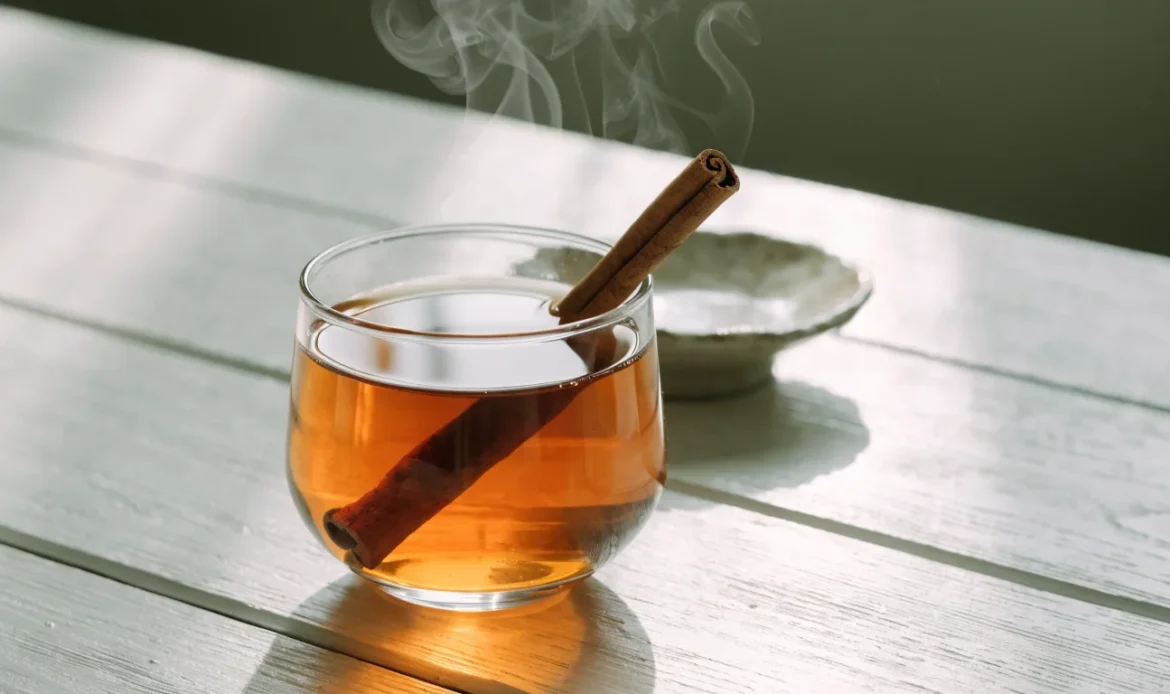
Short answer: A cinnamon stick is a piece of dried tree bark used to flavor tea and other drinks. Use whole sticks for clear, warm spice notes. Choose Ceylon for a mild, sweet cup or cassia for a stronger, spicier cup. Read on for how to pick, brew, store, and pair cinnamon sticks, plus safety checks and a simple decision guide.
What is a cinnamon stick?
A cinnamon stick is the rolled bark of a cinnamon tree. When the bark dries it curls into a stick or quill. People use these sticks to flavor teas, stews, and desserts. They give a warm, sweet aroma and a cinnamon taste without adding powder grit.
Two common botanical types appear in markets:
- Ceylon cinnamon (Cinnamomum verum). Lighter color. Thin, many-layered quills. Milder, sweeter taste.
- Cassia cinnamon (often labeled simply “cassia” or “Chinese cinnamon”). Darker and thicker. Stronger, spicier and more astringent.
Both are “cinnamon” but they come from different tree species. For tea, the type you choose affects the flavor and how long you might steep the stick.
How cinnamon sticks are used in tea
Cinnamon sticks add flavor slowly. You can:
- Steep a stick in hot water like a tea bag.
- Simmer a stick with other spices for chai or mulled drinks.
- Crack or snap a stick to release more aroma before steeping.
- Use cold-brew methods for iced tea or infused waters.
Whole sticks keep the drink clear and let you control intensity. They can often be reused once or twice for the same day.
Choosing the right cinnamon stick for tea
Pick based on flavor, use, and personal preference.
Look for:
- Clean appearance. No mold, damp spots, or foreign matter.
- Nice smell. Fresh cinnamon has a warm, sweet scent.
- Texture. Ceylon is thin and curls tightly. Cassia is harder and thicker.
If you are unsure, try both types side by side in small cups to compare. Small tastes will quickly show which you prefer.
Brewing methods and simple recipes
Basic steep (single cup)
- Break a 1–2 inch stick in half. Place in a mug.
- Pour 8–10 ounces (about 250–300 ml) of just-off-boil water over it.
- Steep 5–10 minutes. Taste and remove the stick when it’s right for you.
- Add honey, lemon, milk, or another sweetener if desired.
Stronger stovetop brew (pot)
- Use 1–2 sticks per 4 cups (1 liter) of water.
- Simmer gently for 10–15 minutes. Do not boil hard; a low simmer extracts flavor without too much bitterness.
- Strain and serve hot or chill for iced tea.
Spiced chai base
- Simmer 1–2 cinnamon sticks with crushed cardamom, cloves, ginger, and black tea for 5–10 minutes.
- Add milk and warm through. Sweeten to taste.
Cold-brew cinnamon tea
- Place 2–3 cinnamon sticks in a pitcher with 1 liter cold water.
- Refrigerate 6–12 hours, then remove sticks and sweeten if you like.
Re-using sticks
- A stick can often be used a second time the same day for a lighter cup. Store it dry between uses.
Flavor tips and pairings
Cinnamon pairs well with:
- Black and rooibos teas.
- Citrus (orange or lemon).
- Ginger and cardamom.
- Vanilla or nutmeg.
- Sea moss gel or other thickeners for texture and mild flavor (note: sea moss is a marine algae and not related to cinnamon; see the safety note below).
To boost aroma before brewing, gently snap the stick or scrape the inner surface with a spoon to release essential oils.
Safety and modest cautions
Cinnamon is a food spice, but a few points are useful:
- Cassia cinnamon contains more of a compound called coumarin than Ceylon. Large, frequent intake of coumarin may raise safety questions for some people. If you regularly drink many cups of cinnamon-strong tea, you may prefer Ceylon or discuss intake with a health professional.
- If you are pregnant, nursing, taking medication, or have a health condition, check with a healthcare professional before making large or daily changes to your diet.
- Keep cinnamon sticks dry in storage to avoid mold.
These are general safety notes. They do not replace medical advice.
Cinnamon vs. sea moss — two different ingredients
Zen Wholesalers focuses on Caribbean sea moss, a marine algae product. Cinnamon is tree bark; sea moss is algae. People sometimes combine them—for example, to add cinnamon flavor to sea moss gel—but they are separate products with different sourcing, storage, and use guidelines.
If you are using sea moss or other algae-based products, be aware that seaweeds can contain variable levels of iodine and other minerals. Food-safety assessments and regulatory guidance exist for seaweed products. If you plan to mix ingredients or to use sea moss regularly, read product labels and any safety notes. For wider context on seaweed and safety, see the References section. This article does not make claims about health benefits for cinnamon or sea moss.
How to store cinnamon sticks
- Keep in a cool, dry place away from direct sun.
- Use an airtight container, jar, or sealed bag.
- Whole sticks keep longer than powdered cinnamon because they lose fewer volatile oils.
- Freeze only if you must store for many months; allow sticks to come to room temperature in the sealed container before opening to avoid condensation.
Buying guide decision table
Use this quick decision table to choose cinnamon sticks for tea.
| Need / Question | Choose Ceylon | Choose Cassia |
|---|---|---|
| You want a mild, sweet, delicate cup | ✓ | |
| You want bold, spicy, strong cinnamon flavor | · ✓ | |
| You want a finely layered, friable quill | ✓ | |
| You want a hard, rustic stick for long simmering | · ✓ | |
| You limit daily spice intake or want lower coumarin | ✓ (better) | |
| Budget is the main concern (cassia often cheaper) | · ✓ | |
| Reusing sticks for multiple brews | ✓ (often) | ✓ (often) |
Checklist before you steep
- Is the stick clean and dry? Yes / No
- Did I taste a small steep to check strength? Yes / No
- Will I use milk, lemon, or sweetener? Note choice
- Any reason to limit cinnamon in my diet? (pregnancy, medication, health condition): Yes / No — consult a professional if Yes
Practical buying and sourcing notes
- Read product descriptions for “Ceylon” or “true cinnamon” vs “cassia” or “Chinese cinnamon.”
- Look for whole, intact quills rather than broken, powdery debris.
- If origin is important to you, ask the seller for more details. Sellers should be able to describe their product form (whole quill, size), packing, and storage guidance. Zen Wholesalers highlights botanical products in its Caribbean botanicals collection; browse options at /shop/caribbean-botanicals/.
- For larger needs, check our wholesale options: /wholesale/.
- If you want other botanicals with cinnamon, see our general shop: /shop/.
- Learn more about botanical sourcing and product basics at /learn/.
- Contact us with any sourcing or packing questions: /contact/.
Conclusion
Cinnamon sticks are an easy, low-fuss way to flavor tea. Choose Ceylon for a soft, sweet cup and cassia for stronger spice. Use whole sticks for a clear brew, simmer gently when you want a bold infusion, and keep sticks dry in airtight storage. If you use sea moss or take other dietary supplements, treat each product on its own terms and read labels. For botanicals and bulk options, visit our Caribbean botanicals shop or reach out through our contact page.
Internal links
- Browse cinnamon and related botanicals at /shop/caribbean-botanicals/.
- Learn more about botanical basics at /learn/.
- Shop our full catalogue at /shop/.
- Ask about bulk orders at /wholesale/.
Continue reading
Frequently asked questions
Can I use one cinnamon stick per cup?
Yes. One 1–2 inch stick is a common starting point for one mug. Adjust by taste.
How long should I steep a cinnamon stick?
For a single hot cup, 5–10 minutes is a good range. For thicker flavor, simmer 10–15 minutes on low heat.
Can I eat the cinnamon stick after steeping?
The stick is edible but tough. People sometimes chew it for flavor, but most remove it. It is safe to discard after use.
Which cinnamon is safer for daily use?
Ceylon typically has much lower levels of certain compounds (like coumarin) than cassia. If you plan many daily cups, Ceylon is a cautious choice. Talk to a healthcare provider if you have concerns.
Can I combine cinnamon sticks with sea moss gel?
Yes, for flavor. Cinnamon adds warm spice to sea moss gel or mixed drinks. Remember cinnamon and sea moss are different products and have separate storage and safety notes.
How many times can I reuse a cinnamon stick?
Often once or twice in the same day. The second brew will be milder. Store it dry between uses.
References
- Harvard T.H. Chan School of Public Health, “Seaweed.” https://nutritionsource.hsph.harvard.edu/seaweed/
- Smyth PPA. “Iodine, Seaweed, and the Thyroid.” European Thyroid Journal, 2021. https://pmc.ncbi.nlm.nih.gov/articles/PMC8077470/
- Food Standards Australia New Zealand, “Survey of iodine levels in seaweed and seaweed containing products,” updated 2025. https://www.foodstandards.gov.au/science-data/monitoring-safety/surveyofiodinelevels
- Operation Supplement Safety, “Sea Moss in Dietary Supplements.” https://www.opss.org/article/sea-moss-dietary-supplements
- Blikra MJ et al. “Consequences of acute and long-term excessive iodine intake: A literature review focusing on seaweed as a potential dietary iodine source.” 2024. https://doi.org/10.1111/1541-4337.70037