
Short answer
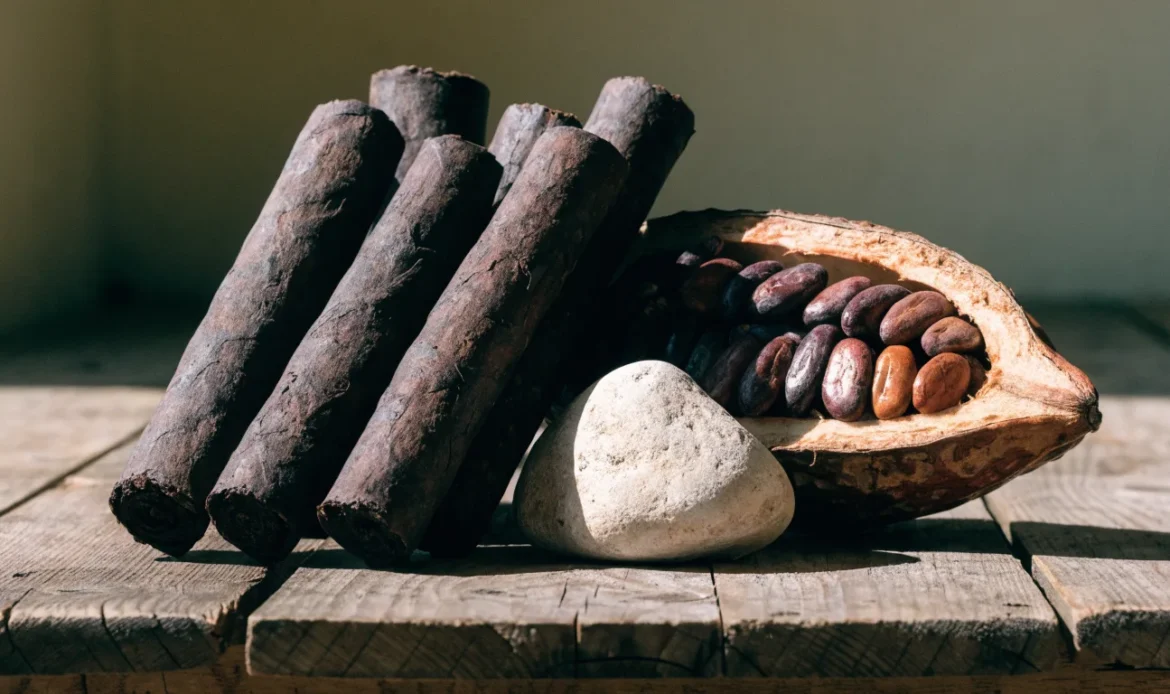
A cocoa stick is a concentrated block of roasted cocoa and sweeteners shaped for making hot cocoa. It is a Caribbean format used for quick, rich cocoa drinks. Cocoa sticks are a cocoa product, not sea moss. Read labels to be sure of added ingredients and any mix-ins.
Why this guide
This page explains what cocoa sticks are. It covers how to use them. It shows formats and buying checks. It also points out safety items to watch for. Links are given if you want to shop or learn more.
What is a cocoa stick?
A cocoa stick is a compact form of cocoa. Makers grind roasted cacao. They mix it with sugar and spices. Then they press or shape it into sticks, rounds, or tablets. The result dissolves into hot milk or water. The drink is often called cocoa tea, hot chocolate, or Caribbean cocoa.
Where you find them
Cocoa sticks are common across parts of the Caribbean. They are sold at markets, in specialty shops, and online. Some are made by hand. Others are made by small factories. Names and exact recipes can vary by island and family tradition.
Common ingredients
- Roasted cacao or cocoa mass.
- Sugar or other sweetener.
- Spices such as cinnamon, nutmeg, or vanilla.
- Occasional dairy powder, salt, or flavoring.
Always read the label. Some makers add milk powder, soy, or other ingredients. If you have allergies or diet limits, label reading is important.
Note on sea moss and botanical ID
Cocoa sticks are cocoa products. They are not seaweed. Some sellers offer both sea moss and cocoa items. A product labeled “sea moss cocoa” would contain seaweed. If a cocoa stick contains sea moss, the label should state that. Seaweed ingredients can change how the product behaves and how it should be stored. See the safety section for why this matters. For general seaweed information, see References [1][2][5].
How to prepare a cocoa stick — quick method
This section gives a simple way to make a cup of hot cocoa from a cocoa stick.
Basic steps
- Break or grate a cocoa stick into small pieces.
- Put pieces in a small pot. Add a cup of water or milk.
- Heat gently while stirring. Do not boil hard. Simmer for a few minutes to help the cocoa dissolve.
- Strain if you want a smoother drink.
- Taste and add extra sugar or milk if you like.
Tips
- Grating or chopping helps the stick dissolve faster.
- Use milk for a richer drink. Use water if you prefer lighter cocoa.
- Simmering helps meld spices and gives more body than plain stirring.
Alternative: make a batch
For more cups, use one stick for several cups, or more sticks for a richer batch. Adjust to taste.
Flavor and spice profiles
Cocoa sticks can be simple or complex. Many include warm spices. The spice mix is often a local or family choice.
Typical flavor notes
- Cocoa and chocolate.
- Cinnamon or cassia.
- Nutmeg or allspice.
- Vanilla or vanilla bean.
- A small amount of salt to lift flavors.
Some makers add local flavors like bay leaf, clove, or chili. Taste will vary by maker. If you buy a packaged product, the ingredient list and any tasting notes will tell you what’s inside.
Formats and how to choose: stick, ball, tablet, and powder
Cocoa is sold in several forms. Each has pros and cons. Use this guide to pick the best format for your use.
Format comparison table
| Format | Ease of use | Best for | Portability | Notes |
|---|---|---|---|---|
| Stick (pressed bar) | Easy to grate or melt | Single cups; gifts | Good | Traditional; decorative |
| Ball / round tablet | Easy to drop into pot | Quick single servings | Very good | Good for travel |
| Crumb / chunks | Needs stirring | Stronger, rustic drinks | Fair | Less convenient but full flavor |
| Powdered cocoa mix | Fast dissolve | Baking or instant drinks | Excellent | May include milk powder and stabilizers |
How to pick
- For gifts or presentation, choose pressed sticks.
- For cafes and quick service, tablets or powder may be faster.
- For home cooks who want full flavor, choose chunks or crumb form.
Practical buyer checklist — what to check before you buy
Use this checklist when buying cocoa sticks online or in person.
Cocoa Stick Buyer Checklist
- Ingredient list: Are all ingredients listed? Is there milk, soy, or other allergens?
- Country or region: Does the seller list where the product was made? If you care about origin, ask the seller.
- Format and weight: How is the product sold? Single stick, pack, how many grams or ounces? (Check the label.)
- Storage instructions: Is there a “best by” date and storage advice?
- Additives: Any preservatives, emulsifiers, or dairy powders?
- Packaging: Is the product wrapped to stay dry? Is it resealable?
- Allergen statements: Does it say “may contain” cross-contact allergens?
- Seller transparency: Can you contact the maker or seller with questions?
- Sample or small pack: Can you buy a small amount first to try?
- Wholesale options: If buying in bulk, ask about lead time, minimum order size, and packing. See our wholesale page for general questions. (/wholesale/)
If a product label is missing these items, ask the seller before you buy.
Decision guide: cocoa stick vs cocoa powder
If you are choosing between formats, answer these two quick questions.
Question 1: Do you value speed and convenience?
- Yes → Cocoa powder or tablets. They dissolve fast.
- No → Sticks or chunks give more ritual and flavor depth.
Question 2: Do you plan to use cocoa for baking or drinks?
- Baking often uses powder for consistent results.
- Drinks can use any form. Sticks give a richer, more traditional profile.
Follow-up: If you need both, buy powder for baking and a stick for special drinks.
Storage and shelf care
Store cocoa sticks like other dry cocoa products.
Basic storage tips
- Keep in a cool, dry place.
- Avoid direct sunlight and heat.
- Use an airtight container after opening to keep moisture out.
- Check the package for “best by” dates and follow them.
If a stick contains added dairy or seaweed, follow the seller’s storage advice. Some formulations can be more sensitive to humidity.
Allergens and safety pointers
Cocoa sticks often include added ingredients. These can include milk powder, soy lecithin, or spice mixes. Always check labels for allergens.
Sea moss and iodine — why labels matter
Some sellers offer both cocoa sticks and sea moss products. If a cocoa product lists sea moss or other seaweed, be aware that seaweed can contain high levels of iodine. Iodine levels vary by seaweed species and by harvest. High iodine intake can affect the thyroid in some people. If a product contains seaweed, the label should list the ingredient. If it does not, contact the seller for details. For general context about seaweed and iodine, see References [1][2][3][5]. For guidance about sea moss in supplements, see Reference [4].
If you have thyroid disease, iodine sensitivity, or take thyroid medicines, consult a health professional before eating seaweed-containing products.
Questions to ask a seller or wholesaler
If you need more detail, ask short clear questions. Here are examples.
- What are the exact ingredients and ingredient sources?
- Is there a certificate of analysis or ingredient spec sheet?
- What allergens are present or possible in the facility?
- How should I store the product after opening?
- Can I order a sample or small pack before a bulk buy?
- What is your minimum wholesale order and lead time? (If buying in bulk.)
- Do you offer custom spice blends or private labeling?
Use the answers to weigh quality, cost, and safety. If a seller cannot answer basic questions, consider another source.
Wholesale and business notes
If you plan to sell or use cocoa sticks in a food business, follow these steps.
- Request product specs and an ingredients list.
- Ask for labeling guidance that meets your local rules.
- Confirm allergen handling in production.
- Request shelf-life and storage guidance.
- Ask about packaging options and order minimums.
For more about wholesale inquiries, see our wholesale page. (/wholesale/) For shopping choices, see our Caribbean botanicals shop. (/shop/caribbean-botanicals/)
Cultural and culinary context
Cocoa drinks are a daily ritual in many Caribbean communities. There is history in the way cocoa is prepared and shared. Cocoa sticks carry that history in a compact form. People use them for home drinks, special events, and as gifts.
Cocoa sticks are often tied to family recipes. Spices and sugar levels vary by island and by maker. Many people value the texture and flavor that a pressed cocoa stick provides. It is both a food and a small cultural souvenir in some places.
How cocoa sticks differ from sea moss products
- Cocoa sticks are made from cacao and sweeteners. They are a chocolate product.
- Sea moss products are made from algae and have different textures and uses.
- Some sellers may sell both item types. Always read the ingredient list.
- If you see seaweed or sea moss listed, treat the product as a seaweed-containing food and follow safety advice.
Do not assume any product labeled “cocoa” contains sea moss. Likewise, do not assume a sea moss product will contain cocoa. Labels are the source of truth.
Practical recipes and uses
Here are a few simple uses for cocoa sticks.
Basic hot cocoa
- Grate or chop one stick.
- Simmer in a cup of milk or water.
- Stir, strain, and serve.
Spiced batch cocoa
- Use two or three sticks for a small pot.
- Add a cinnamon stick and a bay leaf while simmering.
- Remove bay leaf before serving.
Baking notes
- Crumble cocoa stick and mix into batters for strong flavor.
- Powdered form blends more evenly for cakes and cookies.
- Test small batches to judge how much to use.
Note: These are culinary tips, not health claims.
Next question to ask yourself
Do I want convenience or tradition? If you want speed, buy tablets or powder. If you want ritual and deeper flavor, choose pressed sticks or chunks. If you need to manage allergies or medical risks, read labels closely and ask sellers for ingredient details.
Links you may find useful
- Browse Caribbean botanicals: /shop/caribbean-botanicals/
- See our general shop categories: /shop/
- Learn about related ingredients: /learn/
- Wholesale inquiries and guidelines: /wholesale/
- Contact a supplier or ask product questions: /contact/
- Return to home: /
Conclusion
A cocoa stick is a handy, flavorful way to make Caribbean-style cocoa. It is a cocoa product, often flavored with warm spices. Choose a format that fits your needs—stick, tablet, crumb, or powder. Read labels. Ask sellers plain questions about ingredients, allergens, and storage. If a product contains seaweed or sea moss, check ingredients and consult a professional if you have thyroid concerns. Use the checklist above when you buy. Try a small sample first if you can.
Continue reading
Frequently asked questions
Is a cocoa stick the same as chocolate?
They are related. A cocoa stick is a concentrated form of cocoa for drinks. Chocolate bars have cocoa plus butter and other solids. Read the ingredient list for exact content.
Can I make cocoa stick from cocoa powder?
Yes. You can mix cocoa, sugar, and spices, then press and shape it. Commercial sticks may use different methods or added ingredients for texture and shelf stability.
Do cocoa sticks contain sea moss?
Not usually. Cocoa sticks are cocoa-based. If a product lists sea moss or algae, the label should say so. Always check the ingredient list.
How long do cocoa sticks last?
Shelf life varies by ingredients and packaging. Check the “best by” date on the package. Store in a cool, dry place in an airtight container after opening.
Are cocoa sticks vegan?
Some are and some are not. If the label lists milk powder or dairy, it is not vegan. Look for “dairy-free” on the label or contact the seller.
I have thyroid issues. Is cocoa with sea moss safe?
Sea moss and other seaweeds can be high in iodine. Iodine intake can affect the thyroid. If a cocoa product contains seaweed, consult a health professional before use. See References [2][5] for background on iodine and seaweed.
References
- [1] Harvard T.H. Chan School of Public Health, “Seaweed.” https://nutritionsource.hsph.harvard.edu/seaweed/
- [2] Smyth PPA. “Iodine, Seaweed, and the Thyroid.” European Thyroid Journal, 2021. https://pmc.ncbi.nlm.nih.gov/articles/PMC8077470/
- [3] Food Standards Australia New Zealand, “Survey of iodine levels in seaweed and seaweed containing products,” updated 2025. https://www.foodstandards.gov.au/science-data/monitoring-safety/surveyofiodinelevels
- [4] Operation Supplement Safety, “Sea Moss in Dietary Supplements.” https://www.opss.org/article/sea-moss-dietary-supplements
- [5] Blikra MJ et al. “Consequences of acute and long-term excessive iodine intake: A literature review focusing on seaweed as a potential dietary iodine source.” 2024. https://doi.org/10.1111/1541-4337.70037