
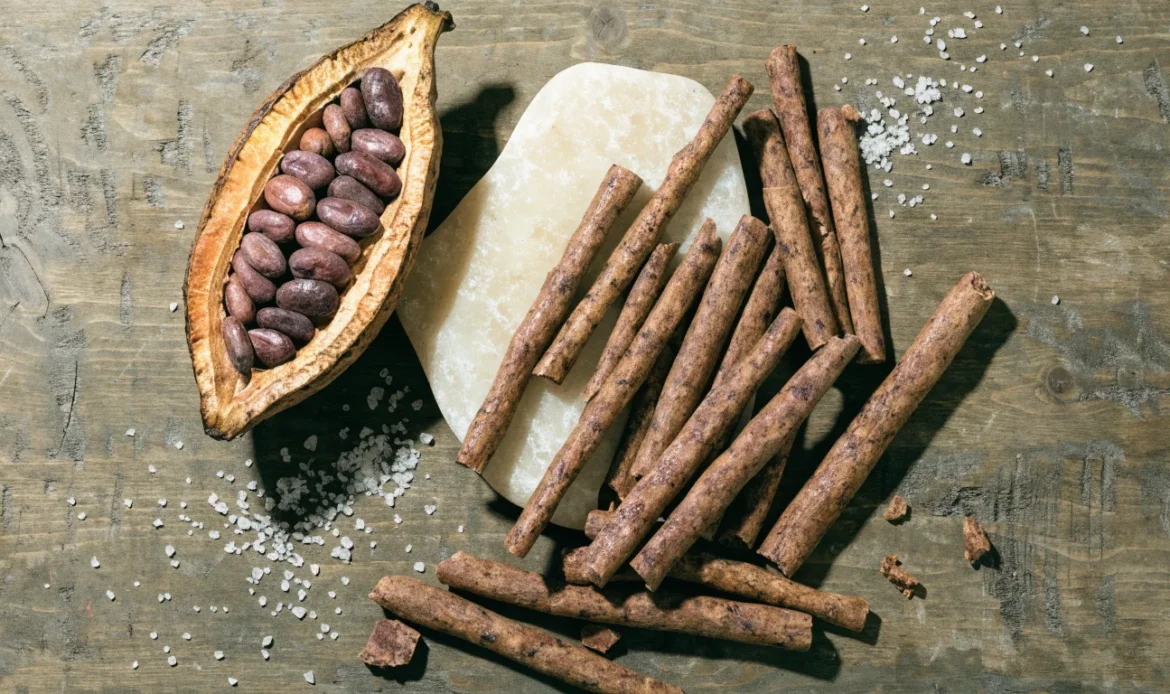
Short answer: Grenada cocoa is cocoa produced on the island of Grenada. It is used by local makers and chefs for drinking chocolate, confectionery, and baking. This guide explains what it is, how cocoa is processed, how to buy it, and how it differs from sea moss and other Caribbean botanicals.
Why read this first: If you want to cook with Grenada cocoa, buy it for a shop, or learn its culinary role, this article gives clear, practical steps. It also lists checks you can do to verify origin and quality.
What people mean by “Grenada cocoa”
- Grenada cocoa refers to cacao beans grown and processed in Grenada, a small island nation in the Caribbean.
- Producers on the island may sell whole beans, roasted nibs, cocoa powder, liquor (ground paste), or finished chocolate made from those beans.
- The name highlights origin. “Grenada” tells you where the beans were farmed or processed.
Note: The phrase is about geographic origin, not a single standardized product. Different sellers may offer different roast levels, grind sizes, and degrees of processing. Always read the label or ask the supplier for details.
A short cultural and culinary context
Grenada is sometimes called the “Isle of Spice” because spices like nutmeg, mace, and cinnamon are important there. Cocoa grows on the island alongside other crops. For many families and small businesses, cocoa is part of local foodways. Makers use it for:
- Traditional hot chocolate drinks.
- Handcrafted chocolate bars and confections.
- Baking, sauces, and savory recipes that pair chocolate with spices.
Home cooks and chefs value cocoa from small islands for its distinct flavor profile. That profile depends on the bean, how it was fermented, how it was dried and roasted, and how it is processed into powder or chocolate.
How cocoa gets from bean to product (simple steps)
Cocoa products start with cacao pods and follow a chain of processing. These steps affect flavor and what you can do with the cocoa.
- Harvesting: Farmers open ripe pods and remove the wet beans plus surrounding pulp.
- Fermenting: Beans sit in boxes or piles for a few days. Fermentation develops the chocolate flavor precursors.
- Drying: Fermented beans are dried in the sun or with dryers to reduce moisture.
- Roasting: Dried beans are roasted. Roast level changes flavor — light roasts keep more origin character; darker roasts bring roastiness.
- Cracking and winnowing: Roasted beans are cracked and the shells removed. The pieces left are nibs.
- Grinding: Nibs are ground into cocoa liquor (a paste). Pressing that liquor separates cocoa butter from cocoa solids, which can be ground into cocoa powder.
- Conching and refining (for chocolate): Further grinding and mixing smooth the paste and improve mouthfeel before tempering and forming bars.
Each step changes flavor, aroma, texture, and how you should use the final product in the kitchen.
Flavor notes and culinary uses
Flavor: Cocoa from Grenada is often described by makers and tasters as having spicy, nutty, or fruity notes, depending on farm practices and processing. These descriptions are shorthand for sensory qualities — sweetness, acidity, and bitterness — shaped by fermentation and roasting.
Common culinary uses:
- Drinking chocolate: Melt cocoa with warm milk or water and sweeten. Add local spices (cinnamon, nutmeg) for a Grenadian twist.
- Baking: Use cocoa powder or chocolate in cakes, cookies, and brownies. Adjust recipes for cocoa fat (butter) content.
- Chocolate making: Small producers value single-origin beans to highlight the island’s flavor.
- Savory: Cocoa can deepen sauces and stews. A small amount adds color and a rounded flavor.
Practical note: If you use whole cocoa or nibs, you will need to roast and grind them or buy them pre-processed.
How to read labels and check origin
When you buy Grenada cocoa, look at the package. Here are useful label items and what they tell you:
- Origin term: “Single-origin Grenada,” “Made in Grenada,” or simply “Grenada cocoa.” Ask whether “Grenada” refers to where the beans were grown, where they were processed, or both.
- Producer or farm name: A named farm suggests traceability. Not all packages will have this.
- Processing form: Whole beans, roasted nibs, cocoa powder, cocoa paste, or finished chocolate. Each form has different storage and use needs.
- Cacao percentage (for chocolate): Indicates the ratio of cocoa solids plus cocoa butter to added sugar and other ingredients in a finished chocolate bar.
- Certifications: Organic, fair trade, or other marks can provide added information but do not replace direct supplier questions about harvest and processing.
- Batch or lot number: If present, it helps trace a specific harvest or processing run.
If the label lacks detail, ask the seller for a certificate of origin, a lot code, or direct answers about farming and processing.
Decision guide: How to choose the right Grenada cocoa for you
| Your goal | Product form to look for | What to check on the label or with the seller |
|---|---|---|
| Make traditional drinking chocolate | Roasted and ground cocoa or cocoa paste | “Roasted,” “drinking chocolate,” or recipe notes; ask about roast level |
| Bake reliably | Dutched or natural cocoa powder or standardized chocolate | Check whether powder is natural or alkalized; ask about fat content if relevant |
| Make single-origin chocolate bars | Whole beans or nibs labeled “Grenada” | Look for farm name, lot number, and processing details |
| Buy for retail or wholesale | Finished chocolate or bulk cocoa with traceability | Request origin documents and packaging specs; see our /wholesale/ page for steps to source larger quantities |
| Try Grenadian flavors | Small-batch or bean-to-bar products | Ask for tasting notes and suggested uses |
Use this guide when you choose a product. If you plan to resell, also ask about minimum orders, packaging, and lead times.
Practical checklist: Questions to ask before buying Grenada cocoa
- Is “Grenada” the bean origin, the processing origin, or both?
- What form is the product (beans, nibs, paste, powder, bar)?
- Is there a lot number, harvest date, or batch code?
- Who handled fermentation and drying? Were these steps on-farm?
- What roast level was used? (Light, medium, dark — ask how that affects flavor.)
- Does the product have third-party certifications (organic, fair trade)? If so, which body certified it?
- Can I get small samples for tasting before buying larger quantities?
- What are storage and shelf recommendations for the product?
- For wholesale: what are lead times, minimums, and packaging options?
Keep answers in writing when possible. A supplier who can answer these questions will make it easier to confirm quality and origin.
Simple recipe: Grenada-style spiced hot chocolate
This is a small, flexible recipe you can adapt.
Ingredients (serves 2)
- 2 cups milk (dairy or plant milk)
- 3 tablespoons Grenada cocoa powder or 1.5 oz cocoa paste, grated or chopped
- 1–2 tablespoons sugar or sweetener to taste
- 1 small stick of cinnamon or 1/2 teaspoon ground cinnamon
- Pinch of nutmeg (optional)
- Pinch of salt (optional)
Method
- Warm milk in a saucepan over medium heat until steaming.
- Whisk in cocoa powder or cocoa paste until smooth.
- Add sugar, cinnamon, and nutmeg. Simmer for 2–3 minutes.
- Taste and adjust sweetness or spice. Serve warm.
Tip: If you use whole cocoa or nibs, roast and grind them before making the drink or buy pre-ground drinking chocolate.
Storage and handling basics
- Store cocoa powder in a cool, dry place away from strong odors.
- Keep whole beans or nibs in airtight containers. Moisture and heat can affect flavor and encourage spoilage.
- Finished chocolate benefits from stable, cool temperatures. Avoid frequent temperature swings to prevent bloom (white streaks that affect appearance, not safety).
- If you are handling large volumes for a shop, ask suppliers for recommended storage conditions and expected shelf behavior.
How Grenada cocoa differs from sea moss and other botanicals
It is common for people shopping for Caribbean botanicals to encounter both cocoa and sea moss. These are entirely different types of products.
- Grenada cocoa is the seed product from the cacao tree (Theobroma cacao). It is a plant seed cultivated on land.
- Sea moss (a term used for various edible marine algae) is a sea vegetable harvested from coastal waters or grown in marine farms. Sea moss is not a cocoa product and is not related botanically.
- Uses differ: cocoa is used for chocolate and cooking. Sea moss is used as a sea vegetable or ingredient in supplements, foods, and traditional recipes.
- Safety and testing differ: seaweed products can carry high levels of iodine or other minerals depending on species and harvest location. If you are buying seaweed or sea moss, check for lab testing and clear labeling about iodine and contaminants. Sources on seaweed safety and iodine include food-safety and health-review organizations. cite12345
Why mention this? Some buyers confuse different Caribbean botanicals in product lists. If you or your customers need to avoid certain nutrients or have medical concerns, treat seaweed and cocoa as separate categories and request lab results or certificates for either product.
Questions you can ask suppliers about safety and testing
- Do you provide certificates of analysis (COA) for contaminants and mineral content?
- For sea vegetables: is iodine testing included? (Iodine can be high in some seaweeds.) See authoritative overviews for why testing matters. cite235
- For cocoa: do you test for heavy metals or mycotoxins? Ask for COAs or details if you plan to use the product in supplements or food production.
Note: We do not publish specific test results for third-party products here. Always rely on supplier-provided documentation for safety claims.
Buying in small batches vs. bulk
- Small-batch buying lets you taste and compare. It works well for kitchens, small shops, and craft chocolate makers.
- Bulk buying is sensible for restaurants and retailers. Ask about lot tracking, storage conditions during shipping, and whether the product is graded or blended.
- For wholesale arrangements, see our /wholesale/ page for starting steps and contact information.
Where to learn more and where to shop
- For more on Caribbean botanicals and our product range, visit our /shop/caribbean-botanicals/ page.
- Browse general products in our /shop/ directory.
- If you are ready to talk about larger orders, check /wholesale/.
- For background articles and learning resources, go to /learn/.
- If you want a quote or have specific sourcing questions, use /contact/ to reach our team.
- Home: /
(These links point to our store sections and customer resources. They can help you find product pages, policies, and buyer assistance.)
Conclusion
Grenada cocoa names a product by its place of origin. It can come in many forms — beans, nibs, powder, paste, or finished chocolate — and each form suits different uses. The most important buying checks are clear labeling, traceability, and an understanding of the product form and processing. If you also buy Caribbean botanicals like sea moss, remember they are different products with different safety questions; ask suppliers for test results when needed. Use the checklist and decision guide here when you shop, cook, or plan wholesale purchases.
If you want to explore our Caribbean botanicals or ask about buying in larger amounts, visit our /shop/caribbean-botanicals/, check general products at /shop/, read supplier and sourcing resources at /learn/, or contact our team via /contact/. You can also start at our home page: / ( / ).
Frequently asked questions
Is Grenada cocoa the same as other Caribbean cocoa?
Not exactly. “Grenada” refers to origin. Each island’s cocoa can differ because of farming methods, fermentation, drying, and processing. Taste and texture vary with these factors.
Can I substitute Grenada cocoa for unsweetened cocoa powder in recipes?
Yes, in most cases. Check whether the product is a powder, paste, or nibs. A paste or liquor will have more cocoa butter than a powder, so adjust fats in recipes. If you are unsure, ask the seller about the product form.
Does Grenada cocoa contain iodine or other minerals like seaweed?
Cocoa and seaweed are different. Cocoa is a seed product and is not the same as sea moss or seaweed. If you are worried about iodine or mineral content, especially for seaweed products, request lab testing from the supplier. For more about iodine in seaweed, see authoritative reviews and food-safety surveys. cite1235
How can I tell if cocoa labeled “Grenada” is genuinely from Grenada?
Ask for traceability: farm name, lot number, and harvest info. A supplier who can provide that information and samples is easier to verify. For larger purchases, request a certificate of origin or a purchase agreement that names the source.
Is there a standard “Grenada cocoa” grade I should look for?
There is no single global standard called “Grenada cocoa.” Look for terms like “single-origin,” “bean-to-bar,” or details about processing. Certifications (organic, fair trade) add information but do not equal a grading system. Ask suppliers about taste notes and sample small batches before committing.
Where can I buy Grenada cocoa in bulk?
Contact suppliers who specialize in Caribbean botanicals or cocoa exporters. For business purchases and next steps, visit our /wholesale/ (/wholesale/) page and contact our sourcing team through /contact/.
References
- Harvard T.H. Chan School of Public Health, “Seaweed.” https://nutritionsource.hsph.harvard.edu/seaweed/
- Smyth PPA. “Iodine, Seaweed, and the Thyroid.” European Thyroid Journal, 2021. https://pmc.ncbi.nlm.nih.gov/articles/PMC8077470/
- Food Standards Australia New Zealand, “Survey of iodine levels in seaweed and seaweed containing products,” updated 2025. https://www.foodstandards.gov.au/science-data/monitoring-safety/surveyofiodinelevels
- Operation Supplement Safety, “Sea Moss in Dietary Supplements.” https://www.opss.org/article/sea-moss-dietary-supplements
- Blikra MJ et al. “Consequences of acute and long-term excessive iodine intake: A literature review focusing on seaweed as a potential dietary iodine source.” 2024. https://doi.org/10.1111/1541-4337.70037