
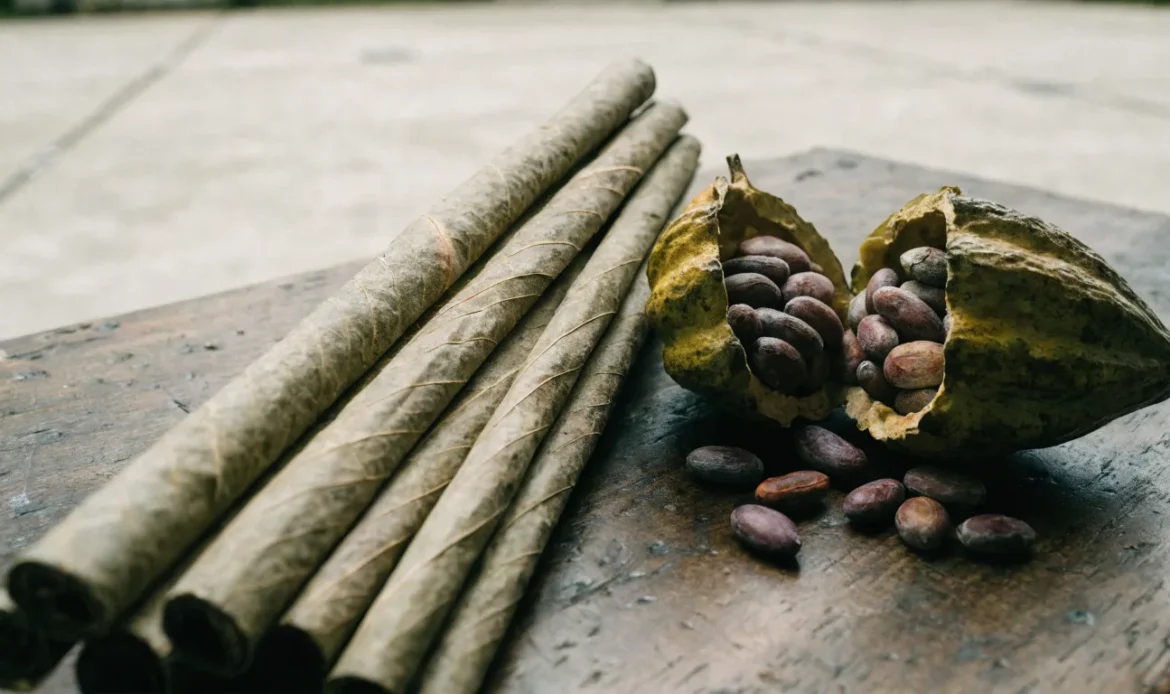
Short answer: Grated cocoa is finely shredded solid cocoa or chocolate made from cacao liquor or blocks. It adds intense chocolate flavor and texture where cocoa powder or chips might not match. Use it when you want quick melting, a rustic look, or a stronger aroma.
Why this matters: cooks and bakers choose formats to match heat, texture, and flavor. This guide explains the options, shows how to grate and store cocoa, and helps you pick the right format for a recipe.
What is grated cocoa?
Grated cocoa is solid cocoa or chocolate that has been broken into small, thin shavings. It can come from:
- blocks of unsweetened baking chocolate (pure cocoa mass)
- large discs or tablets of couverture chocolate
- firm chocolate made for cooking
Grated cocoa is not the same as cocoa powder, cocoa nibs, or chocolate chips. It keeps some of the cocoa butter and offers a different melt and mouthfeel than powders. It is made from the same botanical source—Theobroma cacao—but processed into a solid form that can be shaved or grated.
Important distinction: grated cocoa and sea moss are completely different. Sea moss is a seaweed product with a different botanical identity and safety considerations. If you need information about seaweeds or sea moss, see our learning pages at /learn/ and note that seaweed products can vary widely in mineral content and iodine [1][2][4].
Common formats of cocoa and how grated fits in
H3: Cocoa formats at a glance
- Cocoa powder: Dry, low fat, dissolves into liquid. Often used in quick batter, drinks, and frostings.
- Cocoa nibs: Roasted, broken pieces of cocoa bean. Crunchy and bitter.
- Grated cocoa: Thin shavings of solid chocolate or cocoa mass. Melts quickly and looks rustic.
- Solid chocolate chips/pistoles: Small shaped pieces. Uniform melt and size.
- Chocolate paste/couverture: Highly refined chocolate blocks used by professionals.
Grated cocoa sits between powder and solid chunks. It preserves cocoa butter, so it melts smoother than powder. Compared to nibs, grated cocoa is sweeter and finer, if the source chocolate contains sugar. Compared to chips, grated shavings have more surface area and melt faster.
How to grate cocoa — tools and technique
H3: Tools you can use
- Microplane or fine grater: For very fine shavings. Use on chilled chocolate to avoid crumbling.
- Box grater: Gives coarser shreds. Good for topping or folding into batters.
- Vegetable peeler: Produces curls from larger chocolate blocks.
- Knife and chopping board: For a rustic chop that mimics large shavings.
H3: Step-by-step grating tips
- Chill the chocolate. Cold chocolate shaves cleaner. Put the block in the fridge for 10–20 minutes.
- Use a stable surface. Hold the grater steady and grate against a cutting board.
- Grate with even pressure. Apply light, steady strokes. Avoid pressing too hard.
- Work quickly if the room is warm. Chocolate melts from hand heat.
- Store grated cocoa in a cool place or use immediately.
Safety note: Keep tools dry. Water causes chocolate to seize. If using sugary chocolate, work quickly so it does not melt under warm hands.
Culinary uses for grated cocoa
- Hot drinks: Sprinkle on coffee, hot chocolate, or steamed milk for aroma and texture.
- Baking: Fold into batter for pockets of melted chocolate or use on top of cupcakes.
- Garnish: Decorate tarts, mousse, whipped cream, and plated desserts.
- Melting: Grated chocolate melts more evenly for tempering small batches or sauces.
- Confections: Use in truffles, coatings, or as a final dust over bonbons.
Grated cocoa is especially useful when a recipe calls for quick melting or a decorative finish. It is not a direct substitute for cocoa powder when a dry mix is needed.
How grated cocoa changes a recipe
- Texture: Adds soft, creamy pockets after melting. Powder gives drier, firmer texture.
- Flavor intensity: Retains fat and aromatic compounds; flavor can feel richer.
- Sweetness and fat: Depends on the chocolate you grate. Unsweetened blocks keep sugar neutral. Sweet baking chocolate adds sugar.
- Measurement: Grated volume can differ from powdered weight. If a recipe lists grams, use a kitchen scale for accuracy.
When swapping grated cocoa for other forms, identify what the recipe needs: structure (powder) or melt and gloss (grated).
Buying tips — what to check before you buy
When shopping for chocolate to grate, look for these clear, verifiable points:
- Ingredient list: cocoa mass or unsweetened chocolate vs. added fats or émulsifiers.
- Cocoa percentage: this affects bitterness and fat content, if listed.
- Packaging: sealed blocks or tablets keep moisture and odors out.
- Storage instructions: cool, dry, and away from strong smells.
Avoid claims about health cures or guaranteed potency. If you need more product info, check labels carefully, and ask sellers for documented facts, such as ingredient lists and storage advice.
Grated cocoa in Caribbean cooking and culture
The Caribbean has a long history with cacao. Traditional uses include drinking cacao in spiced beverages and using chocolate in sweets and sauces. Grated cocoa or shaved chocolate can appear in modern Caribbean desserts and in fusion dishes. It adds warmth and a rustic look to sweets inspired by local flavors.
If you are exploring Caribbean botanicals or other regional ingredients, see our product collection at /shop/caribbean-botanicals/ and general shopping pages at /shop/. For wholesale enquiries or bulk format questions, visit /wholesale/ or reach out at /contact/.
Decision guide: Which cocoa format should you buy?
| Your need | Best format | Why |
|---|---|---|
| Quick melt for sauce or ganache | Grated cocoa or finely chopped blocks | Large surface area melts fast and smoothly |
| Dry chocolate flavor in batter | Cocoa powder | Low fat, mixes evenly |
| Crunch and bitter texture | Cocoa nibs | Minimal processing, crunchy |
| Baking with precise sugar | Unsweetened baking chocolate block | Control sugar level by recipe |
| Decorative curls or topping | Grated cocoa or chocolate shavings | Visual appeal and aroma |
Use this table to match format to task. If a recipe lists a specific format, follow it or adjust other ingredients when swapping.
Practical checklist: How to choose and use grated cocoa
- Check the ingredient list for pure cocoa mass or chocolate.
- Decide unsweetened vs. sweet based on recipe sugar.
- Chill before grating for cleaner shavings.
- Use a microplane for fine dust; box grater for thicker shavings.
- Avoid water near chocolate—use dry hands and tools.
- Measure by weight when swapping formats.
- Store leftover block in a cool, dark place, wrapped to prevent odor transfer.
What you can and cannot know from labels
You can check:
- Ingredients.
- Storage instructions.
- Whether the product is whole block, couverture, or pre-grated.
You cannot know from a basic label:
- Exact origin of the cacao beans (unless stated).
- Precise processing steps used by a maker.
- Flavor nuances without tasting.
If origin or specific processing matters to you, ask the seller for details or a product spec sheet.
Conclusion
Grated cocoa is a useful format for cooks and bakers who want fast-melting chocolate, a rustic garnish, or a specific mouthfeel. Choose the format that fits the recipe: grated for melt and decoration, powder for dry mixes, and nibs for crunch. Check labels for ingredients and use a scale when swapping forms. If you want to learn about other Caribbean botanicals or related products, visit our shop at /shop/caribbean-botanicals/ or browse /shop/. For bulk or business questions, see /wholesale/ or contact us at /contact/.
Continue reading
Frequently asked questions
Is grated cocoa the same as cocoa powder?
No. Grated cocoa is shredded solid chocolate or cocoa mass. Cocoa powder is a dry, low-fat product. They behave differently in recipes.
Can I replace cocoa powder with grated cocoa?
You can, but expect differences in texture and fat. Measure by weight and adjust fat or liquids to balance the recipe.
Will grated cocoa melt in cold drinks?
It may not fully dissolve in cold liquids. For cold drinks, use melted chocolate mixed with warm liquid first, or use cocoa powder formulated for cold beverages.
How long do chocolate blocks last for grating?
Properly stored chocolate can keep well for months. Store in a cool, dry place and keep the block wrapped to avoid absorbing odors.
Is grated cocoa the same as grated chocolate with sugar?
Not always. Some blocks are unsweetened baking chocolate. Others are sweetened. Check the ingredient list to know if sugar is present.
How is cocoa different from sea moss?
Cocoa comes from cacao beans (Theobroma cacao) and is a terrestrial botanical product. Sea moss is a seaweed. They are different botanically and have different safety and handling considerations. For resources on seaweed, please visit our learning pages at /learn/ and consult authoritative sources on seaweed composition [1][2][4].
References
- [1] Harvard T.H. Chan School of Public Health, “Seaweed.” https://nutritionsource.hsph.harvard.edu/seaweed/
- [2] Smyth PPA. “Iodine, Seaweed, and the Thyroid.” European Thyroid Journal, 2021. https://pmc.ncbi.nlm.nih.gov/articles/PMC8077470/
- [4] Operation Supplement Safety, “Sea Moss in Dietary Supplements.” https://www.opss.org/article/sea-moss-dietary-supplements