
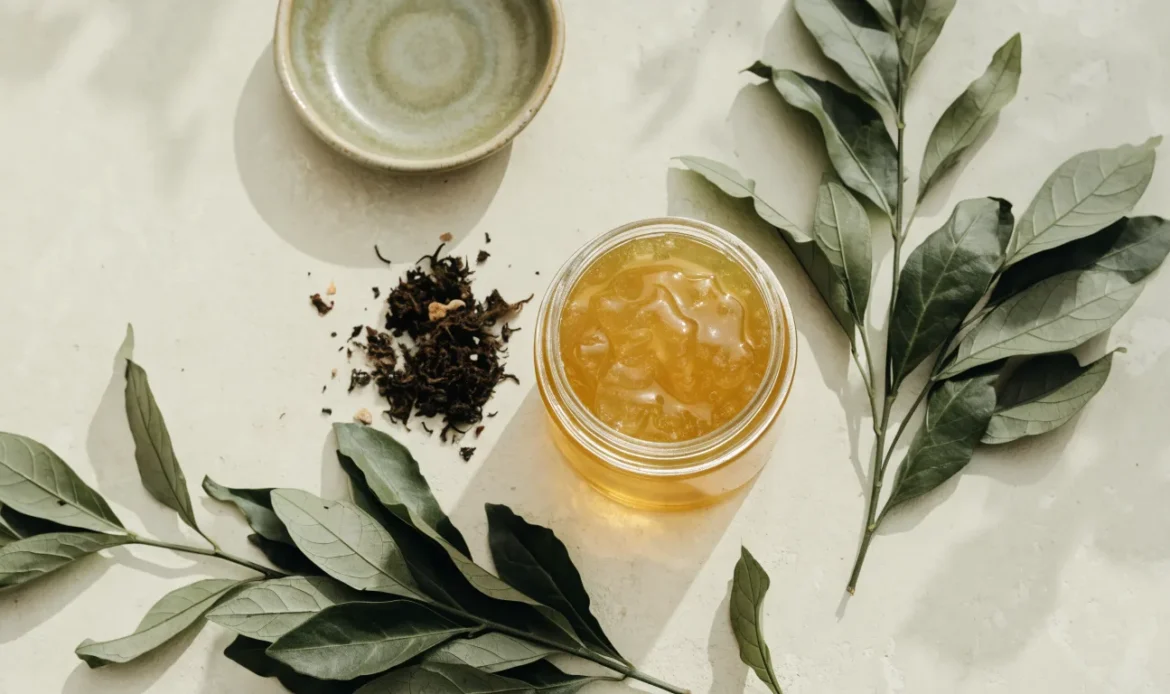
Short answer: “Sea moss jungle” is a phrase sellers and users use to describe mixed bundles or dense masses of raw sea moss. It often points to wild, tangled clumps or mixed-color batches rather than a single processed product. The words alone do not prove origin, testing, or quality. Read on to learn what the term can mean, what you can check, and how to choose a format that fits your needs.
What people mean by “sea moss jungle”
People use that phrase in different ways. Here are common meanings:
- Raw, tangled clumps of sea moss that look like a small underwater “jungle” of stems and fronds.
- A mixed batch with different colors or textures of sea moss together.
- A marketing name for products that keep a “wild” look or mixed varieties.
The key point: the phrase is descriptive, not a regulated label. It can tell you something about the appearance. It does not tell you about safety, iodine level, or lab testing. You need more information on the product page or label to know those things.
Why format and processing matter
Sea moss is sold in many formats. Each format affects use, storage, and what to check before buying.
- Raw (wet or air-dried clumps)
- How it looks: whole strands or clusters.
- Common use: people rehydrate, rinse, or make into gel.
- What to check: harvest and drying method, how it was stored, and whether the seller lists tests.
- Dried (dehydrated loose pieces)
- How it looks: brittle bits or flakes.
- Common use: soak to rehydrate or grind to powder.
- What to check: drying temperature, grind or cut details, and any additives.
- Gel (pre-made sea moss gel)
- How it looks: smooth, refrigerated or frozen product.
- Common use: convenience for smoothies, recipes, topical use.
- What to check: ingredients list, storage life, whether preservatives are used, and if it was made from pure sea moss or blends.
- Powder and capsules
- How it looks: dry powder or pills in a bottle.
- Common use: capsules for convenience, powder for recipes.
- What to check: concentration, filler ingredients, and third-party testing if sold as a supplement.
Each format has trade-offs. Raw and dried forms give you more control over final use. Gels and capsules offer convenience but depend on the maker’s processing and ingredient choices.
Safety and iodine: what the science says and what you can check
Seaweeds can contain iodine and other minerals. Iodine levels vary by species, season, and harvest site. This variability can be large. That means two samples of the same seaweed from different places can have very different iodine content [1][2].
Why that matters:
- Iodine affects thyroid function. Both low and very high iodine intakes can matter for people with thyroid conditions [2][5].
- Surveys show iodine levels in seaweed products can vary widely, sometimes with high amounts that could lead to excess intake if consumed often [3].
- Supplements and finished products can also vary in labeling and content [4].
What you can check on a product:
- Does the label list iodine content or mineral analysis?
- Is there a certificate of analysis (COA) or lab report available? If so, read what was tested and when.
- Does the seller explain species and harvest location? That gives context for expected iodine ranges but does not guarantee specific numbers.
- If you have a thyroid condition, ask a health professional before adding seaweed products to your routine.
What a product page or label cannot prove by itself:
- A colorful label cannot prove exact iodine levels or safety.
- A country or region listed on a label does not prove consistent iodine or contaminant levels.
- Claims like “safe” or “pure” without linked test results do not provide measurable evidence.
Use the data on labels and any lab reports to reduce uncertainty. Remember that variability in seaweed nutrient levels is normal and supported in scientific reviews [1][2][5].
How to read a product page or label
When you look at a listing called “sea moss jungle” or similar, check for these items. They help you make an informed choice.
- Species name (scientific or common)
- Why it matters: Different species have different textures and mineral profiles.
- What it does not prove: Exact nutrient or contaminant levels.
- Harvest location and date
- Why it matters: It gives traceability and context.
- What it does not prove: Consistent safety or lab-tested values.
- Processing method
- Why it matters: Drying, rinsing, and heating can affect shelf life and texture.
- What it does not prove: Full removal of contaminants.
- Ingredients list
- Why it matters: For gels or blends, this shows added ingredients or preservatives.
- What it does not prove: Nutrient amounts.
- Nutrition facts and mineral analysis
- Why it matters: Listed minerals like iodine are directly relevant.
- What to watch: If iodine is listed, check if the amount is given per serving size.
- Certificates of analysis (COAs) or third-party lab reports
- Why it matters: These can test for iodine, heavy metals, microbes, or toxins.
- What to watch: The date, lab name, and which tests were run. A COA that only shows microbiology but not iodine or metals gives limited information.
- Contact info and batch codes
- Why it matters: Real contact info and batch codes permit follow-up.
- What it does not prove: Product quality by itself.
If a seller provides test results, read them carefully. An honest lab report will list the specific tests, detection limits, and sample dates.
Practical decision checklist
Use this checklist to choose a sea moss product labeled “jungle” or similar. Tick boxes as you confirm them. This checklist is a tool. It helps you reduce unknowns. It does not guarantee safety.
| Check item | Why it matters | How to verify |
|---|---|---|
| Species named | Species affects texture and typical mineral profile | Product page or label |
| Harvest location or region | Offers traceability and context for local risks | Product page, label, or FAQ |
| Harvest or batch date | Freshness and traceability | Label or ask seller |
| Processing and drying method | Affects shelf life and quality | Product notes or seller Q&A |
| Ingredients list (for gels/blends) | Reveals additives or preservatives | Product label |
| Iodine or mineral content listed | Direct data you can use | Nutrition facts or lab report |
| Third-party lab report or COA available | Tests for iodine, heavy metals, microbes | Linked report or contact seller |
| Clear storage and use instructions | Safety and quality in handling | Label or product page |
| Honest contact info and sample policy | For follow-up or returns | Seller website or contact page |
| Price per unit weight that matches format | Reasonable comparison across formats | Compare similar formats on site |
Decision tip:
- If you want control and to avoid unknown additives, choose raw or dried forms that list species and processing.
- If you want convenience and the seller provides current lab results that include iodine and metals, gels or powders may be fine.
- If you have a thyroid condition or take iodine-rich foods often, ask a clinician about adding seaweed.
Quick format comparison
- Raw: Most control, need prep, variable shelf handling.
- Dried: Stable, versatile, need rehydration for some uses.
- Gel: Ready to use, perishable, check ingredients.
- Powder/capsule: Convenient, check fillers and testing.
Buying as a store or wholesale customer
If you buy in bulk or plan to sell sea moss products, ask your supplier for:
- Samples of current batches.
- Recent lab testing for iodine and heavy metals.
- Details on shelf life, storage, and recommended sell-by dates.
- Packaging and ingredient lists for finished goods.
- Lead times and minimum order quantities.
These requests are standard for commercial buyers. They do not guarantee product safety, but they help you manage risk and set expectations for customers.
If you are a consumer considering a wholesale purchase for a group or business, use the same checklist and request written documentation.
Simple preparation and storage notes
If you buy raw or dried sea moss and plan to prepare it at home, here are common steps people use. These are general notes, not a strict recipe.
- Inspect: Check for odd colors or bad smells. Fresh sea moss should not smell strongly of decay.
- Rinse: Many people rinse to remove grit and seawater residue.
- Soak: Dried sea moss is often soaked to rehydrate before further use.
- Make gel (if desired): Some prepare a gel by blending rehydrated sea moss with clean water until smooth. Gel formats can be refrigerated or frozen to extend use.
- Store: Keep dried sea moss in a dry, cool place. Keep gels refrigerated or frozen and follow any storage guidelines the seller provides.
- Watch for spoilage: Discard any product with an off smell, mold, or unexpected changes. Do not rely on appearance alone.
These steps are common practice. They do not eliminate the need to buy product from a seller who discloses testing if that is important to you.
What product claims can and cannot prove
When you read claims such as “wild-harvested,” “organic,” or “lab-tested,” know what they imply and what they do not:
- “Wild-harvested”: Means the seaweed was not farmed. It does not guarantee low contaminants or specific nutrient levels.
- “Organic”: Wild seaweeds cannot always be certified under typical land-based organic rules. If a product shows an organic label, check what the certification covers.
- “Lab-tested”: A useful sign. But check which lab and which tests. A test for microbes alone does not tell you iodine content.
Ask the seller for the actual report behind the claim if that matters to you. If they cannot provide it, treat the claim as limited information.
Next steps and helpful pages
If you want to learn more about seaweed basics and safety, start with our Learn section: Seaweed & Sea Moss Basics (/learn/).
If you are ready to browse formats, see our shop: Shop Sea Moss (/shop/).
If you are a business buyer, learn about wholesale options: Wholesale Inquiries (/wholesale/).
For general site info or to ask a question, go to our home page: Zen Wholesalers Home (/).
If you need to contact customer support or ask for lab reports, use our contact page: Contact Us (/contact/).
Conclusion
“Sea moss jungle” is a useful visual or marketing term. It describes a look or mix rather than a guarantee of origin or safety. The best way to make a good choice is to check the product details. Look for species names, harvest location, processing notes, and lab reports that include iodine and contaminant testing. Use the practical checklist in this article to guide your questions. If you have health concerns, speak with a clinician before adding high-iodine foods or supplements to your routine.
Frequently asked questions
Does the label “sea moss jungle” mean the product is wild?
Not always. The phrase may imply a wild look, but it is not a regulated term. Check the product description for harvest details.
Can I tell iodine level from sea moss color?
No. Color and texture do not reliably show mineral or iodine content. Mineral levels vary by species and location [1][2].
Should I avoid sea moss if I have thyroid issues?
If you have a thyroid condition, talk with a clinician before adding seaweed products. Iodine can affect thyroid function, and seaweed products vary in iodine content [2][5].
Is a COA necessary?
A COA (third-party lab report) is a helpful piece of evidence. Look at what was tested and when. A COA that tests for iodine and heavy metals gives more useful information than one that tests only for microbes.
How long does sea moss gel last?
Gel shelf life varies by how it was made and stored. Follow seller guidance and watch for signs of spoilage, such as off smells or mold. Proper refrigeration or freezing extends usefulness.
Can tests prove a sea moss product is always safe?
Tests show the results for a specific sample at a specific time. They reduce uncertainty but do not guarantee that every batch will match those results.
References
- [1] Harvard T.H. Chan School of Public Health, “Seaweed.” https://nutritionsource.hsph.harvard.edu/seaweed/
- [2] Smyth PPA. “Iodine, Seaweed, and the Thyroid.” European Thyroid Journal, 2021. https://pmc.ncbi.nlm.nih.gov/articles/PMC8077470/
- [3] Food Standards Australia New Zealand, “Survey of iodine levels in seaweed and seaweed containing products,” updated 2025. https://www.foodstandards.gov.au/science-data/monitoring-safety/surveyofiodinelevels
- [4] Operation Supplement Safety, “Sea Moss in Dietary Supplements.” https://www.opss.org/article/sea-moss-dietary-supplements
- [5] Blikra MJ et al. “Consequences of acute and long-term excessive iodine intake: A literature review focusing on seaweed as a potential dietary iodine source.” 2024. https://doi.org/10.1111/1541-4337.70037