
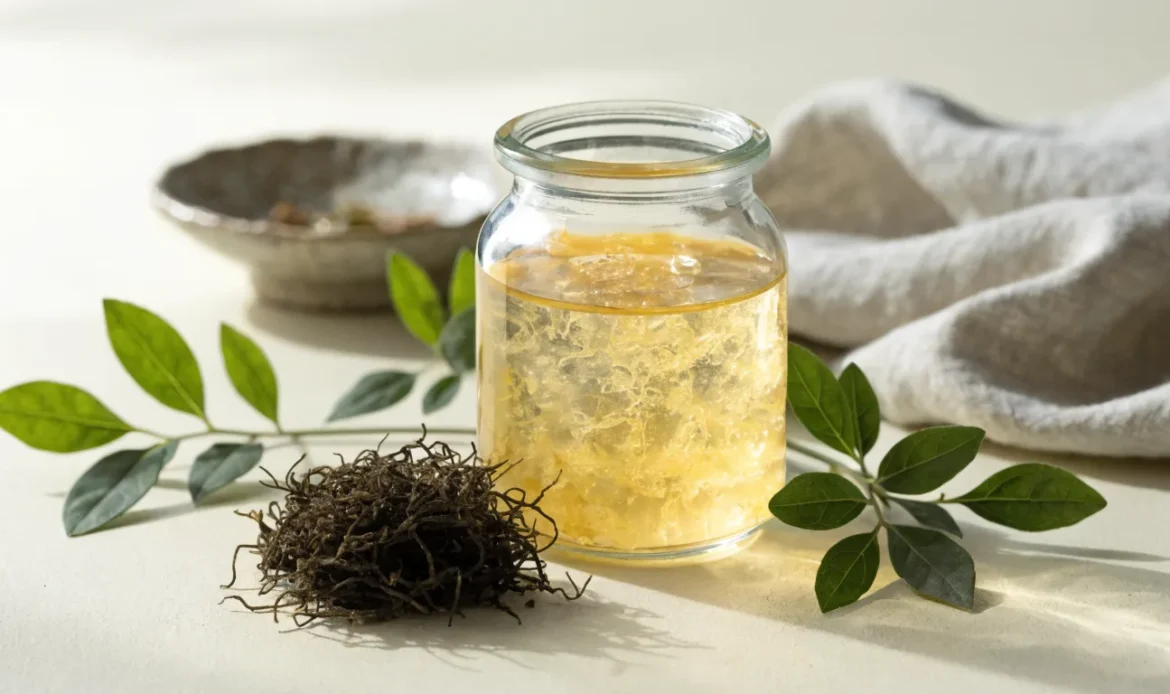
Short answer first: Moringa sea moss is a product that mixes sea moss (a marine algae) with moringa (a tropical leaf). The mix can come as dried blends, powders, gels, capsules, or tinctures. Each form has different handling, taste, and storage needs. Key things to check are the exact ingredients, lab testing, iodine content, and how the maker cleaned and prepared the raw seaweed.
Why this quick answer? People who ask about moringa sea moss usually want to know what it is, how safe it might be, and which format fits their life. Below I explain those points in plain terms. I also give a short checklist to help you choose and links for what to read or buy next.
What is moringa sea moss?
- Moringa is a plant (Moringa oleifera). People dry and grind its leaves for a green powder. It is sold as a herbal ingredient.
- Sea moss usually means dried red or brown marine algae sold as “sea moss” or “Irish moss” or Gracilaria-type seaweeds. Producers use it for gels, powders, or capsules.
- Moringa sea moss is any product that combines these two ingredients. Makers may mix dried leaves or powder with dried seaweed, or add moringa to sea moss gel or capsules.
This is a product category, not a single item. How moringa and sea moss are combined varies. That matters for how you use it, how long it lasts, and what to check for safety.
Common formats and what they mean
Here are the forms you will see. Each has basic pros and cons.
H3: Dried blended powder
- What: Sea moss and moringa dried and ground into one powder.
- Pros: Easy to store, shelf-stable if dry, can be mixed into smoothies.
- Cons: Nutrient content can vary; you cannot check texture or smell easily before purchase.
H3: Sea moss gel with moringa added
- What: Fresh or rehydrated sea moss blended to a gel. Moringa powder or tincture is mixed in.
- Pros: Ready to use in smoothies or recipes.
- Cons: Shorter fridge life; watch storage instructions and use-by dates.
H3: Capsules or tablets
- What: Powdered blend put into capsules.
- Pros: Convenient dose control and no taste.
- Cons: Harder to verify ingredient quality; capsules may hide fillers.
H3: Tinctures or extracts
- What: Moringa (or sea moss extract) is dissolved in a solvent like glycerin or alcohol.
- Pros: Concentrated, travel-ready.
- Cons: Not the same as whole dried ingredients; potency and solvent choice matter.
H3: Raw sea moss + moringa sachet
- What: Packaged raw dried sea moss with a separate moringa powder sachet.
- Pros: You control the blend ratio and how you prepare it.
- Cons: Requires rinsing, soaking, and blending at home.
How moringa and sea moss are made and why it matters
Simple steps for each raw ingredient:
- Sea moss: Harvested from the ocean or farmed. It is usually rinsed, soaked, and dried. The final product may be sold whole or ground.
- Moringa: Leaves are picked, dried, and ground or turned into a tincture or extract.
Why this matters:
- Cleaning and drying procedures change safety and shelf life. Poor rinsing can leave sand, salt, or marine microbes. Poor drying can permit mold growth.
- Seaweeds vary widely in mineral and trace element content, especially iodine. That varies by species, where it grew, and how it was processed. You cannot know exact levels without lab testing [1][2][3][5].
- Blend ratios matter. A product labeled “moringa sea moss” might be mostly sea moss or mostly moringa. Read the ingredient list.
Safety points to check
You should check these facts before buying or using moringa sea moss.
- Ingredient list: Are both “sea moss” and “moringa” named clearly? Is the species of seaweed or plant listed?
- Additives: Look for added sugars, preservatives, fillers, or artificial flavors.
- Allergen and cross-contact statements: A facility handling shellfish could be relevant for seafood allergies.
- Lab testing: Does the maker publish third-party lab tests for heavy metals, microbials, and iodine?
- Iodine caution: Seaweeds can contain high iodine levels. If you have thyroid concerns or take iodine-containing supplements, ask a health professional. The iodine content of seaweed products varies greatly and is not predictable from appearance or smell alone [2][3][5].
- Storage instructions: Gel products should be refrigerated. Dried powders usually keep longer if dry and sealed.
For safety context, public health reviews show that seaweed products can have widely varying iodine and element content. Testing and label transparency are the only ways to know what is in one product batch [1][2][3][5]. Industry guidance also notes concerns about contaminants in untested seaweed supplements [4].
How to read labels and seller claims
What to look for on the label:
- Full ingredient names (e.g., “dried Gracilaria seaweed” or “Moringa oleifera powder”).
- Country of origin and harvest method if offered. This helps with traceability, but a stated country does not guarantee safety unless backed by testing.
- Batch or lot numbers and a link to lab reports (sometimes called COA or certificate of analysis).
- Storage and use instructions.
- Any certification details (organic, GMP, etc.)—and whether third-party audits are available.
What a label cannot prove:
- A label cannot prove nutrient amounts unless supported by recent lab testing. It also cannot prove absence of contaminants unless a lab result is shown.
- A claim of “natural” or “wild-harvested” does not prove safety or specific mineral levels.
How to prepare moringa sea moss products (basic, safe steps)
Note: These are general handling tips. Follow the product’s own directions.
H3: If you buy dried sea moss to make gel
- Rinse the dried sea moss under cool running water to remove sand and debris.
- Soak in clean water for several hours to rehydrate. Change the water if it becomes cloudy.
- Blend rehydrated sea moss with fresh water until smooth to make gel.
- If adding moringa powder, start with a small amount and taste. Moringa is strong tasting.
- Store gel in airtight container in the refrigerator and follow the supplier’s suggested use period.
H3: If you buy powder or capsules
- Keep powders dry and sealed away from heat and light.
- Capsules: follow the recommended serving size printed by the maker. If you are unsure about interactions with medications or health conditions, ask a health professional.
Iodine and mineral variability — what science says
Seaweeds are known to contain iodine and other minerals. The amounts vary by species, location, season, and processing. Because of that variability:
- You cannot judge iodine content by sight.
- If iodine is a concern for you (thyroid conditions, pregnancy, certain medical treatments), ask for lab results showing iodine and mineral content. Public health reviews emphasize careful monitoring of iodine intake when consuming seaweed-based products [2][3][5].
- Regulatory or monitoring surveys have found wide ranges of iodine in commercial seaweed and seaweed products [3]. That is why testing matters.
References that support these points are in the References section below.
Practical decision checklist for buying moringa sea moss
Use this checklist when you compare products. Mark Yes/No for each line. If several answers are No, ask the seller for more information before buying.
Decision checklist
- Ingredient clarity: Does the front label and ingredient list clearly say which species of seaweed and that moringa (Moringa oleifera) is included? Yes / No
- Additives listed: Are any sweeteners, fillers, or preservatives listed? Yes (list) / No
- Lab testing: Is there a recent third-party lab report (COA) for heavy metals, microbials, and iodine for the batch? Yes / No
- Allergen statement: Does the label mention potential cross-contact or other allergens? Yes / No
- Storage guidance: Does the product include clear storage and shelf-life instructions? Yes / No
- Seller transparency: Does the seller provide harvest or sourcing info (even general region)? Yes / No
- Format match: Is the form (powder, gel, capsule) appropriate for how you plan to use it? Yes / No
- Return policy: Is there a reasonable return or refund policy if the product is not as described? Yes / No
- Questions answered: Can you contact the seller for more details? Yes / No
If you answered No to three or more items, consider asking the seller for more details or choosing a different product.
How to compare price and value sensibly
Price per se is not a reliable indicator of safety or quality. Use price as one factor among the checklist items above.
- If the seller provides lab reports, ingredient breakdown, and clear instructions, that information adds value beyond price alone.
- If a product is very cheap and gives no sourcing or testing information, you may want to be cautious.
Use cases: who buys which format?
- Dried powder blends: People who like smoothies or making mixes from scratch.
- Gel products: Those who want ready-made texture for recipes or topical use.
- Capsules: Buyers who want convenience and no taste.
- Tinctures: Users looking for small, travel-friendly doses or who prefer extracts.
Pick a format that matches how often you will use it and how much prep you want to do.
Storage and shelf life (general guidance)
- Dried powders: Keep sealed and dry. A cool, dark cupboard is usually fine.
- Gel: Refrigerate. Use within the maker’s recommended window.
- Capsules: Keep in dry conditions and follow the bottle’s expiry or best-by date.
Do not assume a product is safe after visible spoilage (mold, odd smell, sliminess not characteristic of the product). Discard if you see signs of spoilage.
Questions to ask a seller before you buy
- Can you share a recent certificate of analysis (COA) for this batch?
- What species of seaweed is this, and where was it harvested or farmed?
- How do you clean and dry the seaweed?
- Do you add any fillers, sweeteners, or solvents?
- What is the recommended storage and use timeline after opening?
A transparent seller will answer these plainly or post documents on their site.
Where to learn more or buy
If you want to read more educational material, start with our general learning hub [/learn/]. If you prefer to browse formats and buy, see our shop page [/shop/]. For bulk or resale options, view our wholesale page [/wholesale/]. If you still have questions, contact our team [/contact/]. For company context or other pages, visit the home page [/].
Conclusion
Moringa sea moss is a blended product family that pairs a land plant powder (moringa) with marine seaweed (sea moss). The core decisions when choosing a product are format, transparency, and testing. No label alone can tell you the exact mineral content of a seaweed product; only lab tests can do that. Use the checklist in this guide to compare options. If you need more resources, our learning hub [/learn/] and our shop [/shop/] are good next steps, or contact our team [/contact/] if you want specific product details. Businesses looking to buy in larger amounts can check our wholesale options [/wholesale/].
Continue reading
Frequently asked questions
Is moringa sea moss safe to eat?
It can be safe if made and stored properly. The important parts are knowing what species are used, how the seaweed was cleaned and dried, and whether lab testing was done for iodine and contaminants. If you have thyroid issues or take thyroid medications, consult a health professional before adding seaweed products to your diet because iodine levels vary widely [2][3][5].
How much moringa or sea moss should I take?
Products vary. Follow the maker’s suggested serving size. If the product does not include guidance or lab results, ask the seller. If you have specific health conditions or take medicines, check with a health professional before starting any supplement.
Can I make my own moringa sea moss gel?
Yes. Many people soak and rinse dried sea moss, blend it with water to make a gel, and add moringa powder to taste. Clean handling and refrigeration are important. Follow the product’s preparation instructions and discard if the gel spoils.
Why do I need a lab report for seaweed-based products?
Seaweed mineral and element levels (like iodine and certain heavy metals) can vary a lot by species and location. A third-party lab report (COA) shows recent test results for that product batch. That information helps you make an informed choice [1][2][3][4][5].
Are there special rules for pregnant or nursing people?
Pregnancy and nursing are times when iodine intake is important and should be monitored. Because seaweed products can have variable iodine levels, talk with a health professional before using products that include seaweed.
What if the seller doesn’t answer my questions?
If the seller cannot answer basic questions about ingredients, processing, or testing, consider choosing a different brand. Transparency is a practical sign of quality control.
References
- [1] Harvard T.H. Chan School of Public Health, “Seaweed.” https://nutritionsource.hsph.harvard.edu/seaweed/
- [2] Smyth PPA. “Iodine, Seaweed, and the Thyroid.” European Thyroid Journal, 2021. https://pmc.ncbi.nlm.nih.gov/articles/PMC8077470/
- [3] Food Standards Australia New Zealand, “Survey of iodine levels in seaweed and seaweed containing products,” updated 2025. https://www.foodstandards.gov.au/science-data/monitoring-safety/surveyofiodinelevels
- [4] Operation Supplement Safety, “Sea Moss in Dietary Supplements.” https://www.opss.org/article/sea-moss-dietary-supplements
- [5] Blikra MJ et al. “Consequences of acute and long-term excessive iodine intake: A literature review focusing on seaweed as a potential dietary iodine source.” 2024. https://doi.org/10.1111/1541-4337.70037