
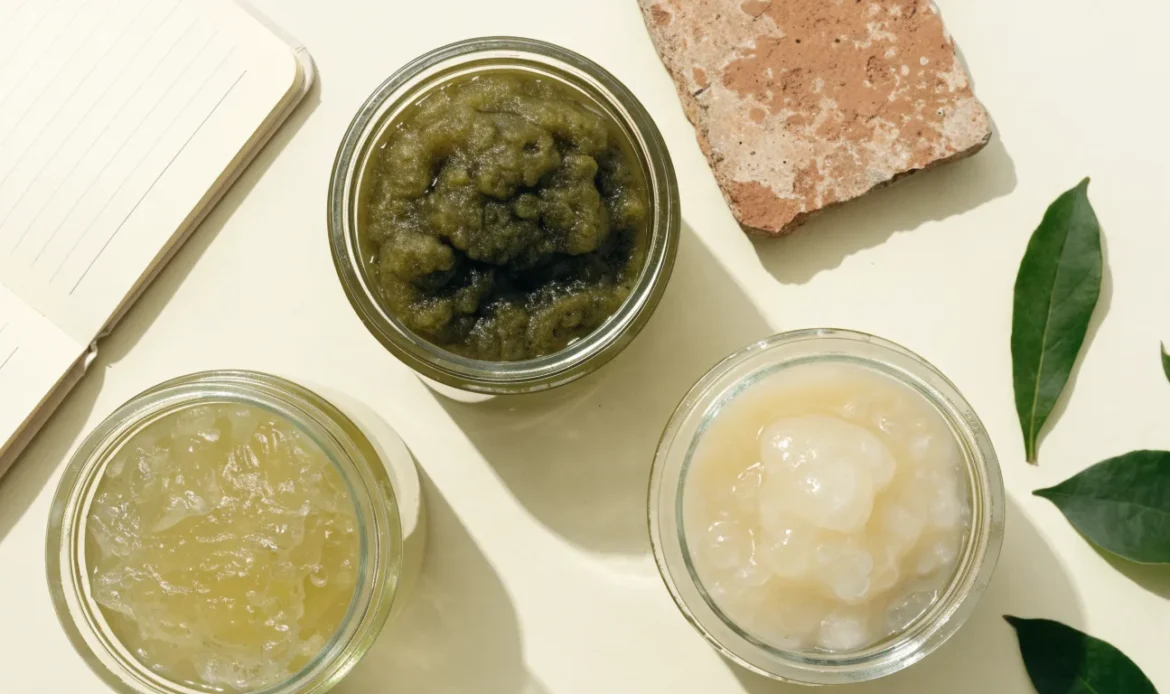
Short answer: There is no single, universal “top 10 sea moss brands” list that fits everyone. Instead, shoppers should pick brands based on clear criteria they can check: source transparency, testing for contaminants and iodine, simple ingredient lists, format (dried, gel, powder, capsules), and seller policies. Below you will find a practical way to rank brands for your needs, a list of ten brand types to consider, a decision checklist, and the next steps to take.
Why give this short answer first?
- Many online lists claim a “top 10” but use different rules.
- What is best for one person may not be best for another.
- This guide shows how to find the right brand for you.
Why brand lists differ
Sea moss sellers vary a lot. They sell different formats. They may harvest from different places. They may test their product or not. Because of that, a list that names ten brands can be right for one buyer and not for another.
Here are common ways lists differ:
- Criteria: Some lists focus on price. Some focus on organic claims. Some focus on lab testing.
- Format: Dried sea moss, gels, powders, and capsules are not the same product. A “best” dried sea moss brand may not make a good gel.
- Transparency: Some sellers share lab reports or harvest details. Others share little.
- Safety checks: Seaweed can contain iodine and other minerals. Iodine levels vary by species and region. It is important to check for testing or clear labeling [1][2][3].
Because of this, the clearest help is to show what to check and to present ten common brand types you will find. That way you can pick the ones that match your needs.
Top 10 sea moss brand types (not ranked)
Below are ten types of brands or sellers you will likely meet. Each type has pros and cons. Use this list to narrow choices.
- Small-batch harvesters
- What they are: Small operations that collect and process sea moss in small amounts.
- Why some people choose them: They may offer more story and traceability about where the moss came from.
- What to check: Ask about harvest date, drying method, and whether they test for heavy metals or iodine.
- Bulk/wholesale suppliers
- What they are: Companies selling large quantities for retailers or recipe makers.
- Why some people choose them: Lower unit cost, consistent supply if reputable.
- What to check: Minimum order sizes, storage advice, and any testing documentation.
- Dried sea moss brands
- What they are: Sea moss sold as dried pieces or strands.
- Why some people choose them: Long shelf life and flexible use (soak and make gel at home).
- What to check: Appearance, smell, and seller guidance for rehydration.
- Ready-made sea moss gel brands
- What they are: Processed gel you can use straight away.
- Why some people choose them: Convenience and consistent texture.
- What to check: Ingredient list (watch for added sugar or thickeners) and storage instructions.
- Powdered sea moss brands
- What they are: Dried matter ground into powder for smoothies or capsules.
- Why some people choose them: Easy to blend and measure.
- What to check: Particle size, filling method, and whether the powder is pure sea moss or blended.
- Capsule and supplement brands
- What they are: Sea moss in capsule form, often labeled as “sea moss supplements.”
- Why some people choose them: Precise dosing and portability.
- What to check: Amount per capsule, other ingredients, and whether the product is evaluated by an independent lab [4].
- Traceable-source brands
- What they are: Brands that publish harvest location, species, and tests.
- Why some people choose them: Better transparency and clearer sourcing.
- What to check: Certificates of analysis (COA) or third-party lab reports.
- Local/regional producers
- What they are: Sellers that harvest in a specific coastal region.
- Why some people choose them: Shorter supply lines, support local businesses.
- What to check: Harvest practices and storage methods.
- Organic-claim brands
- What they are: Brands that advertise organic or natural practices.
- Why some people choose them: Perceived cleaner production methods.
- What to check: Whether the claim is certified and what the certification covers. Seaweed certifications vary by country.
- Blended and flavored brands
- What they are: Sea moss combined with other herbs, fruits, or sweeteners.
- Why some people choose them: Flavor and added functionality.
- What to check: Full ingredient list and whether added components change iodine or mineral content.
Use these types to build your own “top 10” list based on the qualities you value most.
How to compare sea moss brands: a practical checklist
Below is a decision guide you can use when evaluating a brand. Check each box before you buy.
| Checkpoint | Why it matters | What to ask or look for |
|---|---|---|
| Source transparency | Helps you know where the sea moss came from | Does the brand say harvest location, species, or harvest date? |
| Format offered | Different formats fit different uses | Is it dried, gel, powder, or capsule? Does that match how you want to use it? |
| Ingredient list | Shows purity and added items | Are there extra sugars, preservatives, or fillers? |
| Testing & COA | Shows results for contaminants and minerals | Does the brand provide a Certificate of Analysis or third-party lab reports? |
| Iodine information | Seaweed can contain high iodine [2][3][5] | Does the label or site mention iodine content or recommend serving size? |
| Handling & storage tips | Proper handling keeps product safe | Does the brand give clear instructions for storage and shelf life? |
| Return/ refund policy | Gives buyer protection | Can you return unused product if it isn’t as described? |
| Seller reviews & traceable feedback | Shows real buyer experience | Are reviews specific and traceable, not generic? |
| Wholesale / bulk options | Useful for repeat buying or businesses | Does the brand sell wholesale or give business terms? |
| Contact & customer service | Important for follow-up questions | Is there a clear way to contact the seller for questions? |
Use this checklist to score brands. Score higher for items you value more. That gives you a personal “top 10” ranked list.
Sea moss formats: pros, cons, and what to check
Different brand formats matter. Below are common formats and what to expect.
Dried sea moss
- Pros: Long storage life; you make gel at home.
- Cons: Needs rehydration and cleaning.
- What to check: Clean appearance, no off smells, and rehydration guide.
Ready-made gel
- Pros: Ready to use in smoothies and recipes.
- Cons: Shorter shelf life; may contain additives.
- What to check: Ingredient list, refrigeration instructions, and use-by date.
Powder
- Pros: Easy to add to drinks and recipes; often concentrated.
- Cons: Harder to judge purity without tests.
- What to check: Is it pure sea moss powder? Any anti-caking agents?
Capsules / supplements
- Pros: Precise dosing; easy to travel with.
- Cons: Dose per capsule can be small; variety of fillers.
- What to check: Capsule contents, fill method, and if there is any testing done [4].
Frozen products
- Pros: Good for preserving fresh texture when gel is frozen.
- Cons: Requires freezer space and handling.
- What to check: Packing method and thawing instructions.
Wholesale options
- Pros: Lower cost per unit for bulk purchases.
- Cons: Requires storage and larger upfront cost.
- What to check: Minimum order, shelf-life guidance, and any COAs for batch testing.
Iodine and safety: what the label might not tell you
Seaweed can contain iodine. Iodine levels vary by species, region, and harvest time [2][3][5]. Some seaweed products may have low iodine; others may have much more. Labels do not always list iodine content.
What you can check:
- Look for a COA or lab report that states iodine or total mineral levels.
- If iodine is not listed, ask the seller for testing data.
- If you have a thyroid condition or take thyroid medicine, talk with a healthcare professional before using seaweed products often. This is a safety conversation, not medical advice from this article.
References that support this advice:
- Harvard’s food guide explains that seaweed nutritional content varies and that iodine can be high [1].
- Reviews and papers summarize how iodine levels can vary in seaweed and the importance of measuring it [2][5].
- Food safety agencies note that monitoring iodine in seaweed is important and some surveys test products for iodine content [3].
- Consumer supplement guidance recommends checking testing and labeling for seaweed products sold as supplements [4].
Practical questions to ask a brand before you buy
Use these exact questions when you email or message a seller:
- Where was this sea moss harvested (region only is fine)?
- What species of sea moss is this?
- Do you have a Certificate of Analysis or third-party lab test for this batch?
- Does the product list iodine content? If not, can you provide testing for iodine and common heavy metals?
- Are there any added ingredients? If so, please list them.
- How should I store this product after opening? What is the shelf life?
- Do you offer wholesale options? If yes, what are minimums and lead times?
A brand that answers clearly and quickly is usually easier to trust than one that gives vague replies.
How to build your personal “top 10” list
Follow these steps to make a personal list that fits your needs:
- Decide the format you need: dried, gel, powder, capsules, or wholesale.
- Use the checklist table to score each brand you consider.
- Narrow to the top 5 brands that score best for your priorities.
- Ask the practical questions above for those top 5.
- Compare answers and any lab reports. Consider price, but weigh transparency and testing more heavily.
- Buy a small amount first (if possible). Check handling and taste. Then decide on a repeat purchase or a different brand.
This process makes a small “top 10” list into a meaningful choice for you.
Suggested next guides and formats
If you want to learn more, these pages can help:
- Basics and education: /learn/
- More in-depth learning: /learn/
- To browse product formats: /shop/
- If you are a buyer needing large amounts: /wholesale/
- Have a question or need help? Contact us: /contact/
- If you want to explore our company: /
Conclusion
There is no single “top 10 sea moss brands” list that fits every buyer. The best brands for you will match your needs and be open about source, testing, and ingredients. Use the ten brand types above and the checklist to build your own ranked list. Ask the right questions, review lab reports if available, and start with a small purchase. That process will give you a reliable, personal top-10.
If you want to learn more about sea moss basics, check our learning section: /learn/. Ready to shop or browse formats? Visit /shop/. If you buy in bulk, see /wholesale/. Have questions? Reach out at /contact/.
Continue reading
Frequently asked questions
Are there truly safer sea moss brands?
No brand can guarantee zero risk. Safety depends on testing, handling, and storage. Look for brands that share lab reports and storage instructions. If iodine is a concern, ask for iodine testing [3][5].
Should I buy sea moss gel or dried sea moss?
It depends. Dried sea moss lasts longer and is cheaper per use. Gel is ready to use and convenient. Choose based on how you plan to use it and whether you want to control texture and additives.
How can I tell if a brand tests its products?
Check the product page for a Certificate of Analysis (COA) or a link to third-party lab results. If you can’t find it, ask the seller directly. A quick, clear answer is a good sign.
Is price a good measure of quality?
Price alone is not a reliable quality measure. Low price can be fine if the seller is transparent and tests. Higher price can mean more traceability, but only if the brand documents that work.
Can I trust customer reviews?
Reviews are useful but can be mixed. Look for detailed reviews that mention packaging, texture, and the seller’s response to questions. Generic glowing reviews are less informative.
What if I want to sell sea moss in my store?
Consider wholesale suppliers, check for COAs, and understand storage requirements. Also decide which format your customers will prefer. Use /wholesale/ to learn how to get larger quantities.
References
- Harvard T.H. Chan School of Public Health, “Seaweed.” https://nutritionsource.hsph.harvard.edu/seaweed/
- Smyth PPA. “Iodine, Seaweed, and the Thyroid.” European Thyroid Journal, 2021. https://pmc.ncbi.nlm.nih.gov/articles/PMC8077470/
- Food Standards Australia New Zealand, “Survey of iodine levels in seaweed and seaweed containing products,” updated 2025. https://www.foodstandards.gov.au/science-data/monitoring-safety/surveyofiodinelevels
- Operation Supplement Safety, “Sea Moss in Dietary Supplements.” https://www.opss.org/article/sea-moss-dietary-supplements
- Blikra MJ et al. “Consequences of acute and long-term excessive iodine intake: A literature review focusing on seaweed as a potential dietary iodine source.” 2024. https://doi.org/10.1111/1541-4337.70037