
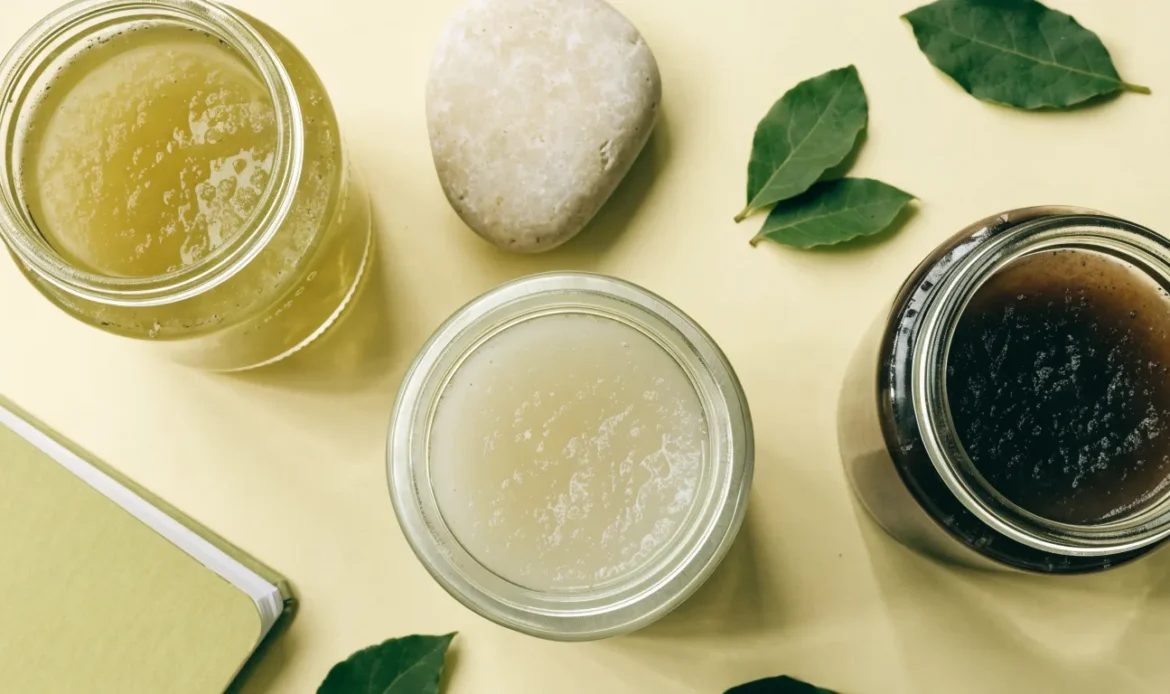
Short answer: “Mary Ruth Sea Moss” usually refers to sea moss sold under the Mary Ruth brand name. Sea moss products vary by form, processing, and label details. Before buying, check the product form, the ingredient list, iodine or mineral information, any third‑party testing, and storage or use instructions.
This article explains what to look for. It covers common product formats, safety questions, label checks, and a practical buying checklist you can use today.
What people mean by “Mary Ruth Sea Moss”
When someone says “Mary Ruth Sea Moss,” they are usually talking about sea moss that is branded or sold by Mary Ruth’s product line. Brands may offer sea moss as gels, powders, capsules, or liquid formulas. The same brand name can appear on different formats and on products with different ingredient lists.
You cannot assume all products under a single brand have the same contents or the same testing. Look at the specific product label and the seller’s information for each SKU before you buy.
Sea moss basics: what it is and why people use it
Sea moss is a common name for several red algae species. People use it in food, supplements, and topical products. Seaweeds contain minerals and plant compounds. The nutrient content varies a lot by species, where it was harvested, and how it was processed [1].
Sea moss in foods and supplements is often promoted for its texture, thickening ability, and as a source of minerals. Scientific sources note that seaweed is a variable source of nutrients and of iodine in particular [1][2]. That means product labels and testing matter.
Common product formats and what each means
Below are the most common formats you will see for sea moss products. I list the format, what to expect, and practical pros and cons.
H2: Raw or dried sea moss (loose seaweed)
- What it is: Whole pieces of dried sea moss or cleaned raw seaweed.
- Expect: Rehydrate with water before use. Needs cleaning and rinsing.
- Pros: Minimal processing. Visible product you can inspect.
- Cons: Requires prep time. Mineral and iodine levels can be variable. May contain natural debris unless well-cleaned.
H2: Sea moss gel
- What it is: Rehydrated and blended sea moss into a gel, often sold refrigerated or frozen.
- Expect: Ready to add to smoothies or recipes. Usually has water and sometimes added ingredients.
- Pros: Convenience. Easy to use.
- Cons: Shorter refrigerated shelf life. Ingredients can vary; some gels include other additives or sweeteners.
H2: Powdered sea moss (freeze-dried or spray-dried)
- What it is: Dried sea moss ground into a powder.
- Expect: Longer shelf life than gels. May be sold as pure powder or blended with other ingredients.
- Pros: Measured dosing, easy to store.
- Cons: Processing may remove or concentrate some minerals. Check the ingredient list.
H2: Capsules or tablets
- What it is: Powder placed into capsules or compressed into tablets.
- Expect: Easy dosing and shelf stability.
- Pros: Convenient for supplements.
- Cons: Less flexible for culinary use. Label should show the amount of sea moss per capsule and any other ingredients.
H2: Liquid extracts or tinctures
- What it is: Sea moss or seaweed extracts in a liquid base.
- Expect: Concentrated flavor or compounds. Often used in small amounts.
- Pros: Portable and long shelf life.
- Cons: Labeling may not clearly show full ingredient profile. Potency claims are variable.
How sea moss products can differ (what to check)
Products with the same brand name can still have important differences. Here is what to check on any sea moss product page or label.
- Ingredient list: Is it pure sea moss, or are there added oils, sweeteners, fillers, or preservatives?
- Species or description: Does the label say which seaweed species was used? If not, know that this increases uncertainty about nutrient content.
- Form and instructions: Gel, powder, capsule, or liquid? How is it meant to be used?
- Serving size and amounts: Does the label state the amount of sea moss per serving? Many products do not list mineral amounts unless they provide test results.
- Iodine content or mineral testing: Seaweed can be high in iodine. Check whether iodine amount is given or whether third‑party testing is available [1][2][3].
- Third‑party testing and certificates: Does the manufacturer provide lab reports for heavy metals, microbiology, or iodine? These help reduce uncertainty.
- Sourcing and harvest details: Does the brand say where the seaweed was harvested and how it was processed? Exact origin is often missing, so ask if it matters to you.
- Storage recommendations and shelf life: Gel often needs refrigeration. Powder and capsules usually last longer.
Safety and iodine: what research says
Seaweed can contain useful minerals. But iodine and some minerals can be present in high and variable amounts. Scientific reviews and monitoring surveys show wide variation in iodine levels across seaweed products and species [1][2][3][5].
- Iodine variability: Seaweed species and harvest location strongly affect iodine content. Some seaweed products can deliver a large amount of iodine in a single serving [3].
- Health context: Both very low and very high iodine intakes can affect thyroid function. If you have a thyroid condition or take iodine‑affecting medication, check with a healthcare professional before using seaweed products [2].
- Contaminants: Seaweed can absorb minerals and environmental contaminants. Good manufacturing practice includes testing for heavy metals and microbes. Look for lab results or third‑party certificates [4].
Because of these issues, reputable sellers sometimes share testing results or more detailed product information. If that information is missing, the level of uncertainty about iodine or contaminants is higher.
References: Harvard’s Nutrition Source covers seaweed nutrient variability [1]. A literature review and monitoring studies summarize iodine concerns and potentials for excess intake [2][3][5]. Operation Supplement Safety discusses sea moss in dietary supplements and cautions about testing and labeling [4].
How to read a label and product page (step‑by‑step)
Use this short guide when examining any sea moss product.
- Find the exact product name and format (gel, powder, capsule).
- Read the ingredient list for non-sea moss items.
- Look for stated amounts per serving (grams of sea moss).
- Look for iodine or mineral values on the nutrition label.
- Search the product page for “third‑party lab report,” “certificate of analysis,” “heavy metals,” or “microbial testing.”
- Check storage instructions and expiration date.
- If origin is listed, note the country or region. If it’s not listed and origin matters to you, contact the seller.
- If you have medical conditions or take medicines that affect iodine or thyroid, talk with a clinician before starting.
Practical decision checklist
Use this printable checklist before you buy any sea moss product labeled as “Mary Ruth Sea Moss” or similar.
| Yes/No | Item | Why it matters |
|---|---|---|
| ☐ | Clear product format (gel, powder, capsule) | Helps match product to your use and storage needs |
| ☐ | Ingredient list shows only sea moss (or clearly named additives) | Reveals added fillers, sweeteners, or preservatives |
| ☐ | Serving size per capsule/packet listed | Lets you compare doses across products |
| ☐ | Iodine or mineral content listed OR lab report available | Iodine can vary widely; testing reduces uncertainty [1][3] |
| ☐ | Third‑party testing or Certificate of Analysis (CoA) available | Helps check for heavy metals and microbes [4] |
| ☐ | Storage and shelf‑life instructions provided | Helps you avoid spoilage, especially for gels |
| ☐ | Origin and harvest/processing method described | Improves transparency about product sourcing |
| ☐ | Seller contact info available for questions | Useful if you want more details or test results |
| ☐ | You checked with your healthcare provider if you have thyroid issues or take iodine‑affecting medicines | Medical advice helps manage risk [2] |
Save this checklist to use while shopping.
Practical buying scenarios and recommended checks
Scenario A — You want sea moss for cooking or smoothies:
- Choose raw/dried or gel formats.
- Check that the product is pure or lists only culinary ingredients.
- For gel, confirm refrigeration/shipping conditions.
Scenario B — You want a supplement capsule:
- Check serving size and amount of sea moss per capsule.
- Look for third‑party testing for heavy metals.
- If the label claims specific mineral amounts, see if a lab report supports that.
Scenario C — You are shopping wholesale:
- Ask for batch test reports, production dates, and storage instructions.
- Confirm shelf life and minimum order quantities with the supplier. Use the supplier’s contact page to request documents.
Scenario D — You have thyroid concerns or take iodinated medicine:
- Look for products that list iodine amounts or provide lab testing.
- Consult your medical provider before starting.
How to prepare sea moss at home (basic steps)
If you buy raw dried sea moss and plan to make gel, here is a simple, general method. This is a general guide, not a recipe tied to any brand.
- Rinse dried sea moss under cool running water. Remove obvious debris.
- Soak it in clean water for 8–24 hours until it softens and expands.
- Drain and rinse again.
- Blend the soaked sea moss with fresh water until smooth. Adjust water to your texture preference.
- Store the gel in a clean, sealed container in the refrigerator. Use within the time recommended for your product or supplier.
Note: Home preparation does not change underlying mineral or iodine content. If seawater or source contamination is a concern, prefer tested, food‑grade products.
Storage and shelf life pointers
- Gel: Often needs refrigeration and has a shorter shelf life. Follow product instructions.
- Powder/capsules: Usually shelf stable if kept dry and cool. Check the label for expiry.
- Raw/dried sea moss: Store in a cool, dry place away from direct heat and moisture.
If instructions are missing, reach out to the seller for guidance.
Questions to ask the seller or brand
If product pages do not give enough detail, ask the seller:
- Which species of seaweed is used?
- Where and how was it harvested?
- Do you have batch testing for iodine, heavy metals, and microbes?
- What preservatives, if any, are included?
- What are the storage and shipping conditions for perishable formats?
A transparent seller will answer or provide lab reports on request. Lack of information increases uncertainty.
Next steps and useful links
If you want to learn more about seaweed in general, see our learning hub: Learn about sea moss and seaweed (/learn/).
If you’re ready to compare products, visit our store: Shop sea moss formats (/shop/).
If you need bulk or business information, our wholesale page explains options: Wholesale information (/wholesale/).
If you have questions, contact us: Contact Zen Wholesalers (/contact/).
Or return to our homepage for more resources: Zen Wholesalers home (/).
Conclusion
“Mary Ruth Sea Moss” is a label you may see on different sea moss products. The key facts are simple. Sea moss products vary by format, ingredients, and testing. Iodine and mineral levels can be highly variable. Check the ingredient list, format, storage instructions, and whether the seller provides third‑party lab testing or a Certificate of Analysis. If you have thyroid issues or other health concerns, discuss seaweed use with a healthcare provider before starting.
Use the decision checklist above when shopping. If the product page does not answer your questions, ask the seller for a CoA and clearer sourcing information. That reduces uncertainty and helps you choose the product form that fits your needs.
Frequently asked questions
Does the name “Mary Ruth Sea Moss” tell me where it was harvested?
No. A brand name does not automatically reveal harvest location. Check the specific product label or ask the seller for harvest origin and processing details.
Are sea moss products safe for people with thyroid problems?
Seaweed can be high in iodine, and iodine can affect thyroid function. If you have a thyroid condition or take medicines that change iodine use, consult a healthcare professional before using seaweed products [2].
What is a Certificate of Analysis (CoA) and why should I ask for it?
A CoA is a lab report showing test results for a product batch. For sea moss, a CoA may show iodine, heavy metals, and microbial testing. It reduces uncertainty about what’s in the product [4].
Can I make my own sea moss gel at home from dried sea moss?
Yes, many people rehydrate and blend dried sea moss into gel. Home preparation changes texture but not the underlying mineral or iodine content. If contamination is a concern, choose a food‑grade product and follow safe food handling.
If a label lists “sea moss powder,” does that mean it is pure?
Not necessarily. Check the ingredient list. Some powders are blends. Also check for processing methods and testing.
How do I know if a product’s iodine level is safe?
The product should list the iodine amount per serving or provide third‑party testing. If that information is missing, you cannot be sure of iodine content without testing [3][5]. Speak with a healthcare provider if you are concerned about iodine intake.
References
- Harvard T.H. Chan School of Public Health, “Seaweed.” https://nutritionsource.hsph.harvard.edu/seaweed/
- Smyth PPA. “Iodine, Seaweed, and the Thyroid.” European Thyroid Journal, 2021. https://pmc.ncbi.nlm.nih.gov/articles/PMC8077470/
- Food Standards Australia New Zealand, “Survey of iodine levels in seaweed and seaweed containing products,” updated 2025. https://www.foodstandards.gov.au/science-data/monitoring-safety/surveyofiodinelevels
- Operation Supplement Safety, “Sea Moss in Dietary Supplements.” https://www.opss.org/article/sea-moss-dietary-supplements
- Blikra MJ et al. “Consequences of acute and long-term excessive iodine intake: A literature review focusing on seaweed as a potential dietary iodine source.” 2024. https://doi.org/10.1111/1541-4337.70037