
Short answer first:
People searching “Sea Moss Shark Tank” usually want to know if a sea moss product or company went on the TV show Shark Tank. A clear way to know is to check the show’s official episode list, reliable episode guides, or the company’s own public records. Do not rely only on social media posts or product labels that say “as seen on Shark Tank.” Those claims can be true, partly true, or unverified. Below I explain how to check a claim, what to watch for in sea moss products, and a practical checklist to help buyers and retailers decide what to do next.
Why this matters
- A Shark Tank appearance can raise public interest in a product.
- But a TV appearance does not prove safety, purity, or value.
- Sea moss is a type of seaweed. Like other seaweeds, it can vary a lot in its makeup. That means testing and clear product information matter.
How to use this article
- If you want to confirm a Shark Tank claim, follow the verification steps.
- If you want to buy or sell sea moss, use the buyer/retailer checks and the product checklist.
- If you simply want to understand risks and testing, read the safety and testing sections.
H2: What people mean by “Sea Moss Shark Tank”
Many things are meant by that phrase:
- A specific sea moss brand might claim it was on Shark Tank.
- People might mean “Did any sea moss company ever pitch on Shark Tank?”
- Others use the phrase to find products that grew after a TV appearance.
Why the phrase causes confusion
- Marketing uses “Shark Tank” prestige. Some vendors use that phrase loosely.
- Social posts and videos can be edited to suggest a TV appearance.
- Some companies may have been featured in other shows, local news, or online videos and then claim a Shark Tank link.
H2: How to verify if a sea moss brand was actually on Shark Tank
Follow these steps in order. They are simple and reliable.
H3: 1. Check the official episode list
- The show or its network often lists all episodes and guest companies. Search the official site first.
- If a brand is not listed there, be skeptical of other claims.
H3: 2. Look for an episode number or air date
- A real TV appearance can be checked by episode number or air date.
- If a vendor provides one, use that to check episode guides.
H3: 3. Search trusted episode guides and transcripts
- Use well-known episode guides. Search for the brand name plus “Shark Tank episode,” plus the air date.
- Watch short clips from official sources before trusting other video posts.
H3: 4. Ask the company for proof
- Ask for the episode title, date, and a link to the official clip. Reputable brands can point you to the source.
- If a seller refuses or gives vague answers, treat the claim as unverified.
H3: 5. Beware of lookalikes and off-screen mentions
- A brand might appear in a montage, a news recap, or a related program but never pitch to the Sharks. Those mentions are not the same as a formal appearance.
H2: What a Shark Tank appearance does—and does not—prove
It proves:
- The brand secured some media exposure by being associated with the show.
It does not prove:
- Product safety, purity, or testing results.
- That a product meets regulatory rules for dietary supplements or food.
- That manufacturing or sourcing practices are reliable.
- That the business is still in the same condition it was on the show.
H2: Sea moss basics you should know
H3: What is sea moss?
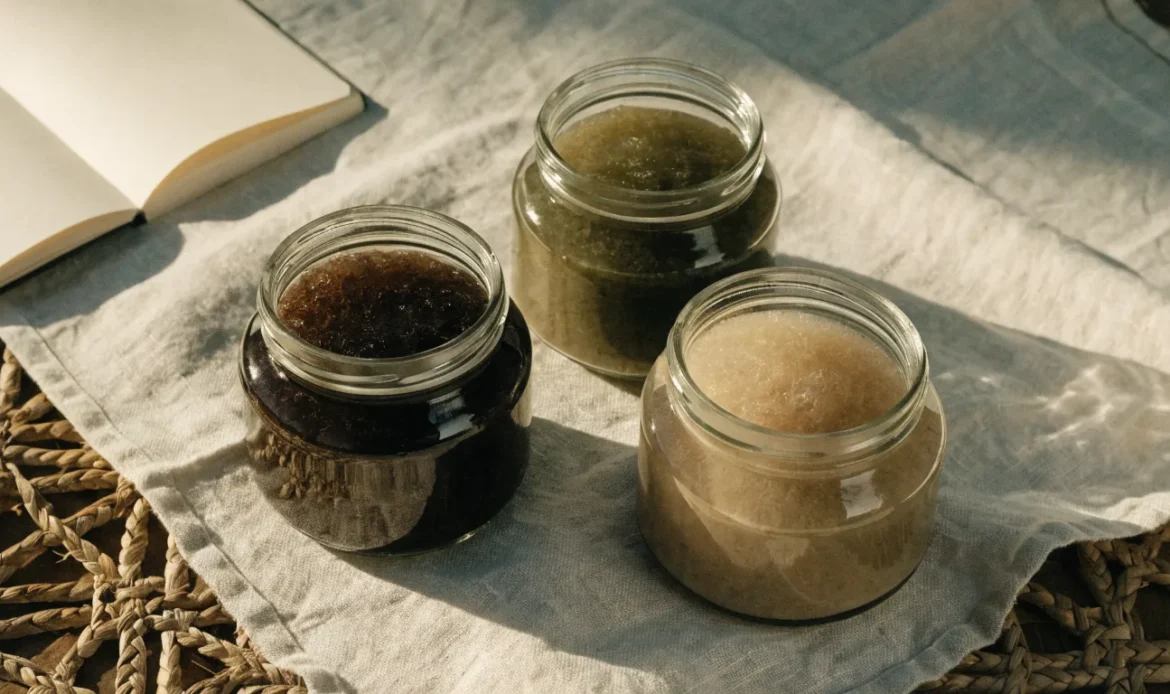
- Sea moss is a common name for some kinds of red seaweed. It grows on rocks in coastal areas. Different species and locations make different products.
- Like many seaweeds, sea moss can be used as a food ingredient, a dried product, gel, or in supplements.
H3: Why testing and labels matter
- Seaweeds can contain natural minerals like iodine. The amount varies by species and location. This makes testing important. [1][2]
- Tests help show whether a product has safe levels of elements and whether it matches the label.
H3: Safety notes from health and food bodies
- Seaweed can be a meaningful source of iodine. That is why some experts urge caution and testing. [1][2][5]
- Food-safety authorities run surveys and recommend monitoring products for iodine or other contaminants. [3]
- Organizations that review supplements note that product quality and labeling for sea moss supplements can vary and that buyers should look for testing and clear claims. [4]
H2: What you can check on any sea moss product or claim
Here is a decision checklist you can use before you buy or list a sea moss product. Use it for one product at a time.
Practical checklist: How to evaluate a sea moss product or a “Shark Tank” claim
- Source claim
- Does the product or seller list where the sea moss was harvested or processed? If yes, is that location specific or vague?
- Proof of TV appearance
- Does the seller provide an episode number, date, and link to the official clip? Can you verify it via the show’s official site?
- Ingredient label
- Does the label list all ingredients, including forms (dried, powdered, gel, added sweeteners)?
- Supplement facts or nutrition panel
- Is there a nutrition panel or supplement facts label? Are serving sizes and suggested uses listed?
- Certificate of Analysis (COA) or lab test
- Is a recent third-party lab test available? Does it test for iodine, heavy metals, microbes, and other contaminants? Note: absence of a COA does not mean a product is unsafe, but it means you have no proof.
- Manufacturing info
- Is the product made in a facility with a known food or supplement registration? Is there a GMP statement?
- Shelf instructions and storage
- Are storage and expiration or best-by dates provided? Is refrigeration required for gels?
- Packaging and batch codes
- Does the product show a batch or lot number? That helps with traceability.
- Clear claims
- Does the company make clear, measurable claims, or vague health promises? Avoid vague statements about curing or treating conditions.
- Seller transparency
- Can you contact the seller with questions? Is there a physical address and phone number?
- Pricing and wholesale terms
- If you plan to wholesale, does the seller offer clear pricing, MOQs (minimum order quantities), and sample policies?
- Reviews and real media
- Look for independent reviews and news stories. Confirm that “as seen on TV” links point to official clips, not just social posts.
H2: A short buyer guide for common product formats
H3: Dried sea moss (raw)
- What to check: clean dry appearance, no strong off-odors, supplier comfort sharing source details, batch code.
- Questions to ask seller: How was it cleaned? Is there a COA for contaminants and microbes? Which species is it?
H3: Sea moss gel
- What to check: unopened gel should be sealed. Ask about refrigeration policy and shelf life. Look for ingredients beyond sea moss: is there added water, preservatives, or thickeners?
- Ask for batch testing for microbes and clarity on storage.
H3: Powdered sea moss
- What to check: label for added fillers, protein or fiber content statements, and test results for heavy metals and iodine.
H3: Sea moss in supplements (capsules/tablets)
- What to check: supplement facts panel, serving size, and third-party lab tests. Products labeled as supplements should follow local rules and have accurate panels. [4]
H2: For retailers and wholesalers: extra checks
If you plan to stock or resell sea moss, add these steps:
- Request COAs for each new batch.
- Inspect sample packaging and check batch codes against COAs.
- Confirm storage and shipping needs (refrigerated items vs. shelf-stable).
- Ask about lead times and minimum orders.
- Ask for insurance or return policies if a batch proves non-compliant.
- Verify any marketing claims about awards or media appearances with primary sources.
H2: How regulatory and safety guidance informs your checks
H3: Iodine and variability
- Seaweeds often have variable iodine levels. That can be a safety issue for people with thyroid conditions or those taking iodine-rich diets. Testing provides needed clarity. [1][2][5]
H3: Surveys and testing
- Food-safety bodies run surveys to measure iodine and other elements in seaweed products. These surveys show a range of results and support the need for product testing. [3]
H3: Supplement oversight
- Dietary supplements are regulated differently from foods in some places. Independent testing and clear labels help buyers interpret what is inside a product. [4]
H2: What available information cannot prove
Be clear on limits:
- A TV appearance does not prove safety. It shows publicity, not lab results.
- A brand mention in social media is not the same as an official show appearance.
- A product label alone cannot prove the product matches tests unless tests and batch codes are provided.
- Seller claims about origin, purity, or potency require documentation to be verifiable.
H2: What questions are useful next
After you verify a Shark Tank claim, ask these next:
- Do you have batch-specific lab tests (COAs)? Which lab issued them?
- What species of seaweed is used? Where was it harvested?
- How is the product processed and stored?
- Can you provide sample product for testing before a large wholesale order?
- What is your return policy if a product test fails or the shipment is damaged?
Frequently asked questions
What should I check first?
Start with the product or ingredient label, the source information, and whether the seller can answer clear questions.
Is this a replacement for professional advice?
No. Use this article as general education. Ask a qualified professional for personal medical, legal, or food-safety guidance.
Where can I learn more?
Use the Zen Wholesalers Learning Library to compare related guides and choose a useful next question.
References
- Harvard T.H. Chan School of Public Health, “Seaweed.” https://nutritionsource.hsph.harvard.edu/seaweed/
- Smyth PPA. “Iodine, Seaweed, and the Thyroid.” European Thyroid Journal, 2021. https://pmc.ncbi.nlm.nih.gov/articles/PMC8077470/
- Food Standards Australia New Zealand, “Survey of iodine levels in seaweed and seaweed containing products,” updated 2025. https://www.foodstandards.gov.au/science-data/monitoring-safety/surveyofiodinelevels
- Operation Supplement Safety, “Sea Moss in Dietary Supplements.” https://www.opss.org/article/sea-moss-dietary-supplements
- Blikra MJ et al. “Consequences of acute and long-term excessive iodine intake: A literature review focusing on seaweed as a potential dietary iodine source.” 2024. https://doi.org/10.1111/1541-4337.70037