
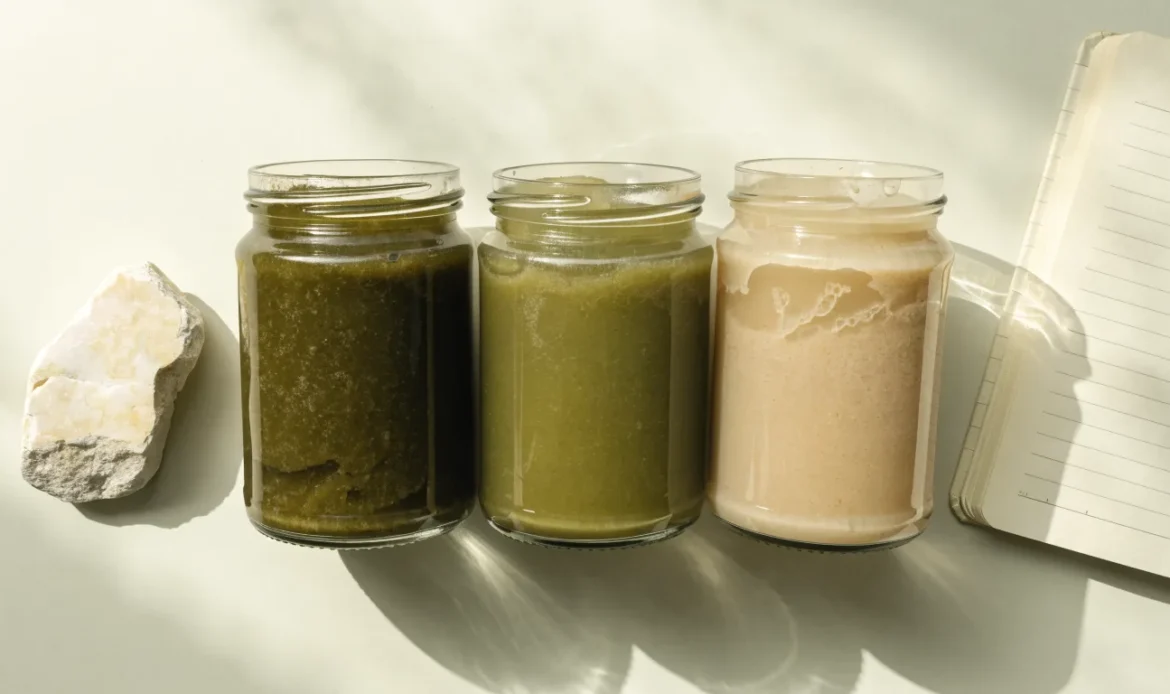
Short answer first: “Atlantic Naturals Sea Moss” is a product name some sellers use for sea moss that they say comes from Atlantic waters or is made in an Atlantic style. The name alone does not guarantee how the sea moss was harvested, tested, or processed. If you are deciding whether to buy it, check the label, ask for testing, and match the product form to how you plan to use it.
This guide explains what people mean by Atlantic sea moss, what “Atlantic Naturals” can imply, and the specific checks you can run before buying. It ends with a practical decision checklist and next steps.
What people mean by Atlantic Naturals Sea Moss
- “Atlantic” usually refers to seaweed species that grow in the Atlantic Ocean or coastal waters connected to it. Common types sold as sea moss are red algae in the Chondrus or Gracilaria families. Labels vary. The word “Atlantic” by itself does not prove the exact species or the harvest location.
- “Naturals” often suggests minimal processing. But that term is not regulated. It may mean raw dried seaweed, hand-cleaned seaweed, or simply a marketing phrase. Look for clear processing details on the label or seller page.
- Products sold under this name can come in different formats: raw dried seaweed, raw fresh sea moss (wet), ready-made gel, powder, capsules, and blends. Each format is handled and stored differently.
Why this matters: source and processing affect texture, shelf life, and the kinds of tests you might want to see before buying.
Basic facts about sea moss (what the science says)
- Seaweed can be a source of minerals and other compounds found in ocean plants. Research on seaweed is growing, but results vary by species and source [1].
- Seaweed can contain iodine. Iodine levels vary by species and where the seaweed grew. High iodine intake can affect thyroid function in some people [2][5].
- Seaweed and seaweed products can vary in contaminants. Testing for heavy metals, arsenic, and other substances is appropriate, especially if you plan to use seaweed often [4].
These points are general. They apply whether a label says “Atlantic Naturals Sea Moss” or another name.
Common product forms of Atlantic sea moss and what they mean
H3: Raw dried sea moss
- This is sea moss that has been dried after harvest.
- Dried sea moss can be rehydrated and blended into gel at home.
- Check for a clean smell and a label that lists harvest or processing methods.
H3: Fresh or wet sea moss
- Sold moist or refrigerated.
- Short shelf life. Requires cold storage and clear use-by dates.
H3: Sea moss gel
- Sea moss blended with water and sometimes citric acid or other stabilizers.
- Convenience is high. Shelf life varies by recipe and storage.
- Look for ingredient lists and refrigeration instructions.
H3: Powder and capsules
- Dried sea moss ground into powder or filled into capsules.
- Easier to dose for some users. Check for additives or fillers.
H3: Blends and flavored products
- Mixed with other seaweeds, herbs, or sweeteners.
- Read the full ingredient list if you have allergies or dietary needs.
What the label and product page should tell you
When evaluating any product called Atlantic Naturals Sea Moss, look for these facts:
- Species name or common type (e.g., Gracilaria, Chondrus).
- Format (dried, gel, powder, capsule).
- Country or region of harvest and processing. If the product is a blend, the label should say so.
- Harvest date or processing date and a best-by or use-by date if available.
- Storage instructions (room temperature, refrigerate, freeze).
- Ingredient list for gels and flavored items.
- Batch number or lot code. This helps if a seller provides test results for a specific batch.
- Contact info for the seller or brand. Good sellers will answer questions.
If these items are missing, ask the seller before you buy.
Tests and safety information to ask for
Ask for third-party testing when you can. Useful tests include:
- Iodine level testing, or at least a statement on iodine variability.
- Heavy metals (lead, cadmium, mercury), and arsenic.
- Microbial testing (for fresh or wet products).
- Pesticide screening if the product mixes in additives.
Sellers may provide Certificates of Analysis (COAs). A COA should match the product batch you are buying (look at the lot number). If a seller cannot produce testing or gives test results without a batch match, treat that as incomplete information.
Why testing matters
- Seaweed picks up minerals from seawater. Levels vary by place and species. Testing helps you understand what’s in a specific batch [1][2][5].
- Regulatory agencies have raised iodine monitoring because high iodine from frequent seaweed consumption can affect thyroid health [3][5].
- The presence or absence of a test does not guarantee safety. Tests show results only for the sample taken.
How to read marketing claims responsibly
- “Wild-harvested,” “natural,” or “Atlantic” are marketing terms unless they are backed by clear facts on the label or in seller documents.
- “Raw” may mean minimally processed. Ask what cleaning, drying, and storage steps were used.
- “Organic” is a certified term for land crops. For seaweed, look for clear certification details and the certifier’s name if that claim is made.
If a claim is important to you, ask the seller to prove it with documents or clear photos of processing and testing.
Practical decision checklist: Should you buy Atlantic Naturals Sea Moss?
Use this checklist before you buy. Tick each item you can confirm.
- Product format matched to use: dried, gel, powder, or capsule?
- Clear species or seaweed type listed?
- Harvest or processing region stated?
- Batch or lot number visible?
- Ingredient list for blended items?
- Storage and shelf-life info present?
- Seller contact information included?
- Third-party COA or lab tests available for the batch? (iodine, heavy metals, microbes)
- Return policy or satisfaction guarantee?
- Price and quantity clear (unit weight or serving size)?
If you cannot confirm at least five items above, consider contacting the seller for clarification. If safety testing is missing and you plan frequent use, prefer products with lab results.
How to pick a format for your needs
H3: If you want to make gel at home
- Buy dried sea moss that is labeled clean and fully dried.
- Dried sea moss allows control over water and any added ingredients.
H3: If you want convenience
- Sea moss gel or powder is ready to use.
- Check ingredient lists for stabilizers or sweeteners.
H3: If you plan to use small amounts daily
- Powder or capsules can help portion control.
- Consider product testing for iodine and contaminants if use is frequent.
H3: If you want variety in recipes
- Fresh or raw wet sea moss offers texture variety but needs fast use and cold storage.
Match the format with your cooking, storage capacity, and how often you will use the product.
Storage and basic preparation tips
- Store dried sea moss in a cool, dry place in a sealed container.
- Refrigerate gels and use before the stated date. Follow the seller’s instructions for freezing if recommended.
- Rinse sea moss before use to remove sand or small debris. Use clean water and change the water as needed.
- When making gel, blend rehydrated sea moss with clean water until smooth. Keep refrigerated.
These are general steps. Follow the specific product instructions as well.
What you can check at home after purchase
- Smell: sea moss should smell mildly ocean-like. Strong off odors like rotten smells can indicate spoilage.
- Appearance: dried sea moss should be brittle and uniform. Fresh sea moss should not be slimy unless sold as a wet product.
- Ingredient label: match the product to what you received. Check for undisclosed additives.
- Packaging: check for lot numbers and date codes.
If you see something clearly wrong, contact the seller and keep packaging and receipts.
Decision guide table: choosing between common forms
| Goal | Best format | Why |
|---|---|---|
| Make your own gel and control ingredients | Dried sea moss | Long storage, lets you rinse and blend your way |
| Use in smoothies or cooking without prep | Powder / capsules | Fast dosing, easy mixing |
| Want ready-to-eat texture | Pre-made gel | Convenient, but check ingredients and storage |
| Want variety and fresh texture | Fresh/wet sea moss | Good for certain recipes, but shorter shelf life |
| Planning frequent daily use | Powder or tested product | Easier portion control; ask for test results |
Use this guide to match a product form to your needs. Always check labels and testing for frequent use.
Next steps and useful guides
If you want to learn more or buy, these pages may help:
- Start at our main page: Home
- Read more about sea moss and safety in our learning hub: Learn
- Browse available formats: Shop
- If buying in bulk for resale or recipe use, see our wholesale information: Wholesale
- Have a question or need product details? Contact us: Contact
Conclusion
“Atlantic Naturals Sea Moss” is a name used for sea moss products that may come from Atlantic waters or be marketed in that style. The name alone does not prove species, origin, or safety. To make a smart choice, check the product format, species label, batch information, storage instructions, and ask for third-party testing when you plan frequent use. Use the decision checklist in this article to guide your questions. If you want more detail, use the links above to read more or contact the seller for batch-specific information.
Frequently asked questions
Does the name “Atlantic Naturals Sea Moss” guarantee it comes from the Atlantic Ocean?
No. Names like that are marketing terms. They might mean Atlantic-sourced seaweed, but the label or seller should state the harvest region to confirm.
Is testing required for sea moss products?
Testing is not always required by all sellers. But good practice for safety is to ask for batch-specific third-party tests for iodine and contaminants if you plan frequent use or are concerned about exposure [4][5].
Can iodine in sea moss be dangerous?
Seaweed can contain variable iodine levels. High iodine intake can affect the thyroid in some people. If iodine is a concern, ask the seller about levels or look for lab results [2][5][3].
How should I store sea moss gel?
Most gels need refrigeration. Follow the seller’s instructions. If in doubt, refrigerate and use by the product’s stated date.
How can I verify a seller’s COA?
Ask the seller for the COA and check that it lists the same batch or lot number as the product you will receive. A COA without a matching lot number is less useful.
Are blends safe?
Blends can be safe but check the ingredient list for additives, allergens, and the source of any mixed seaweeds. Blends make it harder to know exact iodine and contaminant levels unless the seller tests the specific blend.
References
- Harvard T.H. Chan School of Public Health, “Seaweed.” https://nutritionsource.hsph.harvard.edu/seaweed/
- Smyth PPA. “Iodine, Seaweed, and the Thyroid.” European Thyroid Journal, 2021. https://pmc.ncbi.nlm.nih.gov/articles/PMC8077470/
- Food Standards Australia New Zealand, “Survey of iodine levels in seaweed and seaweed containing products,” updated 2025. https://www.foodstandards.gov.au/science-data/monitoring-safety/surveyofiodinelevels
- Operation Supplement Safety, “Sea Moss in Dietary Supplements.” https://www.opss.org/article/sea-moss-dietary-supplements
- Blikra MJ et al. “Consequences of acute and long-term excessive iodine intake: A literature review focusing on seaweed as a potential dietary iodine source.” 2024. https://doi.org/10.1111/1541-4337.70037