
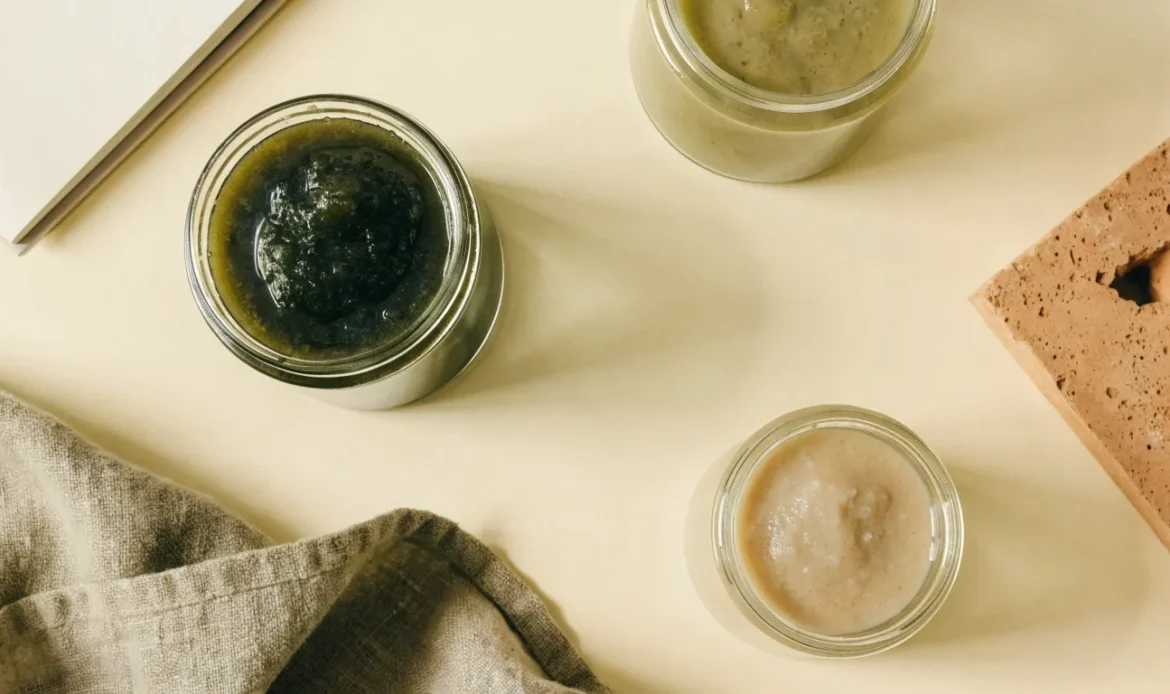
Short answer: “Infinite Age Sea Moss” is a product or product-name style you will see on shelves and online. It usually refers to a sea moss product marketed under that name or a similar brand phrase. To judge any “Infinite Age” product, check the label, ask for test reports, and compare formats (raw, dried, gel, powder, capsule) to your needs.
This article explains what the name can mean, what sea moss is, how formats differ, what you can check on a product, what labels and claims cannot prove, and a practical checklist to help you decide. Links to useful next pages are at the end.
What does the name mean?
“Sea moss” is a common name for certain types of red algae that people harvest from coastal waters. The label “Infinite Age Sea Moss” is a marketing or product name. It does not tell you the species, the harvest method, the place it came from, or the tests it passed. A product with that name might be raw dried sea moss, a gel, a powder, or a blended supplement. The word “advanced” (for example, “infinite age sea moss advanced”) may be used by sellers to indicate a different format or added ingredients, but that label alone does not prove anything about purity or nutrition.
Why this matters: names are helpful shorthand. But names are not lab reports. If you want to know what is in a jar or bottle, read the label and ask the seller for supporting documents.
Sea moss basics — what the category includes
Sea moss belongs to the broader group called seaweed. Seaweed includes green, brown, and red algae. Sea moss commonly describes certain red algae species used in food and supplements. These plants grow in the ocean and can pick up minerals from their environment. Seaweed can be a food ingredient, a thickener, or the raw material for supplements. For general background about seaweed as a food, see Harvard’s review of seaweed [1].
Common names and scientific names can differ. A product name like “Infinite Age Sea Moss” usually will not include the scientific species name on its own. If you need species-level information, look for it on the product label or ask the seller.
Common product formats and what they mean
Products labeled “Infinite Age Sea Moss” could appear in several forms. Here are the typical formats and the practical points to check for each.
- Raw dried sea moss
- What it is: Sea moss harvested and dried, usually sold as pieces or chips.
- Why people buy it: Long shelf life when fully dry; can be soaked and made into gel or added to recipes.
- What to check: Color and smell (fresh ocean smell is normal; strong sulfur or rot is not), any visible debris, harvest region, and whether batches are tested for contaminants.
- Sea moss gel
- What it is: Rehydrated and blended sea moss, often refrigerated. Gel is a ready-to-use form for smoothies, cooking, or topical use.
- Why people buy it: Convenience and immediate use.
- What to check: Ingredients list (water, preservatives, added fruit or sweeteners), fill weight, expiration or “best by” date, and refrigeration/storage instructions.
- Powdered sea moss
- What it is: Dried sea moss ground into powder.
- Why people buy it: Ease of measuring, blends into dry products or drinks.
- What to check: Additives (anti-caking agents), particle size, suggested serving, and any claimed standardization.
- Capsules or softgels
- What it is: Powdered sea moss or extracts in pill form.
- Why people buy it: Convenience and fixed dose per capsule.
- What to check: Amount per capsule, other ingredients, and third-party testing for contaminants.
- Blends and “advanced” formulas
- What it is: Sea moss mixed with other herbs, minerals, or extracts. Some sellers add the word “advanced” to signal a blended formula.
- What to check: Full ingredients list, potential allergens, and whether the manufacturer provides lab testing for combined finished products.
What “Advanced” might mean — and what it does not prove
When you see phrases like “advanced” or “Infinite Age Sea Moss Advanced,” sellers may intend to communicate that the product has a different formulation, extra processing, or an added ingredient. But the word itself does not guarantee:
- That the product contains higher levels of any nutrient.
- That the product is safer or purer.
- That the product was harvested from a particular place.
- That independent lab tests support any claims.
What it can mean in practice:
- A concentrated extract rather than a whole-food product.
- A blend of sea moss with other botanical or mineral ingredients.
- A different preparation method (e.g., enzymatic processing or solvent extraction).
To know which of those apply, read the label and ask for documents such as a certificate of analysis (COA) or third-party test report.
Safety topics to check before buying
Seaweed products can contain useful minerals. They can also carry naturally high iodine or pick up environmental contaminants. Here are the main safety points to check, with guidance on what you can learn and what you cannot prove without lab data.
- Iodine content and thyroid safety
- Why it matters: Seaweed can contain a lot of iodine. Too much iodine may affect thyroid function in some people [2][5].
- What you can check: Look for iodine amount on the label or ask the seller for a test report that lists iodine concentration. If a product does not list iodine content, the seller should be able to provide a lab result on request.
- What labels cannot prove: A simple ingredient label cannot prove the exact iodine per serving. Only a lab test can.
- Heavy metals and contaminants
- Why it matters: Seaweed may absorb metals or pollutants from its environment.
- What you can check: Ask for third-party testing for heavy metals (lead, arsenic, cadmium, mercury) and for microbial contamination if the product is raw or minimally processed [4].
- What labels cannot prove: A manufacturer’s claim of “clean” or “tested” without a linked test report does not prove absence of contaminants.
- Microbial safety for ready-to-eat gels
- Why it matters: Perishable gels can support bacterial growth if not processed or refrigerated correctly.
- What you can check: Manufacturing process, pasteurization or preservation methods, and storage instructions. Look for “refrigerate after opening” and a clear expiration date.
- Allergens and added ingredients
- Why it matters: Blends may include allergens, sweeteners, or preservatives.
- What you can check: Full ingredient list and allergen statements. If the product is a blend, check each added component.
References about iodine in seaweed and the need for caution are summarized in the literature and reviews [1][2][3][5]. Public health agencies have monitored iodine levels in seaweed products because levels can vary widely [3].
What you can check on a label or from a seller
Here is a practical, short checklist of items to look for before you buy a product labeled “Infinite Age Sea Moss” or similar.
- Product form: raw, dried, gel, powder, capsule, or blend.
- Full ingredients list: any added herbs, sugars, preservatives.
- Species name: scientific name if provided (e.g., Chondrus crispus or other red algae).
- Net weight and serving size.
- Harvest region or source description (if provided).
- Lot or batch number and production or best-by date.
- Storage instructions and shelf-life.
- Contact information for the manufacturer or distributor.
- Statements about testing: COA or third-party lab test for heavy metals, iodine, microbes.
- Allergen statements.
- Claims to back up: avoid unverified health promises.
This checklist helps you gather the facts you need to compare products. It is reasonable to contact a seller and request a COA for the batch you plan to buy.
Decision guide: how to choose a format
Below is a simple table to help match a format to common needs. Use it to pick a product style that fits your use and comfort level.
| Format | Best for | Pros | Cons | What to check |
|---|---|---|---|---|
| Raw dried sea moss | DIY users who make gel or recipes | Long shelf life when dry; whole-food form | Requires soaking/cleaning; variable texture | Source, visible debris, instructions, test reports |
| Sea moss gel | Convenience and immediate use | Ready to blend in foods; soft texture | Shorter shelf life; needs refrigeration | Ingredient list, preservative, batch date, storage |
| Powder | Recipes, capsules, blending | Easy to measure; shelf stable if dry | May contain additives | Additives, micronization, COA |
| Capsules | Convenience, standardized serving | Easy dosing | Less flexible for cooking | Amount per capsule, other ingredients, tests |
| Blends/“Advanced” formulas | If you want added herbs/minerals | Single product with extras | Added ingredients may cause interactions | Full ingredient list, allergen info, COA |
Use this table to decide which format fits how you plan to use sea moss.
Practical checklist: what to ask before buying
Use these questions when you contact a seller or evaluate an online listing.
- What species of sea moss is in the product?
- Where and how was it harvested?
- Is the product wild-harvested or farmed?
- What processing steps were used (sun-dried, oven-dried, steamed, pasteurized, etc.)?
- Does the product come with a certificate of analysis (COA)? Can you see the COA for the batch?
- Does the COA show iodine content and heavy metal levels?
- Does the COA show microbial contamination results for ready-to-eat gels?
- Are there any added ingredients, sweeteners, or preservatives?
- What is the net weight and suggested serving size?
- What storage conditions and shelf life do you recommend?
- Who is the manufacturer and where can I contact them?
A good seller should answer these plainly or provide a lab report. If they cannot or will not provide any of this, consider looking elsewhere.
How to prepare common formats safely
General, non-prescriptive tips for handling sea moss:
- Dry product: Rinse well with clean water to remove sand and visible debris. Soak in clean water until softened before blending to make gel.
- Gel: Keep refrigerated and observe the “use by” date. Discard if smell, color, or texture changes unexpectedly.
- Powder and capsules: Store in a cool dry place. Keep lids closed and follow the manufacturer’s storage advice.
These are housekeeping and handling tips. They are not medical advice.
What labels and marketing cannot prove
Be clear about limits. The following items cannot be proven just by a marketing claim or by the product name:
- Exact mineral content per serving (like exact iodine in mg) unless a lab test or label provides it.
- Absence of contaminants unless third-party testing shows results for the batch.
- That a product will affect your health in a specific way.
- That a product is “pure” just because it uses words like “natural” or “advanced.”
Ask for data when the claim matters to you. When a seller shares lab results, confirm that the report matches the product lot you will receive.
Next useful question to ask a seller
If you can ask only one question, a practical one is:
“Can you provide a certificate of analysis for the lot I will buy that lists iodine and heavy metals?”
A COA tied to the specific batch is the most direct way to move from marketing to measurable facts.
Where to learn more and next steps
- If you want general background on seaweed as food, read the Harvard overview on seaweed [1].
- If you are concerned about iodine and thyroid interactions, see reports and reviews on iodine from medical sources [2][5].
- If you want to know about iodine levels in seaweed products in the market, public monitoring reports can be useful [3].
- For safety checks related to dietary supplements, consult resources on supplement safety [4].
If you are ready to explore products, you can visit our shop pages or contact us:
- Start at our home page: /
- Learn more on our learning center: /learn/
- Browse available product formats: /shop/
- If you are buying in bulk, see our wholesale options: /wholesale/
- Questions? Contact our team: /contact/
Conclusion
“Infinite Age Sea Moss” is a product label, not a scientific guarantee. The most useful way to evaluate any sea moss product is to know the format you want, read the full label, and ask the seller for batch-specific test results when safety or iodine levels matter to you. Use the checklist and decision table above to compare formats. If you want to shop or learn more about formats, safety, or wholesale options, visit our pages at /shop/, /learn/, /wholesale/, or get in touch at /contact/. You can also start from our home page: /.
Continue reading
Frequently asked questions
Is “Infinite Age Sea Moss” a species name?
No. It is a product or marketing name. To learn the species, look for a scientific name on the label or ask the seller.
Does “Infinite Age Sea Moss Advanced” mean it is stronger or more nutritious?
Not necessarily. “Advanced” is a marketing term. It may indicate added ingredients or different processing. Ask for a full ingredient list and a certificate of analysis for the product to see what is different.
How can I find out how much iodine is in a sea moss product?
Check the label for iodine content. If it is not listed, ask the seller for a third-party lab report or COA that lists iodine. Public health groups note that iodine can vary widely in seaweed products [3][5].
Are there safety risks with sea moss?
Seaweed products can contain high levels of iodine and may pick up environmental contaminants. The risks depend on species, harvest location, and processing. Ask for tests and follow product storage instructions [2][4][5].
What is a COA and why does it matter?
A COA (certificate of analysis) is a lab report for a batch. It lists measured values for things like iodine, heavy metals, and microbes. It matters because it provides specific data for that batch of product.
If I buy raw sea moss, how should I store it?
Keep dried sea moss in a cool, dry place in a sealed container. Once you make gel or rehydrate it, follow storage guidance on the product and refrigerate if required. Discard if smell, color, or texture changes suddenly.
References
- Harvard T.H. Chan School of Public Health, “Seaweed.” https://nutritionsource.hsph.harvard.edu/seaweed/
- Smyth PPA. “Iodine, Seaweed, and the Thyroid.” European Thyroid Journal, 2021. https://pmc.ncbi.nlm.nih.gov/articles/PMC8077470/
- Food Standards Australia New Zealand, “Survey of iodine levels in seaweed and seaweed containing products,” updated 2025. https://www.foodstandards.gov.au/science-data/monitoring-safety/surveyofiodinelevels
- Operation Supplement Safety, “Sea Moss in Dietary Supplements.” https://www.opss.org/article/sea-moss-dietary-supplements
- Blikra MJ et al. “Consequences of acute and long-term excessive iodine intake: A literature review focusing on seaweed as a potential dietary iodine source.” 2024. https://doi.org/10.1111/1541-4337.70037