
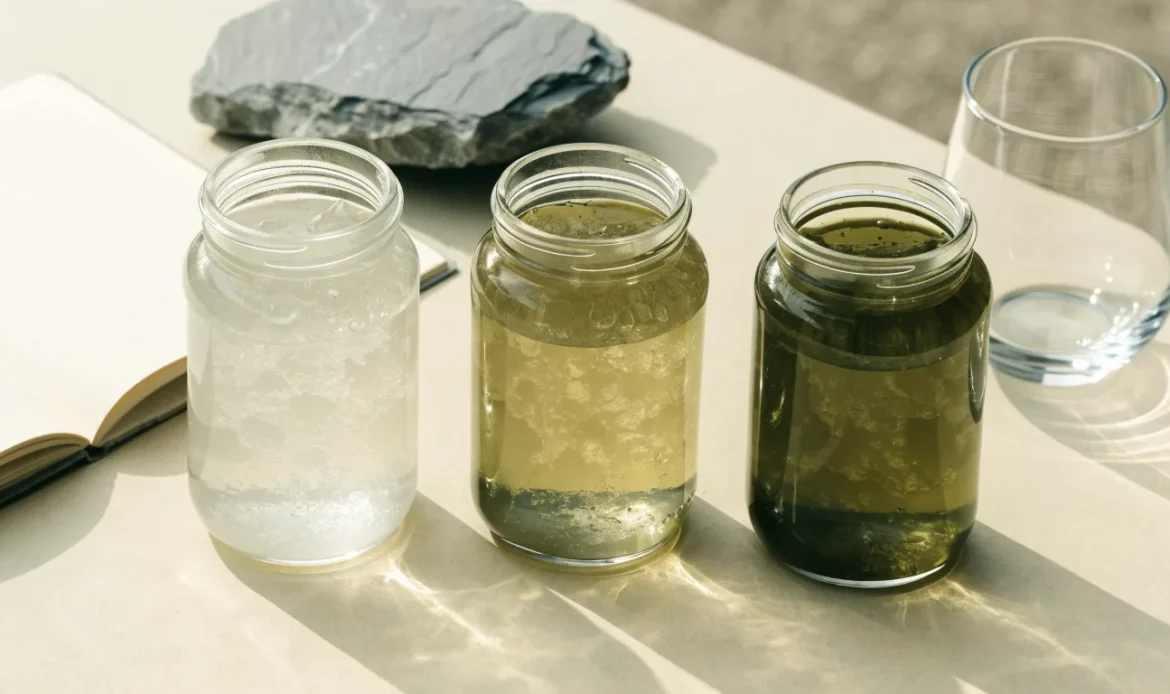
Short answer: “Transformation Factory sea moss” usually refers to sea moss that has been processed by a commercial facility into a finished format (gel, powder, capsule, or blended product). The phrase can be a product name, a brand style, or a way sellers describe sea moss made in a processing facility sometimes called a sea moss factory. It does not on its own guarantee origin, testing, or quality. Read labels and ask for test results or documentation before you buy.
This guide explains what people mean by the term. It shows the common product formats. It tells you what to check on a product page or label. It gives a short decision checklist to help you pick a format that matches your use. It also lists sensible safety checks and the best next questions to ask a seller.
What people mean by “Transformation Factory sea moss”
- Many sellers use names that sound like a factory or brand. The name “Transformation Factory” may be used to describe products made in a commercial processing facility.
- In practice, the phrase points to sea moss that has moved beyond raw harvest and into processing. That processing can include cleaning, drying, grinding, making gel, or blending.
- The same phrase can describe different formats and recipes. One seller’s product called “Transformation Factory sea moss gel” could be a simple water-blended gel. Another seller’s product with the same or similar name could be a blended product with added ingredients.
- The term alone cannot prove safety, testing, origin, or quality. Those facts come from labels, documentation, and testing results you can request.
If you want to know a product’s specifics, look for clear labels and ask the seller for more information. The rest of this article tells you what to look for and how to decide.
The sea moss factory: what that means in plain steps
A “sea moss factory” is a commercial place where sea moss is processed for sale. Typical steps a facility might perform include:
- Receive raw sea moss from harvesters.
- Rinse and sort to remove debris like shells or sand.
- Further cleaning to remove salts and grit.
- Drying or dehydrating for dried sea moss.
- Grinding to make powder.
- Blending into gels, drinks, or blended products.
- Packaging, labeling, and storing finished goods.
These steps vary by facility and by product. Some small processors do many steps by hand. Larger facilities may use machines. None of this tells you how well a facility handles sanitation, contamination control, or testing unless the seller shares documentation.
Common formats you will see and how they differ
Below are the most common sea moss product formats you will encounter when sellers use names like “Transformation Factory sea moss.”
- Dried whole sea moss
- This is sea moss cleaned and dried. Buyers often rehydrate it at home.
- It is usually shelf-stable when kept dry.
- What to check: cleanliness, visible debris, storage instructions on the label.
- Sea moss gel
- Made by soaking cleaned sea moss in water and blending it into a gel.
- Needs refrigeration and usually has a shorter shelf life than dried moss.
- What to check: added ingredients (water, preservatives, flavors), storage guidance, and “made on” or “best by” dates.
- Powdered sea moss
- Dried and ground into a powder. Often used in smoothies or recipes.
- Might be sold as pure powder or as part of a blend.
- What to check: whether it is pure sea moss or a blend, particle size, storage.
- Capsules or tablets
- Powdered sea moss placed into capsules.
- Convenience format. May contain other excipients or fillers.
- What to check: ingredient list, capsule size, recommended use directions.
- Blends and ready-to-drink formulations
- Sea moss mixed with other ingredients (juices, herbs, vitamins).
- What to check: full ingredient list and any allergen warnings.
Remember: the name “factory” or “Transformation Factory” doesn’t guarantee method of processing or ingredients. Always read the full product information.
What to check on a product page or label
When a seller lists a product with a name like “Transformation Factory sea moss,” use this checklist before you buy.
Decision checklist — what to verify before buying
- Product format: Is it dried, gel, powder, capsule, or a blend?
- Full ingredient list: Are there added ingredients, sweeteners, or preservatives?
- Storage instructions: Does it say refrigerate after opening? Freeze? Keep dry?
- Production date or batch code: Is there a clear “made on” or lot number?
- Testing and certificates: Is there a Certificate of Analysis (COA) or third-party lab report for heavy metals, iodine, or microbial limits?
- Contact information: Does the seller list an address, phone, or email?
- Return policy: Is there a clear returns or refund policy for quality concerns?
- Harvest or origin info: Does the seller state where the raw sea moss was harvested (region or area)? Note: this can help, but it is not the only quality factor.
- Wild-harvest vs farmed: Is that stated? Both can be good; it’s a label for your preference.
- Allergen statements: Any cross-contact risks noted?
If key items are missing, ask the seller directly. If they do not answer clearly, consider buying a different product.
A practical decision guide: which format is right for you?
| Your main goal | Recommended format | Why this fits |
|---|---|---|
| Cooking or recipes (you want to control texture) | Dried whole sea moss | Rehydrate and blend to the thickness you like |
| Convenience and daily use | Capsules or powder | Easy to dose; minimal prep |
| Making smoothies, desserts, or spreads | Powder or gel | Gel gives a thick texture; powder mixes easily |
| Selling finished products or scaling recipes | Powder or bulk dried | Easier to store and standardize |
| Trying sea moss for the first time | Small jar of gel or sample of powder | Low commitment; see how you use it |
Use this table with the checklist above. Match the format to how you plan to use sea moss and then confirm the product details. For wholesale or business buying, add requests for COAs, batch samples, and production flow descriptions.
Safety notes: testing and what matters
Seaweed, including sea moss, can vary widely in mineral and iodine content. That variation depends on species and where it was harvested. Some points to note:
- Iodine content in seaweed can be high. Consuming large or inconsistent amounts of iodine can affect the thyroid. This is why knowing iodine levels per serving matters [2][5].
- Tests and surveys have found variation in iodine and other minerals across seaweed products. National food-safety agencies monitor this and publish survey results to help consumers and regulators [3].
- A responsible seller should be able to show testing for iodine or total minerals if the product claims a nutrient profile. They should also share testing for heavy metals and microbes when asked.
- Third-party tests or Certificates of Analysis (COAs) are the most useful evidence you can get short of inspecting a facility yourself. Request COAs for heavy metals, microbial counts, and iodine if you plan regular or high-dose use.
- For general guidance on seaweed nutrition and safety, see authoritative sources that summarize variability and risks [1][2][4].
What testing cannot prove
- A single test does not guarantee every batch will match. Seaweed is a natural product. Levels can change by harvest batch and season.
- A test only confirms the sample tested. Ask whether the COA is batch-specific or a general profile.
- Even COAs do not replace clear labeling and safe manufacturing practices. They are one part of good verification.
How to ask a seller or factory the right questions
If you contact a seller or a sea moss factory, here are clear, useful questions to ask. These will help you decide fast.
- What format is this product and what exactly is in it? (Ask for a full ingredient list.)
- Do you have a batch-specific COA? Can you share it?
- Where was the sea moss harvested? Which region and which supplier?
- Is it wild-harvested or farmed?
- What cleaning, drying, and processing steps do you perform?
- Do you follow Good Manufacturing Practices (GMP) or local food-safety standards?
- What is the recommended serving size and storage method?
- What is your return policy for quality or safety concerns?
Keep the conversation focused. If the seller hesitates or gives vague answers, that is a reason to pause.
How to prepare sea moss safely at home
If you buy dried sea moss and want to make gel at home, these are simple steps. This is a basic method. It does not remove or reduce iodine levels.
- Inspect and rinse: Rinse the dried sea moss under running water to remove sand and grit.
- Soak: Place the sea moss in clean water. Soak for several hours or overnight until it softens.
- Clean again: After soaking, check for debris and rinse again.
- Blend: Place the soaked sea moss in a blender with fresh water. Blend until smooth. Use more or less water to reach the thickness you prefer.
- Store: Place the gel in a clean jar. Refrigerate. Use within the timeframe on your product label or within a few weeks. You can freeze gel in portions for longer storage.
A couple of important safety notes:
- Soaking and rinsing do not reduce iodine or heavy-metal content. Those are properties of the seaweed itself.
- Follow clean kitchen practices. Use clean utensils and jars. If you notice off smells, color changes, or mold, discard the product.
For wholesale buyers and product developers
If you plan to buy sea moss in bulk or to resell a product labeled as “Transformation Factory sea moss,” take extra steps:
- Request batch COAs for iodine, heavy metals, and microbes.
- Ask about traceability: who harvested the sea moss and where?
- Request a sample run or small pallet sample before committing to a large order.
- Ask about minimum shelf life on arrival for refrigerated or frozen products.
- Get writing on storage and transport conditions to keep product quality during shipping.
For a wholesale relationship, clear documentation and batch traceability are standard requests. A professional supplier should be able to explain their processes and provide evidence.
What sellers cannot prove easily online
Sellers cannot prove everything from a product page. The following items need direct evidence or inspection:
- Exact mineral levels for each bottle or jar without a batch COA.
- How consistently the factory processes every batch unless they share batch records.
- Long-term storage conditions during shipping unless shipping details are documented.
- Any implied health benefits or therapeutic claims. These are medical claims and must be supported by clinical evidence. A seller’s product page should not make medical promises.
If you need certainty, ask for batch testing and a written answers sheet from the seller. If that isn’t available, weigh the risks and consider buying smaller quantities or a product from a seller who shares more documentation.
Conclusion
“Transformation Factory sea moss” commonly points to sea moss that has been processed in a commercial facility into a finished form. The name alone does not guarantee specific quality, origin, or testing. Use the checklist and decision guide in this article to choose a format that fits your needs. Ask sellers for batch COAs, clear ingredient lists, storage instructions, and contact information. For wholesale buyers, request traceability and batch samples. These steps help you make a more confident and safer purchase.
Next steps:
- Learn more about sea moss formats in our learning hub: Learn center.
- Browse available formats and check product pages: Shop sea moss.
- If you are buying in bulk, see our wholesale options: Wholesale inquiries.
- For questions, contact us directly: Contact us.
- Return to our main page for more resources: Home.
Frequently asked questions
Does the phrase “Transformation Factory sea moss” mean the product is tested?
No. The phrase may describe a processing source or brand. It does not by itself prove that the product was tested. Ask the seller for batch COAs or test reports.
Can I remove iodine by rinsing or soaking?
No. Rinsing and soaking clean dirt and sand. They do not reliably lower the iodine content in seaweed. Iodine levels are a property of the seaweed itself [2][5].
Is sea moss always wild-harvested?
Not always. Some sea moss is wild-harvested and some is farmed. The format “factory” can process either type. If harvest method matters to you, ask the seller for details.
What lab tests should I ask for?
Ask for testing for iodine, heavy metals (lead, arsenic, cadmium, mercury), and microbial limits when applicable. For dietary products, a batch-specific COA is most useful.
How long does homemade sea moss gel last?
Homemade gel stored in the refrigerator usually has a limited shelf life. Check the product label for guidance. If you make gel at home, follow clean practices and discard if you see mold or a bad smell.
Can a seller guarantee consistent mineral levels across batches?
No. Seaweed mineral levels vary by harvest and season. A seller can test batches and provide COAs, but natural variability remains.
References
- [1] Harvard T.H. Chan School of Public Health, “Seaweed.” https://nutritionsource.hsph.harvard.edu/seaweed/
- [2] Smyth PPA. “Iodine, Seaweed, and the Thyroid.” European Thyroid Journal, 2021. https://pmc.ncbi.nlm.nih.gov/articles/PMC8077470/
- [3] Food Standards Australia New Zealand, “Survey of iodine levels in seaweed and seaweed containing products,” updated 2025. https://www.foodstandards.gov.au/science-data/monitoring-safety/surveyofiodinelevels
- [4] Operation Supplement Safety, “Sea Moss in Dietary Supplements.” https://www.opss.org/article/sea-moss-dietary-supplements
- [5] Blikra MJ et al. “Consequences of acute and long-term excessive iodine intake: A literature review focusing on seaweed as a potential dietary iodine source.” 2024. https://doi.org/10.1111/1541-4337.70037