
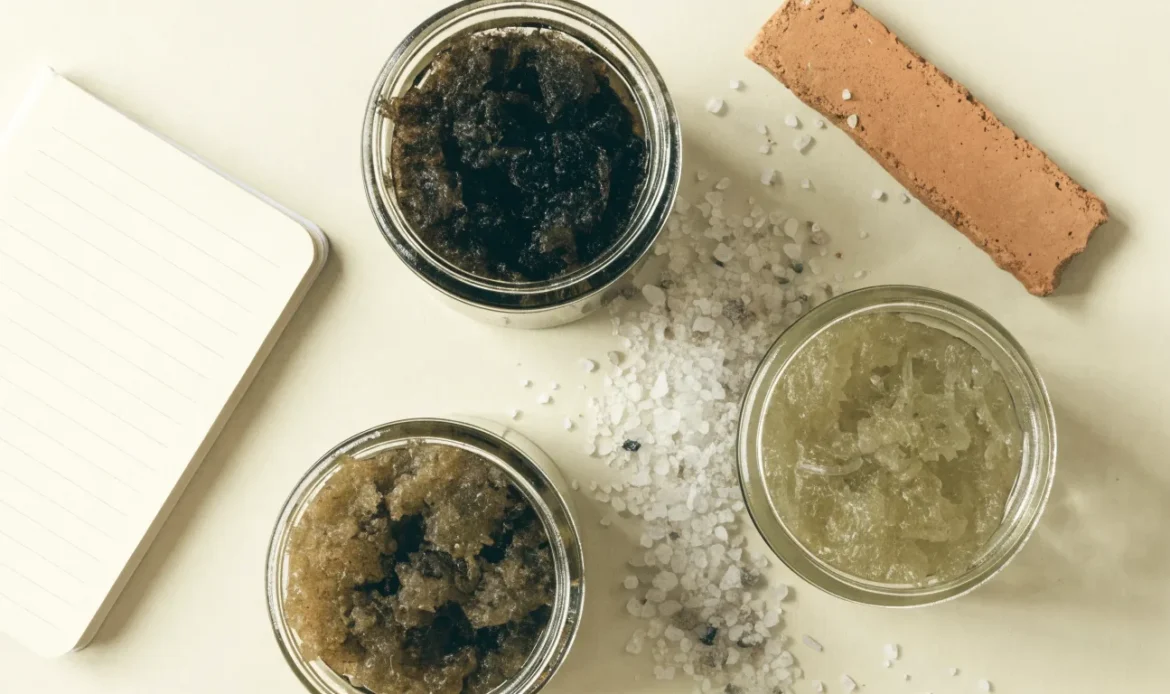
Short answer: “Alodi sea moss” is a market name used for sea moss products. It does not have a single scientific definition. If you see that name, check the product label for species, format (dried, gel, powder, capsules), and lab testing. That is the only way to know what you are buying.
This guide explains what the name can mean. It also gives clear checks to do before you buy. You will learn about common formats, safety points, and simple prep. Use the decision checklist to choose the right format for your needs.
What people mean by “Alodi sea moss”
- A brand or product label: Some sellers use “Alodi” as a brand or as a product line name. That alone does not tell you the species, where it was harvested, or how it was processed.
- A sea moss product type: It can be a dried sea moss, a wet/raw pack, a gel, or a powder or capsule made from sea moss.
- No standard definition: The term is not a botanical name. It is not a legal or scientific classification. Always look for more facts on the label.
If a product calls itself Alodi sea moss, treat that as a starting point. Then find the details that matter for safety and use.
What sea moss is (simple facts)
Sea moss is a common name for several types of red or brown seaweed. People use it as food or an ingredient. Seaweed can contain a mix of minerals and other natural compounds [1]. The content varies by species, location, and processing.
Seaweed can be a source of iodine. The iodine amount varies a lot between species and batches. Too much iodine can affect the thyroid. This is why buyers should check for iodine information or lab testing on the label or product page [2][5]. Food-safety surveys have also shown wide variation in iodine levels in seaweed products [3].
Formats of Alodi sea moss and how they differ
Here are common product formats. Each one has different handling, shelf-life, and use cases.
- Dried sea moss
- What it is: Whole or broken pieces that have been washed and air- or sun-dried.
- Use: Rehydrate by soaking. Then make gel or add to recipes.
- Key checks: Clean appearance, no odd smell, clear country or region of harvest listed, and any test results disclosed.
- Raw/wet sea moss
- What it is: Fresh or packed sea moss kept moist. Often sold frozen or in jars.
- Use: Rinse, then blend into gel or cook.
- Key checks: Date packed, storage cold chain, and microbial testing.
- Gel
- What it is: Sea moss rehydrated, blended, and mixed with water. Often refrigerated.
- Use: Ready to add to drinks and recipes.
- Key checks: Ingredient list (water only? any preservatives?), expiration date, refrigeration instructions, and lab test info.
- Powder
- What it is: Dried sea moss ground to a powder. May be raw or lightly processed.
- Use: Mix into smoothies or dry supplements.
- Key checks: Grind source, particle size, any anti-caking agents, and lab results.
- Capsules or tablets
- What it is: Powdered sea moss in pills. Sold as dietary supplements.
- Use: Convenience dosing.
- Key checks: Supplement facts label, dose per capsule, other ingredients, and third-party testing. Note that supplement products have different rules than food products [4].
What labels and marketing do — and what they cannot prove
What a label or marketing page can tell you:
- Species name (if listed).
- Format (dried, gel, powder, capsule).
- Harvest region or country (if provided).
- Processing method (sun-dried, machine-dried, blended into gel).
- Lot numbers and “best by” dates for processed forms.
What a label or marketing page cannot prove unless backed by tests:
- Exact mineral levels (like precise iodine mg per serving) unless a test or certificate shows that.
- Absence of contaminants (heavy metals, pesticides, or microbes) unless third-party lab results are shown.
- Safety for a particular health condition. No product can guarantee health outcomes.
Always ask for lab reports if you need numeric proof. A packing label alone does not replace lab testing.
Key safety checks before you buy Alodi sea moss
Sea moss is natural. Natural does not always mean safe for every person or every use. Use these checks before you buy.
- Check for species or scientific name on the label.
- Look for third-party lab testing or certificates of analysis. Tests should cover:
- Iodine content or a note about variability.
- Heavy metals (like arsenic, lead, mercury are of concern in seaweed).
- Microbial safety for wet or gel products.
- For supplements, read the Supplement Facts panel and the list of other ingredients [4].
- If you are pregnant, nursing, have thyroid issues, or take medications, talk to a clinician before use. Iodine-containing foods can affect the thyroid [2][5].
- If you buy raw/wet products, check the cold chain and expiration date.
- Smell and look: very strong fishy or off smells can mean poor processing. Discoloration or slimy textures on dried sea moss may indicate poor storage.
Cite testing claims: Ask the seller where the test was done and request the lot number. If they can’t provide test details, treat the product as untested.
How iodine and seaweed interact with health (clear and cautious)
Seaweed can contain high and variable iodine levels. That is a well-known issue for seaweed products [1][2][3][5]. Some people need to limit iodine. Others need iodine in their diet. You cannot tell iodine level by sight or taste.
- If you need to track iodine intake, choose products with a certificate that lists iodine testing.
- If a label claims “low iodine” or “iodine free,” ask for a lab report.
- National surveys and research show wide variation in iodine between seaweed types and sources [3][5].
This guide does not give medical advice. Talk with a clinician about your iodine needs.
Practical preparation and storage tips
Simple steps for safe use.
- Dried sea moss
- Rinse to remove debris and salt.
- Soak in clean water 6–24 hours until soft. Change water if it smells off.
- Blend with fresh water to make gel. Store gel in the fridge and use within the stated time.
- Raw/wet sea moss
- Keep cold or frozen until use.
- Rinse well. Use fresh water and avoid crowded surfaces.
- Gel
- Check ingredients. If it has no preservatives, keep refrigerated.
- Follow the seller’s storage time and thawing instructions if frozen.
- Powder and capsules
- Store dry, in a cool place away from direct sunlight.
- Follow the “best by” date.
If you see unusual odors, mold, or unexpected changes in texture, do not use the product.
Decision checklist: Should you buy Alodi sea moss and which format fits you?
Use this checklist to pick the right format and to check seller transparency. Answer the questions with yes/no.
- Do I want convenience (ready-to-use) or a raw ingredient to prepare?
- Convenience → Gel or capsules.
- Raw → Dried or raw/wet.
- Will I need to know exact iodine or mineral amounts?
- Yes → Look for a product with third-party lab tests listing iodine and heavy metals.
- No → Still ask for basic safety testing.
- Do I have a thyroid condition, or am I pregnant/nursing?
- Yes → Consult your clinician before buying any iodine-containing seaweed.
- Do I prefer shelf-stable or refrigerated?
- Shelf-stable → Dried, powder, or capsules.
- Refrigerated → Gel or fresh/wet.
- Is source transparency important to me?
- Yes → Choose sellers who list species, harvest region, and lab results.
- Am I buying for resale or bulk use?
- Yes → Ask about lot testing, traceability, and wholesale terms.
If you answer “yes” to safety or medical concern questions, pause and ask the seller for tests or speak with a clinician.
Format comparison table
| Format | Good for | Watch for | Storage |
|---|---|---|---|
| Dried sea moss | DIY gel, long shelf life | Sand, poor wash, unclear species | Cool, dry place |
| Raw/wet sea moss | Fresh texture, direct blending | Microbial risk if not cold | Refrigerate/freeze |
| Gel | Convenience, ready to use | Added ingredients or short shelf-life | Refrigerate; follow seller |
| Powder | Smooth mixing, long shelf-life | Fillers or anti-caking agents | Cool, dry place |
| Capsules | Easy dosing, travel | Dose too high or untested claims | Cool, dry place |
Use this table to match format to your routine.
Questions to ask a seller before you buy
- What species of seaweed is this product made from?
- Do you have third-party lab test results for this lot? Can you share them?
- Where was it harvested and when?
- How was it processed and stored?
- For gels: what ingredients were added and how long will it keep in the fridge?
- For supplements: what is the dose per serving and what other ingredients are included?
A transparent seller will answer these and share documents when asked.
When to be cautious or avoid sea moss
- If a seller cannot provide any test results and you need proven levels of iodine or heavy metals.
- If you have a thyroid disorder unless cleared by a clinician.
- If the product smells very off or shows signs of mold.
- If you are using medications with known interactions and your clinician has not checked seaweed intake.
Where to learn more or buy
If you want more general background on seaweed, check a seaweed overview on our learn hub: Sea moss basics (/learn/). For shopping options and product details, browse our store: Shop sea moss (/shop/). If you plan to buy larger amounts, visit our wholesale page: Wholesale options (/wholesale/). To ask specific questions or request lab report details, contact us directly: Contact Zen Wholesalers (/contact/). For a quick return to our home page: Zen Wholesalers (/).
Conclusion
“Alodi sea moss” is a product label term, not a scientific classification. To make a safe and useful choice, look beyond the name. Check the species, format, and any third-party lab tests. Match the format to your needs—dried for DIY, gel for convenience, powder or capsules for ease. If you have thyroid concerns or other health issues, consult a clinician first. Use the checklist in this guide to make a clearer buying decision.
If you want to learn more about sea moss basics, start here: Sea moss basics (/learn/). Ready to shop? Visit our store: Shop sea moss (/shop/). For bulk or wholesale inquiries: Wholesale options (/wholesale/). Questions or need specific lab reports? Contact Zen Wholesalers (/contact/).
Frequently asked questions
Is Alodi sea moss a different species than other sea moss?
Not necessarily. “Alodi” is a market or brand name. It does not automatically mean a different species. Look for the scientific name (for example, Chondrus crispus or other species) on the label to know the species.
Can I tell iodine level by looking at sea moss?
No. You cannot judge iodine or mineral levels by sight or taste. Iodine content varies by species and harvest. Ask for lab testing if iodine matters to you [2][3][5].
Is sea moss safe for people with thyroid conditions?
People with thyroid conditions should be cautious. Seaweed can contain high iodine. Talk with your clinician before using sea moss. If you must use it, choose products with lab-tested iodine levels [2][5].
How long does sea moss gel last in the fridge?
Storage time varies by how the gel was made and whether preservatives were added. Check the seller’s instructions and follow their “use by” guidance. If the seller does not provide guidance, treat homemade gel as short-term and use within a few days.
Are sea moss capsules regulated closely?
Capsules sold as dietary supplements follow supplement rules, not food rules. They may not be tested routinely by regulators. Look for third-party testing and clear Supplement Facts labels [4].
How can I verify a lab report for a sea moss product?
Ask for the full certificate of analysis (COA) with the lot number. Check the lab name and whether it is an accredited testing lab. A COA should list tested items like iodine, heavy metals, and microbes, and match the product lot.
References
- Harvard T.H. Chan School of Public Health, “Seaweed.” https://nutritionsource.hsph.harvard.edu/seaweed/
- Smyth PPA. “Iodine, Seaweed, and the Thyroid.” European Thyroid Journal, 2021. https://pmc.ncbi.nlm.nih.gov/articles/PMC8077470/
- Food Standards Australia New Zealand, “Survey of iodine levels in seaweed and seaweed containing products,” updated 2025. https://www.foodstandards.gov.au/science-data/monitoring-safety/surveyofiodinelevels
- Operation Supplement Safety, “Sea Moss in Dietary Supplements.” https://www.opss.org/article/sea-moss-dietary-supplements
- Blikra MJ et al. “Consequences of acute and long-term excessive iodine intake: A literature review focusing on seaweed as a potential dietary iodine source.” 2024. https://doi.org/10.1111/1541-4337.70037