
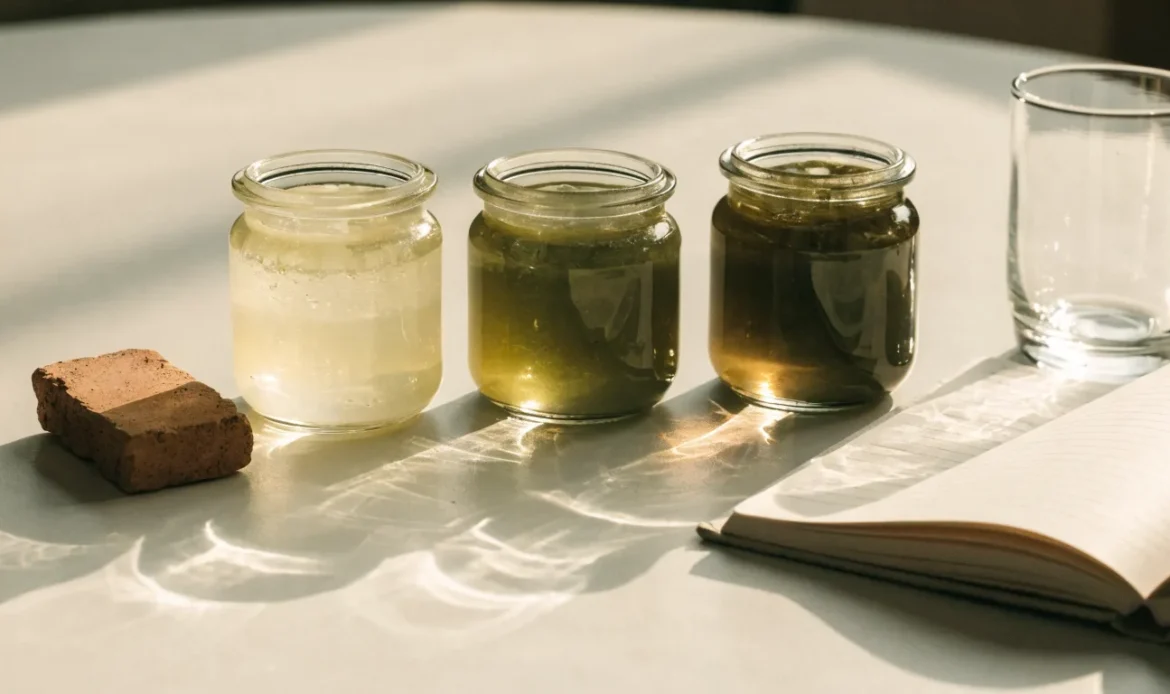
Short answer first:
“Akeem Pierre sea moss” is a search term or product name you might find when shopping for sea moss. It does not tell you everything you need to know. To decide if a particular product is right for you, check the product format, the seller’s sourcing and cleaning details, any third‑party lab tests, and how the seller handles shipping and wholesale orders.
This guide explains what to check, what the available information can and cannot prove, and which next questions will help you make a safe buying decision.
What people mean by “Akeem Pierre sea moss”
- It is usually a brand name, vendor name, or product label tied to sea moss sold online or in markets.
- The name itself does not guarantee origin, quality, or testing. Names are marketing signals, not safety proofs.
- When you find a product with this label, treat it like any other sea moss product. Verify the facts the seller provides.
If you need to choose quickly, see the decision checklist below.
What sea moss formats you will encounter
Sellers often offer sea moss in several common formats. Each format has practical differences you should know.
- Raw (whole, dried or wet)
- Dried whole sea moss looks like long strands. It may need rehydration.
- Wet raw sea moss can be packaged in salt water or brine.
- What to check: cleaning steps, water source, drying method, and photos of the actual product.
- Sea moss gel (ready to use)
- Made by rehydrating and blending sea moss into a gel.
- What to check: whether it is homemade or commercially prepared, refrigeration needs, preservative info, and best‑by guidance.
- Powder
- Dried sea moss ground to a powder for mixing.
- What to check: drying temperature, micron size, and whether fillers or anti‑caking agents were added.
- Capsules/tablets
- Powdered sea moss in a capsule form.
- What to check: ingredient list, capsule type, and serving size per capsule.
- Extracts and concentrated products
- May be labeled as extracts or concentrated forms.
- What to check: extraction method and solvent (water, alcohol, etc.), and lab testing for residues.
Why format matters:
- Handling, storage, and shelf life differ by format.
- Dosage or serving size comparisons are not straightforward across formats.
- The format affects how you can use the product in recipes or manufacturing.
What to check on a product page or label
When you see a listing for “Akeem Pierre sea moss,” look for these items before you buy:
- Clear product format (raw/dried, gel, powder, capsule).
- Detailed ingredient list. Pure sea moss should list sea moss only. Watch for added sugars, flavorings, or fillers.
- Sourcing information. Names of harvesting regions or waters help, but they are not proof of safety on their own.
- Processing details. How it was cleaned, dried, and packaged. Low‑temperature drying and clean rinsing are common hints sellers mention.
- Storage instructions (refrigerate, freeze, pantry).
- Photographs of the real product (not just stock photos).
- Price per unit weight or per serving so you can compare offers fairly.
- Wholesale terms if you plan to buy in bulk.
What a product page cannot prove:
- It cannot prove low contaminant levels unless accompanied by recent lab test results.
- It cannot prove exact iodine content without testing (iodine varies widely in seaweed).
- It cannot prove manufacturing practices beyond what the seller documents.
Lab tests and safety checks you should expect
Sea moss can concentrate minerals from seawater. That makes testing important, especially for iodine. These are reasonable documents to request or look for on the product page:
- Third‑party lab test (certificate of analysis) that shows:
- Iodine concentration or total halogens.
- Heavy metals screening (lead, arsenic, cadmium, mercury) if available.
- Microbial testing (total plate count, yeast, mold, E. coli, Salmonella).
- Pesticide screening if the seller harvests near agriculture runoff (rare but relevant).
- Date and lab name
- Tests should be recent and come from an accredited lab.
- Confirm the sample tested matches the product lot you are buying, if possible.
Why iodine testing matters:
- Iodine levels in seaweeds vary a lot by species and place. High iodine can affect people with thyroid conditions (or those taking iodine supplements) (Smyth, 2021; Blikra et al., 2024) [2][5].
- Public health agencies monitor iodine in seaweed products and sometimes report wide ranges in products (Food Standards Australia New Zealand, 2025) [3].
- If you have a thyroid condition or take iodine supplements, ask your healthcare provider before using concentrated seaweed products.
Safety guidance from regulators and experts:
- Sea moss marketed as a dietary supplement should follow labeling and safety guidance. Operation Supplement Safety provides a consumer overview for sea moss in supplements, including potential risks and the need for testing [4].
- Seaweed is nutritious in small amounts, but safety depends on the specific product and testing [1][4].
How to read and use a Certificate of Analysis (CoA)
If a seller provides a CoA, check these items:
- Match the sample ID or lot number to the product listing.
- Date of test — older tests may not represent the current batch.
- Testing lab name and contact — reputable labs list accreditation.
- Units used (mg/kg, µg/g) — if you are comparing products, confirm units match.
- Look for any “non‑detect” statements for harmful analytes, and note detection limits.
If you cannot read the CoA, ask the seller to explain it. A responsible seller should be willing to share basic test facts.
Cleaning and preparation basics (what sellers should describe)
If you buy raw sea moss, the seller should explain how to clean and prepare it. Typical safe steps a seller might recommend:
- Rinse several times in fresh water to remove sand and debris.
- Soak to rehydrate and to allow impurities to settle out.
- Trim dark spots, damaged ends, or visible foreign matter before blending into a gel.
- Use clean utensils and clean water for soaking and blending.
- Keep gel refrigerated and use within the seller’s recommended time or freeze for longer storage.
These are practical steps. They are not guarantees of safety. Clean handling lowers surface dirt and microbes but does not change mineral content such as iodine.
Shipping, storage, and shelf life to check
- Sea moss gel usually needs refrigeration or freezing for storage. Sellers should give a use‑by or best‑by date.
- Dried sea moss and powders are generally stable if kept dry and sealed. Sellers should recommend a storage temperature and humidity level.
- For wholesale orders, ask about how the product is packaged for transit and the transit time expected.
Never assume shelf life. Ask the seller and follow their instructions.
Wholesale buying: questions to ask
If you are a retailer or food producer looking to buy “Akeem Pierre sea moss” at scale, ask these specific questions:
- Minimum order quantities and price breaks.
- Lead time from order to shipment.
- Lot traceability and availability of batch CoAs for each lot.
- Packaging formats and private‑label options, if needed.
- Storage, palletization, and shipping temperature control.
- Terms for returns or damaged shipments.
A supplier that handles wholesale should have documented responses for these items.
Decision checklist: Should you buy this “Akeem Pierre sea moss” product?
Use this checklist before you buy. Mark the items you can verify.
- Product format clearly stated (raw, gel, powder, capsule).
- Ingredient list shows only sea moss (no hidden fillers).
- Seller provides photos of the actual product.
- Seller discloses basic sourcing region (not required, but helpful).
- Seller provides recent third‑party lab tests (CoAs) that include iodine or heavy metals.
- CoA matches the product lot or batch.
- Seller gives clear storage and shelf‑life instructions.
- Seller explains cleaning and processing steps for raw sea moss.
- Shipping method and timing are acceptable for perishable items.
- Wholesale terms and minimums are clear (if buying bulk).
- Price per weight or per serving is transparent.
If many items are unchecked, ask the seller for the missing information. If the seller cannot provide CoAs or clear sourcing and processing details, consider a different product.
Format comparison table
| Format | What it is | Pros | Cons | Typical checks |
|---|---|---|---|---|
| Raw whole (dried/wet) | Sea moss strands, may need rehydration | Lowest processing, flexible use | Needs prep, variable moisture | Cleaning steps, photos, origin |
| Gel | Rehydrated blended moss | Ready to use | Perishable, variable recipes | Refrigeration, ingredients, prep notes |
| Powder | Dried and ground | Easy measuring, stable | Processing factors may change nutrients | Drying method, added ingredients |
| Capsule | Powder in capsules | Convenient dosing | Less flexible in recipes | Ingredient list, capsule type |
| Extract | Concentrated | Strong flavor/smaller dose | May concentrate iodine/minerals | Extraction method, solvent |
Use the checks column when comparing specific listings.
How to evaluate claims and photos
- Photos can show color, size, and cleanliness. But photos can be staged.
- Ask for real lot photos or a short video if you need more proof for a large order.
- Avoid trusting only marketing language like “wild”, “premium”, or “Caribbean” without specific details.
- Ask follow‑up questions about harvest methods, drying, and packing dates.
When to involve a healthcare provider or professional
- If you have a thyroid condition, are pregnant, breastfeeding, or take iodine supplements, ask a healthcare provider before using concentrated seaweed products. Iodine content varies and can affect thyroid function in some people (Smyth, 2021; Blikra et al., 2024) [2][5].
- If you plan to sell sea moss as an ingredient or supplement, consult a food safety advisor or regulatory expert about labeling and testing requirements.
Practical use ideas (without health claims)
- Add small amounts of sea moss gel to smoothies or soups for texture.
- Use powdered sea moss as an ingredient in dry mixes or baking recipes.
- Use raw or rehydrated sea moss in culinary dishes that call for briny or marine flavors.
Always follow the seller’s storage and use instructions.
Useful next guides and links
- Start at the Zen Wholesalers home page: Home
- Learn more about sea moss formats and care in our learning area: Learn
- Browse product options when you are ready: Shop
- If you are buying in bulk, see wholesale options: Wholesale
- Contact our team with specific product or testing questions: Contact
These links will help you move from research to buying or asking for more information.
Conclusion
“Akeem Pierre sea moss” is a name you may encounter when shopping for sea moss. The name alone does not guarantee safety, quality, or origin. The most important checks are clear format and ingredient information, recent third‑party lab testing (CoAs) that include iodine and contaminants, clear handling and storage instructions, and transparent wholesale terms when buying in bulk.
If you are unsure, ask the seller for documentation before you buy. If you have health concerns—especially about thyroid function—consult a healthcare provider and check lab tests. Use the decision checklist in this guide to help you compare products and make a more informed choice.
For more on formats and safe handling, visit our learning area: Learn (/learn/). When you’re ready to shop or inquire about wholesale, see Shop (/shop/) or Wholesale (/wholesale/). If you need specific answers, please Contact (/contact/).
Frequently asked questions
Is “Akeem Pierre sea moss” a specific type of sea moss?
The name is a label or brand name, not a species name. You will still need to check the product page for species or format details.
How can I find out how much iodine is in a product?
Ask the seller for a recent third‑party lab test (CoA) that lists iodine or total halogen content. Iodine in seaweed is variable and not visible from the product alone (Smyth, 2021; Blikra et al., 2024) [2][5].
Is sea moss safe for people with thyroid issues?
Safety depends on iodine content and individual health. If you have a thyroid condition, do not use concentrated seaweed products without consulting your healthcare provider and checking lab tests [2][5].
What does a CoA show and why does it matter?
A Certificate of Analysis lists what was tested and the measured amounts. It matters because it provides lab data on contaminants or key minerals that the product page alone cannot prove.
Can I buy sea moss in bulk for my business?
Yes, many suppliers offer wholesale. Ask about minimum order quantity, CoAs for each lot, packaging, and shipping terms before placing a large order.
If a seller claims “wild harvested” or “Caribbean origin,” is that enough?
Those claims are helpful but not definitive. Ask for more details: the precise harvest area, photos of the product, and lab test results. Marketing terms do not substitute for testing.
References
- Harvard T.H. Chan School of Public Health, “Seaweed.” https://nutritionsource.hsph.harvard.edu/seaweed/
- Smyth PPA. “Iodine, Seaweed, and the Thyroid.” European Thyroid Journal, 2021. https://pmc.ncbi.nlm.nih.gov/articles/PMC8077470/
- Food Standards Australia New Zealand, “Survey of iodine levels in seaweed and seaweed containing products,” updated 2025. https://www.foodstandards.gov.au/science-data/monitoring-safety/surveyofiodinelevels
- Operation Supplement Safety, “Sea Moss in Dietary Supplements.” https://www.opss.org/article/sea-moss-dietary-supplements
- Blikra MJ et al. “Consequences of acute and long-term excessive iodine intake: A literature review focusing on seaweed as a potential dietary iodine source.” 2024. https://doi.org/10.1111/1541-4337.70037