
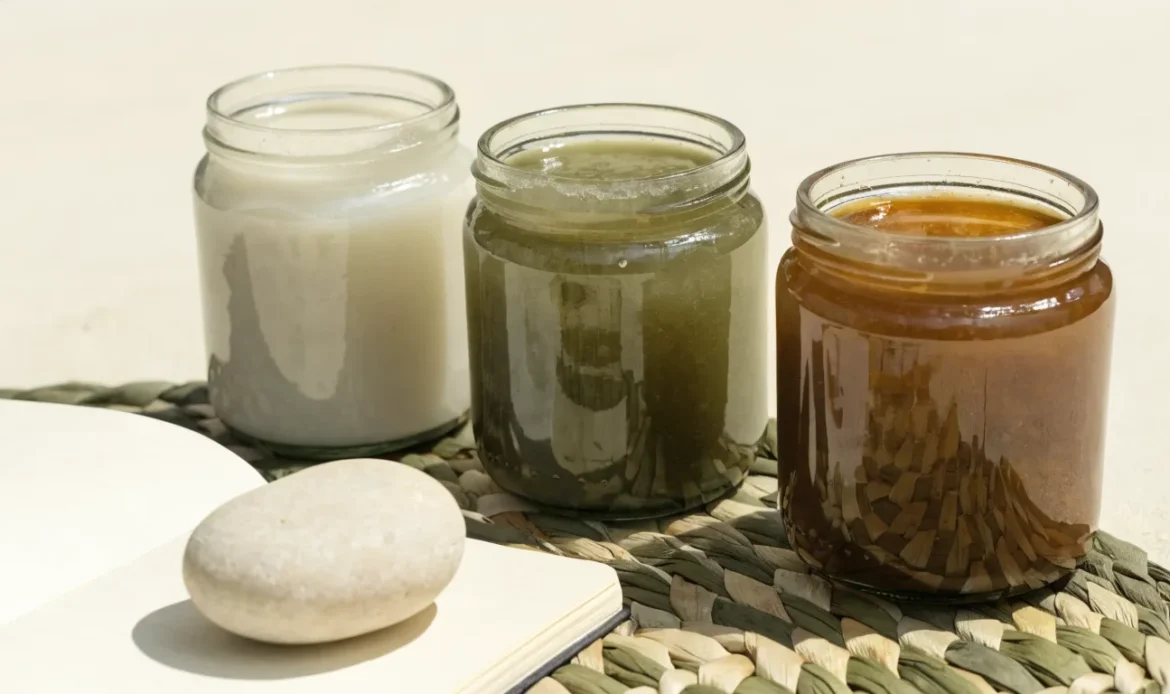
Short answer first: “Coconut cult and sea moss” usually refers to a style or trend of combining sea moss with coconut-based ingredients (like coconut water, milk, or oil) to make gels, smoothies, foods, or topical products. The term is not a single regulated product name. It can mean a homemade mix, a store-bought blend, or simply the popular pairing of coconut flavor and sea moss texture. Read on for how the formats differ, what people expect, safety checks, and a practical buying or making checklist.
What people mean by “coconut cult” with sea moss
- Some people use the phrase to describe the growing community interest in sea moss mixed with coconut.
- Others use it as a shorthand for a product format: sea moss prepared or sold with coconut water, milk, or oil.
- The phrase itself is informal. It does not guarantee any quality standard or a specific recipe.
If you see this phrase on a jar, label, or social post, check the ingredients and instructions. That will tell you what is actually inside.
Common formats you will find
Here are the main ways sea moss and coconut are combined:
- Dried sea moss plus coconut liquid. Dried sea moss that you soak and later blend with coconut water or milk at home. This is raw, flexible, and used in cooking or drinks.
- Pre-made sea moss gel in a coconut base. A ready-to-use gel, often sold refrigerated or frozen. It is mixed and blended before sale.
- Powder blends. Sea moss dried and powdered, blended with coconut powder, or sold as a mix. Easier to store and add to shakes.
- Capsules or supplements that list sea moss and coconut-derived ingredients. These are labeled as dietary supplements; check regulatory notes.
- Topical creams or balms. Sea moss extract can be combined with coconut oil or cream for skin products. These are cosmetic formats, not foods.
Each format changes how you store, use, and inspect the product. A dried bag behaves differently from a jar of fresh gel.
Why people pair sea moss with coconut
People choose coconut plus sea moss for a few practical reasons:
- Flavor and texture. Coconut adds creaminess and a familiar taste. Sea moss brings a thickening, gel-like texture when blended.
- Culinary versatility. The blend works in smoothies, puddings, sauces, or as a plant-based thickener.
- Cosmetic texture. In topical products, coconut oils or creams help carry and spread sea moss extracts.
These are culinary and cosmetic choices. They describe what people like, not guaranteed health results.
What the science and food authorities say about seaweed and safety
Seaweed—including types like sea moss—contains minerals and other compounds. The exact makeup varies by species, where it was grown, and how it was processed. The Harvard T.H. Chan School of Public Health explains that seaweeds are a source of vitamins and minerals, and that content can vary widely [1].
A key point many experts highlight is iodine. Seaweeds can contain high and variable amounts of iodine. Both short-term and long-term excess iodine can affect the thyroid, and researchers study seaweed as a major dietary iodine source [2][5]. Food monitoring programs have found that iodine levels in seaweed products vary a lot between products and batches [3].
If sea moss is sold as a dietary supplement, consumer-safety organizations advise caution. Supplements can vary in quality and labeling. Independent testing and transparent ingredient information help buyers judge safety and dose [4].
Because of the variation in composition, it is important to check product information and test results where available.
Practical safety checks to make before you buy or use a coconut-and-sea-moss product
Before buying or making a coconut-plus-sea-moss product, check these items:
- Ingredient list. What type of seaweed? What coconut ingredient (water, milk, oil, powder)? Any added sugars or preservatives?
- Source and harvest details. Does the seller list where the sea moss was harvested? If they do, it helps you ask follow-up questions. Source alone does not prove safety.
- Lab testing. Are there third-party or in-house tests for contaminants (heavy metals, microbes) or for iodine content? If tests are available, read the methods and date.
- Product format and storage needs. Is it sold dried, frozen, or refrigerated? Follow the storage directions on the label.
- Intended use. Is the product labeled for food, supplement, or topical use? Use it only as labeled.
- Allergen and ingredient warnings. Coconut is on labels; if you have food allergies, check the label carefully.
- Return and contact policy. Can you contact the seller with questions? Is there a clear return or refund policy?
These checks will reduce uncertainty. No single check proves safety, but together they give you a clearer picture.
Decision checklist: Choose the right format for your needs
Use this guide to help pick a format. Read each row and mark which fits your plan.
- Goal: Daily small additions to smoothies
- Best formats: Powder blend or pre-made gel.
- What to check: Ingredient list, sugar or sweetener content, serving size info.
- Why: Easier to measure and blend.
- Goal: Make recipes and control texture
- Best formats: Dried sea moss for soaking and blending.
- What to check: Clean packaging, clear soak/prep instructions.
- Why: Most flexible for cooking.
- Goal: Long shelf-life and travel-friendly
- Best formats: Powder or sealed dried product.
- What to check: Packaging seal, storage instructions.
- Why: Easier to store; less temperature-sensitive.
- Goal: Topical skincare product
- Best formats: Products explicitly labeled for external use (creams, balms).
- What to check: Cosmetic labeling, preservative system, patch-test before wide use.
- Why: Food-grade gels and creams are formulated differently.
- Goal: Supplement capsule convenience
- Best formats: Capsules labeled as dietary supplements.
- What to check: Certificate of Analysis (COA), dose per capsule, third-party testing.
- Why: Capsules are convenient but vary in concentration.
If you cannot find enough product info, consider a different seller or ask for test results before buying in bulk.
Quick comparison table: formats at a glance
| Format | Best for | What to check before buying |
|---|---|---|
| Dried sea moss | Cooking or DIY gels | Clear prep steps, clean appearance, packaging seal |
| Pre-made gel (coconut-based) | Ready-to-use in smoothies or recipes | Ingredient list, refrigeration instructions, scent/appearance |
| Powder blend | Easy dosing, shakes | Ingredient ratio, fillers, solubility |
| Capsules/supplement | Convenience | Label dose, COA, supplement status |
| Topical cream | Skin use | Cosmetic label, preservative list, patch test advice |
This table helps you match format to purpose and identify what to verify.
How to make a simple coconut + sea moss gel at home (overview)
If you want to prepare this at home, follow safe, basic steps. These are general steps only. Always follow specific supplier or food-safety guidance.
- Source clean sea moss labeled for food use. Read the packaging.
- Rinse the dried sea moss in fresh water to remove sand and debris. Change the water until it clears.
- Soak the sea moss in water until it softens. Discard the soak water and use fresh water or coconut water for blending.
- Blend the softened sea moss with coconut water, coconut milk, or coconut cream until smooth. Adjust for thickness.
- Store in a clean container and follow supplier advice for refrigeration and use.
Do not assume homemade gels are sterile. If you have special health conditions, speak with a professional before adding new ingredients to your diet.
Label claims and tests to trust (what they mean)
- Third-party lab tests: Tests done by an independent lab that check for contaminants or verify ingredient content. These are the most useful tests to ask for.
- Certificate of Analysis (COA): A report showing what a lab tested from a lot or batch. A dated COA is stronger than general claims.
- Iodine content on the label: Some products list iodine per serving. Because iodine in seaweed varies widely, a clear statement backed by lab data is helpful. See research on iodine variability and potential effects on the thyroid [2][3][5].
- “For external use only”: Means the product is a cosmetic, not a food. Do not eat it.
- “Dietary supplement” label: Means it is regulated under supplement rules; check for dosage, serving size, and any warnings. Consumer-safety groups recommend looking for independent testing [4].
If a seller will not share testing information on request, treat that as missing data and weigh it in your decision.
What available information cannot prove
- A label stating a country of harvest or origin does not prove the absence of contaminants. Only testing can address contamination.
- “All-natural” or similar marketing words do not guarantee safety, purity, or consistent nutrient levels.
- A single test result does not guarantee every batch is the same. Lots and harvests can vary. Ask about batch testing if you plan to buy a lot.
- Positive anecdotal reports do not establish how a product will affect any individual.
Being clear about what you can and cannot know helps you ask better questions.
When to consult a professional
- If you have a thyroid condition, speak with a healthcare professional before regularly consuming seaweed products. Seaweed iodine levels can be high and variable [2][5].
- If you are pregnant, breastfeeding, or on a restricted diet, ask your healthcare provider about adding seaweed products.
- If you have a known allergy to coconut or other ingredients, consult an allergist or read labels carefully.
A healthcare professional can help you interpret lab data and dietary needs.
Conclusion
“Coconut cult and sea moss” is a popular pairing, not a single regulated product. It covers several formats, each with its own uses and safety checks. The main practical concerns are ingredient transparency, storage instructions, and especially iodine and contaminant testing. Use the decision checklist above to match a format to your needs. If you plan to buy a lot or have specific health concerns, ask the seller for batch testing or a COA and consult a professional.
If you want more background on sea moss, visit our Learn page to read guides. To explore products, see our Shop. For bulk questions, contact our Wholesale team or reach out on our Contact page. You can also return to our Home page for general site navigation.
Continue reading
Frequently asked questions
Is “coconut cult and sea moss” a specific brand?
No. It is an informal phrase. It usually describes the pairing of sea moss and coconut ingredients or a trend. Check the product label for exact details.
Will sea moss with coconut give me more iodine?
Sea moss can contain iodine. Mixing it with coconut does not reduce iodine content. Iodine levels in seaweed are variable, so labels or test results matter. See research on iodine and seaweed [2][3][5].
Can I use a food-grade sea moss gel on my skin?
Some people use food-grade sea moss gels topically, but products made for skin are often formulated differently. If you try a food product on your skin, do a small patch test first and follow hygiene practices. For regular skin use, a product labeled for topical use is a safer choice.
How can I tell if a product was tested for contaminants?
Look for a Certificate of Analysis (COA) or third-party lab test on the product page or ask the seller. The COA should show what was tested, when, and by which lab.
Are powdered blends the safest option?
Powder is convenient and often easier to store, but safety depends on sourcing and testing. Powdered products can also vary in concentration and sometimes include fillers. Check the ingredient list and testing information.
Where can I learn more or buy different formats?
For educational guides, visit our Learn section. To see available formats, check our Shop. For bulk orders, our Wholesale team can help. If you have questions, Contact us. (Links in the last FAQ: “Learn” -> /learn/; “Shop” -> /shop/; “Wholesale” -> /wholesale/; “Contact” -> /contact/; our homepage -> /)
References
- [1] Harvard T.H. Chan School of Public Health, “Seaweed.” https://nutritionsource.hsph.harvard.edu/seaweed/
- [2] Smyth PPA. “Iodine, Seaweed, and the Thyroid.” European Thyroid Journal, 2021. https://pmc.ncbi.nlm.nih.gov/articles/PMC8077470/
- [3] Food Standards Australia New Zealand, “Survey of iodine levels in seaweed and seaweed containing products,” updated 2025. https://www.foodstandards.gov.au/science-data/monitoring-safety/surveyofiodinelevels
- [4] Operation Supplement Safety, “Sea Moss in Dietary Supplements.” https://www.opss.org/article/sea-moss-dietary-supplements
- [5] Blikra MJ et al. “Consequences of acute and long-term excessive iodine intake: A literature review focusing on seaweed as a potential dietary iodine source.” 2024. https://doi.org/10.1111/1541-4337.70037