
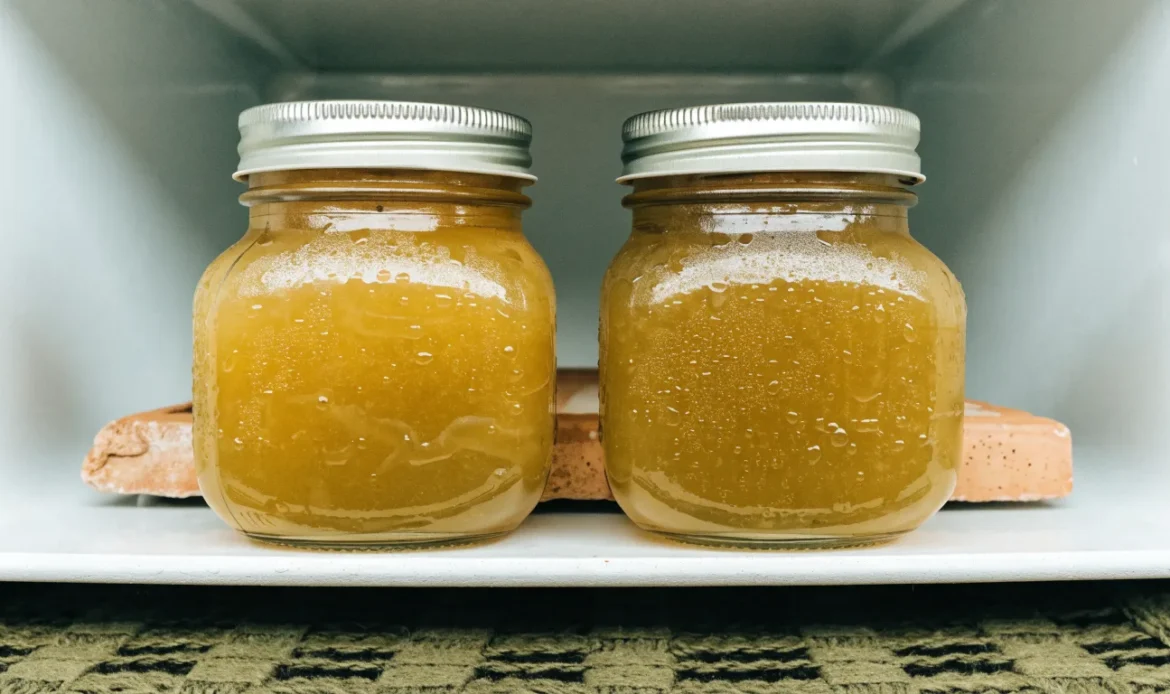
Short answer first: How long sea moss lasts in the refrigerator depends on its form and how it was handled. Dried sea moss, fresh/soaked sea moss, and sea moss gel each behave differently. Check the smell, color, texture, and any labels. If you see mold, a bad smell, or unexpected fizz, discard it. When in doubt, freeze or throw it away.
Why this matters: sea moss is a food product. How it is stored affects safety and quality. This guide helps you check the sea moss you have now and how to store it to keep it as fresh and safe as possible.
Key factors that change how long sea moss stays good
- Product format matters. Dried sea moss, wet/soaked sea moss, and prepared sea moss gel are handled differently.
- How it was cleaned and prepared matters. Clean, dry pieces resist spoilage more than wet or contaminated pieces.
- Container and temperature matter. An airtight, cold fridge is better than a warm, open shelf.
- Salt or acid added during preparation can slow some spoilage, but do not assume they make it safe indefinitely.
- Supplier handling and labeling give clues. If you bought from a retailer, follow their storage advice and date stamps.
What you can check right now:
- Is it dried flakes or wet gel?
- Is there any mold, off-odor, or unusual color?
- Is the container clean and sealed?
- Is there a date or storage advice from the seller?
A plain safety rule: when you are unsure, it is safer to discard food than to take a risk.
(For background on seaweed as a food and safety issues, including variation in composition, see References [1] and [2]. For notes on sea moss in supplements and product quality, see Reference [4].)
Formats explained: how each sea moss type behaves in the fridge
Dried sea moss
Dried sea moss is low in water. Low water means lower immediate risk of bacterial growth. Still, if dried sea moss gets wet or is stored in a humid place, it can soften, grow mold, or pick up odors from the fridge. Keep it dry and in a sealed container.
What to check: dry texture, no musty smell, no visible mold.
Suggested handling: store in a cool, dry place or in the refrigerator in an airtight container if you expect humidity. Use clean, dry hands or scoops when taking it out.
Soaked or raw fresh sea moss
Fresh or soaked sea moss is wet. Wet sea moss is more perishable than dry. Bacteria and mold grow more easily on wet surfaces. That makes handling and container cleanliness very important.
What to check: clean, ocean-like smell (not rotten), firm texture without slimy film, no mold spots, no off colors.
Suggested handling: keep in a clean, airtight container. Rinse with fresh water before use. Use clean utensils. If it smells off or shows mold, throw it away.
Sea moss gel
Gel is sea moss blended into a smooth, moist product. Gel holds water and so is more perishable than dried sea moss. Gel can be refrigerated for short-term use or frozen for longer storage.
What to check: smell, color, texture, signs of fermentation (bubbles or fizz), or mold on the surface.
Suggested handling: store gel in a clean, airtight jar. Use a clean spoon. Label with the date you made or opened it. If you fear you won’t use it soon, move it to the freezer.
How to tell if sea moss has gone bad
Never rely on one sign alone. Use a combination of checks.
- Smell: A healthy sea moss smell is mild and ocean-like. A sharp, sour, rotten, or yeasty smell is a red flag.
- Color: Fresh sea moss ranges from pale to deep colors depending on type. Sudden darkening, strong discoloration, or unusual bright colors may mean spoilage.
- Texture: For dried moss, softness or sogginess from moisture is a problem. For wet moss and gel, an overly slimy feel, surface film, or bubbles can mean fermentation or contamination.
- Visible mold: Any mold—fuzzy, powdery, or spotty—means throw it away.
- Container signs: Bulging lids, fizzy lids, or leaked liquid suggest gas from fermentation or spoilage. Discard the product and clean the container well.
If any of these signs appear, do not taste it to test. Tasting unsafe food can cause illness.
Step-by-step storage checklist (decision guide)
Use this checklist when you bring sea moss home or finish preparing gel.
- Identify the format: dried | soaked/raw | gel.
- Inspect on purchase: look for clean packaging, date, and supplier info. If no info, ask the seller or check retailer notes.
- Clean hands and tools: always use clean utensils and hands when handling.
- Transfer to an airtight container: glass jars with tight lids are ideal.
- Label the container: write the date you stored or the date you opened it.
- Refrigerate promptly: place in the coldest part of the fridge, away from doors and warm items.
- Check daily or before each use: smell, look, and feel. If any sign of spoilage, discard.
- If you won’t use it soon: freeze clean portions (see freezing tips below).
- When thawing from frozen: thaw in the refrigerator, in its container, and use promptly.
- Clean the container between uses: wash and dry jars between batches.
This checklist is a practical way to reduce spoilage risk. It does not guarantee safety in every case. Always follow supplier instructions and food-safety rules.
Practical storage tips to keep sea moss longer and safer
- Use airtight containers to limit air and cross odors.
- Keep sea moss in the coldest part of the fridge, not on the door.
- Avoid double-dipping or using a spoon that touched other foods.
- Label containers with dates and brief notes (e.g., “soaked” or “gel”).
- If you add sweeteners, fruit, or dairy to gel, those additions will change how quickly it spoils.
- For bulk storage, portion into small jars so you open only what you need.
Note: adding salt or acidic ingredients (like lemon) can influence microbial growth, but their effect depends on amounts and conditions. Do not rely on them as a safety measure by themselves.
Freezing and thawing: when and how to use the freezer
Freezing is a useful option for longer storage. Freezing slows microbial growth and preserves texture and flavor better than leaving wet products at fridge temperatures.
- Freeze clean portions in airtight, freezer-safe containers or bags.
- For gel, freeze in small portions (ice cube tray or small jars) for easy thawing.
- Thaw in the refrigerator. Once thawed, use promptly and do not refreeze repeatedly.
- Be mindful of texture changes: frozen then thawed gel may be thinner; shake or re-blend if needed.
Freezing is not a cure for poor handling. Freeze only items that were clean and in good condition when frozen.
Common mistakes that shorten shelf-life
- Leaving wet sea moss in an open bowl in the fridge.
- Using dirty utensils that add bacteria.
- Mixing homemade gel with other perishable foods without considering their needs.
- Ignoring seller storage notes or date codes.
- Keeping sea moss too close to the fridge door or warm items.
What labels and supplier info can tell you
Good sellers will offer storage instructions and dates. If a seller provides a harvest date, processing date, or storage guidance, use it. If there is no guidance, treat the product conservatively and follow the checklist above. If you buy sea moss as a supplement product, check the label for manufacturing and expiration dates and follow those instructions (see Reference [4] for issues related to supplements).
What you can check and what you cannot prove
You can check smell, color, texture, and whether there is mold or gas. These checks give strong clues about safety.
What you cannot prove at home:
- Exact microbial counts or specific contamination.
- Hidden chemical contaminants or heavy metals.
- Nutrient levels or iodine content.
For concerns about iodine or the nutrient content of seaweeds, scientific sources note that iodine levels vary by species and location (see References [1], [2], [3], and [5]). If you have specific health concerns tied to iodine or contaminants, ask your supplier for lab reports or third-party testing.
Conclusion
There is no one-size-fits-all answer to how long sea moss lasts in the refrigerator. The key is the format (dried, soaked, gel), how it was handled, and how it is stored. Use airtight containers, clean utensils, and temperature control. Check smell, color, texture, and container signs before use. When in doubt, freeze clean portions or discard and get a fresh supply. If you need storage supplies, product details, or wholesale options, see our shop and contact pages.
Helpful next steps:
- Review the storage checklist above.
- Ask your seller for handling or testing information.
- Consider freezing portions you won’t use soon.
Related pages:
- Learn more about proper storage practices: /learn/storage/
- Browse our learning library: /learn/
- Shop sea moss products and storage jars: /shop/
- Wholesale inquiries and bulk storage options: /wholesale/
- Contact us for specific product questions: /contact/
- Home page: /
Continue reading
Frequently asked questions
Can I tell if sea moss is bad by smell alone?
Smell is a useful clue but not the only one. Use smell plus visual checks and texture. Any sour, rotten, or unusual yeasty smell is a strong sign to discard.
Is dried sea moss safe to keep longer than gel?
Dried sea moss resists spoilage better because it has low water. But it will still go bad if it gets wet or is stored poorly. Keep it dry and sealed.
Can I refrigerate sea moss gel after adding fruit or milk?
Adding fruit or milk introduces other perishable components. These additions usually increase the product’s perishability. Take extra care and use clean utensils. If unsure, freeze portions for later use.
Is it safe to freeze sea moss gel?
Freezing is a common way to preserve gel. Freeze clean portions in airtight containers and thaw in the refrigerator. Do not refreeze repeatedly.
What should I ask a supplier about storage?
Ask for handling and storage recommendations, dates (harvest/processed), and any lab or safety testing if you are concerned about contaminants or iodine levels.
If I see bubbles in my jar of gel, is it still okay?
Bubbles or fizz may indicate fermentation. It can mean spoilage. Do not taste to test. Discard if you suspect fermentation, smell off, or see other bad signs.
References
- [1] Harvard T.H. Chan School of Public Health, “Seaweed.” https://nutritionsource.hsph.harvard.edu/seaweed/
- [2] Smyth PPA. “Iodine, Seaweed, and the Thyroid.” European Thyroid Journal, 2021. https://pmc.ncbi.nlm.nih.gov/articles/PMC8077470/
- [3] Food Standards Australia New Zealand, “Survey of iodine levels in seaweed and seaweed containing products,” updated 2025. https://www.foodstandards.gov.au/science-data/monitoring-safety/surveyofiodinelevels
- [4] Operation Supplement Safety, “Sea Moss in Dietary Supplements.” https://www.opss.org/article/sea-moss-dietary-supplements
- [5] Blikra MJ et al. “Consequences of acute and long-term excessive iodine intake: A literature review focusing on seaweed as a potential dietary iodine source.” 2024. https://doi.org/10.1111/1541-4337.70037