
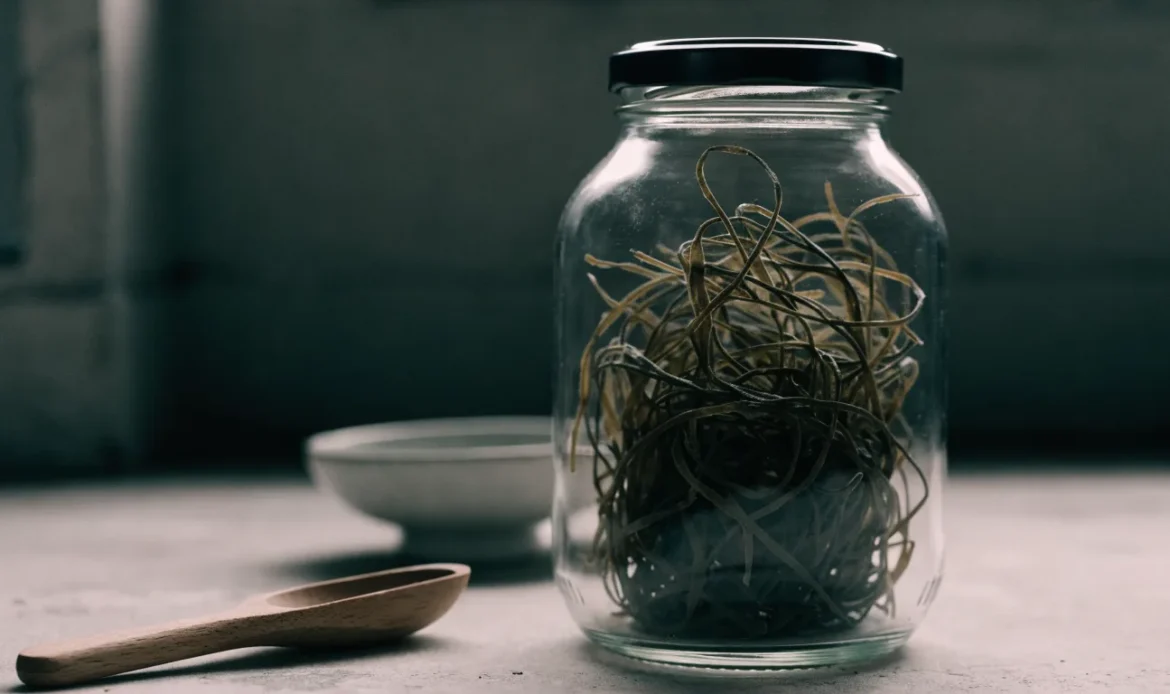
Short answer: There is no single, guaranteed shelf life for dried sea moss. How long it stays good depends on how dry it was, how it was handled, and how you store it. This guide shows what to check, how to store it, and which next questions to ask.
What affects how long dried sea moss will stay usable
- Dryness at the start. Sea moss that was fully dried will keep longer than sea moss that still has moisture.
- How it was dried. Sun drying, air drying, or low-heat drying can change texture and shelf stability.
- Clean handling. If hands, tools, or water touched the moss during processing, microbes or dust can shorten life.
- Packaging. Airtight, moisture-blocking packaging slows spoilage. Damaged or open packaging lets in moisture and bugs.
- Storage conditions. Heat, light, and humidity speed up change in color and smell. Cool, dark, dry places help preserve dried food.
- Salt and mineral content. Sea moss contains minerals, including iodine. Levels vary by harvest and species and can affect taste and shelf behavior. (See References [1], [2], [5].)
- Contaminants. Seaweed can pick up sand, small shells, or environmental contaminants at harvest. Ask sellers about testing if this is a concern. (See References [4].)
We cannot promise a fixed shelf-life here. The best approach is to learn how to spot signs of spoilage and to store with care.
Quick inspection checklist: what to look for (decision guide)
Use this table to decide whether dried sea moss is likely okay or should be discarded.
| What to check | What it may mean | Action |
|---|---|---|
| Smell | Fresh sea moss often has a mild ocean scent. A sour, rotten, or strong chemical smell is a warning. | Discard if smell is off. |
| Color and appearance | Even dried sea moss can vary in color. Look for odd dark spots, fuzzy growth, or dramatic color change. | If you see mold or fuzzy growth, discard. |
| Texture | Dry, brittle pieces are normal. Slimy or sticky pieces after drying are not. | Discard if slimy or tacky in dry form. |
| Visible insects or webs | Indicates pest infestation. | Discard and check nearby food. |
| Moisture in package | Moisture inside the bag or jar can mean partial rehydration and bacterial or mold growth. | Dry and re-package only if you can fully dry; otherwise discard. |
| Cloudy residue when rinsed | Heavy sediment or odd residue that does not rinse off may indicate contamination. | Rinse thoroughly; if residue persists, do not use. |
| Packaging date or harvest date on label | Helps you judge age. Lack of dates increases uncertainty. | Ask the seller for dates and handling info when in doubt. |
If you are unsure after checks, it is safer to discard the product. When doubt remains, do not use it.
Step-by-step best storage practice
Follow these steps to keep dried sea moss in the best condition you can.
- Inspect on arrival. Check the package seal, look for holes, and use the inspection checklist above.
- Transfer to an airtight container. Use a clean glass jar or food-safe plastic container that seals well. Avoid thin paper or open bags.
- Keep it dry. Add a food-safe moisture absorber if you expect humidity. Do not add anything that could leach chemicals into the moss.
- Store in a cool, dark place. Avoid direct sunlight, hot cabinets, or areas that swing between hot and cold.
- Label the container. Write down the date you opened the package and any seller dates. This helps tracking.
- Use clean tools. When you take out sea moss, use dry, clean tongs or a dry spoon. Avoid wet hands or utensils that can introduce moisture.
- Repack after each use. Seal the container tightly and return it to storage right away.
If you see moisture or smell a change, stop using it. Do not attempt to salvage moldy material.
Packaging and storage options: pros and cons
- Glass jars (airtight): Good barrier to moisture and odors. Easy to inspect. Heavy but durable.
- Vacuum-sealed bags: Remove air and slow oxidation. Works well when done right. Once opened, transfer to a jar.
- Resealable plastic bags: Convenient for short-term use but can fail to block moisture long term. Use only if kept dry and in a sealed place.
- Food-grade desiccants and oxygen absorbers: Can help in humid climates. Use only food-grade products and follow instructions.
Avoid storing dried sea moss near strong-smelling spices or chemicals. Seaweed can absorb odors.
Rehydration, gel making, and safety checks
Many people rehydrate dried sea moss before use. Follow these safe steps.
- Rinse first. Rinse under cool running water to remove grit and sand.
- Soak in clean water. Use filtered water when possible. Change the water if it becomes cloudy or has a strong aroma.
- Note smell and texture during soak. A healthy rinse and soak leave the moss pliable and clean. If the water becomes cloudy with sediment that won’t settle, or if smell changes to sour or rotten, do not use it.
- Make gel with clean equipment. Use a clean blender, clean jar, and clean utensils. Discard any gel that becomes off-smelling, slimy, or shows mold.
- Refrigeration of prepared gel slows change. When in doubt about how long to keep a gel batch, make a small batch you can use sooner. If you want longer storage of a prepared product, ask a food safety expert about shelf-stable methods.
Operation Supplement Safety notes that sea moss sold as a supplement or food product may vary in processing and testing. If you use sea moss regularly, ask sellers about their handling and testing practices (Reference [4]).
What to ask a seller before you buy
- Was this sea moss dried fully before packaging?
- Where and when was it harvested? (Season and harvest area can affect mineral content.)
- How was it dried and packaged? (Sun dried, air dried, low-heat, vacuum sealed?)
- Do you test for contaminants or heavy metals? Can you share the results?
- What storage do you recommend?
- Do you supply a harvest or pack date on the label?
Sellers may not always have all answers. If they cannot answer basic handling questions, treat the purchase with more caution.
What you can check, what info cannot be proven, and the next useful questions
- What you can check: package condition, smell, visible mold or pests, label dates, seller answers about handling, and how the product behaves during rinse and soak. These checks help you decide to keep or discard.
- What cannot be proven by sight or smell alone: exact levels of iodine, heavy metals, or microbial counts. Those require lab testing. (See References [1], [2], [3], [5].)
- Useful next questions to ask sellers or labs: Have you tested this batch for iodine or heavy metals? Do you have a certificate of analysis or a lab report? When was the sample tested? What part of the coast or which species is this?
If mineral levels or contamination are a concern for you, consider purchasing products that come with lab reports or clear testing statements.
A practical decision checklist before use
- Is the package sealed and intact? If no, inspect further.
- Does it smell fresh, mildly oceanic, and not sour? If no, discard.
- Is there visible mold, fuzz, or insects? If yes, discard.
- Is there moisture in the package when it should be dry? If yes, discard or dry fully before reuse only if you can ensure full dryness.
- Did you rinse and soak it, and did the water remain relatively clear after rinsing? If the water turned cloudy with bad odor, discard.
- Can the seller provide handling details or test results if you need them? If no and you need tested product, look for a supplier that provides lab information.
When in doubt, choose safety over risk.
Conclusion
There is no single shelf-life number that fits every packet of dried sea moss. The product’s condition at harvest, how dry it was, how it was handled, and how you store it all matter. Use the inspection checklist and storage steps in this guide. Ask sellers about drying and testing when you buy. If you find mold, a bad smell, sliminess, insects, or persistent moisture, discard the sea moss. When you keep dried sea moss dry, sealed, and cool, you give it the best chance to stay usable. For more on storing foods and related products, see our learning pages and shop resources.
Helpful links:
- Home: /
- Storage learning hub: /learn/storage/
- More learning articles: /learn/
- Shop sea moss and supplies: /shop/
- Wholesale inquiries: /wholesale/
- Contact us: /contact/
Continue reading
Frequently asked questions
Can dried sea moss “go bad”?
Yes. Like other dried foods, it can change or spoil. Look for sour or rotten smells, mold, sliminess, insects, or persistent moisture in the package. If you see those signs, do not use it.
Can I keep dried sea moss in the fridge or freezer?
Refrigeration can slow change, but it also brings humidity. If you refrigerate, keep it in a sealed, dry container. Freezing dry sea moss is not common. If you freeze rehydrated gel, follow safe food storage practices and use clean containers.
Is the color change normal?
Sea moss comes in different colors naturally. Small changes in shade are common. But new dark patches or fuzzy growth are signs of spoilage.
Do I need lab tests for iodine or heavy metals?
Visual checks do not show mineral levels or heavy metals. If you are concerned about mineral content like iodine, ask the seller for lab results or a certificate of analysis. References show that mineral levels in seaweed can vary and may matter for some people (References [1], [2], [3], [5]).
How should I store opened packages when traveling or in humid climates?
Keep the moss in airtight, food-safe containers. Add food-grade desiccants if humidity is high. Store in the coolest, darkest spot you have. Check it more often for moisture or pests.
Can I dry partially rehydrated sea moss and reuse it later?
If the sea moss became wet but was not spoiled, thoroughly re-dry it using a safe low-heat method or a dehydrator and then store in an airtight container. If you cannot be sure it was fully dried or if any smell or mold appears, discard it.
References
- [1] Harvard T.H. Chan School of Public Health, “Seaweed.” https://nutritionsource.hsph.harvard.edu/seaweed/
- [2] Smyth PPA. “Iodine, Seaweed, and the Thyroid.” European Thyroid Journal, 2021. https://pmc.ncbi.nlm.nih.gov/articles/PMC8077470/
- [3] Food Standards Australia New Zealand, “Survey of iodine levels in seaweed and seaweed containing products,” updated 2025. https://www.foodstandards.gov.au/science-data/monitoring-safety/surveyofiodinelevels
- [4] Operation Supplement Safety, “Sea Moss in Dietary Supplements.” https://www.opss.org/article/sea-moss-dietary-supplements
- [5] Blikra MJ et al. “Consequences of acute and long-term excessive iodine intake: A literature review focusing on seaweed as a potential dietary iodine source.” 2024. https://doi.org/10.1111/1541-4337.70037