
Short answer
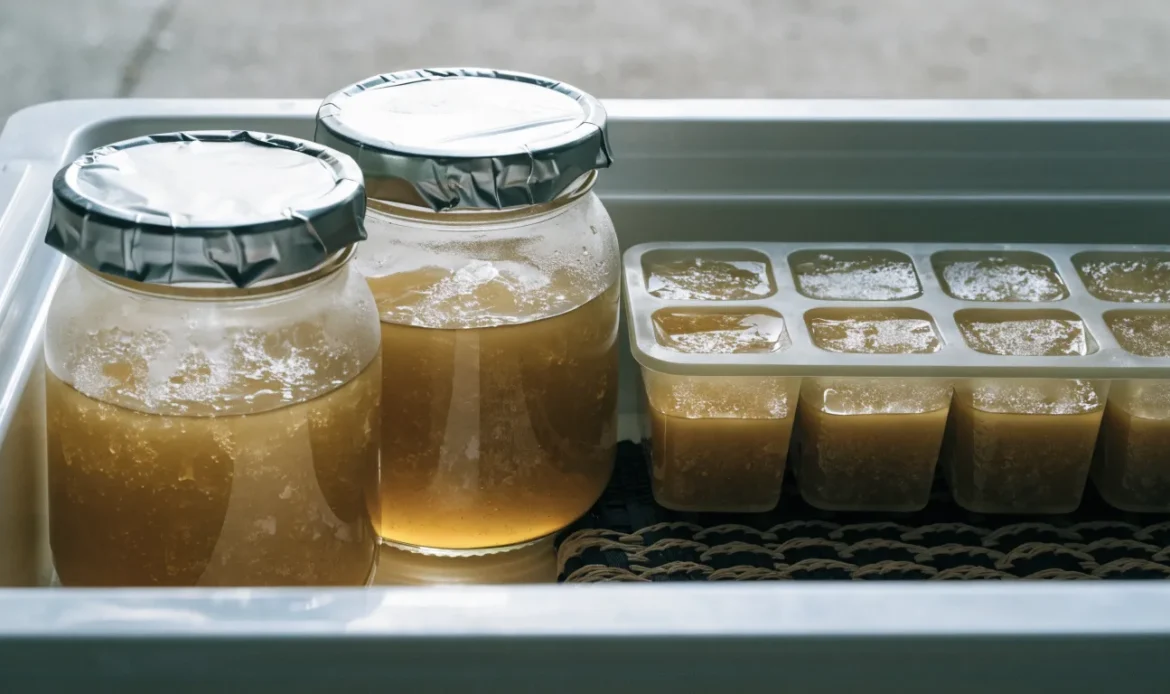
Yes — you can freeze sea moss gel. Freezing is a practical way to hold gel for later use. Freezing slows down spoilage and helps keep extra gel from going bad quickly. But freezing changes texture. How long it stays good depends on how it was made, handled, and stored. Read on for safe steps, signs of trouble, and a simple decision guide.
Why this matters
Sea moss gel is wet and perishable. Condition, handling, and container choices shape how well it keeps. This guide focuses on safe handling and useful checks you can do. I explain what freezing does, how to prepare gel, how to thaw it, and how to decide whether to freeze or use fresh.
How to use this guide
If you want quick tips, jump to the checklist. If you want details about what changes during freezing, read the “How freezing affects sea moss gel” section. If you want to know whether you should freeze yours right now, use the decision guide.
Short answer: can you freeze sea moss gel?
Yes. Freezing is a common storage choice for sea moss gel. It can extend the usable life of the gel compared with keeping it only in the fridge. Freezing slows microbial growth and chemical changes. It does not make gel immune to spoilage, and it can change texture and appearance. Always use safe food-handling steps when you make, freeze, thaw, or use sea moss gel.
Why freeze sea moss gel?
- To keep extra gel you cannot use quickly.
- To store single-serve portions for smoothies or recipes.
- To reduce waste if you buy or make sea moss in larger batches.
Freezing is a practical storage tool. It is not a guarantee of safety or quality. The final result depends on how cleanly the gel was prepared, the containers used, and how quickly the gel was moved to cold storage.
How freezing affects sea moss gel
Below are the main ways freezing can change your gel.
Texture and appearance
- Gel structure can break down. Thawed gel may be thinner or slightly separated.
- Color can darken, or small ice crystals can change the surface look.
- These are normal quality changes. They do not always mean unsafe food.
Microbial safety and enzymes
- Freezing slows the growth of microbes and enzymes. It generally does not kill all bacteria or mold.
- If gel had bacterial or mold contamination before freezing, those problems can continue after thawing.
- Do not assume freezing sterilizes or removes toxins that microbes produced earlier.
Nutrients and iodine
- Seaweed has variable iodine and other minerals. Freezing does not remove iodine or heavy elements.
- If iodine intake is a concern, ask the supplier for product details or lab info. (See References [1], [2], [3], [5].)
What we know and what we cannot prove here
- Freezing slows spoilage. That is a general food-safety principle.
- The exact effect on texture and nutrient profile depends on the gel recipe and the sea moss source.
- There is no universal rule that fits every sea moss gel. Look at your gel and follow safe-handling rules.
How to prepare sea moss gel for freezing — step-by-step
Follow these steps for the cleanest results.
- Start with clean equipment
- Use washed spoons, bowls, and containers.
- Work on a clean surface. Dry hands or wear clean gloves.
- Make the gel using safe water
- Use potable water for soaking and blending.
- Cool the gel before freezing
- If you just cooked or heated the gel, let it cool to room temperature in a covered pot. Then chill in the fridge briefly to speed safe handling. Do not place very hot gel into the freezer; it can raise freezer temperature.
- Portion the gel
- Portioning reduces thaw cycles.
- Consider small batches that match one use (e.g., smoothie portion).
- Choose the right container
- Use freezer-safe plastic containers, silicone molds, or heavy-duty freezer bags. Glass jars labeled freezer-safe are okay but leave headspace for expansion.
- Squeeze air out of bags before sealing.
- Label and date
- Mark the date you frozen the gel and the portion size. This helps you decide what to use first.
- Move to the coldest part of the freezer
- Place packages away from the door. Avoid stacking warm items on top of frozen ones.
Important handling notes
- Do not mix fresh gel with previously frozen and thawed gel.
- Avoid repeated refreezing after thawing.
Practical checklist: Prepare, freeze, and thaw sea moss gel
Use this checklist before you freeze or use thawed gel.
Prepare for freezing
- [ ] Was equipment cleaned and dried?
- [ ] Did you use potable water for soaking and blending?
- [ ] Is the gel cooled before packaging?
- [ ] Are portion sizes planned to match single uses?
- [ ] Are containers freezer-safe and labeled with date?
Freezing
- [ ] Leave headspace if using jars.
- [ ] Remove as much air as possible for bags.
- [ ] Place away from freezer door to reduce temperature swings.
Thawing and use
- [ ] Thaw in the fridge for slow, safe thawing.
- [ ] Stir or whisk after thawing to recombine separated gel.
- [ ] Smell and inspect before using (see quality checks below).
- [ ] Discard if you see mold, a strong off-odor, or unexpected gas bubbles.
Decision point
- If gel smells sour, shows mold, or looks slimy with unexpected bubbles after thawing, discard it.
How to thaw and use thawed sea moss gel
Best practices for thawing
- Slow thaw: Move frozen portions to the fridge overnight. This keeps temperature low and reduces bacterial risk.
- Quick thaw: If you must use it fast, place sealed portion in a bowl of cool water until soft. Change the water if it warms.
- Avoid hot water or microwave defrost that heats parts of the gel unevenly.
What to do after thawing
- Stir or blend gently. Thawed gel may separate into water and thicker solids. A whisk or short blend can recombine it.
- Use thawed gel in blended recipes (smoothies, sauces) where texture matters less.
- For recipes that need a firm gel, test a small amount first.
Refreezing
- Avoid refreezing thawed gel. Each freeze–thaw cycle changes texture and increases the chance of spoilage.
How to check quality after freezing and thawing
Visual checks
- Mold: Any fuzzy or spotty mold on the surface means discard.
- Unusual color: Large, unexpected color change is a concern.
- Bubbles or foam: Signs of fermentation or microbial activity. Discard.
Smell test
- Sea moss has a mild sea-like smell for many types. Trust your nose. Strong sour, rotten, or chemical smells are a reason to discard.
Texture test
- Water separation or thinner texture is common. That alone does not mean unsafe.
- Slimy or slimier-than-normal texture, or a noticeable film, is a warning sign.
Taste test
- Only taste if visual and smell checks are normal. If flavor is off, spit it out and discard.
If in doubt, discard. Safety is more important than saving food.
A simple decision guide: freeze, refrigerate, or keep dry
Use this short guide to decide how to store a batch.
- You plan to use the batch within a few days:
- Keep refrigerated in a clean, airtight container.
- You need the batch beyond short-term use or will not use it in the next days:
- Freeze portioned gel.
- You want the longest, most compact storage without making gel:
- Keep dry sea moss (dried raw seaweed) in a cool, dark pantry. Rehydrate and make fresh gel when needed.
Note: The guide gives direction, not strict time limits. Your gel’s condition, preparation method, and your freezer’s performance affect results.
Storage mistakes to avoid
- Freezing warm gel: This can raise the freezer temperature and encourage ice crystal growth.
- Using non-freezer containers: Thin containers can crack or let in freezer burn.
- Storing near the door: Temperature swings hurt quality.
- Refreezing thawed gel: Texture and safety risks increase.
- Ignoring smell or mold: Visual and smell checks are your best safety tools.
Buying and labeling tips
- Ask sellers about their preparation methods if you are concerned about cleanliness.
- If iodine or mineral content is a concern, ask for lab information or batch testing documentation from the seller.
- Label each container with the date and any notes about flavor or strength.
What freezing cannot prove or fix
- Freezing does not show you whether the sea moss had high iodine or unwanted minerals. Ask the supplier for details if you need that information. (See References [2], [3], [5].)
- Freezing cannot undo poor hygiene during preparation. If the gel was contaminated before freezing, thawing may reveal that.
- Freezing cannot remove toxins that may have been present before freezing.
When to discard thawed or refrigerated sea moss gel
- Any visible mold.
- Strong sour or rotten smell.
- Bubbles or foaming that were not present before.
- If you suspect the gel sat too long at room temperature while thawing or during use.
When unsure, throw it out. Food safety is not worth guessing.
Next questions to ask or things you can check
- How was the gel made? (Water source, blender cleanliness, boiling step for soaked sea moss)
- Can the seller provide a simple handling or batch note?
- If you have a specific health concern about iodine or minerals, ask for lab testing information from your supplier.
If you handle sea moss often, create a label habit: date, recipe notes, and portion sizes.
Useful internal links
- Learn more about storage basics at our storage hub: /learn/storage/
- See general learning resources about sea moss: /learn/
- Browse whole bulk and retail formats: /shop/
- Learn about wholesale options: /wholesale/
- Contact us with product or lab questions: /contact/
- Back to the home page: /
Conclusion
You can freeze sea moss gel and do so safely when you follow simple steps. Freezing helps keep extra gel and makes portioning easy. Freezing slows spoilage but does not fix poor handling or remove minerals like iodine. Use clean tools, portion before freezing, label packages, and always check thawed gel for mold, off-odors, or strange texture before use. When unsure, discard. If you have questions about product testing or composition, ask your supplier or contact us for more guidance.
Continue reading
Frequently asked questions
Can I freeze sea moss gel in ice cube trays?
Yes. Ice cube trays are a good way to portion gel for single uses. Once frozen in trays, transfer cubes to a freezer bag to save space and reduce exposure to air.
Will freezing make sea moss gel unsafe?
Not by itself. Freezing slows spoilage. Gel that was contaminated before freezing may still be unsafe after thawing. Always check smell and appearance before use.
Can I put frozen sea moss gel straight into a smoothie?
Yes. Frozen cubes can go directly into a blender. This is a quick way to use frozen gel without thawing.
Does freezing remove iodine from sea moss gel?
No. Freezing does not remove iodine. Seaweed products may have varying iodine levels. Ask your supplier if you need specific information. (See References [1], [2], [3], [5].)
Can I refreeze thawed sea moss gel?
It is best to avoid refreezing. Texture and quality will degrade, and safety risk may increase with repeated thaw cycles.
How can I tell if thawed gel has gone bad?
Look for mold, strong off smells, unusual foam or bubbles, or a distinctly off taste. If any of those are present, discard the gel.
References
- Harvard T.H. Chan School of Public Health, “Seaweed.” https://nutritionsource.hsph.harvard.edu/seaweed/
- Smyth PPA. “Iodine, Seaweed, and the Thyroid.” European Thyroid Journal, 2021. https://pmc.ncbi.nlm.nih.gov/articles/PMC8077470/
- Food Standards Australia New Zealand, “Survey of iodine levels in seaweed and seaweed containing products,” updated 2025. https://www.foodstandards.gov.au/science-data/monitoring-safety/surveyofiodinelevels
- Operation Supplement Safety, “Sea Moss in Dietary Supplements.” https://www.opss.org/article/sea-moss-dietary-supplements
- Blikra MJ et al. “Consequences of acute and long-term excessive iodine intake: A literature review focusing on seaweed as a potential dietary iodine source.” 2024. https://doi.org/10.1111/1541-4337.70037