
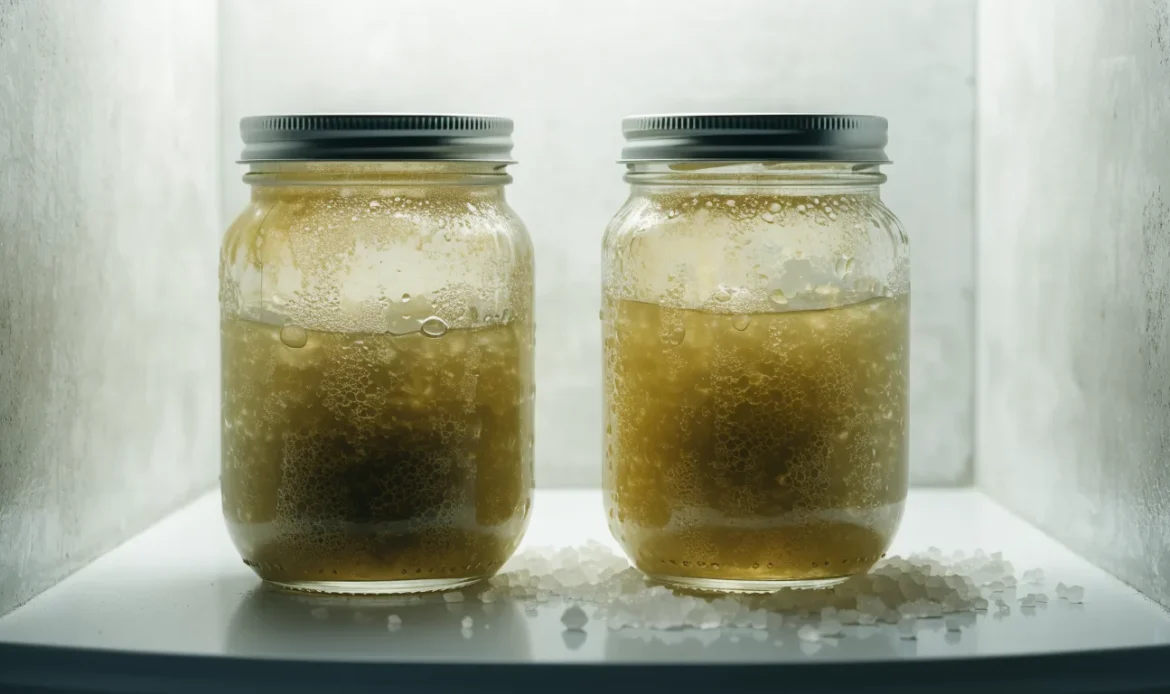
Short answer first: How long sea moss stays fresh depends on the product form, how it was handled, and how you store it. Look at the seller’s label. Keep dried sea moss dry and cool. Keep gel refrigerated and use clean utensils. Freeze portions if you won’t use them soon. When in doubt, check for off-smells, mold, or foam and discard.
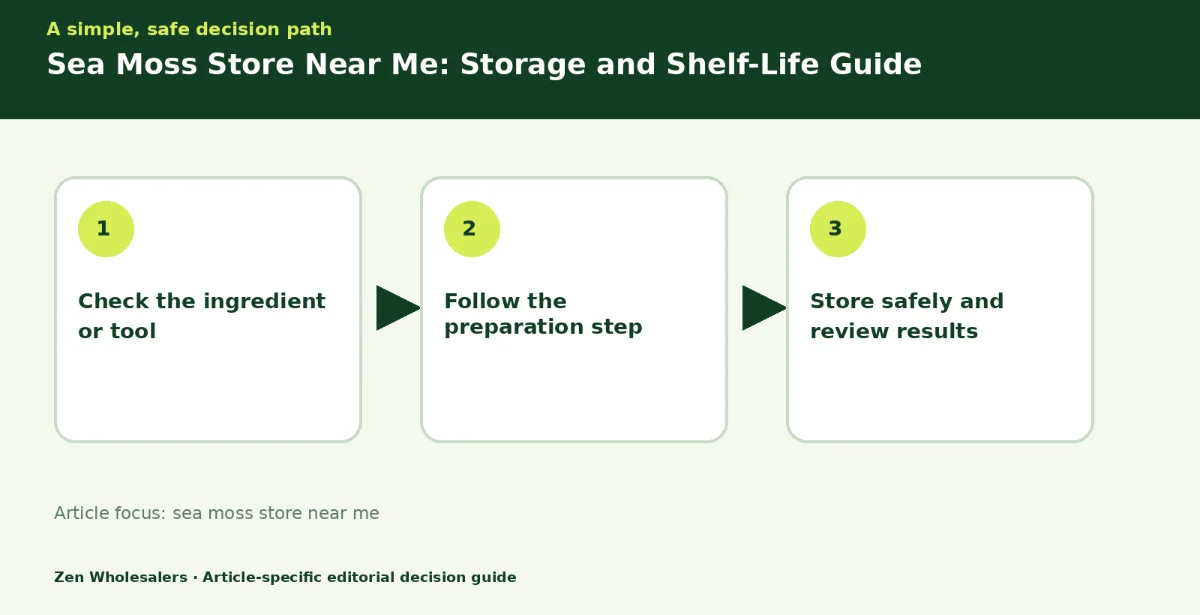
This guide helps you decide how to store different sea moss products. It also gives safety checks to use before you eat or sell sea moss. If you want local help, look up a sea moss store near me and ask their storage rules before you buy.
Why exact shelf-life varies
Sea moss is sold in several forms: dried, soaked, gel, powder, and capsules. Each form has different risks. Storage life depends on:
- Product format (dried vs gel vs powder).
- How clean the product and tools were when made.
- Whether anything was added (salt, preservatives, acid).
- How it was handled after harvest or processing.
- Temperature and container type during storage.
Seaweed and seaweed products can vary a lot in what they contain. This includes natural minerals like iodine. Iodine content and other chemical levels vary by species and where the seaweed grew [1][2][3]. That means one seller’s sea moss can behave differently than another’s when stored. You cannot rely on a single shelf-life number for all sea moss products.
If you buy from a nearby seamoss store, ask these specific questions: Where did it come from? How was it processed? Was it handled in a certified kitchen? Is there a “use by” date or storage instruction on the label? If answers are missing, be more cautious.
What to check when you buy (buying checklist)
- Read the label for storage instructions or a “use by” date.
- Ask the seller how the product was handled and packaged.
- Check the container for tight seals and no leaks.
- Look for clear, simple ingredient lists. If the product is a gel, note if preservatives or citric acid were added.
- If buying fresh or wet sea moss, ask if it was kept cold the whole time.
Bring an insulated bag if you need to keep a product cool while you travel home. If you are buying wholesale, ask for handling and storage documentation.
How to store sea moss by product type
Below are practical steps to store the main sea moss formats. These are safety-minded, not promises of exact length of freshness.
Dried sea moss (raw or cleaned)
- Keep it dry. Moisture lets bacteria and mold grow.
- Store in a cool, dark place away from heat and sunlight.
- Use airtight containers or heavy resealable bags.
- Avoid storing near strongly smelling foods. Dried seaweed can pick up smells.
- Check periodically for any damp clumps, off-odors, or visible mold.
Dried sea moss is generally lower risk than wet formats. But if it becomes damp, treat it like any perishable product: inspect closely and discard if unsure.
Rehydrated or soaked sea moss
- Rinse with clean water before soaking if seller recommends it.
- Use clean bowls and cold water.
- Keep the soaked moss refrigerated in a sealed container.
- Change the soaking water if it becomes cloudy or smelly.
- Discard if the moss develops sliminess, scum, foam, or a bad odor.
Follow the seller’s soaking method if provided. If you plan to keep the soaked moss a while, freezing is a safer option than leaving it wet at room temperature.
Sea moss gel (prepared product)
- Store gel in clean, airtight containers (glass jars are common).
- Always use clean utensils to scoop gel. Do not double-dip.
- Keep the gel refrigerated after opening.
- Consider dividing gel into small portions and freezing some if you will not use it soon.
- Label jars with the date you opened them.
If the gel smells off, has mold, or shows unusual colors, discard it. Don’t taste a product that looks or smells questionable.
Powder, capsules, and dried extracts
- Keep them in their original sealed packaging or in airtight containers.
- Store in a cool, dry, dark place.
- Avoid exposure to moisture, heat, and light.
- Check the container for clumping (a sign of moisture) or off-odors.
Powders and capsules are less likely to spoil quickly than wet products. Still, poorly handled powders can absorb moisture and grow mold.
Fresh sea moss sold wet (retail or wholesale)
- Ask the seller for storage instructions before you buy.
- Keep wet purchases cold during transport.
- Refrigerate or follow vendor direction after purchase.
- Discard if texture becomes slimy, or if foam or off-odors appear.
If a sea moss store near you does not provide clear handling instructions for fresh product, consider buying a product with clearer guidance.
Signs that sea moss has spoiled
Use your senses. If you notice any of the following, do not eat the product:
- A sour, rotten, or otherwise off smell.
- Visible mold (fuzzy growths; any color).
- Sliminess or an unusual slippery film.
- Foam or scum on liquid or gel surfaces.
- A cloudy appearance that was not present before.
- Sharp change in color that seems odd for that product.
When in doubt, throw it out. Food safety is not worth a risk.
How to extend usable storage safely
You can take steps to keep sea moss safe longer. These are practical habits, not guarantees.
- Keep cold products cold during transport. Use an insulated bag or cooler when needed.
- Store in airtight containers to limit exposure to air and kitchen contaminants.
- Use glass jars for gels when possible. Glass is non-reactive and easy to sanitize.
- Always use clean utensils and wash hands before handling.
- Divide gel into smaller portions before freezing. Thaw only what you need.
- Keep dry forms in sealed containers with desiccant packs if humidity is a concern.
- Follow vendor or label instructions on preservatives, pH, or added ingredients.
If you plan to sell sea moss, follow local food-safety rules and consider documenting how the product was stored. For wholesale orders, request handling documentation from the supplier.
Packaging and handling questions to ask your local store
- Was this product handled in a food-safe environment?
- Is there a “best by” or “use by” date on the package?
- Were preservatives or acids added?
- How long was the product refrigerated or frozen before sale?
- Can I see a sample of how the product looks when opened?
A reputable sea moss store near me should be able to answer these questions clearly.
Decision guide: Which storage method to use
Use this short guide to pick storage based on your plan for the product.
- If you will use the product soon (within a few servings): keep refrigerated and use clean utensils.
- If you want to keep it for longer than you will likely use: freeze in portions.
- If you want shelf stability and low handling: choose dried, sealed forms or powders.
- If you buy wholesale: confirm cold-chain handling and get storage advice from the seller.
This is a simple rule of thumb. Always follow any specific manufacturer or seller instructions when available.
Practical checklist: Sea moss handling at home
- Check label and ask vendor for instructions before buying.
- Transport wet products in a cool carrier.
- On arrival, inspect the product for damage, off-odors, and visible spoilage.
- Move to the correct storage: sealed jar for gel, airtight bag for dried, sealed bottle for capsules.
- Use clean utensils. Wash hands before handling.
- Label and date opened containers.
- Freeze portions you won’t use soon. Thaw in refrigerator before use.
- Discard if the product shows mold, slime, off-smell, or other spoilage signs.
Freezing and thawing: practical notes
Freezing is a common way to keep perishable foods safe longer. If you freeze sea moss gel or soaked moss, do this in small, single-use portions. Thaw in the refrigerator, not on the counter. Once thawed, use promptly and don’t refreeze the same portion.
If you freeze dried sea moss, ensure it stays dry. Moisture during freezing or thawing can create spoilage problems.
Safety notes about minerals and labeling
Seaweed products can vary in mineral content, including iodine. Iodine levels vary by species and harvest location. That variability means you cannot assume a single product has a safe or identical mineral level to another product [1][2][3]. If you need to limit mineral intake for health reasons, check product labels and ask the seller for test data. Some studies show seaweed can be a concentrated source of iodine, and excessive iodine intake can have health effects in some people [2][5]. Operation Supplement Safety discusses quality issues with sea moss used in supplements and stresses caution when product claims are unclear [4].
In short: storage affects safety for microbes, while composition differences affect dietary risk. These are separate issues. Storage does not change the underlying mineral content.
When to ask for lab or vendor documentation
- If you buy wholesale or large quantities for resale.
- If you need product testing for minerals, heavy metals, or contaminants.
- If you plan to make a finished food product for sale that includes sea moss.
- If a seller makes specific claims about safety or testing and cannot show documentation.
A local sea moss store should point you to any available documentation or third-party testing if their product is marketed with safety claims.
Conclusion
Storage and shelf-life for sea moss depend on the product form, how it was handled, and how you store it. Look for clear label instructions and ask a sea moss store near me about handling before you buy. Use clean tools, airtight containers, and cold storage for wet products. When unsure, check for signs of spoilage and discard any product that looks or smells off. For wholesale or resale, ask for handling records and lab tests when appropriate.
If you want step-by-step storage tips from us or to browse products, visit our learning hub and shop pages:
- Learn more about storage: /learn/storage/
- See other learning topics: /learn/
- Shop our sea moss: /shop/
- Wholesale options and info: /wholesale/
- Need help? Contact us: /contact/
- Or return to the home page: /
Continue reading
Frequently asked questions
Can I freeze sea moss gel?
Yes. Freezing is commonly used to preserve gel. Freeze in small portions and thaw in the refrigerator. Do not refreeze a portion that has been fully thawed and used.
How can I tell if sea moss gel has gone bad?
Watch for off smells, mold, foam or scum, unusual sliminess, or odd color changes. If any of these appear, discard the product.
Is store-bought sea moss safer than wild sea moss?
“Safer” depends on handling and testing. Store-bought products may come with labels and handling instructions. Wild-harvested sea moss can be fine, but ask how it was cleaned and stored. For safety, prefer products with clear handling instructions or vendor documentation.
Can sea moss contain high iodine?
Yes. Seaweed products can vary widely in iodine. Species and location affect iodine levels [1][2][3]. If you need to limit iodine, ask the seller for product tests or steer clear of products without clear info.
What if a seamoss store near me does not give storage advice?
Be cautious. If you can’t get clear instructions, favor dried forms or products that come with storage guidance. Keep wet products cold and inspect them on arrival.
How should I transport sea moss from a store home?
Keep wet products cold (use an insulated bag). Keep dry products sealed and dry. Minimize the time the product is in warm temperatures.
References
- Harvard T.H. Chan School of Public Health, “Seaweed.” https://nutritionsource.hsph.harvard.edu/seaweed/
- Smyth PPA. “Iodine, Seaweed, and the Thyroid.” European Thyroid Journal, 2021. https://pmc.ncbi.nlm.nih.gov/articles/PMC8077470/
- Food Standards Australia New Zealand, “Survey of iodine levels in seaweed and seaweed containing products,” updated 2025. https://www.foodstandards.gov.au/science-data/monitoring-safety/surveyofiodinelevels
- Operation Supplement Safety, “Sea Moss in Dietary Supplements.” https://www.opss.org/article/sea-moss-dietary-supplements
- Blikra MJ et al. “Consequences of acute and long-term excessive iodine intake: A literature review focusing on seaweed as a potential dietary iodine source.” 2024. https://doi.org/10.1111/1541-4337.70037