
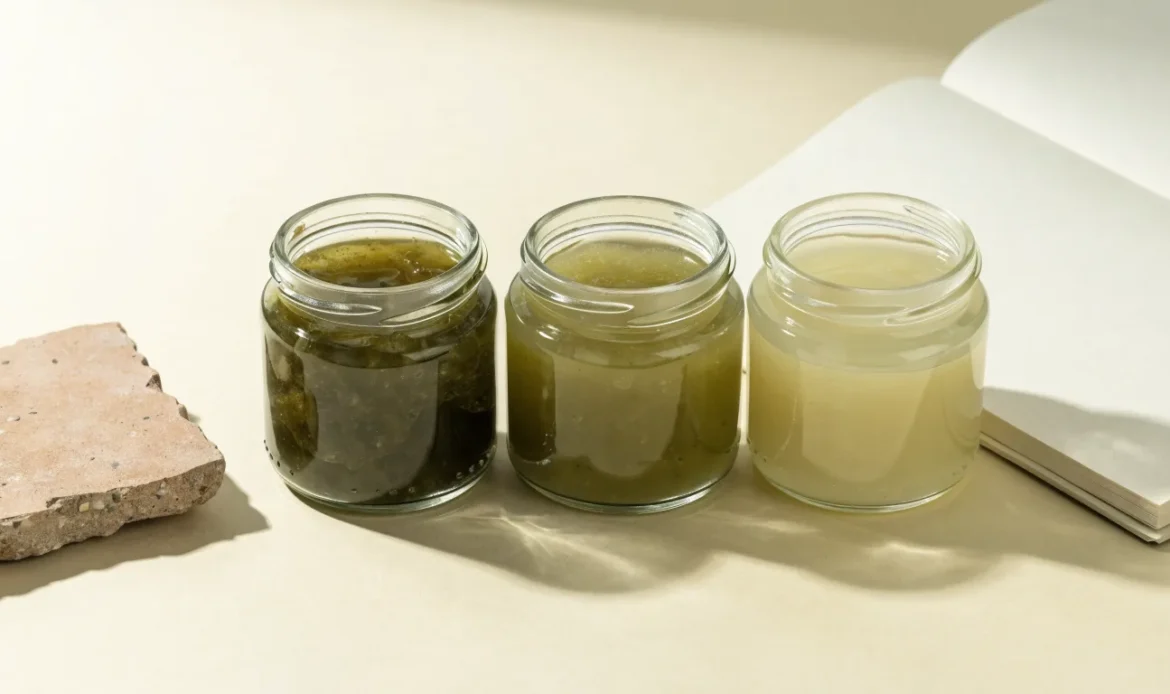
Short answer first: It can be a useful food ingredient for some people, but whether it is “good for you” depends on the type, how it was harvested and processed, and your personal health needs. Sea moss can contain minerals people want, but it can also contain high iodine and other unwanted compounds. Check product details and, if you have health concerns, talk with a clinician before using it.
This guide gives plain facts. It explains what we know from public sources. It shows what you can check when shopping. And it points to useful next steps.
What people mean by “true sea moss”
“Sea moss” is a common name for several types of edible seaweeds. People use the name for dried seaweed, gels, capsules, or powders. In markets, “true sea moss” sometimes means wild-harvested, whole, or minimally processed seaweed. Those labels are not standardized. That means different sellers may use the same words to mean different things.
When you see the term, ask the seller:
- Which species or common name is this?
- Where was it harvested or farmed?
- How was it processed and stored?
Answers to those questions matter for safety and quality.
What the research and public agencies say
Seaweed is a broad group of marine plants and algae. Authorities note both opportunities and risks when people add seaweed to their diets.
- Seaweeds contain minerals and other compounds found in the ocean. These may be part of why people use seaweed in food and supplements [1].
- Iodine content in seaweed varies widely by species and location. Some seaweeds can have very high iodine. Too much iodine can affect the thyroid, especially if intake is sudden or large [2][5].
- Government surveys show iodine levels in seaweed products are highly variable. That means the same product type from different sources can have very different iodine amounts [3].
- Agencies and safety groups warn about variability in sea moss products on the market. Some products are sold as supplements or powders with little testing or labeling. That can make it hard to know what you are actually getting [4].
In short: seaweed can supply nutrients, but the dose and safety depend on the product. The scientific and safety literature emphasizes checking iodine and testing for contaminants when seaweed is used as food or supplement.
What people look for in sea moss (realistic uses)
People choose sea moss for several practical reasons. These are neutral, non-medical uses:
- Culinary ingredient: Sea moss can be used as a thickener in recipes. Some cooks use it to add texture to soups, smoothies, or puddings.
- Source of minerals: Seaweed can be a source of minerals that are common in seawater. Which minerals and how much vary a lot by type and source [1].
- Vegan or plant-based thickener: For those avoiding animal-derived thickeners, some seaweeds serve as plant-based options.
- Ingredient for supplements or food products: Sea moss is used in capsules, powders, and gels sold as food products. If you are buying packaged products, check the label and testing.
These are practical reasons. They do not imply sea moss will treat or prevent any disease.
Known risks and uncertainties
It helps to be clear about what is known and what is not.
- Iodine variability and risk: Iodine levels in seaweed vary by species and by where it was collected. Some seaweeds contain enough iodine that regular use could push intake above recommended levels. Excessive iodine can affect thyroid function in some people. This is well studied in seaweed literature [2][5].
- Contaminants: Seaweeds can absorb minerals and elements from the water. That can include desirable minerals and unwanted substances. The levels depend on water quality and handling. Public surveys of seaweed products have found a wide range of iodine and other contents, which shows variability in exposure [3].
- Labeling and product variability: Some sea moss products may lack detailed labeling or independent testing. That makes it harder to know iodine content or contaminants. Safety groups advise caution and recommend looking for third-party testing or Certificates of Analysis (COA) for critical tests like iodine and heavy metals [4].
- Limited direct clinical research on “sea moss”: While seaweeds are studied, there is less high-quality clinical research for specific sea moss products or recipes. That means scientific proof for specific health claims about a given sea moss product is limited.
Because of these uncertainties, different people will make different choices about sea moss. Your personal health situation matters. People with thyroid issues, infants, pregnant or breastfeeding people, or those on certain medications often need to be careful about iodine intake. If that describes you, consult a clinician.
How to read labels and safety claims
When you look at a sea moss product, the label and seller information are your best first tools. Here are practical things to look for:
- Species or common name: The product should give a species name or at least a common name like “dried sea moss” or “gracilaria.”
- Harvest or farm location: Where the seaweed came from affects what it might contain.
- Processing details: Was it sun-dried, oven-dried, or treated with additives? Was it processed in a food-safe facility?
- Lab testing and COA: Does the seller offer third-party lab results or a Certificate of Analysis for iodine and contaminants? If not shown, ask.
- Ingredient list and additives: Check for added sugars, preservatives, or other ingredients if you are buying a prepared gel or powder.
- Storage and expiration info: Dried seaweed is different from gel. Know how to store the form you buy.
If a seller cannot answer these questions, that increases uncertainty about the product.
A practical decision checklist
Use this checklist before you buy or use a sea moss product. It helps you decide if the product fits your needs and risk tolerance.
- Purpose
- Do I want it for cooking, a thickener, or as a supplement?
- Product identity
- Does the label list a species or common name?
- Is the harvest location listed or available from the seller?
- Testing and safety
- Is there a Certificate of Analysis (COA) or third-party test for iodine?
- Is there testing for heavy metals or microbial contamination?
- If no COA, can the seller provide lab details on request?
- Processing and storage
- How was it processed (dried, powdered, gel)?
- What shelf life or storage instructions are provided?
- Packaging and handling
- Is the product sealed and batch numbered?
- Is there contact information for the seller?
- Personal factors
- Do I have medical conditions (thyroid, pregnancy, medication) that make iodine risky?
- Will I discuss use with a clinician if I have health concerns?
If more than two of these checks are “unknown” or “no,” consider a different product or ask the seller for more information.
Quick comparison table: Which form to choose
| Your goal | Common form | What to check | Next step |
|---|---|---|---|
| Cooking or thickening at home | Dried whole or powdered sea moss | Species, cleanliness, processing, storage | Rehydrate and rinse well; follow recipe guidelines |
| Short-term trial | Small packaged dried or gel | Clear label; small batch; COA if available | Try a small amount and observe how you feel |
| Daily supplement use | Capsules or standardized powder | COA for iodine and heavy metals; clear dosing info | Ask for lab tests; consult clinician if needed |
| Buy for resale or bulk use | Wholesale dried or bulk powder | Detailed sourcing, COAs, batch testing | Request supplier COAs and sampling before large orders |
This table offers a basic guide. It does not replace lab testing or professional advice for personal medical questions.
How to prepare and store sea moss safely
General, practical steps for common forms:
- Dried whole sea moss
- Rinse well in clean water to remove sand and debris.
- Soak in fresh water to rehydrate before use. Change the soaking water if it gets cloudy.
- Use within recommended time after rehydrating. Keep refrigerated if making a gel.
- Sea moss gel (store-bought or made at home)
- Follow the product’s storage instructions.
- Keep refrigerated and watch for signs of spoilage like off smells or mold.
- Powder or capsules
- Store in a cool, dry place.
- Follow the expiration date and packaging instructions.
Always follow safe food-handling rules. If you see or smell spoilage, do not use the product.
Questions you can ask a seller right now
If you are thinking of buying, here are simple questions to ask. A responsible seller will answer them.
- What species is this sea moss?
- Where was it harvested or farmed?
- Is there a recent Certificate of Analysis for iodine and heavy metals?
- How was it processed and packaged?
- What are the storage and shelf-life instructions?
- Do you offer batch numbers and traceability?
If a seller hesitates or provides vague answers, consider a different source.
When to get professional advice
Sea moss is a food ingredient. But because iodine and contaminants can be an issue for some people, talk to a clinician if:
- You have a thyroid condition.
- You are pregnant, trying to conceive, or breastfeeding.
- You plan to use sea moss daily or in large amounts.
- You take medications that interact with iodine or thyroid function.
A clinician can help you decide whether an individual product and dose are safe for you.
Practical next steps
If you decide to try sea moss:
- Define your goal (cooking, trial, supplement, wholesale).
- Ask the seller for species, source, processing, and COA.
- Start with a small amount.
- Watch for any changes in how you feel.
- If you have health conditions or take medicine, consult a clinician before regular use.
If you want curated learning, start at our general learning hub, or browse product options and wholesale terms:
- Visit our main page: Home
- Learn more about sea moss: Learn
- Browse products and forms: Shop
- Explore wholesale options: Wholesale
- Contact us for product questions: Contact
Conclusion
Is true sea moss good for you? It depends. Sea moss can serve as a practical food ingredient and a source of minerals, but the final answer depends on the species, the water where it grew, how it was processed, and how much you plan to use. The main risks to watch for are high and variable iodine content and inconsistent product testing. You can reduce uncertainty by asking sellers for species, source, and third-party lab testing for iodine and common contaminants. If you have a thyroid condition, are pregnant, or take regular medication, discuss sea moss use with your clinician before making it a regular part of your diet.
Frequently asked questions
Is sea moss the same as other seaweed?
Sea moss is a term used for some seaweeds. It is not one single species. The term can mean different types depending on region and seller. Check the product label for species or common name.
Can sea moss give you too much iodine?
Some seaweeds can contain high iodine. The iodine content varies by species and source. That means some sea moss products could contribute a lot of iodine, while others may not. If iodine matters to you, ask for a lab test or COA [2][3][5].
Are sea moss products tested for contaminants?
Some reputable sellers provide third-party lab tests or Certificates of Analysis for iodine and contaminants. But not all sellers do. If testing is important to you, ask the seller for recent COAs before buying [4].
How should I store sea moss products?
Follow the product label. Dried seaweed usually stores in a cool, dry place. Prepared gels require refrigeration and have a shorter shelf life. If in doubt, contact the seller for storage guidance.
Can I give sea moss to children?
Because iodine and other compounds can affect children differently, consult a pediatric clinician before giving seaweed products to infants or young children.
What if I want to buy bulk or wholesale sea moss?
For wholesale purchases, require supplier COAs, detailed sourcing information, and sample testing. Ask about batch traceability and handling practices before ordering large quantities.
References
- [1] Harvard T.H. Chan School of Public Health, “Seaweed.” https://nutritionsource.hsph.harvard.edu/seaweed/
- [2] Smyth PPA. “Iodine, Seaweed, and the Thyroid.” European Thyroid Journal, 2021. https://pmc.ncbi.nlm.nih.gov/articles/PMC8077470/
- [3] Food Standards Australia New Zealand, “Survey of iodine levels in seaweed and seaweed containing products,” updated 2025. https://www.foodstandards.gov.au/science-data/monitoring-safety/surveyofiodinelevels
- [4] Operation Supplement Safety, “Sea Moss in Dietary Supplements.” https://www.opss.org/article/sea-moss-dietary-supplements
- [5] Blikra MJ et al. “Consequences of acute and long-term excessive iodine intake: A literature review focusing on seaweed as a potential dietary iodine source.” 2024. https://doi.org/10.1111/1541-4337.70037