
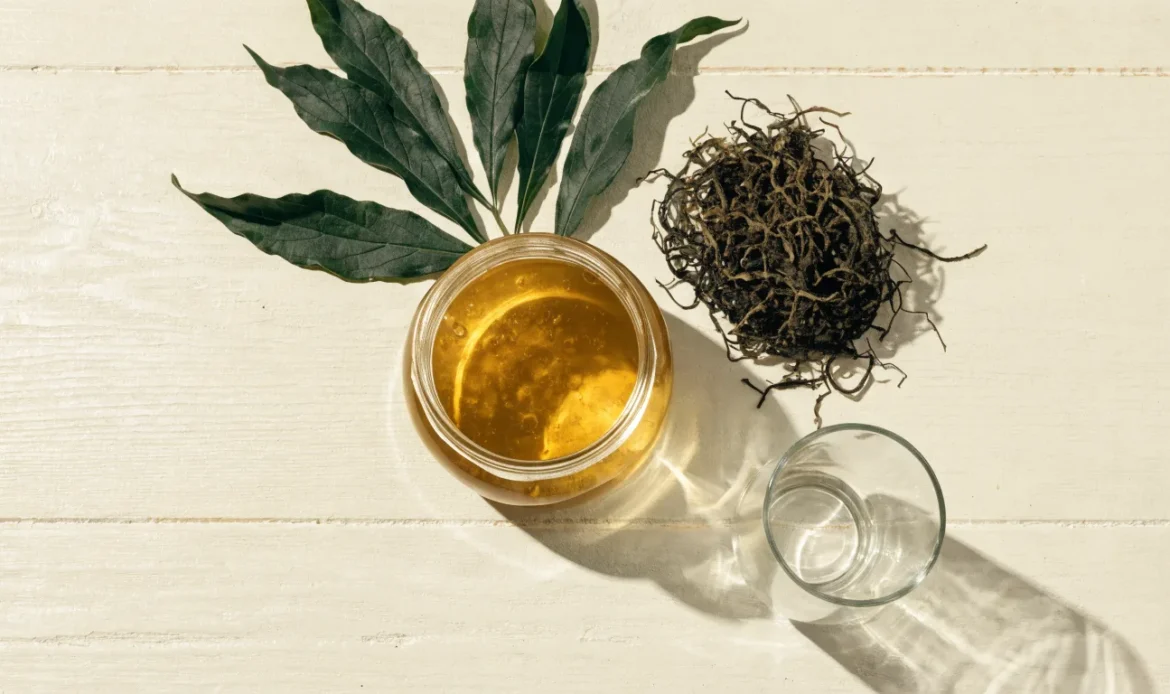
Short answer: Sea moss can be a useful food ingredient for many people because it contains minerals and fiber. But its content varies a lot. It can be high in iodine and can carry contaminants if not tested. Read the facts below, then use the decision checklist to decide if sea moss is a good choice for you.
What is “sea moss”?
Sea moss is a common name for several types of edible seaweed and algae that people harvest from the coast. People use sea moss as dried seaweed, a soaked-and-blended gel, powdered extracts, or capsules. The name covers several species and product forms. That means what you buy may be very different from what someone else has.
Seaweed is a broad food group. It is a source of plant fiber and some minerals. Sources and processing shape the final product. Because sea moss comes from the ocean, ocean conditions and processing matter for safety and nutrition [1].
What the science says — what we know and what we do not
- Seaweed contains minerals and dietary fiber. It is a food source of these nutrients for many diets [1].
- Seaweed can be high in iodine. Iodine is an essential mineral for thyroid function. Too much iodine can cause problems for some people, especially those with thyroid disorders [2][5].
- Iodine levels in seaweed vary widely. Surveys have measured large ranges of iodine in different seaweeds and seaweed products. This means you cannot assume a product has low or moderate iodine without testing or clear labeling [3].
- Supplements and processed sea moss products may not be consistently tested or labeled. Independent testing is not always required. Some reports and guidance note concerns about supplement labeling and potential contamination [4].
- Seaweed can pick up metals or environmental pollutants from the water it grows in. The level depends on the species and where it was harvested. Testing is the only reliable way to know whether contamination is present [1][3].
What we do not know precisely from general product descriptions:
- How much iodine or other minerals are in a particular jar, capsule, or serving unless the maker lists it based on lab testing.
- Whether a given product has been tested for heavy metals or other contaminants unless the vendor provides those test results.
- How a particular person will respond to sea moss. Individual health, medications, and diet affect safety.
Sources: Harvard’s nutrition notes on seaweed explain general nutrient content and variability [1]. Reviews on iodine and seaweed detail iodine risks and variability [2][5]. A national survey shows iodine levels vary by product [3]. An advisory on sea moss in supplements highlights labeling and testing concerns [4].
Possible benefits (what people often use it for)
People use sea moss for food and as an ingredient in smoothies, soups, desserts, and gels. As a seaweed product it commonly provides:
- Dietary fiber that can add bulk to food.
- Iodine and other minerals that are sometimes limited in land-based diets.
- A natural thickening or gelling property in recipes (especially gels made from soaked sea moss).
These are general facts about the food group. They do not say sea moss will cause a health outcome. Whether a benefit matters to you depends on your diet, health, and goals.
Potential risks and who should be cautious
- High iodine content: Some seaweeds are very high in iodine. High iodine intake can cause thyroid symptoms or worsen existing thyroid conditions for some people. If you have thyroid disease or you take thyroid medication, talk with your clinician before adding sea moss to your diet [2][5].
- Contaminants: Seaweed can contain heavy metals or other pollutants depending on where it was harvested. Only lab testing can confirm safety [1][3].
- Variable labeling: Dietary supplements and many sea moss products are not always uniformly tested. Look for product testing or clear nutrient labeling [4].
- Allergic reactions or digestive upset: As with any new food, some people may react to sea moss or to additives used in processed products.
- Pregnancy and breastfeeding: Because of the iodine issue and the variability in products, people who are pregnant or breastfeeding should get medical advice before using sea moss regularly.
Forms of sea moss and how they differ
Below are common product forms and short pros/cons. The content and safety vary by supplier.
- Dried sea moss (whole, raw): Pros — long shelf life; you can prepare it yourself. Cons — you must clean and rehydrate it; iodine and contaminants depend on source.
- Soaked-and-blended gel: Pros — ready to use in drinks and recipes. Cons — shelf life is shorter; may contain added ingredients; nutrient content still depends on source.
- Powder: Pros — easy to measure and store; can be added to smoothies. Cons — processing may concentrate some minerals or add fillers; check label.
- Capsules/tablets: Pros — convenient dosing. Cons — often lack full disclosure of iodine or contaminant testing; legal supplement rules vary.
No form guarantees safety or a certain nutrient level. Ask vendors for lab results if that matters to you.
Practical decision checklist
Use this checklist when you consider buying or using sea moss. Check each item before you start regular use.
- Why do I want sea moss?
- Culinary use (texture, flavor)
- Nutrient source (ask: which nutrients and are quantities shown?)
- Cosmetic or topical use
- What form do I prefer?
- Dried (you’ll prepare it)
- Gel (ready to use)
- Powder or capsule (convenience)
- Label and testing checks
- Does the product list the species or general type of seaweed?
- Does the label show any nutrient testing (especially iodine)?
- Does the seller provide third-party lab reports on heavy metals or contaminants?
- Are there any added ingredients I don’t want?
- Health checks
- Do I have thyroid disease, or take thyroid medicine? If yes, consult your clinician first.
- Am I pregnant or breastfeeding? Talk to your clinician first.
- Do I have allergies to sea foods or sea plants?
- Storage and preparation
- Does the package show safe storage and use instructions?
- If dried, do I know how to rinse and soak it properly?
- If gel, how long will it keep in my fridge or freezer?
- After I start
- Do I feel any new symptoms after starting sea moss?
- If yes, stop and check with a clinician.
- Consider periodic lab checks if you use concentrated products daily (based on clinician advice).
The checklist helps you reduce unknowns before regular use.
Decision guide: which form to choose (table)
| Use case | Suggested form | What to check on the label | Risk flags |
|---|---|---|---|
| Cooking, occasional use | Dried seaweed | Clear species name, simple ingredient list | No testing info, unclear origin |
| Smoothies, daily use | Powder or gel | Nutrient facts, storage instructions, any lab reports | High iodine listed or unknown testing |
| Convenience, short-term use | Capsules/tablets | Full ingredient list, manufacturer contact info | No third-party testing; vague label |
| Topical use | Gel or product labeled for skin | Cosmetic-grade labeling and safety notes | Food-grade product used topically without guidance |
This table is a guide. It does not replace product-specific checks or medical advice.
How to prepare and use sea moss safely at home
Basic preparation steps for dried sea moss:
- Rinse: Remove sand and debris.
- Soak: Soak in water to rehydrate. Discard water with visible dirt.
- Rinse again: Use fresh water after soaking.
- Cook or blend as needed: Some recipes call for cooking; others use blended gel. Follow a trusted recipe.
- Store: Follow storage instructions. Refrigerate or freeze gels. Keep dried seaweed dry.
Notes:
- Avoid eating raw sea moss that was not cleaned.
- If you buy a prepared gel, check the ingredient list for added sugars or preservatives.
- If you plan to use sea moss daily, ask the seller for lab tests that report iodine and contaminant levels.
When to talk with a clinician or pharmacist
Talk with a healthcare professional before using sea moss regularly if you:
- Have a thyroid disorder.
- Take thyroid medication or other drugs that interact with iodine.
- Are pregnant or breastfeeding.
- Have a weakened immune system or serious medical conditions.
- Plan to give sea moss to children.
Your clinician can help you decide if a product is appropriate for your diet and health situation.
What sellers can provide — and what they cannot prove
What a seller can provide:
- Ingredient lists.
- Instructions for use and storage.
- Third-party lab reports if they commission them.
What sellers cannot prove unless they test:
- Exact iodine content for every batch without lab testing.
- Complete absence of contaminants without testing.
- How a product will affect your health personally.
Ask for batch-specific lab reports if you need precise nutrient or contaminant data. Independent lab tests are the only reliable way to verify contents.
Next questions that help you decide
If you are still unsure, ask yourself these next questions:
- Do I need sea moss for a specific diet short-term, or do I want to use it daily?
- Will I buy food-grade sea moss or a supplement/processed product?
- Does the vendor offer testing documents and clear species labeling?
- Do I have health reasons to avoid extra iodine?
These questions point you toward safer and better-informed choices.
Useful next guides
- Learn more about seaweed and nutrition on our learning hub: Learn about sea moss and seaweed.
- If you plan to buy sea moss, see our product options and descriptions: Shop sea moss.
- If you buy in bulk, read our wholesale guidelines before you order: Wholesale information.
- Contact us with questions about sourcing, lab reports, or preparation tips: Contact our team.
- Return to our home page for more resources: Zen Wholesalers home.
Conclusion
Sea moss is a food form of seaweed that can add fiber and minerals to your diet. It is not the same everywhere. Iodine content and contaminant risk vary by species and source. The right choice depends on your reason for using sea moss and your personal health. Use the checklist above, ask sellers for lab reports, and consult your clinician when you have thyroid concerns, are pregnant, or are on medication. These steps will help you decide if sea moss is right for you.
Frequently asked questions
Is sea moss good for you?
Sea moss can be a useful source of fiber and minerals for many diets. However, its content varies by species and source. It can be high in iodine and can be contaminated if not tested. Check product information and consult your clinician if you have health concerns [1][2].
How much sea moss should I take daily?
There is no one-size-fits-all dose. Because iodine and other contents vary by product, do not rely on generic dose advice. Check product testing and talk with a clinician about safe use for your situation, especially if you have a thyroid condition [2][5].
Is sea moss safe during pregnancy?
Pregnancy is a time to use caution. Iodine matters during pregnancy, and seaweed products can vary in iodine content. Speak with your clinician before using sea moss regularly [2][3].
Can sea moss be contaminated?
Yes. Seaweed can pick up metals or pollutants from the water. Testing is the way to know if a product has contaminants [1][3].
Should I buy sea moss supplements or food-grade sea moss?
It depends on your needs. Food-grade forms are used in cooking and DIY gels. Supplements may be convenient but can vary in labeling and testing. Ask sellers for lab reports and check ingredient lists [4].
How can I tell if a sea moss product has been tested?
Ask the seller for third-party or batch-specific lab reports that list iodine and any tested contaminants. Clear, accessible test documents are the best evidence of testing [4].
References
- Harvard T.H. Chan School of Public Health, “Seaweed.” https://nutritionsource.hsph.harvard.edu/seaweed/
- Smyth PPA. “Iodine, Seaweed, and the Thyroid.” European Thyroid Journal, 2021. https://pmc.ncbi.nlm.nih.gov/articles/PMC8077470/
- Food Standards Australia New Zealand, “Survey of iodine levels in seaweed and seaweed containing products,” updated 2025. https://www.foodstandards.gov.au/science-data/monitoring-safety/surveyofiodinelevels
- Operation Supplement Safety, “Sea Moss in Dietary Supplements.” https://www.opss.org/article/sea-moss-dietary-supplements
- Blikra MJ et al. “Consequences of acute and long-term excessive iodine intake: A literature review focusing on seaweed as a potential dietary iodine source.” 2024. https://doi.org/10.1111/1541-4337.70037