
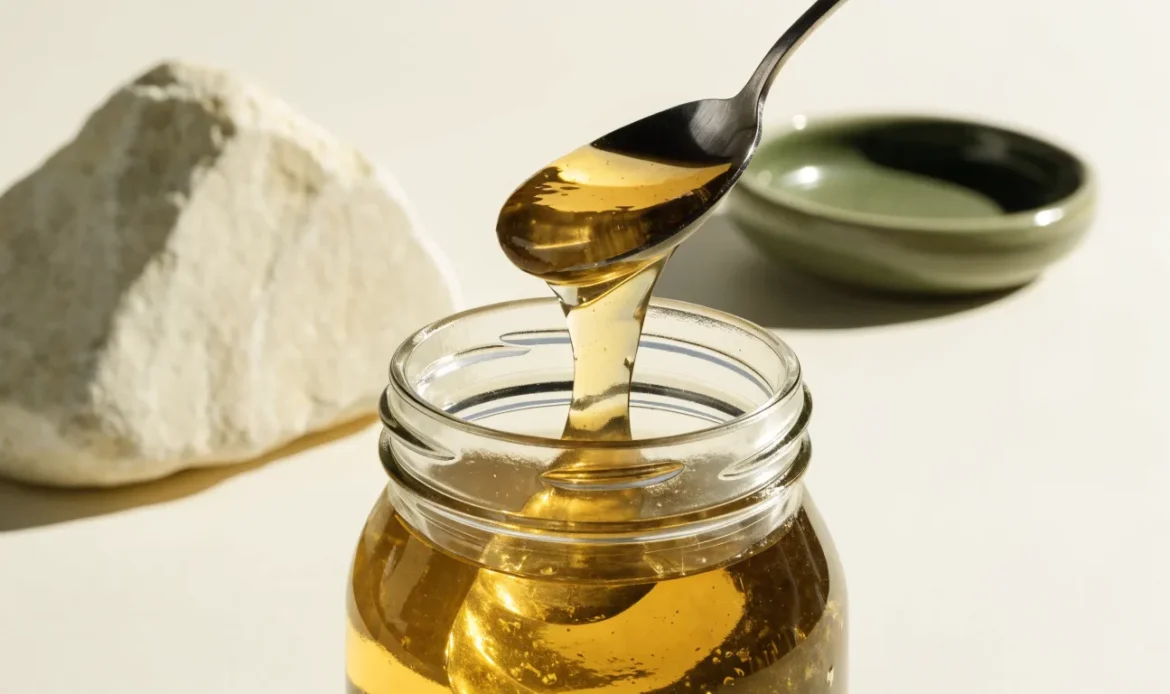
Short answer: True sea moss gel is a simple, soft gel made from whole seaweed that has been cleaned, soaked, and blended. People use it in drinks, recipes, and topical mixes. Store it cold, watch for signs of spoilage, and talk with a health professional if you have thyroid issues or take medicines.
What is “true sea moss gel”?
True sea moss gel generally means a gel made from whole, intact seaweed that was soaked and blended into a smooth texture. It is not a pill, gummy, or heavily processed extract. Sellers may call a product “true” to point to minimal processing or simple ingredients.
Common labels you will see:
- “Organic sea moss gel” — means added ingredients are organic, but check the ingredient list.
- “Full spectrum sea moss gel” — usually means the product aims to preserve a broad range of natural components from the seaweed.
- “Flavored sea moss gel” or “elderberry sea moss gel” — have extra ingredients for taste.
What labels cannot prove by themselves:
- Where the seaweed was harvested.
- Lab test results (unless the seller provides them).
- Exact nutrient content or safety, without testing.
If you want more detail on seaweed and how it can affect the body, reliable science sources discuss seaweed broadly and warning points such as iodine content (see References [1], [2]).
How to prepare true sea moss gel — a clear step-by-step
Below is a practical, kitchen-friendly process many people use. It covers the basic method without making nutrient claims.
- Clean the sea moss.
- Rinse under fresh, running water.
- Pick out sand, shells, or dark bits.
- Soak.
- Place in clean water for several hours so it softens.
- Change the water if it looks cloudy.
- Blend into a gel.
- Add the soaked sea moss and fresh water to a blender.
- Blend until smooth. Add more water if needed to reach the texture you like.
- Jar and cool.
- Transfer the blended gel into a clean jar.
- Cover and cool in the refrigerator.
- Optional: freeze portions.
- Use small portions (ice-cube tray or packets) if you want longer storage.
Notes:
- Use clean tools and jars. Food-safety practices matter.
- Some people simmer sea moss first. Either method works to make a gel. Choose the method you prefer.
- If you add flavorings (fruit, herbs, elderberry), add them after blending and check the final ingredient list for sugars or preservatives.
How to take and how to eat true sea moss gel
Ways people use sea moss gel:
- Stir a spoonful into smoothies.
- Mix it into juice or plant milk.
- Fold it into yogurt, oatmeal, or soups.
- Use it in recipes as a thickener.
- Some people mix it into topical recipes for skin care. (Topical use is different from eating it.)
How to start:
- Begin with a small serving size. One spoonful is a common starting point for people trying it.
- Try it in food or drink where the texture blends in.
- Notice how your body reacts. Stop and ask a health professional if you have concerns.
Best time to take it:
- There is no single “best time” proven for everyone.
- Many people take a spoonful with breakfast or in a smoothie for convenience.
- Choose a time you will take it consistently.
Do sea moss gummies work as well as gel?
- Gummies are a processed form. They can be convenient.
- Gummies often contain added sugar and other ingredients.
- Gel is closer to the original soaked seaweed form. Which is “better” depends on what you want: convenience or minimal processing.
How to use flavored or elderberry sea moss gel:
- Read the ingredient list.
- Flavored products add sugar or extracts. Check if that matches your diet.
How much sea moss gel to take daily
Specific dosage numbers are not universal. Labels and health professionals offer tailored advice.
Practical guidance:
- Start small (one spoonful or less).
- Use the product label as a guide.
- If you plan regular daily use, check with a clinician, especially if you have thyroid conditions or take medicines that interact with iodine.
Operation Supplement Safety and other consumer sources advise caution with supplements and to consult a health professional before regular use (see Reference [4]).
Storage, shelf life, and safety — how to tell if gel is bad
Does sea moss gel need to be refrigerated?
- Yes. Keep it cold in a sealed container to slow spoilage.
Can sea moss gel go bad? What happens if you eat expired sea moss gel?
- Like other fresh foods, sea moss gel can spoil.
- If you eat spoiled gel, you may get stomach upset or a foodborne illness depending on what grew in it.
- If you feel ill after eating old gel, contact a medical professional.
Signs a gel is spoiled:
- Sour, rotten, or strong unpleasant smell.
- Visible mold or fuzzy growth.
- Large color changes that are not normal for that product.
- Unusual bubbles or foaming (may indicate fermentation).
How long is sea moss gel good for?
- There is no single exact shelf life that applies to all homemade or commercial gels.
- Storage conditions, recipe, and added ingredients affect how long it stays fresh.
- Use refrigeration and clean jars, and freeze portions if you want to keep them longer.
How to tell if sea moss gel is bad
- Smell it. If it smells off, do not taste it.
- Look for mold or fuzzy spots. Toss if you see any.
- If texture changes a lot (very thin or foamy), be cautious.
- If in doubt, do not consume.
Side effects and safety concerns
Common consumer notes:
- Some people report mild digestive upset when they first start.
- People with iodine-sensitive thyroid conditions should be cautious. Seaweed products can contain iodine, and iodine can affect thyroid function. If you have thyroid disease, check with a provider before using seaweed products regularly (References [2], [5]).
- If you take medications or are pregnant or breastfeeding, check with your clinician.
Resources on safety:
- Health groups and supplement safety organizations suggest consumers treat sea moss like other supplements or foods that can be concentrated and seek professional advice if they have health conditions (Reference [4]).
- Scientific reviews discuss iodine and the thyroid connection with seaweed consumption (References [2], [5]).
Buying: how to choose a good product and where to look
Search tips:
- “Sea moss gel near me” often finds local sellers or shops.
- You may see national brands in health stores or online. Search terms like “GNC sea moss gel” or “sea moss gel shark tank” or popular grocery brands come up in searches; these are just discovery paths. Always check the product page and ingredient list.
Buying checklist (quick decision guide)
| Check | What to look for | Why it matters |
|---|---|---|
| Ingredients list | Only sea moss and water, or clear additions (fruit, herbal extract) | Fewer unknown additives make it easier to judge what you’re buying |
| Lab tests / COA | Posted test results for heavy metals, microbes, or iodine if available | Tests help verify safety claims |
| Storage instructions | Refrigeration and freeze info | Shows how to keep product safe after purchase |
| Packaging | Airtight, food-grade containers or single-serve packets | Prevents contamination and makes dosing easier |
| Brand info | Clear return policy and customer service | Easier to resolve problems or ask questions |
| Source transparency | Seller says where and how seaweed was harvested | Helps you assess traceability, but ask for details |
Formats to compare:
- Ready-made gel (jar): convenient. Check refrigeration instructions.
- Single-serve packets: travel-friendly and portion-controlled.
- Dried sea moss: longer storage and you prepare fresh gel. Good if you want control of ingredients.
- Gummies and capsules: convenient but more processed.
- Wholesale bulk: useful if you use a lot or resell. Contact suppliers directly for testing and storage details.
If you want wholesale or bulk options, visit /wholesale/ and ask about testing and storage.
How to use true sea moss gel in recipes
Simple ways to add it:
- Stir into a morning smoothie.
- Blend into plant milk or juice.
- Add to soups or sauces as a thickener.
- Mix into desserts like puddings or jam-style spreads.
Tips:
- Add it to cold or warm recipes. If using in hot recipes, stir in near the end to warm through.
- If you add flavored gel, reduce added sweeteners in the recipe.
- For topical recipes, do a small skin patch test first.
Reviews, brands, and reputation
How to read “true sea moss gel reviews”:
- Look for comments on texture, taste, packaging, and storage.
- Check if reviewers mention lab testing or ingredient transparency.
- Remember that taste and texture are subjective. Reviews can help with user experience but cannot prove safety or full ingredient accuracy.
Best sea moss gel brands:
- There is no single “best” brand for everyone.
- Use the buying checklist above when comparing brands.
- If a seller posts lab tests, read those results. If they do not, ask for them.
Search phrases you might use:
- “true sea moss gel reviews”
- “sea moss gel near me within 5 mi”
- “best sea moss gel brands”
- “how to prepare sea moss gel”
Decision guide: which format fits you?
- You want convenience:
- Try ready-made gel or single-serve packets. Check the ingredient list.
- You want control and storage life:
- Buy dried sea moss and make your own gel. Use clean jars and freezing for longer storage.
- You want to use in skincare:
- Look for unflavored gel and patch-test before wider use.
- You have health concerns (especially thyroid):
- Talk with your clinician. Ask the seller for iodine testing or lab reports.
If you need product options, see our catalog at /shop/. If you want to learn more about sea moss science, see /learn/. To ask about wholesale or bulk, visit /wholesale/ or /contact/ for questions.
Practical checklist — Ready-to-use before you buy or make sea moss gel
- Check ingredients. No hidden sugars or preservatives if you want plain gel.
- Ask for a certificate of analysis (COA) if safety or iodine is a concern.
- Confirm storage method and shipping conditions (refrigerated vs frozen).
- Inspect packaging on arrival. Jar seal intact? No leaking?
- Smell and look before use. Toss if off odor or visible mold.
- Start with a small serving and note any reactions.
- If pregnant, nursing, on medication, or have thyroid issues — consult your clinician.
Conclusion
True sea moss gel is a straightforward product you can make at home or buy ready-made. Focus on clean preparation, refrigeration, and simple ingredient lists. Start small when you begin using it. If you have health conditions or take medicine, get personalized advice from a clinician. For shopping or to learn more practical tips, visit our /shop/ and /learn/ pages. For wholesale or bulk questions, go to /wholesale/ or reach out at /contact/. You can also return to our home page at /.
Continue reading
Frequently asked questions
Is “true sea moss gel” different from regular sea moss gel?
“True” usually means less processed and made from whole soaked seaweed. Check ingredient lists to be sure.
How do I tell if sea moss gel is bad?
Throw it out if it smells rotten, has visible mold, or looks very different from when you bought or made it.
Can I freeze sea moss gel?
Yes. Many people freeze small portions for longer storage. Use food-safe containers and thaw in the fridge.
When is the best time to take sea moss gel?
There is no single proven best time. Many people take it with breakfast or in a smoothie. Choose a time that fits your routine.
Are flavored or elderberry sea moss gels safe?
They can be, but read the ingredient list. Watch for added sugar, preservatives, or other ingredients you may want to avoid.
What if I have a thyroid condition?
Seaweed can contain iodine, which affects thyroid function. Talk with your healthcare provider before using seaweed products regularly (References [2], [5]).
References
- Harvard T.H. Chan School of Public Health, “Seaweed.” https://nutritionsource.hsph.harvard.edu/seaweed/
- Smyth PPA. “Iodine, Seaweed, and the Thyroid.” European Thyroid Journal, 2021. https://pmc.ncbi.nlm.nih.gov/articles/PMC8077470/
- Food Standards Australia New Zealand, “Survey of iodine levels in seaweed and seaweed containing products,” updated 2025. https://www.foodstandards.gov.au/science-data/monitoring-safety/surveyofiodinelevels
- Operation Supplement Safety, “Sea Moss in Dietary Supplements.” https://www.opss.org/article/sea-moss-dietary-supplements
- Blikra MJ et al. “Consequences of acute and long-term excessive iodine intake: A literature review focusing on seaweed as a potential dietary iodine source.” 2024. https://doi.org/10.1111/1541-4337.70037