
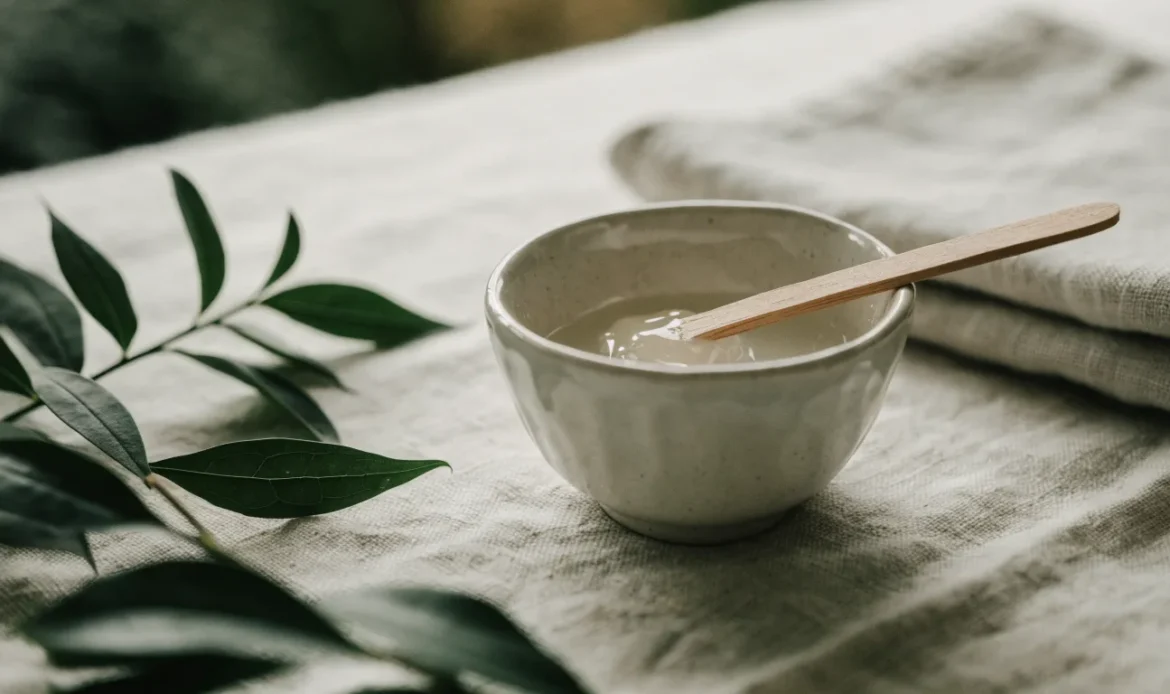
Short answer: A sea moss face mask is a topical paste made from sea moss (in gel, dried, or powdered form) mixed with other skin-safe ingredients and applied to the face for a short time. People use it to add moisture and texture to a mask product. Evidence about how much it helps skin is limited and varies by product and preparation. Read the steps and safety checks below before you try one.
What is in a sea moss face mask?
Sea moss is a common name for several types of red algae and other seaweeds. When used in a face mask, the portion called “sea moss” is usually:
- Rehydrated dried seaweed
- A blended sea moss gel made from soaked seaweed
- A powdered or extract form intended for cosmetics
Sea moss is mostly made of structural plant-like material (polysaccharides) plus small amounts of minerals and other compounds. The exact mix depends on the species and where it was harvested. That means one jar of sea moss gel may be chemically different from another jar (Harvard T.H. Chan School of Public Health) [1].
Note: Sea moss used on the skin is not the same as a medical product. Topical use differs from eating seaweed. Still, seaweed can carry iodine and other minerals that vary widely by source. If you have thyroid concerns or sensitivity to iodine, check with a clinician before using seaweed products on large skin areas or often (Smyth; Blikra) [2,5].
Common forms of sea moss used for masks
- Dried sea moss: Dried whole pieces you rehydrate. You control the preparation. It often needs thorough rinsing.
- Sea moss gel (homemade or pre-made): Rehydrated and blended sea moss that becomes a smooth gel. Easy to apply.
- Powdered sea moss: Dehydrated and ground. You mix it with water or another base to form a paste.
- Cosmetic extracts: Lab-made or processed extracts sold to cosmetic makers. These are often standardized for texture rather than whole-seaweed content.
Each format changes how the mask feels and how long it lasts on a shelf. It also changes control you have over purity, additives, and concentration.
Why some people try a sea moss face mask
People choose sea moss face masks for a few practical reasons:
- Texture: Sea moss gives a slippery, gel-like texture that can be easy to spread.
- DIY control: Making your own mask lets you mix sea moss with other simple ingredients.
- Ingredient interest: Some people like natural or sea-derived ingredients in skin care.
Keep in mind that scientific studies about topical seaweed benefits for skin are limited. if you have a specific skin condition, a mask may not help and could irritate. If a product promises medical results, be cautious.
How to make a basic sea moss gel (for masks)
This is a basic, careful method to turn dried sea moss into a spreadable gel for a single-use or small batch mask. Cleanliness is important: use clean jars and tools.
Steps:
- Rinse the dried sea moss under cool running water to remove sand or debris.
- Soak the sea moss in clean water until it softens. Change the water if it looks cloudy.
- Rinse again after soaking, then put the sea moss in a clean blender with fresh water.
- Blend until smooth. You can adjust the amount of water for a thicker or thinner gel.
- Transfer to a clean container. Keep it chilled and use on the same day if you prefer, or follow supplier guidance if you bought a prepared gel.
Notes:
- Use clean utensils and bowls to reduce contamination risk.
- If something smells off or the color changes, discard the batch and clean equipment.
- Homemade gel lets you avoid unknown additives. It also puts the burden on you to prepare and store it safely.
Simple sea moss face mask recipes
These are basic starting ideas. Change them for your skin type. Avoid adding any ingredient you know causes irritation.
1) Simple sea moss mask
- 1–2 tablespoons sea moss gel (enough to cover face)
- Apply a thin layer to clean skin. Leave for a short time, then rinse off gently.
2) Soothing blend for dry skin
- Sea moss gel + a few drops of a mild carrier oil (like jojoba)
- Mix a little oil into sea moss gel to make a spreadable paste. Apply thinly, rinse if you feel any irritation.
3) Clay + sea moss for textured masks
- Sea moss gel + cosmetic clay (match your skin type)
- Mix until smooth. Clay will dry; rinse before it becomes uncomfortable.
Do a patch test (see next section) for any new blend.
How to test and use a sea moss face mask safely
- Clean your face first.
- Patch test: put a small dab on the inside of your forearm or behind the ear. Wait 24 hours. If you get redness, itching, swelling, or burning, do not use the mask on your face.
- Apply a thin, even layer. A thick coat traps heat and may irritate sensitive skin.
- Time: Start with a short wear time. If your skin tolerates it, you can slowly try a slightly longer time. Stop immediately if you feel a sting or burning.
- Rinse gently with cool water. Pat dry.
- Observe your skin for 24–48 hours. If you notice delayed redness or bumps, stop use.
If you have a history of eczema, rosacea, or very sensitive skin, consult a dermatologist before trying new topical seaweed products.
Safety notes and key cautions
- Iodine variability: Seaweeds can contain variable iodine levels. While topical absorption is not as well studied as ingestion, iodine is present in seaweed and may be relevant for people with thyroid sensitivity or who use many seaweed products frequently. Ask a clinician if you have a thyroid condition before regular or large-area seaweed use (Smyth; Blikra) [2,5].
- Contaminants can vary: Seaweed can pick up contaminants from the water where it grew. Processing and supplier testing influence safety. Look for suppliers who describe their sourcing and testing practices. Food authorities have found wide variation in iodine content and levels across seaweed products in surveys (Food Standards Australia New Zealand) [3].
- Supplements vs. topical: Be careful not to assume that a product labeled for one use (dietary supplement) is safe or appropriate as a skin mask. Supplements and cosmetic products are regulated differently in many places. Read labels and product guidance (Operation Supplement Safety) [4].
- Allergies and irritants: Seaweed is a biological material. It can cause allergic or irritant reactions in some people. Fragrances, preservatives, or other added ingredients increase the chance of a reaction.
- Children and pregnancy: If you are pregnant, breastfeeding, or want to use on infants, check with a medical professional before using seaweed-based topicals on wide skin areas.
Choosing a sea moss product or source: questions to ask
Before buying or using a sea moss product for a face mask, check these items:
- What form is it (dried, gel, powder, extract)?
- Does the seller list the species or scientific name?
- Where was it harvested, and what processing steps were taken?
- Does the seller provide testing information or safety notes (for contaminants or additives)?
- Are there clear storage and use instructions?
- Does the product list any added ingredients? (Fragrances and preservatives can irritate.)
- Is the product intended for topical cosmetic use or for food? (These are not always the same.)
If a supplier won’t answer basic questions about origin or processing, consider a different source.
Decision checklist: Is a sea moss face mask right for you?
Use this checklist before you try a mask. Check “yes” or “no.” If you answer “no” to several safety lines, treat that as a warning.
- I am not allergic to seaweed or shellfish and I have no known contact allergies. (Yes / No)
- I can get product origin and processing details from the seller. (Yes / No)
- I can do a skin patch test and monitor for 24 hours. (Yes / No)
- I do not have a diagnosed thyroid disease or iodine sensitivity, or I have asked my clinician about topical seaweed use. (Yes / No)
- I will use clean tools and follow hygiene steps when preparing or applying the mask. (Yes / No)
- I will avoid using sea moss on broken or inflamed skin without medical advice. (Yes / No)
If you answer “No” to any of the three items about allergies, testing, or clinical advice, reconsider or seek professional guidance before using seaweed on your skin.
Quick comparison: mask formats at a glance
| Format | Ease of use | Control over ingredients | Storage & shelf risk | Best if you want… |
|---|---|---|---|---|
| Dried sea moss | Medium (needs prep) | High | Depends on drying/packaging | Full control; DIY |
| Homemade sea moss gel | Medium (blending needed) | High | Short-term refrigeration | Fresh texture; DIY |
| Powdered sea moss | Easy to mix | Medium | Longer shelf if sealed | Convenience; measured blends |
| Cosmetic extract | Easiest to use | Lower (processed) | Manufacturer guidance | Ready-to-use; stable formulation |
This table is general. Always follow supplier instructions for storage and discard if the product shows signs of spoilage.
When to stop using a sea moss mask
Stop and rinse immediately if you feel strong stinging, burning, or sharp itching during application. If you develop persistent redness, swelling, blisters, or signs of infection after using a mask, seek medical advice.
If you plan to use seaweed masks often or over large skin areas (beyond the face), talk with a clinician about possible iodine exposure from repeated use.
How to include sea moss masks in a simple skin routine
- Cleanse your face first.
- Apply a thin layer of your chosen sea moss mask.
- Keep wear time short at first.
- Rinse off and finish with a gentle moisturizer if desired.
- Do a patch test before trying a new ingredient.
Where to go next
- Learn more about seaweed science and safety in our education section: /learn/
- Explore sea moss formats available for experimentation: /shop/
- If you buy in bulk or want supplier details for a business, see our wholesale page: /wholesale/
- Questions about products or sourcing? Reach out through our contact page: /contact/
- Return to our home page for general navigation: /
Conclusion
A sea moss face mask is a topical paste made from seaweed in gel, dried, powder, or extract form mixed with other skin-safe ingredients. Some people like the texture and DIY control. But seaweed content varies by species and source, and that affects iodine and other components. Take safety steps: choose a reliable supplier, do a patch test, keep wear times short at first, and consult a clinician if you have thyroid issues or sensitive skin. If you want to learn more, visit our education section or reach out through our contact page.
Continue reading
Frequently asked questions
Can a sea moss face mask cause an allergic reaction?
Yes. Seaweed is a natural material and can cause contact allergies or irritation in some people. Always do a patch test and stop if you see redness, itching, or swelling.
Will iodine in sea moss pass through my skin and affect my thyroid?
Research shows that seaweed can contain varying amounts of iodine. Topical absorption is less well studied than oral intake. If you have thyroid disease or are sensitive to iodine, speak with a clinician before frequent or large-area use (Smyth; Blikra; FSANZ) [2,3,5].
Is it better to use dried sea moss or a pre-made cosmetic extract?
It depends on your goals. Dried sea moss and homemade gel give you more control over ingredients. Cosmetic extracts are often more stable and designed for skin use. Ask the supplier about testing and intended use before you buy.
How can I tell if a homemade sea moss gel has gone bad?
Signs include an off smell, change in color, or unexpected texture. If any of these appear, discard the batch and clean tools. Use cleanliness and refrigeration to reduce spoilage risk.
Are there rules about labeling sea moss products for topical use?
Regulations vary by region. Some products are sold as cosmetics and others as supplements. These categories have different labeling and testing rules. Read labels and ask sellers for clarity about intended use.
Can I add essential oils to my sea moss mask?
Essential oils can be irritating, especially on the face. If you choose to add them, use small amounts and do a patch test first. Avoid applying essential oils undiluted or in high concentration to facial skin.
References
- [1] Harvard T.H. Chan School of Public Health, “Seaweed.” https://nutritionsource.hsph.harvard.edu/seaweed/
- [2] Smyth PPA. “Iodine, Seaweed, and the Thyroid.” European Thyroid Journal, 2021. https://pmc.ncbi.nlm.nih.gov/articles/PMC8077470/
- [3] Food Standards Australia New Zealand, “Survey of iodine levels in seaweed and seaweed containing products,” updated 2025. https://www.foodstandards.gov.au/science-data/monitoring-safety/surveyofiodinelevels
- [4] Operation Supplement Safety, “Sea Moss in Dietary Supplements.” https://www.opss.org/article/sea-moss-dietary-supplements
- [5] Blikra MJ et al. “Consequences of acute and long-term excessive iodine intake: A literature review focusing on seaweed as a potential dietary iodine source.” 2024. https://doi.org/10.1111/1541-4337.70037