
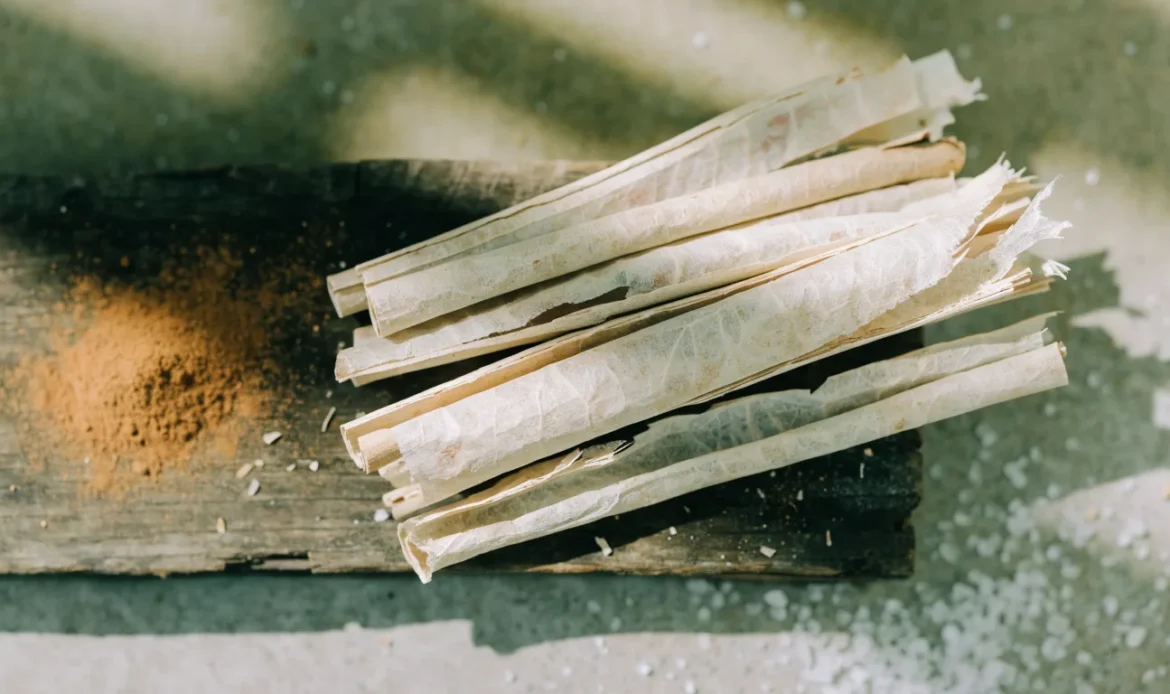
Short answer up front: “Spice Islands cinnamon” usually refers to cinnamon tied to the historic Spice Islands or to products that use that phrase. In practice the name points to cinnamon as a cooking spice. Two main species appear in markets: Ceylon (often called “true cinnamon”) and cassia. This guide explains what those terms mean, the common formats of cinnamon, how to check labels, and how to use cinnamon in the kitchen. It also notes how cinnamon is different from sea moss and other botanical ingredients.
What “Spice Islands” can mean for cinnamon
- Historically, the phrase “Spice Islands” refers to the Molucca Islands in present-day Indonesia. That region was an important node in old spice trade routes.
- Today, the words appear in product names, descriptions, and cultural references. A label that says “Spice Islands cinnamon” may mean a cinnamon inspired by that history, or it may be a brand name or marketing phrase. A label alone does not prove a single origin or species.
- The important botanical distinction is the species of the cinnamon bark. The two commonly sold types are:
- Ceylon cinnamon (Cinnamomum verum). Often described as milder and more delicate.
- Cassia cinnamon (several Cinnamomum species, commonly C. cassia). Often described as stronger and more pungent.
What you can check on a label is the scientific name (if present). What a label often cannot prove without testing is purity, exact harvest location, or whether ground spice has been blended with fillers.
Cinnamon species: simple ID and flavor notes
- Ceylon (true cinnamon)
- Appearance: quills are usually thin, layered, and break easily.
- Flavor: generally milder and subtly sweet.
- Common uses: dishes where a delicate cinnamon note is desired.
- Cassia
- Appearance: quills tend to be harder and thicker, often looking like a single solid piece of bark.
- Flavor: stronger and more astringent.
- Common uses: baking, stronger spiced dishes, and when a bold cinnamon note is wanted.
These are practical rules of thumb. Visual checks and smell tests help you choose. If a vendor lists the scientific name, that is the clearest label cue.
Forms and formats of cinnamon
Cinnamon is sold in several formats. Each format suits different kitchen uses.
- Quills (sticks or “bark”)
- Use whole in simmering liquids, stews, or for infusion.
- Good for long, slow cooking where you plan to remove the stick later.
- Ground powder
- Easy to mix into doughs, batters, and spice rubs.
- Loses aromatic strength faster than whole quills. Buy smaller quantities if you use it rarely.
- Chips and flakes
- Useful for steeping in liquids when a broader surface is needed.
- Easier to strain than powder.
- Essential oil and extract
- Concentrated forms best used in very small amounts for flavor.
- Follow recipe guidance and safety notes on concentration.
- Blends and pre-mixed spice blends
- Often combined with nutmeg, allspice, or clove.
- Read ingredient lists to know what else is inside.
Storage tip: keep cinnamon in a cool, dry, airtight container away from strong sunlight. Whole quills hold scent longer than ground powder.
Culinary and cultural context
Cinnamon appears in many cuisines worldwide. It shows up in baked goods, rice dishes, stews, beverages, and spice blends. In Caribbean kitchens, cooks often use warm spices in desserts, drinks, and some savory recipes. Cinnamon pairs well with nutmeg, allspice, vanilla, citrus, and brown sugar.
If you use sea moss or seaweed-based gels in recipes, cinnamon is a common natural flavoring choice to add warmth and sweetness without changing texture much. Remember sea moss is a seaweed and is botanically different from tree bark spices like cinnamon. Seaweed can contain variable levels of minerals such as iodine, so check reliable resources if you need guidance about seaweed ingredients [1][2]. For general safety around sea moss sold as a supplement or ingredient, see consumer guidance summaries [4].
How to choose between Ceylon and cassia: a decision guide
Use this quick decision guide to pick what fits your kitchen needs:
Decision guide (quick)
- Want a gentle, subtle cinnamon flavor for delicate desserts?
- Choose: Ceylon (if labeled) or a fine, lightly aromatic powder.
- Want a bold, assertive cinnamon note for pies or spice rubs?
- Choose: Cassia or a darker, stronger powder.
- Using long infusions (mulled drinks or stews)?
- Choose: whole quills or chips; strain before serving.
- Need convenience and fast mixing?
- Choose: ground cinnamon; store in small, airtight jars.
- Need very concentrated flavor in tiny amounts?
- Choose: cinnamon extract or oil; use with caution.
Checklist — What to check before you buy
- Scientific name on label (Cinnamomum verum vs Cinnamomum cassia).
- Form you need: quill, ground, chips, or oil.
- Packaging date or “best by” if present (helps judge freshness).
- Any certifications you care about (e.g., organic). Certification logos are helpful but don’t guarantee taste.
- Smell and texture if you can inspect the product in person.
- Seller answers: ask where the spice was harvested and how it was processed if that matters to you.
What these checks cannot prove
- A label cannot, by itself, prove absence of fillers, exact harvest practices, or contaminant levels. Laboratory testing is needed for those facts.
Simple recipes and uses
Here are a few short, practical ways to use cinnamon in home cooking.
Cinnamon tea (basic)
- Boil water.
- Add a whole quill or a half teaspoon of ground cinnamon.
- Simmer 5–10 minutes.
- Strain and serve warm.
Cinnamon sugar (for toast or baking)
- Mix 1 part cinnamon powder with 4 parts sugar.
- Sprinkle on buttered toast, or fold into batter.
Spiced sea moss gel flavoring (small batch)
- Make or buy sea moss gel.
- Stir in a small pinch of ground cinnamon per cup to taste.
- Mix well and chill. Use in smoothies or on oatmeal.
Notes: Adjust spice amounts to taste. If you use an essential oil or extract, follow concentration guidance on the product.
Buying and labeling: questions to ask a seller
If you shop in person or online, the following questions are useful:
- What is the botanical name of this cinnamon?
- Is this single-origin or a blend from multiple sources?
- When was it packaged?
- Do you have a COA (Certificate of Analysis) or lab test for contaminants if I request one?
- How should I store this product for best aroma retention?
These questions will help you gather facts. A seller’s answers can be useful but do not replace third-party lab testing for purity or contaminants.
Safety notes and how cinnamon differs from sea moss
Cinnamon is a bark-based spice. Sea moss is a seaweed (a marine alga). They are separate ingredients with different botanical sources and food uses. If you combine them in recipes, treat them as distinct components.
Seaweed can contain variable mineral levels, including iodine. The amount varies by species and harvest. If you work with sea moss as a food ingredient or supplement, consult reliable sources on seaweed variability and safety [1][2][4][5]. Those sources explain why labeling, testing, and moderation matter. This article does not offer medical advice.
Conclusion
“Spice Islands cinnamon” is a phrase that can point to history, geography, or a product label. The most useful things you can do as a buyer are: check the botanical name, pick the format that fits your recipes, and ask practical questions about packaging and sourcing. For blends with other ingredients such as sea moss, remember they are different botanically and may have separate safety or labeling considerations. If you want to explore Cinnamon products we carry or to buy in bulk, visit our product listings and pages for more information: Caribbean Botanicals (/shop/caribbean-botanicals/), Shop (/shop/), Wholesale (/wholesale/), learn more on our Learn (/learn/) page, or reach us at Contact (/contact/). You can also return to the home page Home (/).
Frequently asked questions
Is “Spice Islands cinnamon” a single species of cinnamon?
Not necessarily. The phrase can refer to a historical or marketing concept. Check the label for the botanical name to know the species.
How can I tell Ceylon from cassia at home?
Look at the quill shape. Ceylon usually has thin, layered quills. Cassia often looks thicker and harder. Smell and taste tests help: Ceylon tends to be milder.
Should I buy sticks or ground cinnamon?
Use sticks for infusions and long cooking. Use ground cinnamon for baking or blending. Whole sticks keep aroma longer than ground powder.
Can I add cinnamon to sea moss gel?
Yes, many people add a little cinnamon for flavor. Treat cinnamon and sea moss as separate ingredients. If you are using sea moss as a supplement ingredient, consult reliable resources about seaweed variability and safety [1][4].
What label information matters most?
The most useful pieces are the botanical/scientific name, the product format (stick vs powder), and packaging or processing dates if present. Certifications are useful if you rely on them, but they are different from lab purity tests.
Can a label prove a cinnamon product is pure?
A label cannot prove purity. Third-party lab testing can show purity or contaminant levels. Ask a seller for test results if purity is a major concern.
References
- [1] Harvard T.H. Chan School of Public Health, “Seaweed.” https://nutritionsource.hsph.harvard.edu/seaweed/
- [2] Smyth PPA. “Iodine, Seaweed, and the Thyroid.” European Thyroid Journal, 2021. https://pmc.ncbi.nlm.nih.gov/articles/PMC8077470/
- [4] Operation Supplement Safety, “Sea Moss in Dietary Supplements.” https://www.opss.org/article/sea-moss-dietary-supplements
- [5] Blikra MJ et al. “Consequences of acute and long-term excessive iodine intake: A literature review focusing on seaweed as a potential dietary iodine source.” 2024. https://doi.org/10.1111/1541-4337.70037