
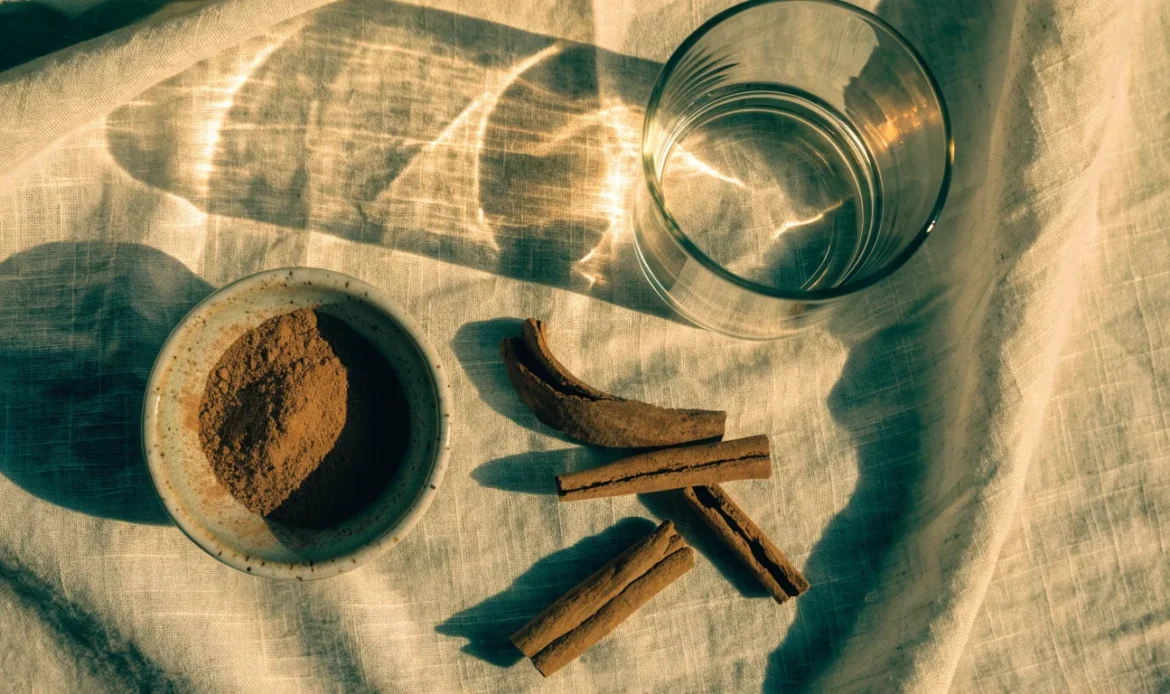
Short answer: Dried cinnamon is the bark or leaves of cinnamon trees that has been removed, dried, and sold as sticks, quills, powder, or whole leaves. People use it for cooking, baking, and flavoring. This guide explains how dried cinnamon is made, how to tell types apart, how to store and use it, and how to choose good product for home or wholesale needs.
What is dried cinnamon?
Cinnamon comes from evergreen trees in the Cinnamomum family. The bark is the most common part used. When the inner bark dries, it curls into sticks or quills. The bark can also be ground into powder. Some cultures also dry and use cinnamon leaves. Dried cinnamon is a shelf-stable spice used for flavor, aroma, and color in many dishes.
Two botanical types you will see most often:
- Cinnamomum verum — often called Ceylon or “true cinnamon.”
- Cinnamomum cassia (sometimes labeled cassia or Chinese cinnamon).
These names help you know what you are buying. They point to different flavor profiles and textures. They do not promise any health benefit.
How dried cinnamon is made (plain steps)
- Harvest: Growers cut branches or strips of bark.
- Peel: Workers remove the outer bark to get to the inner bark.
- Dry: The inner bark dries and curls into sticks. Leaves dry flat.
- Sort and pack: Dried skins and leaves are sorted, sometimes cut, then packed as whole sticks, ground powder, or dried leaves.
Processing methods vary by region and by producer. Packing and handling affect aroma and shelf life.
Forms of dried cinnamon and common uses
- Cinnamon sticks (quills): Whole curled bark. Good for simmering liquids, mulled drinks, or slow-cooked recipes.
- Ground cinnamon (powder): Made by grinding dried bark. Good for baking, spice mixes, and even some savory dishes.
- Cinnamon bark pieces: Broken or chipped bark. Useful for infusions or when a whole stick is too large.
- Dried cinnamon leaves: Flat leaves used like bay leaves in some Caribbean or Asian dishes. They have a different taste and texture from bark.
Choosing the right form depends on your recipe and how you want the spice to release flavor.
Flavor and aroma differences
- Ceylon (Cinnamomum verum): Usually milder, with delicate sweetness and more subtle aroma. The sticks are often thinner and more fragile.
- Cassia (Cinnamomum cassia): Usually stronger, spicier, and more robust. The sticks are often thicker and harder.
Saying which you will prefer is a taste choice. Try small amounts first if you are new to either type. Labels that include botanical names help you know which one you are buying.
How to check quality when you buy
You cannot tell everything from a package. Still, you can check several clear signs of quality:
- Smell: Fresh cinnamon should have a strong, warm aroma. Weak smell can mean old or poor storage.
- Look: Sticks should be tight and not crumbly. Powder should be even and not have dark lumps or debris.
- Texture: Sticks should break with a clean snap, not crumble into dust.
- Cleanliness: No mold, foreign matter, or off colors.
- Labeling: Good labels list form (stick, powder, leaf) and the botanical name if known.
If you buy in bulk for resale or food service, ask for sample or a proper product sheet to confirm the form and grade before a large purchase.
Decision guide: Which format to buy?
| Format | Best for | Pros | Cons | Checks before buying |
|---|---|---|---|---|
| Sticks (quills) | Simmered drinks, long cooking | Long flavor release; low dust | Harder to measure; needs grinding for some recipes | Look for tight curl and strong smell |
| Ground powder | Baking, quick mixes | Easy to measure and mix | Loses aroma faster; can clump | Check for uniform color and aroma |
| Bark pieces | Infusions, decor | Good middle ground | Harder to source clean pieces | Inspect for foreign bits and dryness |
| Dried leaves | Stews, regional recipes | Subtle flavor, removable | Not interchangeable with bark | Confirm leaf type and aroma |
Use this table to pick the right form for your kitchen or for a wholesale order.
Buying checklist (practical)
- Read the label: seek form, botanical name, and packing date if present.
- Smell the product if possible. Fresh aroma matters.
- Inspect for cleanliness and signs of moisture.
- Choose sticks if you need slow, steady flavor release.
- Choose ground if you need convenience and quick mixing.
- Ask suppliers about storage and shipping if buying in bulk.
- If you want a particular variety (Ceylon vs cassia), ask for the botanical name.
- For wholesale, request samples and ask about packaging size and sealing.
Storage and handling (simple rules)
- Keep cinnamon dry and away from heat.
- Store in airtight containers to protect aroma.
- Whole sticks last longer than ground powder.
- Avoid storing near the stove or sunlight.
- For bulk supplies, rotate stock: use older stock first.
Do not assume a package lasts forever. Aroma fades over time. Ground cinnamon loses scent fastest.
How to grind or use at home
- Use a spice grinder or coffee grinder reserved for spices.
- Grind in short pulses to avoid heating the spice.
- Sift ground cinnamon to remove any woody bits.
- If a recipe calls for whole bark, you can bruise sticks to release more aroma.
Keep simple tools clean to avoid cross-flavors.
Safety, labeling, and what labels cannot prove
Labels can tell you form and sometimes a botanical name. They cannot prove:
- Lab test results unless a certificate is shown.
- Shelf-life beyond general guidance unless dated.
- Safety for a person with specific allergies unless testing is done.
Read labels carefully. If you have food allergies, ask the seller about cross-contact and shared processing lines.
How cinnamon relates to sea moss and why that matters
Cinnamon is plant bark or leaf. It is not seaweed or sea moss. Do not confuse dried cinnamon with sea moss products. Sea moss and seaweed are marine ingredients that can carry naturally occurring minerals such as iodine. If you buy both spices and seaweed products, keep them labeled and stored separately. For factual information about seaweed and mineral content, see sources on seaweed and iodine. [1][4]
Conclusion
Dried cinnamon is a familiar spice with several forms. Know the differences between sticks, ground, bark pieces, and leaves. Check aroma, look, and texture before buying. Store cinnamon in a cool, dry place and choose the format that fits your recipes or business needs. If you also buy sea moss or seaweed products, keep them separate and labeled. For more on botanical spices and Caribbean botanicals, browse our selections at /shop/caribbean-botanicals/, see other items in our /shop/, explore product uses at /learn/, or contact us for wholesale questions at /wholesale/. For quick help, visit our homepage at /.
Continue reading
Frequently asked questions
Is dried cinnamon the same as cinnamon essential oil?
No. Dried cinnamon is a spice made from bark or leaves. Essential oil is a concentrated extract made by steam distillation or solvent extraction. They are different products with different uses.
How do I tell Ceylon from cassia on the package?
Look for the botanical name (Cinnamomum verum = Ceylon; Cinnamomum cassia = cassia). Packaging may also say “Ceylon” or “true cinnamon.” If the label lacks details, ask the seller.
Can I substitute cinnamon leaves for cinnamon sticks?
Not directly. Leaves have a different flavor profile and intensity. Some recipes accept the swap, while others will change in taste. Test with small amounts first.
Does ground cinnamon spoil?
Ground spice can lose aroma and quality over time. It is not dangerous at normal storage, but it will become weak. Store airtight and use before aroma fades.
What should I ask for when buying cinnamon in bulk?
Ask the supplier for the form, botanical name, sample, and packaging options. Check storage conditions and request a sample before large buys.
Can odors from other spices affect cinnamon?
Yes. Spices absorb odors. Keep cinnamon sealed and away from strong-smelling spices.
References
- [1] Harvard T.H. Chan School of Public Health, “Seaweed.” https://nutritionsource.hsph.harvard.edu/seaweed/
- [4] Operation Supplement Safety, “Sea Moss in Dietary Supplements.” https://www.opss.org/article/sea-moss-dietary-supplements