
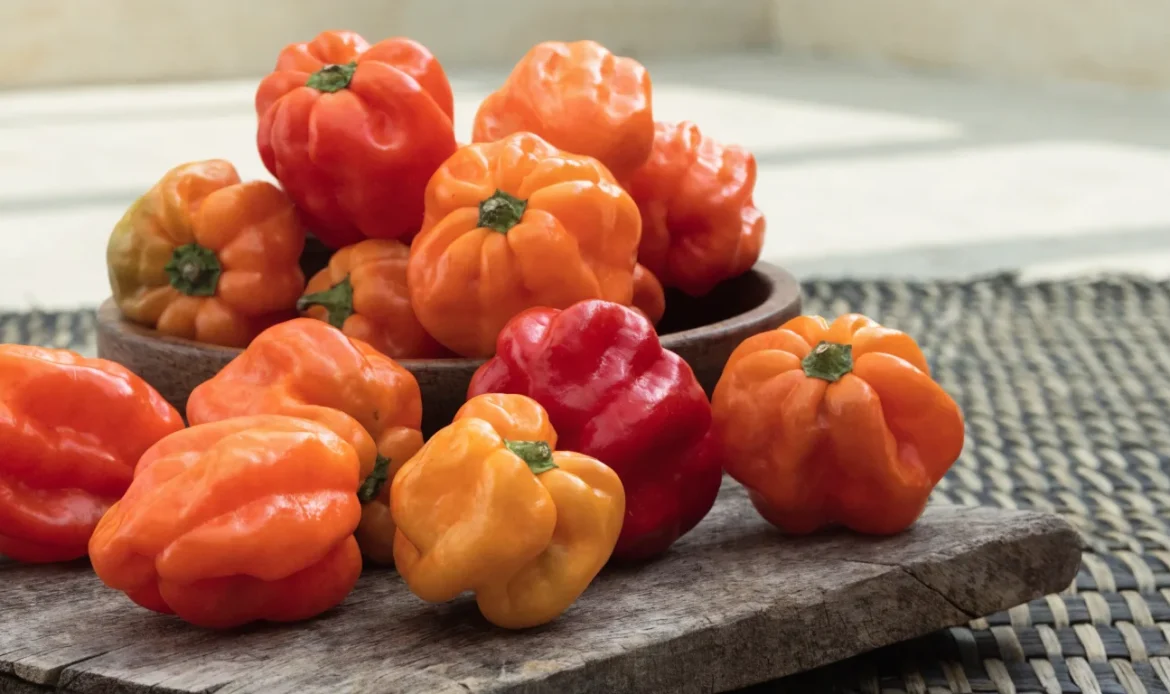
Short answer: Yes — Walmart often lists scotch bonnet products online and sometimes stocks fresh or dried scotch bonnet peppers in stores. Stock and formats vary by location. Read on for how to search, what formats you might find, how to choose the right form for your cooking, and what to check before you buy.
Why this guide: Many cooks ask whether Walmart is a reliable place for scotch bonnet peppers. This article gives clear steps to find them, compares formats, and points out questions you can check before you visit or buy. It also explains why scotch bonnet peppers are different from sea moss and other botanical items you might see on Caribbean shop pages.
What is a scotch bonnet pepper?
- Scotch bonnet is a common name for a hot pepper in the Capsicum chinense group.
- It is known for a fruity, bright heat. People in Caribbean cooking use it often in jerk, sauces, and marinades.
- Scotch bonnets come in fresh, dried, ground, flaked, and prepared sauce forms. They are different from habaneros, though related; they look similar and can be similar in heat but may taste a touch fruitier. (This is a culinary note, not a medical or nutritional claim.)
What Walmart lists and sells (formats you may find)
Walmart’s online store shows multiple scotch bonnet options. These include fresh peppers when available, dried whole peppers, ground or crushed pepper products, and bottled sauces that list scotch bonnet on the label. Stock depends on region and supplier. Check the online listings to see which formats are sold near you.
Common formats you might see at Walmart:
- Fresh whole peppers (seasonal and limited by store). (walmart.com)
- Dried whole or ground scotch bonnet. (walmart.com)
- Bottled sauces or condiments that use scotch bonnet. (walmart.com)
Note: Third‑party sellers may list scotch bonnet products on Walmart.com. Availability in your local store may differ from online listings.
How to check real-time availability at your Walmart
Before you travel to a store, do these three quick checks:
- Search Walmart.com for “scotch bonnet” and set your preferred store or enter your ZIP code. The product page will show whether the item is in stock for pickup at that store. (walmart.com)
- Look under categories such as Produce, Spices & Seasonings, or Sauces and Marinades. Different formats appear in different categories. (walmart.com)
- If your store shows no inventory, call the store customer service or ask a produce associate for their delivery days or for likely substitutions.
Why this helps: Stock at big chains is tied to distribution centers and local demand. Checking online saves you a trip and helps you plan for substitutions if needed.
How to choose the right format for your use
Below is a decision guide to help you choose: fresh, dried, ground, or sauce. Use this when you know the dish you plan to make and how long you want the pepper to keep.
| Format | Best when | Pros | Cons | Storage |
|---|---|---|---|---|
| Fresh whole | You want a bright, fruity heat and are using peppers within days. | Best fresh flavor and texture for salsas and marinades. | Short shelf life; availability varies by store. | Refrigerate tight in paper or breathable bag; use within a week if possible. |
| Dried whole or flakes | You want long shelf life and a concentrated flavor. | Long storage; easy to rehydrate or grind. | Uses may need rehydration; a bit different from fresh taste. | Store in airtight container in cool dry place. |
| Ground/powder | You want quick seasoning and even distribution. | Easy to measure and mix into dry rubs or sauces. | Flavor differs from fresh; can lose volatile notes. | Airtight jar, cool dry place. |
| Bottled sauce or puree | You want convenience and consistent heat profile. | Ready to use; blends scotch bonnet with other flavors. | May contain added ingredients; heat is blended. | Follow label; usually refrigerate after opening. |
(Do not assume a single format performs the same as fresh. If exact fresh flavor matters, fresh peppers are best when you can find them.)
Practical checklist: Before you buy scotch bonnet at Walmart
- Check online availability for your ZIP or chosen store. (walmart.com)
- Note the format you need (fresh, dried, powder, sauce).
- Read product descriptions for “country of origin” or ingredient lists if those matter to you. Don’t assume origin from packaging alone.
- If buying fresh, ask the produce associate when that store receives peppers. Delivery schedules affect freshness. (walmart.com)
- If buying dried or ground, check for “packaged by” or seller information to confirm you’re comfortable with the brand.
- After purchase: label date and storage location. Use fresh quickly; keep dried and powders sealed and dry.
Why this checklist matters: Walmart’s assortment mixes in-house stock and third‑party sellers. The checklist helps you confirm you get the right format and freshness for your recipe.
Culinary notes and cultural context
- Scotch bonnet peppers are central to many Caribbean dishes. They appear in jerk marinades, pepper sauces, soups, and stews.
- The pepper contributes both heat and fruity aroma. Recipes often balance the pepper with citrus, thyme, allspice, or other warm spices.
- If you need a milder alternative, some cooks use smaller amounts of milder peppers and build flavor with aromatics. If you need a heat match but a slightly different fruit profile, some people compare habanero and scotch bonnet — they are close cousins but not identical in flavor.
Respect the culture: When using Caribbean ingredients, follow traditional recipes if you want authentic results. When adapting, taste as you go.
Handling and safety tips (capsaicin awareness)
- Capsaicin is the compound that makes peppers hot. It can irritate skin, eyes, and mucous membranes.
- Wear gloves when cutting many hot peppers. Wash hands thoroughly after handling. Avoid touching your face.
- Keep peppers away from children and pets. Clean cutting boards and knives after use.
- If you get pepper in your eyes, rinse with cool water; seek medical care if severe irritation continues.
These are safe cooking practices. They are about comfort and preventing accidental irritation. They are not medical advice.
Substitutions and when to adjust quantities
- If you can’t find scotch bonnet at Walmart, consider these options: use a commercially labeled scotch bonnet sauce, use dried scotch bonnet, or substitute a habanero combined with a small amount of fruit puree (mango or passion fruit) to mimic fruitiness.
- Start small when substituting. Pepper heat can be uneven. Add more gradually and taste.
When Walmart may NOT be the best source
- If you need consistently fresh scotch bonnets year‑round, specialty Caribbean markets, farmers’ markets, or growers may have more reliable supply.
- For heirloom varieties or known origin claims, local growers or specialty importers often provide clearer traceability.
- If you need bulk quantities for wholesale use, check suppliers that focus on bulk produce and spices or contact the Walmart store manager to discuss larger orders.
Where else to look (quick options)
- Local Caribbean or international markets often carry fresh, dried, or bottled scotch bonnet products.
- Online specialty retailers and marketplaces sell seeds, dried peppers, and sauces.
- Grow your own: scotch bonnet peppers can be grown at home in warm climates or in a greenhouse.
Distinguishing scotch bonnet peppers from sea moss and other botanicals
You may see both “scotch bonnet” and “sea moss” referenced on Caribbean product pages. They are entirely different:
- Scotch bonnet is a land plant — a hot pepper used as a spice and ingredient.
- Sea moss refers to certain species of seaweed used as food or supplement forms. Sea moss is not a pepper and has different culinary uses and storage needs. If you are shopping on Caribbean botanicals pages, read product labels closely so you order the right item for cooking. For general information on seaweed and sea moss safety and iodine concerns, reputable sources explain seaweed’s nutritional factors and why labeling matters. [See References at the end for seaweed guidance.] (en.wikipedia.org)
What information to check on a product page (so you aren’t surprised)
- Format (fresh, dried whole, ground, sauce). (walmart.com)
- Ingredients list (especially for sauces).
- Seller or brand name (is it Walmart’s own stock or a third‑party seller?).
- Pickup/delivery availability at your selected store. (walmart.com)
- Any storage and handling notes.
If the product page omits key details you care about, contact the seller before purchase or choose another seller with clearer labeling.
A decision flow: where to buy scotch bonnet
- Do you need it today and fresh?
- Yes: Check Walmart.com for local fresh stock; call the produce department if the site shows no stock. Also check local Caribbean markets. (walmart.com)
- No: Go to step 2.
- Do you need long storage or pantry form?
- Yes: Choose dried peppers, flakes, or ground powder — these keep longer and ship well. Look for sealed, labeled packages. (walmart.com)
- No: Choose fresh or bottled sauce based on recipe needs.
- Are you buying for bulk use (restaurant or wholesale)?
- Yes: Contact wholesale suppliers or consider established bulk spice vendors. For questions about wholesale options at our shop, visit /wholesale/.
- No: Buy retail-sized packages or bottles.
This flow helps you match format to need and sourcing speed.
Next questions to ask if you still want help
- Do you need scotch bonnet fresh for a specific recipe date? If so, tell me the city or ZIP code and the date you need them; I can suggest checking steps and local options.
- Are you looking to buy in bulk for resale or for a large event? If yes, I can outline next steps and questions to ask wholesale suppliers. See /wholesale/.
- Would you like a pantry-friendly recipe that uses dried scotch bonnet or bottled sauce? Check our Caribbean botanicals collection at /shop/caribbean-botanicals/ for related ingredients.
Useful internal links:
- Browse our Caribbean botanicals: /shop/caribbean-botanicals/
- Learn more about Caribbean ingredients: /learn/
- See our shop pages for related items: /shop/
- If you need bulk or wholesale, visit: /wholesale/
- Questions? Contact us at: /contact/
- Back to home: /
Conclusion
Walmart can be a convenient place to find scotch bonnet products in several formats, but stock and format vary by location. Use online search and the store selection filters to check local availability. Choose fresh for the most authentic flavor when you can find it, dried or powdered for pantry storage, or bottled sauces for convenience. Read product pages and labels so you get the format and seller information you need. If consistency, bulk supply, or traceability matters, consider specialty markets or wholesale suppliers.
Continue reading
Frequently asked questions
Does Walmart sell fresh scotch bonnet peppers year‑round?
Not reliably year‑round. Walmart may list fresh peppers when local suppliers have them, but stock varies by region and season. Check your store’s online inventory or call the produce department.
Can I find scotch bonnet in sauce form at Walmart?
Yes. Walmart often carries bottled sauces that feature scotch bonnet. Those are easier to find and keep on the shelf longer than fresh peppers.
Is dried scotch bonnet the same as fresh in recipes?
Dried peppers have a more concentrated, slightly different flavor. Rehydrate or use less when substituting for fresh. Flavor and aroma will differ from fresh peppers.
How can I tell if a scotch bonnet product is genuine?
Check the product description, ingredient list, and seller information. For fresh produce, ask when the store received the shipment. For packaged items, look for clear labeling of the pepper type. If the page lacks detail, contact the seller.
I see sea moss and scotch bonnet on the same site. Are they related?
No. Scotch bonnet is a pepper; sea moss is a type of seaweed. They are different foods with different uses and storage. If you need seaweed information, consult reliable sources about seaweed safety and labeling in supplements and foods. See References.
References
- Harvard T.H. Chan School of Public Health, “Seaweed.” https://nutritionsource.hsph.harvard.edu/seaweed/
- Smyth PPA. “Iodine, Seaweed, and the Thyroid.” European Thyroid Journal, 2021. https://pmc.ncbi.nlm.nih.gov/articles/PMC8077470/
- Food Standards Australia New Zealand, “Survey of iodine levels in seaweed and seaweed containing products,” updated 2025. https://www.foodstandards.gov.au/science-data/monitoring-safety/surveyofiodinelevels
- Operation Supplement Safety, “Sea Moss in Dietary Supplements.” https://www.opss.org/article/sea-moss-dietary-supplements
- Blikra MJ et al. “Consequences of acute and long-term excessive iodine intake: A literature review focusing on seaweed as a potential dietary iodine source.” 2024. https://doi.org/10.1111/1541-4337.70037
- Additional web sources consulted during planning (for availability and product-format examples): Walmart product and category pages showing scotch bonnet listings and guidance on checking store inventory.