
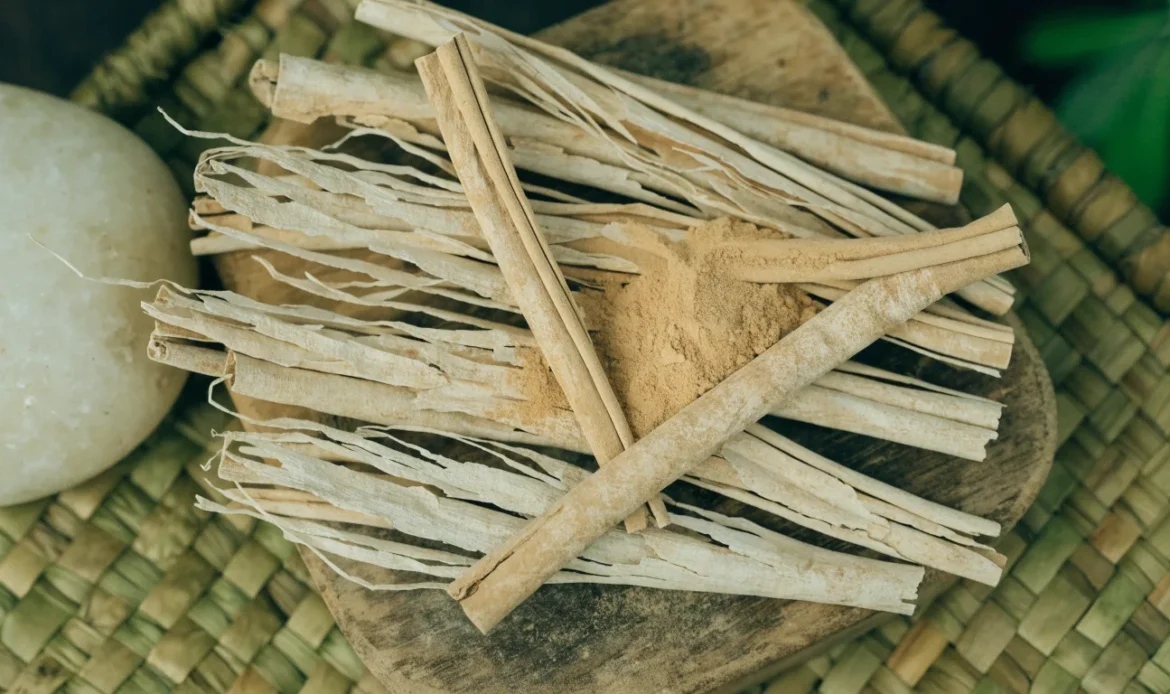
Short answer: “Crylon cinnamon” is almost always a misspelling or mislabeling of Ceylon cinnamon — the spice from the inner bark of Cinnamomum verum (often called “true cinnamon”). If you saw the word on a label or online, check the product details (Latin name, appearance, and seller information) to confirm what the seller actually means.
Why this article: you want a clear definition, practical buying and cooking guidance, and help deciding what to check next. Below you’ll find a plain definition, culinary notes, a decision checklist, buying questions, and FAQs that point to useful next steps.
What people usually mean by “Crylon Cinnamon”
- Most likely it is Ceylon cinnamon (Cinnamomum verum), sometimes spelled or scanned incorrectly as “Crylon.” Ceylon cinnamon is known as “true cinnamon” and is the inner bark of a small evergreen tree native to Sri Lanka and nearby regions. (kew.org)
- There are several related species sold as “cinnamon” in commerce. The most commonly sold alternatives are types of cassia (for example Cinnamomum cassia and C. burmanni). These are different trees and have different looks, smells, and chemical profiles. If you want “true cinnamon,” look for Cinnamomum verum or synonyms on the label. (en.wikipedia.org)
What we can check from a product label or listing:
- Latin name (Cinnamomum verum, C. zeylanicum, or similar) — best single quick check.
- Format: “sticks,” “quills,” or “ground” — whole bark often shows the thin, layered structure typical of Ceylon.
- Any photos of the product close-up — thin, multiple-layered quills suggest Ceylon; thick single-layer rolls suggest cassia.
- Ingredient list and supplier contact info — if the seller lists only “cinnamon” without Latin name, ask for clarification.
How Ceylon (Crylon) cinnamon looks and smells
- Appearance: True Ceylon cinnamon sticks are usually lighter in color and form thin, multi-layered quills that are easy to break. Cassia sticks are darker, thicker, and harder — more single-layered. (en.wikipedia.org)
- Smell and flavor: Ceylon has a mild, sweet, delicate aroma and flavor. Cassia is stronger, sharper, and often described as more astringent. Which you prefer depends on the recipe. (webmd.com)
What you can test at home:
- Rub a small piece between fingers to smell the oil. Fresh cinnamon gives a clear scent.
- Break a small piece: Ceylon tends to snap into thin layers; cassia tends to break as a hard chunk.
Culinary uses and cultural notes
- Common uses: Both Ceylon and cassia are used widely in baking, stewing, sauces, beverages, and spice blends. Ceylon is popular where a softer, more floral cinnamon taste is desired: lighter desserts, some Caribbean and South Asian dishes, and fine baking. Cassia is often used where a bold cinnamon note is needed, such as in stick form for simmering or in spice mixes. (doi.org)
- Cultural context: Ceylon cinnamon has a long history in Sri Lanka and surrounding regions and reached global trade routes centuries ago. Many cuisines use whichever local cinnamon species is traditional; there is no single “right” cinnamon for all recipes. (pureceyloncinnamon.edb.gov.lk)
Practical cooking tips:
- Use whole sticks in long-simmer sauces and hot drinks; grind fresh for fine desserts.
- When a recipe lists “ground cinnamon” it may not specify variety — if the type matters for flavor, pick the one you prefer and adjust amounts to taste.
Safety and labeling matters to check (what you can and cannot prove)
What you can verify:
- Latin name on the package (Cinnamomum verum = Ceylon).
- Visual evidence (clear product photos).
- Supplier transparency (where it was sourced from, batch info).
- Certificates offered (for example, a certificate of analysis or COA) — these show what the supplier tested for, but they do not prove every possible quality attribute.
What a label cannot prove by itself:
- That the product mix is 100% one species unless independently tested.
- That a sample is free of contaminants unless a recent, relevant lab test is provided.
- That the product is superior beyond the attributes the supplier documents.
If a seller calls their product “Crylon” and gives no Latin name or photos, treat it like an unclear label and ask for details. Sellers should be able to say whether they mean Cinnamomum verum or something else.
Practical decision checklist: How to confirm “Crylon” = Ceylon cinnamon before buying
Use this checklist to decide whether to buy a product labeled “Crylon cinnamon.” Check each box before purchase.
- [ ] Does the product label or page list a Latin name (Cinnamomum verum / C. zeylanicum)?
- [ ] Are there close-up photos of whole sticks or powder? Can you see thin layers in sticks?
- [ ] Does the seller list origin or provide supplier contact info so you can ask questions?
- [ ] Is the product described as “true cinnamon” or “Ceylon” in descriptive copy? (If yes, still confirm Latin name.)
- [ ] If buying ground cinnamon, can the seller provide a recent lab test or COA on request (if you need assurance about identity or contaminants)?
- [ ] Do you prefer a mild, sweet cinnamon flavor (choose Ceylon) or a strong, bold flavor (choose cassia)?
- [ ] For larger purchases, does the seller offer wholesale terms or samples so you can test flavor first? (Contact their wholesale team if available.)
If several boxes are unchecked, ask the seller directly before you buy.
Quick decision guide (table)
| Question | If YES — do this | If NO — do this |
|---|---|---|
| Latin name shown as Cinnamomum verum? | Likely Ceylon. Buy or request photos. | Ask seller for clarification. |
| Product photos show thin, layered quills? | Matches Ceylon appearance. | Ask for more photos or a sample. |
| Strong, sharp cinnamon aroma in description? | Likely cassia; adjust recipe expectations. | Ceylon likely — milder aroma. |
| Buying in bulk / wholesale? | Request sample and COA; negotiate terms. | Don’t buy large amounts without sample. |
| Packaging lists tests/COA? | Review COA for identity and contaminants. | Ask for COA or sample before bulk purchase. |
Storage and preparation (practical, low-risk advice)
- Whole sticks keep aroma longer than powder. Store whole sticks in a cool, dry, dark place in an airtight container. Ground cinnamon loses aroma faster because more surface area is exposed.
- If you buy ground cinnamon and want fresher flavor, consider grinding whole sticks at home using a clean spice grinder.
- Avoid moisture and direct sunlight. Spices absorb surrounding odors, so keep them away from strong-smelling foods.
I am not giving a numeric shelf-life because that depends on packaging and conditions. If shelf-life is important, ask the seller for packaging and storage details.
Botanical distinction: cinnamon vs. sea moss (important for Zen Wholesalers readers)
- Cinnamon is the inner bark of a land tree (Cinnamomum species). Sea moss is a marine seaweed (a type of algae). They are unrelated botanically and chemically.
- If you are buying from a supplier that sells both sea moss and botanicals, double-check product categories and labels. Do not assume a product labeled “sea botanicals” includes sea moss unless the item explicitly says so.
- Seaweed products can be rich in iodine and require different safety checks than dried tree bark. For information on seaweed iodine and safety considerations, see reputable sources on seaweed nutrition and iodine monitoring. These discuss iodine content and why consumers who rely on seaweed for nutrition should be informed. (ncbi.nlm.nih.gov) [1][2][3][4][5]
Why mention seaweed and iodine here? Zen Wholesalers customers may also shop for sea moss or seaweed. It’s important to be clear: cinnamon does not substitute for seaweed, and seaweed safety questions (like iodine) do not apply to cinnamon. For guidance about seaweed and iodine, consult authoritative nutrition and food-safety resources. [See References below for selected sources on seaweed and iodine.] [1][2][3][4][5]
Questions to ask sellers before buying
For small retail purchases:
- What is the Latin name listed on the packaging?
- Can I see a close-up photo (sticks or powder)?
- Where was the cinnamon harvested or processed?
- Is it whole bark (sticks) or ground? If ground, when was it ground?
For wholesale or bulk:
- Can I receive a sample and a COA before ordering? (COA shows what tests were done; it is not a guarantee of everything but is useful.)
- What packing, storage, and shipping conditions do you use?
- What is the minimum order quantity and return policy?
- Can you provide references from other buyers or customer feedback?
If you need help phrasing a request, a simple message works:
“Hello — I’m interested in your product labeled ‘Crylon cinnamon.’ Can you confirm the Latin name (Cinnamomum verum or other)? Can you send photos of the sticks and any recent COA or lab test results?”
Buying for different uses: cooking, blending, or retail
- Cooking at home: Choose based on flavor. If you like a milder, more delicate cinnamon, choose Ceylon. If you want a bolder cinnamon flavor, cassia may work better.
- Blending or retail: Ask for samples. Flavor balance in blends can change whether you use Ceylon or cassia. For consistent retail products, require the Latin name on labeling and test samples where needed.
- Wholesale: Use the checklist above. Request supplier documentation and sample shipments. If buying for resale, ensure your labeling matches regulations where you sell.
If you want to explore Caribbean-style botanicals, browse our Caribbean botanicals collection for spices and ingredients: /shop/caribbean-botanicals/. For general product categories, see /shop/. For questions about bulk orders, visit /wholesale/ or contact us at /contact/.
Conclusion
If you saw “Crylon cinnamon,” treat it as an unclear label and confirm the product details. Most often it refers to Ceylon cinnamon (Cinnamomum verum) — a milder, layered bark commonly called “true cinnamon.” Check the Latin name, look at photos (or request a sample), and ask sellers for COAs or origin information if you need higher assurance. For culinary choices, pick the cinnamon species that matches the flavor profile you want. If you buy other botanical items like sea moss from the same seller, remember cinnamon and seaweed are different categories and require different checks. For help browsing Caribbean botanicals or buying bulk, see our collection: /shop/caribbean-botanicals/, learn more at /learn/, visit our shop at /shop/, or contact our wholesale team: /wholesale/ and /contact/.
Continue reading
Frequently asked questions
Is “Crylon cinnamon” a real, separate type of cinnamon?
Almost always no. The most likely explanation is a misspelling or mislabeling of “Ceylon cinnamon” (Cinnamomum verum). When you see “Crylon,” verify the Latin name and product images.
How can I tell Ceylon (true cinnamon) from cassia at home?
Look at whole sticks: Ceylon is lighter and breaks into thin layers; cassia is darker, thicker, and hard. Smell the spice: Ceylon is milder and sweeter; cassia is stronger. If in doubt, ask the seller for the Latin name or a clear photo.
Does cinnamon contain iodine or act like sea moss?
No. Cinnamon is a tree bark spice and is different from sea moss, which is a marine algae. Iodine issues relate to seaweed products; they do not apply to cinnamon. For information about seaweed iodine, consult authoritative food-safety and nutrition sources. [1][2][3][4][5]
Is one type of cinnamon safer than another?
Both are commonly used as food spices. One chemical difference is coumarin: some cassia varieties contain more coumarin than Ceylon. For consumers with specific health concerns, check reliable sources and consult a professional. A product label or COA can help establish what’s in a particular batch.
What should I ask a seller if I want to buy in bulk?
Ask for samples, COA or lab tests, origin and processing details, and a clear Latin name on the label. Also ask about minimum order, packaging, and return policies. For wholesale contact, see /wholesale/ or reach out via /contact/.
Where can I learn more about other Caribbean botanicals and related products?
Visit our Caribbean botanicals collection at /shop/caribbean-botanicals/ and our learning hub at /learn/. For shopping, see /shop/ and for general information return to our homepage: /.
References
- Kew Science, “Cinnamon – Cinnamomum verum.”
- National Center for Complementary and Integrative Health (NCCIH), “Cinnamon: Usefulness and Safety.”
- WebMD, “Ceylon Cinnamon: Overview, Uses, Side Effects.”
- Drugs.com, “Cinnamon Uses, Benefits & Dosage.”
- Wikipedia, “Cinnamon” and related species pages.
- [1] Harvard T.H. Chan School of Public Health, “Seaweed.” https://nutritionsource.hsph.harvard.edu/seaweed/
- [2] Smyth PPA. “Iodine, Seaweed, and the Thyroid.” European Thyroid Journal, 2021. https://pmc.ncbi.nlm.nih.gov/articles/PMC8077470/
- [3] Food Standards Australia New Zealand, “Survey of iodine levels in seaweed and seaweed containing products,” updated 2025. https://www.foodstandards.gov.au/science-data/monitoring-safety/surveyofiodinelevels
- [4] Operation Supplement Safety, “Sea Moss in Dietary Supplements.” https://www.opss.org/article/sea-moss-dietary-supplements
- [5] Blikra MJ et al. “Consequences of acute and long-term excessive iodine intake: A literature review focusing on seaweed as a potential dietary iodine source.” 2024. https://doi.org/10.1111/1541-4337.70037