
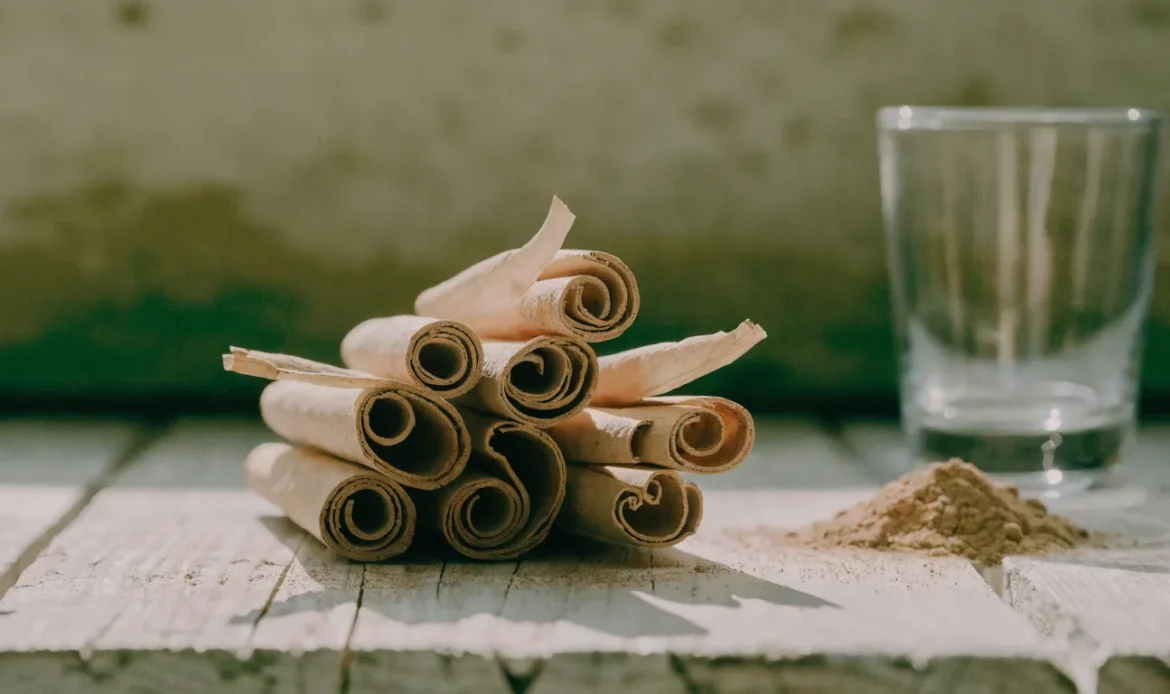
Short answer: Ceylon cinnamon is a specific type of cinnamon. It usually comes from the tree Cinnamomum verum (true cinnamon). It has a light, delicate flavor and thin, multi-layered bark when sold as sticks. If you see a product labeled “Ceylon cinnamon,” check the botanical name, the form (sticks vs ground), and clear labeling to confirm you are getting that variety.
Why this matters: buyers often see several cinnamon types on a shelf. The name, form, and labeling tell you what you are buying. This page helps you check those things. It also explains how cinnamon relates to sea moss and other Caribbean botanicals so you can shop with clear expectations.
What is Ceylon cinnamon?
Ceylon cinnamon is commonly called “true cinnamon.” The botanical name most associated with it is Cinnamomum verum. It grows in warm, tropical climates. The bark is harvested and dried. The dried bark curls into thin rolls called quills or sticks.
Forms you will find:
- Whole sticks or quills.
- Ground powder.
- Broken pieces or chips.
- Sometimes as essential oil or extracts (sold separately).
Key sensory notes:
- Lighter color than some other cinnamons.
- A mild, sweet, and slightly floral scent.
- Delicate taste that blends well in baked goods and lighter dishes.
Note: Product labeling can vary. Some sellers use the term “Ceylon” or “true cinnamon.” If the pack includes the botanical name Cinnamomum verum, that is a strong sign it is the Ceylon type.
How Ceylon cinnamon differs from other types
There are several types of cinnamon sold worldwide. Two broad categories shoppers see are “true” cinnamon (Ceylon) and the more commonly sold “cassia” group. The differences matter for flavor, kitchen use, and how the spice looks.
Simple comparison:
- Bark structure: Ceylon sticks are thin and layered. Cassia sticks are thicker and harder.
- Flavor: Ceylon is milder and more delicate. Cassia tends to be stronger and more astringent.
- Uses: Ceylon is preferred when you want a subtle, aromatic note. Cassia can stand up in bold spice blends and long cooking.
What you can check on the label:
- Botanical name (Cinnamomum verum or Cinnamomum zeylanicum) points to true/Ceylon cinnamon.
- Country or region of origin may appear but is not a guarantee of variety. Use the botanical name as the strongest clue.
- Photos or product descriptions that show quills versus thick sticks help too.
What labels cannot always prove:
- Exact growing practices, such as how the trees were farmed.
- Precise chemical content (for example, coumarin levels). These require lab testing to confirm.
How sellers present Ceylon-style cinnamon
Retailers use different formats. Here are common ones and what to expect.
Ground cinnamon
- Ready to use.
- Loses aroma faster than sticks.
- Check the label to confirm the variety.
Whole sticks (quills)
- Keep flavor longer.
- Useful in infusions and long-simmer recipes.
Powdered vs whole — trade-offs
- Ground is convenient.
- Sticks last longer and show the bark structure that helps identify Ceylon.
Avoid trusting only marketing words like “premium” or “fine.” Look for botanical names and clear product photos. If a seller mixes terms like “Ceylon-style” or “Ceylon blend,” ask for clarification about the source and botanical name.
Buying checklist: what to check before you buy
Use this short checklist when you shop online or in a store.
- Label shows the botanical name (Cinnamomum verum).
- Photo or pack shows thin, multi-layered quills for whole sticks.
- Net weight and packaging date (if available). Freshness matters.
- Country or region listed — useful, but check the botanical name too.
- Ingredient list is simple: only cinnamon. No added fillers or colors.
- Seller provides clear return policy or contact info.
- If you want organic or fair-trade, look for certs on the package. Ask the seller for details if unclear.
- Smell test (in person): expect a soft, sweet aroma — not a sharp, medicinal smell.
- For ground cinnamon: remember it fades faster. Buy smaller jars if you use it rarely.
Decision guide: ground vs sticks vs powder (quick table)
| Need | Best form | Why |
|---|---|---|
| Long storage and visible proof of variety | Sticks (quills) | They show the thin layers of Ceylon bark and hold scent longer |
| Baking and quick use | Ground | Easy to mix in doughs and batters |
| Infusions, simmered drinks, or slow cooking | Sticks | Add whole and remove; milder release of aroma |
| Travel or spice blends | Ground | More compact and convenient |
| Want to test authenticity | Sticks | Easier to inspect visually for thin layers |
How to store Ceylon cinnamon
Simple steps keep the spice fresher.
- Keep in a cool, dark cabinet away from heat and direct light.
- Use airtight containers. Glass jars with tight lids work well.
- Whole sticks last longer than ground powder. Buy ground in smaller amounts if you use it slowly.
- Do not store near the stove or oven where heat and steam reach it.
- Smell the spice every few months. If the scent is gone, the flavor is likely weak.
Avoid claims about exact shelf life. Many factors affect freshness. Visual and smell checks are the best guide.
Common culinary uses
Ceylon cinnamon fits well in many recipes. Its mild aroma pairs with fruit, dairy, and delicate baked goods.
Ideas:
- Stir a stick into hot drinks or simmered fruit.
- Add ground cinnamon to batter for lighter cakes and quick breads.
- Use sticks in poaching liquids for pears or apples.
- Combine with warm spices like cardamom or nutmeg for subtle blends.
- Infuse milk or cream with a stick for custards and puddings.
Because it is milder, Ceylon cinnamon is often chosen when you want spice without overpowering the dish.
Safety and labeling notes
This section helps you separate food-use guidance from unproven health claims.
- Cinnamon is a kitchen spice. It is used for flavor and aroma.
- Do not rely on cinnamon as a treatment for health conditions. This page does not promote medical use.
- If you have allergies, check labels and contact the seller for details.
- Some types of cinnamon contain higher amounts of compounds such as coumarin. If you are concerned about chemical content, consult a qualified health professional or ask the seller for lab results. Retail labels alone cannot prove precise chemical levels.
If you use dietary supplements or seaweed-based products as part of your routine, note that those products have different safety considerations. For example, seaweed and sea moss products can be high in iodine and may interact with thyroid health; reliable sources explain these concerns and recommend consulting a professional when needed. See References for more on seaweed and sea moss safety. See also our Caribbean botanicals collection for context. (/shop/caribbean-botanicals/)
How to compare product claims without lab tests
Retail labels and photos are helpful. But they cannot replace lab analysis. Here are practical checks you can do:
- Look for the botanical name. This is the best initial clue.
- Ask the seller for a detailed product description. Genuine sellers can share how they source and pack the spice.
- Request batch or quality testing information if you need it for business or health reasons. Some sellers provide certificates on request.
- Buy a small quantity first. Taste and aroma will tell you if it meets your needs.
- For wholesale or commercial use, ask about traceability and the seller’s supply chain practices.
What labels cannot prove:
- Exact chemical content such as specific coumarin levels.
- Farming methods unless backed by certification documents.
- Age of the spice beyond a generic packing or best-by date.
If you plan to resell or to use the spice in products, ask for documentation up front.
Cooking tips: getting the best flavor from Ceylon cinnamon
- Toast lightly in a dry pan for a few seconds to wake up whole sticks before grinding.
- Use sticks for liquids and slow-cooked dishes. They release flavor slowly.
- Add ground cinnamon later in baking to preserve volatile aromatics.
- Replace cassia with Ceylon in recipes when you want a lighter touch. You may need a little more by volume if you prefer a stronger note.
How this fits with Caribbean botanicals and sea moss
Ceylon cinnamon is a plant spice, not a sea product. Sea moss and seaweed are marine botanicals with their own uses. Some shoppers mix spices and marine botanicals in recipes or product bundles. Keep these points in mind:
- Cinnamon and sea moss are unrelated botanically. One comes from tree bark; the other from marine algae.
- Sea moss products can carry different safety concerns, such as variable iodine content. If you use sea moss or other seaweed as food or supplement, consult authoritative guidance about iodine and product safety. See References [1], [2], [3], [4], and [5] for more on seaweed and iodine.
- When you buy from a Caribbean botanicals collection, read each product’s label carefully. Different plant groups require different handling and storage.
If you want both cinnamon and sea moss, store them separately and follow the storage guidance for each product.
Practical checklist before buying (short)
- Is the botanical name listed? (Cinnamomum verum)
- Is the form shown (sticks vs ground) and pictured?
- Is the ingredient list simple and clear?
- Does the seller provide contact info or a return policy?
- Will this quantity match how often you use it? (Ground loses aroma faster.)
- For wholesale purchases, request traceability and documentation.
- If you have health concerns, ask about lab testing or consult a professional.
Where to go next
- Browse related botanical spices and Caribbean botanicals in our shop: [/shop/caribbean-botanicals/].
- See general educational articles on how we source botanicals: [/learn/].
- View our full shop: [/shop/].
- If you need wholesale information or bulk quantities, visit [/wholesale/].
- Questions about an order or product? Contact us: [/contact/].
- Back to our homepage: [/].
Conclusion
Ceylon cinnamon is a distinct type of cinnamon. It is often called “true cinnamon” and is known for a mild, delicate aroma. When you shop, look for the botanical name Cinnamomum verum, clear photos, and transparent labeling. Choose sticks for longer storage and easier inspection. Choose ground for convenience. Do not assume packaging claims prove chemical content or farming methods; ask the seller for documentation if you need that detail. If you also use sea moss or other marine botanicals, treat each item on its own terms and follow safety guidance. Use the checklist and visual brief above to help make a clear buying choice.
Continue reading
Frequently asked questions
How can I tell Ceylon cinnamon from other cinnamon on sight?
Look at sticks. Ceylon sticks are thin and form multiple thin layers. Ground cinnamon may be harder to tell. Check the botanical name on the label (Cinnamomum verum) for the best clue.
Is Ceylon cinnamon better for baking?
“Better” depends on taste. Ceylon is milder and works well in delicate baked goods. Cassia is stronger and can be better when you need a bold cinnamon flavor. Choose by taste and the dish.
Does the country of origin prove the cinnamon is Ceylon?
Not always. Country labels are informative but the botanical name is the clearer indicator. Some countries produce more than one cinnamon type. Always check the botanical name when possible.
Should I buy ground or sticks?
Buy sticks if you want longer shelf life and a visible way to check the bark. Buy ground if you want convenience. You can buy sticks and grind small amounts when needed for fresher flavor.
Can I use cinnamon with sea moss?
Yes, in culinary recipes both can be used, but they are different kinds of ingredients. Sea moss has separate storage and safety considerations. Read each product’s label and follow storage guidance.
How do I know if the seller is trustworthy?
Trustworthy sellers provide clear product photos, botanical names, ingredient lists, contact info, and return policies. For business or health-critical uses, ask for traceability or test reports.
References
- Harvard T.H. Chan School of Public Health, “Seaweed.” https://nutritionsource.hsph.harvard.edu/seaweed/
- Smyth PPA. “Iodine, Seaweed, and the Thyroid.” European Thyroid Journal, 2021. https://pmc.ncbi.nlm.nih.gov/articles/PMC8077470/
- Food Standards Australia New Zealand, “Survey of iodine levels in seaweed and seaweed containing products,” updated 2025. https://www.foodstandards.gov.au/science-data/monitoring-safety/surveyofiodinelevels
- Operation Supplement Safety, “Sea Moss in Dietary Supplements.” https://www.opss.org/article/sea-moss-dietary-supplements
- Blikra MJ et al. “Consequences of acute and long-term excessive iodine intake: A literature review focusing on seaweed as a potential dietary iodine source.” 2024. https://doi.org/10.1111/1541-4337.70037