
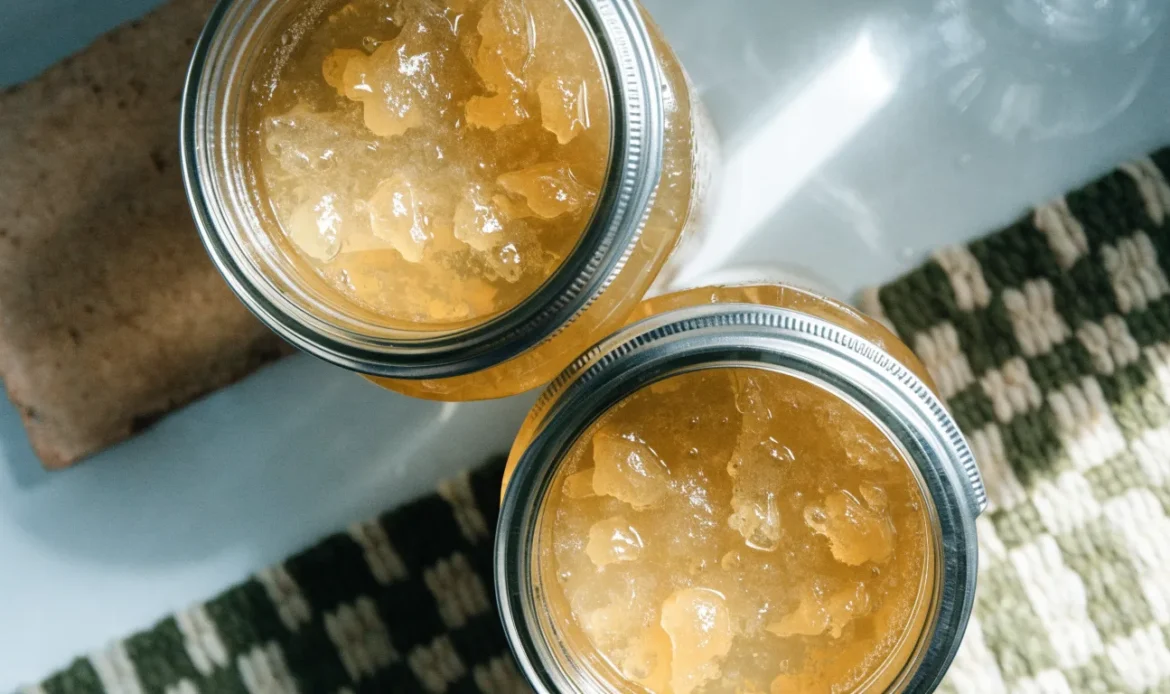
Short answer: There is no single safe number. How long sea moss stays good in the fridge depends on its form (dried, rehydrated, or gel), how it was cleaned and prepared, the container you use, and how cold and steady your refrigerator is. Use careful checks — sight, smell, texture, and container condition — and when in doubt, throw it out.
This guide puts the direct answer first. Then it gives clear, practical steps. You will get a decision checklist and next steps, even if you never buy from us.
Quick overview: forms and why they matter
Sea moss comes in three common household forms. Each one behaves differently in the fridge.
- Dried sea moss: Low moisture. It is the least perishable. It dries out or absorbs moisture from the air if left open.
- Rehydrated (soaked) raw sea moss: Higher moisture. It is more perishable because water supports microbial growth.
- Sea moss gel or puree: High moisture and neutral pH. It is the most perishable in the fridge unless handled and stored well.
Which form you have changes how you check it and how long you should expect it to stay usable. The rest of this article explains what to look for and what to do next.
What you can check at home — and what you cannot prove
You can check:
- Appearance: color shifts, mold, cloudiness, or slimy film.
- Smell: sour, rotten, or sharp off-odors.
- Texture: excessive sliminess, separation with bubbles, or a bad mouthfeel.
- Container: rust, leaks, or a bulging lid.
You cannot prove safety at home:
- You cannot tell if bacteria or pathogens are present just by smell or look.
- You cannot tell iodine levels, heavy metals, or lab contaminants by sight.
- You cannot prove a product’s shelf-life claim without test data or paperwork from the maker.
If you need lab confirmation for safety, iodine content, or contamination, seek testing from a qualified lab. For general kitchen use, rely on the checks above and conservative handling.
How to inspect sea moss in the fridge: step-by-step
Use this step-by-step check whenever you pull sea moss from the fridge.
- Look at the container first.
- Is the lid sealed or warped?
- Is there liquid leaking, or is the container bulging?
- Open the container and look at the sea moss.
- Check for visible mold (fuzzy patches in any color).
- Note if the color is much darker or different than when first stored.
- Smell it gently.
- Fresh sea moss may have a mild ocean or seaweed scent.
- Toss it out if it smells sour, rotten, or strongly chemical.
- Check texture with clean hands or a clean spoon.
- Mild slipperiness can be normal for gel.
- Heavy sliminess, slimy strings, or separation with a lot of liquid may mean spoilage.
- Watch for bubbles or fizz.
- Unexpected bubbling or fizz is a sign of fermentation or gas from microbial activity. Discard.
- Taste is optional and not recommended if you suspect spoilage.
- If you choose to taste, use a tiny amount and spit it out if anything tastes off. Better to discard than take a risk.
If any check fails, discard the product. Do not try to salvage it by cooking or using more salt — visible spoilage or off-odors are signs to throw it away.
Storage basics to keep sea moss fresh in the fridge
Good storage slows spoilage. Follow these simple steps.
- Clean containers: Use glass or food-safe plastic with tight lids. Clean and dry them well before use.
- Small portions: Store gel in small jars so you open only what you need. This cuts exposure to air and kitchen bacteria.
- Avoid cross-contamination: Use clean spoons each time. Do not use fingers or the same utensil used for other foods.
- Keep it cold and steady: Store sea moss away from the fridge door. The middle to back shelf has a more stable temperature.
- Drain excess water: For rehydrated sea moss, drain unused soaking water before refrigeration. Excess water can speed spoilage.
- Label jars: Write the date you made or opened the product. This helps you track how long it’s been stored.
These steps reduce risk but do not guarantee safety. Use the inspection checklist each time you use stored sea moss.
Handling and preparation tips before storing
Before you refrigerate rehydrated moss or gel, handle it safely:
- Rinse and sort raw dried sea moss before soaking. Remove sand, shells, or debris.
- Use clean hands and clean surfaces. Clean utensils and containers help prevent early spoilage.
- If making gel at home, blend with clean water and store immediately in a clean jar.
- Freeze any portions you do not plan to use soon. Freezing slows microbial growth and preserves texture in many cases.
Do not leave prepared sea moss at room temperature for long. Moist, room-temperature conditions speed bacterial growth.
Freezing sea moss: when and how to freeze
Freezing is a practical option when you do not need your sea moss soon. It helps keep both rehydrated moss and gel usable longer than refrigeration alone.
How to freeze:
- Use airtight, freezer-safe containers or heavy-duty freezer bags.
- Portion the gel so you can thaw only what you need.
- Leave a small headspace in containers that expand when frozen.
- Label with the date and contents.
How to thaw safely:
- Thaw in the fridge or gently under cold running water.
- Use thawed sea moss within a short time and inspect it before use.
- Do not refreeze after fully thawing unless you cooked it.
Freezing preserves quality but does not remove the need for a careful inspection after thawing.
A practical decision checklist
Use this checklist each time you handle refrigerated sea moss. It helps you decide whether to keep or discard.
Decision checklist:
- Form: Is it dried, rehydrated, or gel?
- Container: Is it clean, sealed, and intact?
- Date: Did you label when opened or made?
- Sight: Any mold, unusual cloudiness, or color change?
- Smell: Is there a sour or off odor?
- Texture: Is there heavy sliminess, film, or bubbles?
- Behavior: Does the lid bulge or is there leakage?
- Recent handling: Was a dirty spoon used, or was it left out warm?
If you answer yes to any of the sight, smell, texture, or behavior questions, discard. If all answers are no and the container and date look fine, the product is likely usable, but still inspect it each time.
When to contact a seller or a lab
Contact the seller or a lab if:
- You bought prepared gel or a product that arrived with a broken seal or bad smell.
- Packaging indicates a manufacture date or lot number and you suspect spoilage.
- You want testing for iodine, heavy metals, or contaminants. (Lab testing is the only way to confirm those levels.)
If you need support with an order, reach us: /contact/
Which form should you buy for easier storage?
Choose based on how you plan to use sea moss.
- Dried: Easier to store at room temperature. Good if you use it slowly or in small batches. You still need to protect it from moisture.
- Rehydrated or gel: Convenient and ready to use. Needs more careful refrigerator storage and faster use.
- Ready-made products: These may have instructions or expiry dates. Follow the maker’s guidance and inspect on arrival.
Want to shop or compare formats? Visit /shop/ or contact our wholesale team at /wholesale/ for bulk options.
What this guide cannot prove or guarantee
- This guide cannot prove a safe use time for every product. Different harvests, cleaning methods, and preparation steps change how long a particular sample stays good.
- You cannot determine bacterial contamination, parasites, or chemical contaminants by sight or smell alone.
- Iodine levels and other nutrient or contaminant measures require lab tests. See trusted sources for more on seaweed and iodine: Harvard T.H. Chan School of Public Health [1] and scientific reviews [2].
If in doubt about safety or product quality, discard the item or seek testing.
Useful next guides and links
- Learn more about sea moss basics and forms on our learning hub: /learn/
- If you want storage supplies or different forms to test, visit our store: /shop/
- If you buy in bulk or for a business, see options at: /wholesale/
- For general site info or help, our home page is: /
- Questions about an order or product? Reach out: /contact/
These links point to practical next steps for buying, learning, or getting help.
Conclusion
There is no single fridge-time rule that fits all sea moss. The safest approach is a mix of good storage habits and a careful inspection each time you use it. Know the form you have (dried, rehydrated, or gel). Store in clean, sealed containers. Label dates. Use the checklist here to decide whether to keep or discard. When in doubt, throw it out.
For more about forms, preparation, and choosing a product that fits your routine, visit our learning hub: /learn/ or browse options in our shop: /shop/. If you want bulk options, see /wholesale/ or contact us at /contact/.
Continue reading
Frequently asked questions
Can I tell if sea moss is bad by color alone?
Not always. Color shifts can be normal as sea moss rehydrates or varies by batch. But sudden darkening, brown spots, or green fuzzy patches are warning signs. Use color with smell and texture checks.
Is it safe to boil sea moss that smells a little off?
No. Boiling may kill some microbes but will not remove toxins or spoilage byproducts. If smell or appearance is off, discard.
Can I keep sea moss gel in the fridge if I plan to use it slowly?
Yes, you can keep it, but store in small jars, keep them sealed, and inspect each time. Freeze portions you will not use soon.
How should I thaw frozen sea moss gel?
Thaw in the fridge or under cold running water. Avoid leaving it at room temperature. Inspect after thawing before use.
Are dried sea moss and raw sea moss the same when refrigerated?
No. Dried sea moss is much less perishable. Rehydrated or gel forms are wetter and more prone to spoilage. Handle and store them differently.
Will salt preserve sea moss?
Adding salt changes taste and can slow some microbial growth, but it is not a guaranteed preservative for home storage. Follow safe storage and inspection practices instead of relying on salt alone.
References
- [1] Harvard T.H. Chan School of Public Health, “Seaweed.” https://nutritionsource.hsph.harvard.edu/seaweed/
- [2] Smyth PPA. “Iodine, Seaweed, and the Thyroid.” European Thyroid Journal, 2021. https://pmc.ncbi.nlm.nih.gov/articles/PMC8077470/
- [3] Operation Supplement Safety, “Sea Moss in Dietary Supplements.” https://www.opss.org/article/sea-moss-dietary-supplements
- [4] Blikra MJ et al. “Consequences of acute and long-term excessive iodine intake: A literature review focusing on seaweed as a potential dietary iodine source.” 2024. https://doi.org/10.1111/1541-4337.70037
- [5] Food Standards Australia New Zealand, “Survey of iodine levels in seaweed and seaweed containing products,” updated 2025. https://www.foodstandards.gov.au/science-data/monitoring-safety/surveyofiodinelevels