
Short answer
Yes — you can buy a star anise plant. Before you buy, learn how to tell the edible star anise from look-alikes, what to check on the listing, and how to care for the plant at home. This guide helps you make a safe, informed choice.
Why this guide
Many pages list “star anise tree for sale” or show dried spice only. This article explains the plant, the difference between plant and spice, what to inspect when buying, how to grow it, and how to use it in the kitchen. It also points out what sellers cannot prove online and the next questions you should ask.
What is star anise?
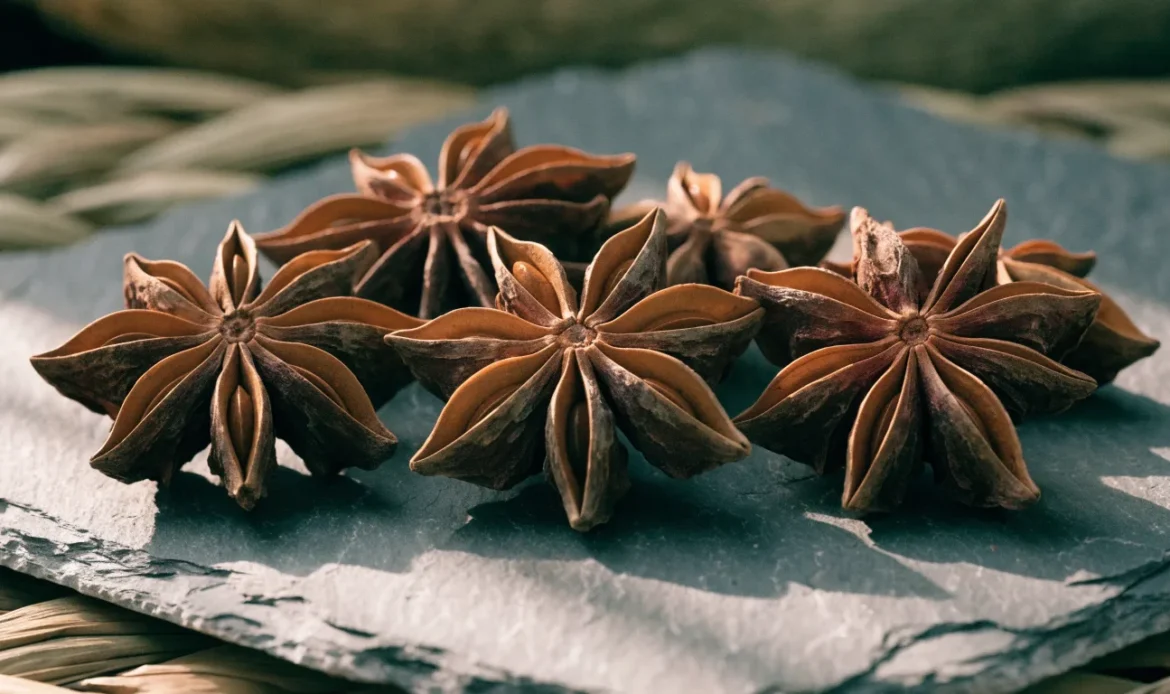
Star anise (often called by its scientific name, Illicium verum) is an evergreen shrub or small tree. The plant produces the familiar star-shaped fruit. The dried fruit is the star anise spice used in cooking. The plant is different from common anise (Pimpinella anisum), which is an herb with seeds that taste similar. Do not confuse edible star anise with some related species that are toxic; correct identification matters.
Important safety note: edible star anise vs toxic look-alikes
Some Illicium species are toxic, including Illicium anisatum (Japanese star anise), which should never be eaten. When buying a plant or dried spice, check botanical names carefully. If the seller lists only a common name (for example just “star anise”), ask for the botanical name or a photo of the plant and fruit. Do not assume all “star anise” items are edible without verification.
Is a “star anise tree for sale” the same as a “star anise plant for sale”?
Yes and no. People use both phrases. “Tree” suggests a larger, established specimen. “Plant” can mean a small potted shrub, seedling, or larger tree. Read descriptions and photos to see size, pot type, and root condition. If you need an established tree, ask for trunk diameter, height, and root condition before purchase.
What to check on any listing before you buy
- Botanical name. Prefer Illicium verum for edible star anise.
- Photos. Look for clear images of plant leaves, fruit (if any), and whole specimen.
- Plant size. Height and pot size help you plan for shipping and planting.
- Root condition. Ask whether it is potted, bare-root, or grafted.
- Hardiness or growing zone. Sellers may list climate suitability. Treat this as a guideline; microclimates vary.
- Care instructions. Basic light, soil, and watering notes show seller experience.
- Return or guarantee policy. Know whether plants can be returned if damaged in transit.
- Shipping method and protections. Live plants need fast, secure shipping.
- Phytosanitary or local shipping restrictions. Some states or countries restrict live plant imports. Check local rules.
How to inspect photos and descriptions
- Leaves: look for glossy, leathery leaves typical of Illicium species.
- Fruit: edible star anise fruit is larger than many look-alikes and forms a star shape with several points. If the listing shows the dried spice, ask for a photo of the fresh plant too.
- Labels: if a nursery label is visible, note it. Ask for the cultivar name if shown.
Buying options and what they mean
- Seedlings / small potted plants: cheaper, take longer to fruit, easier to ship.
- Larger potted plants or small trees: arrive closer to fruiting age, cost more, need stronger shipping protection.
- Bare-root or field-dug: often cheaper to ship, but check root health and planting timing.
- Cuttings: may be sold by experienced growers; rooted cuttings can be a budget route but need careful handling.
Decision guide: which purchase fits you?
| Option | Best for | Pros | Cons |
|---|---|---|---|
| Seedling / small potted plant | Home gardeners starting new | Cheaper, easier to ship, easier to pot | Years to fruit, needs time and care |
| Large potted plant / small tree | Landscapers or cooks who want fruit sooner | Sooner to fruiting, established root system | Higher cost, harder to ship |
| Bare-root | Buyers with planting experience | Lower shipping weight, often cheaper | Needs quick planting and careful handling |
| Rooted cutting | Propagators and growers | Can be affordable, faster than seed | Variable success, needs care after planting |
Growing basics: light, soil, and water
- Light: Star anise prefers filtered sun to partial shade. Young plants often like afternoon shade.
- Soil: It does best in rich, well-draining, slightly acidic to neutral soil. Add organic matter for potted plants.
- Water: Keep soil evenly moist, not waterlogged. Good drainage is essential to avoid root rot.
- Temperature: It is a subtropical species. It tolerates mild cool conditions but not heavy freezes. If you live in a colder area, grow in a container and bring it inside before frost. (Hardiness can vary by cultivar and local microclimate; ask the seller for guidance.)
Planting and potting tips
- Pot size: Start with a pot a few inches wider than the root ball. Move up one size if the plant is root-bound.
- Soil mix: Use a mix with good drainage and organic matter (peat-free mixes are available).
- Mulch: Keep mulch a few inches away from the stem to prevent rot.
- Planting depth: Plant at the same depth as in the pot. Do not bury the stem deeper than it was originally.
- Location: Choose a sheltered spot with morning sun and afternoon shade in warm climates.
Pruning, shape, and fruiting
- Prune lightly to shape and to remove crossing branches.
- A star anise plant may take a few years to reach a size that produces many fruits. Fruiting depends on plant age, local climate, and care.
- Flowers are small and can be hidden by foliage. Successful pollination and fruit set depend on local conditions.
Propagation
- Common methods: seed, semi-hardwood cuttings, and air-layering.
- Seeds can be slow to germinate and may need fresh seed.
- Cuttings rooted in a warm, humid environment often succeed faster than seed.
Pests and diseases to watch for
- Common pests: scale, aphids, and mealybugs on tender new growth. Inspect leaves and stems regularly.
- Diseases: root rot if soil stays soggy. Good drainage and careful watering reduce risk.
- Preventive steps: clean tools, quarantine new plants briefly, and inspect shipments on arrival.
Culinary and cultural context (without therapeutic claims)
- The dried fruit of Illicium verum is a common spice in many cuisines. It has a licorice-like flavor and is used whole or ground.
- Star anise is used in spice blends and cooking traditions in parts of Asia and beyond. It appears in broths, stews, teas, and baked goods.
- When using fruit from your own plant: confirm the species is Illicium verum. Do not taste or use star-shaped fruit from unknown Illicium species, as some are poisonous.
How the plant relates to sea moss (a clear distinction)
- Star anise is a land plant. Sea moss is a seaweed. They are entirely different organisms. Sea moss is harvested from the ocean and used in foods and supplements. If you are buying sea moss, check the label and product details carefully. Seaweed products can contain varying amounts of iodine and may affect people with thyroid concerns. For general information on seaweed and related precautions, see reliable resources. cite124
What sellers can and cannot prove online
- Sellers can prove size, photos, and shipping methods. Ask for recent photos of the exact plant if possible.
- Sellers cannot prove local success in your exact microclimate. Hardiness reviews are general.
- Sellers cannot guarantee fruiting time precisely. Fruit set depends on care and local conditions.
- Sellers may state botanical names; verify them. If a seller uses only a trade name, request the scientific name.
Practical buying checklist
- Does the listing show the botanical name (Illicium verum)?
- Are clear photos of the actual plant included (leaves, trunk, fruit if present)?
- Is the plant described as potted, bare-root, or a cutting?
- What is the listed size and pot diameter?
- Can the seller provide recent photos on request?
- What are the shipping protections and estimated transit time?
- Is there a return policy for live plants?
- Does the seller mention planting zone suitability or offer planting notes?
- Are there local or state restrictions on live plant shipping to your address?
- Do you have a sheltered spot or container plan for the plant on arrival?
A short decision guide for buyers
- If you are new to subtropical plants: buy a young potted plant that fits your container.
- If you want to harvest spice sooner and have space: consider a larger potted plant or small tree from a reputable nursery.
- If you must ship far or across borders: check quarantine rules and shipping times. Plants travel best with fast, protective shipping.
- If you are unsure about species: ask for the scientific name and a clear photo before buying.
Cost and availability notes
I cannot list prices, current stock, or availability here. These things change often. If you see a “star anise plant for sale” listing, use the checklist above and contact the seller with specific questions.
How to receive and inspect a shipped plant
- Inspect the plant on arrival for damage or pests.
- Open the package promptly. Keep the roots moist if you cannot plant immediately.
- Quarantine new plants for a few days away from other houseplants while you inspect for pests.
- Re-pot carefully and water in well. Follow the seller’s care notes.
When to contact the seller or a local nursery
- If leaves are discolored or the root ball smells bad on arrival.
- If you see signs of pests or mold.
- If you need help matching the plant to your local climate. Local nurseries can advise on overwintering and microclimate tips.
Suggested visual
Provide a single annotated comparison graphic that includes three labeled panels:
1) “Seedling / Small Potted Plant” — show photo of a small potted star anise seedling with label: “Easy to ship. Slower to fruit.” Include callouts: pot size, typical shipping packaging, expected years to fruit (range note: varies).
2) “Large Potted Plant / Young Tree” — show photo of a larger specimen with trunk and foliage. Callouts: trunk diameter, crown size, shipping needs, planting site.
3) “Common Look-Alikes” — show photos (or accurate botanical illustrations) of Illicium verum vs Illicium anisatum vs Pimpinella anisum (anise herb seed cluster). Annotate differences in leaf shape, fruit size, and edibility (edible vs toxic). Add a short label: “Always confirm botanical name.”
Add a margin note: “Checklist: ask seller for botanical name, recent photo, pot size, shipping method.”
Continue reading
Frequently asked questions
How long until a star anise plant produces usable fruit?
It varies. Seedlings can take several years. A larger, established plant may fruit sooner. Sellers cannot promise exact timing, because fruiting depends on care and climate.
Can I grow star anise indoors?
You can grow young plants in a container indoors where they get bright, indirect light and consistent humidity. Move them outside in warm months if you live in suitable climates. Avoid indoor locations that are too dry or too hot.
Is star anise the same as anise seed?
No. Star anise (Illicium verum) is a tree’s fruit. Anise seed (Pimpinella anisum) comes from an herb. They have similar licorice-like flavors, but they are different plants.
How do I tell edible star anise from toxic star-shaped plants?
Ask the seller for the scientific name. Illicium verum is the edible species. Illicium anisatum and some other Illicium species are toxic. If the listing lacks a botanical name, request clear photos of leaves and fruit.
Can I get seeds from a star anise I buy?
If the plant fruits and the seeds are mature, you can collect fresh seed. Germination and seed storage vary. Seeds from store-bought spice are often dried and may not be viable.
Are there shipping restrictions for star anise plants?
There can be. Live plants sometimes have quarantine or import rules across state lines or international borders. Check local regulations and ask the seller to confirm they can legally ship to your address. Where to learn more and related pages Visit our Caribbean botanicals listings for plant options at /shop/caribbean-botanicals/. Browse our shop for related herbs and spices at /shop/. Read general growing guides at /learn/. For questions, reach out through /contact/. Return to the home page at /. Conclusion A star anise plant can be a rewarding addition for gardeners and cooks who want fresh spice or an ornamental subtropical shrub. Before you buy, confirm the botanical name (Illicium verum for edible star anise), inspect photos, and use the checklist in this article. Ask the seller specific questions about shipping, returns, and the plant’s current condition. If you are new to subtropical plants, start with a small potted plant and follow basic care steps described above. When in doubt, ask for clear photos and provenance; sellers who provide these details make better choices easier.
What should I check first?
Start with the product or ingredient label, the source information, and whether the seller can answer clear questions.
Is this a replacement for professional advice?
No. Use this article as general education. Ask a qualified professional for personal medical, legal, or food-safety guidance.
Where can I learn more?
Use the Zen Wholesalers Learning Library to compare related guides and choose a useful next question.
References
- Harvard T.H. Chan School of Public Health, “Seaweed.” https://nutritionsource.hsph.harvard.edu/seaweed/
- Smyth PPA. “Iodine, Seaweed, and the Thyroid.” European Thyroid Journal, 2021. https://pmc.ncbi.nlm.nih.gov/articles/PMC8077470/
- Food Standards Australia New Zealand, “Survey of iodine levels in seaweed and seaweed containing products,” updated 2025. https://www.foodstandards.gov.au/science-data/monitoring-safety/surveyofiodinelevels
- Operation Supplement Safety, “Sea Moss in Dietary Supplements.” https://www.opss.org/article/sea-moss-dietary-supplements
- Blikra MJ et al. “Consequences of acute and long-term excessive iodine intake: A literature review focusing on seaweed as a potential dietary iodine source.” 2024. https://doi.org/10.1111/1541-4337.70037