
Short answer: If you are researching “Pappi Sea Moss Company,” treat it like any other sea moss seller. Ask clear questions about species, harvest, processing, and lab testing. Use a short checklist and sample testing before you buy large amounts.
This guide explains what to look for. It lists questions to ask. It explains what lab reports can and cannot show. It also gives a practical decision guide for buyers and wholesalers.
What people usually mean by “Pappi Sea Moss Company”
When someone types “Pappi Sea Moss Company” they are likely searching for a brand or seller of sea moss products. Sea moss products often come in these formats:
- Raw, wet sea moss (just washed and sold fresh or refrigerated).
- Dried sea moss (whole pieces, shelf-stable).
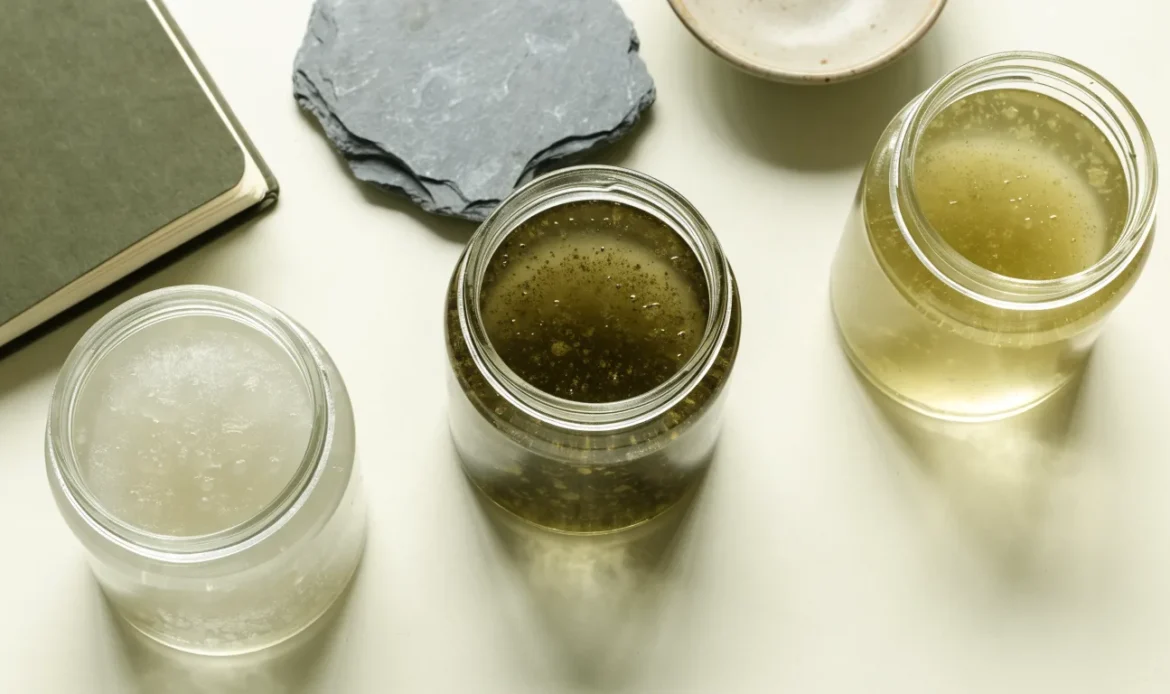
- Sea moss gel (rehydrated and blended into a gel).
- Powdered sea moss (dried and ground).
- Processed products (capsules, gummies, blended powders).
A company name alone does not tell you the product type, the origin of the sea moss, or the quality controls it uses. That is why buyers should ask targeted questions before buying.
How sea moss is commonly sourced and processed
Sea moss can be wild-harvested or farmed. It may be washed and dried on the beach. It may be dried in drying rooms, ovens, or freeze-dried. Processing steps affect texture and how long the product keeps.
Common processing steps:
- Harvest: Collected from the water by hand or tools.
- Rinse: Removed from surface grime and small animals.
- Drying: Sun-dried, oven-dried, or freeze-dried to lower moisture.
- Packaging: Packed loose, in bags, jars, or vacuum-sealed pouches.
- Rehydration or blending: For gels and powders.
Each step can change the final product. For example, how it was dried affects shelf life and how it rehydrates. But drying method alone does not prove safety or nutrient levels. You need more information to judge quality.
Key safety and quality questions to ask a seller
Never assume safety from friendly photos or marketing language. Ask these questions and expect clear answers:
- Where was the sea moss harvested?
- Why it matters: Water and local conditions affect contaminants.
- How to verify: Request the region or coastline, and harvest location details (e.g., nearest port or island).
- What species is it?
- Why it matters: Different species have different textures and uses.
- How to verify: Ask for the common and scientific name.
- When was it harvested and processed?
- Why it matters: Freshness affects quality.
- How to verify: Look for harvest dates or batch codes.
- How was it dried and stored?
- Why it matters: Drying and storage prevent spoilage.
- How to verify: Ask for the drying method and storage conditions.
- Can you provide a Certificate of Analysis (COA) or lab report?
- Why it matters: A COA can show test results for contaminants and iodine for that batch.
- How to verify: Ask for a lab report with a lab name, test date, and batch number.
- What tests were done? Ask specifically about:
- Heavy metals (lead, arsenic, cadmium, mercury).
- Microbial testing (total plate count, E. coli, Salmonella).
- Iodine content.
- Pesticides or algal toxins (if relevant).
- Can I get a sample before a large order?
- Why it matters: A sample lets you check appearance, smell, and rehydration.
- How to verify: Request a small paid or free sample.
- What are your shipping, handling, and return policies?
- Why it matters: Sea moss can be sensitive to heat and humidity.
- How to verify: Read their shipping terms and ask about returns.
Operation Supplement Safety and other safety groups advise caution with supplements and seaweed products. Ask specific testing questions. Do not accept vague answers like “we test occasionally.”
References: see Operation Supplement Safety for general guidance on sea moss products and testing.
What lab reports can show — and what they cannot prove
A lab report for a sea moss batch can show measured results for that batch on the date tested. Common tests include heavy metals, microbial counts, and iodine content.
What a COA can show:
- That a specific batch was tested.
- Measured levels for the items tested.
- The testing laboratory and date of test.
What a COA cannot prove:
- It cannot guarantee that every package from a lot has the same level. Testing is a snapshot of one sample.
- It cannot speak for future batches harvested at different times or locations.
- It cannot prove that a product is safe for all people. Individual sensitivities can vary.
Iodine levels in seaweed and seaweed products vary a lot. Scientific reviews and food safety surveys note that iodine can be high in some seaweeds. If iodine matters to you, ask for iodine testing of the specific batch. (See Smyth; FSANZ; Blikra.)
How to read test results safely
When you get a lab report:
- Check the lab name and accreditation. Accredited labs follow standard methods.
- Match the test results to the product batch number.
- Look at test dates. Older tests may not apply to fresh stock.
- For heavy metals and microbiology, compare results to local food-safety limits if you know them. If not, ask the seller for guidance on relevant limits.
- For iodine, remember levels can be high and variable. A single low measurement does not guarantee every batch will be similar. (See Smyth; Blikra; FSANZ.)
Do not try to interpret reported values without a reference. If a seller provides a COA, they should be able to explain what the results mean in plain words.
Product formats and practical handling tips
Below are common formats and what to expect when you receive them.
Raw or fresh sea moss
- Often sold wet or refrigerated.
- Expect to rinse and soak before use.
- Store cold and use quickly unless you preserve it.
Dried whole sea moss
- Shelf-stable if truly dry and kept sealed.
- Rinse and soak to rehydrate before blending into gel.
- Inspect for odd smells or signs of moisture in the bag.
Sea moss gel
- Sold refrigerated or frozen.
- Often contains water and may include other ingredients (read the label).
- Store refrigerated and use within the seller’s stated period after opening.
Powdered sea moss
- Dried and ground.
- More shelf-stable but check for added ingredients.
- Use in mixes; follow storage guidance.
Capsules and finished supplements
- Often powdered and encapsulated.
- Look for ingredient lists and third-party testing.
Basic preparation steps (non-exhaustive):
- Rinse off visible sand or debris.
- Soak in clean water until soft.
- Blend with water to make gel if desired.
- Refrigerate or freeze gel for storage.
These steps help with usability. They do not change safety questions about contaminants or iodine.
Pricing, labels, and marketing claims — what to watch for
Sea moss sellers may use terms like “wild,” “natural,” or “raw.” These words do not guarantee safety or testing. Be cautious when:
- A product has no origin or harvest date.
- A product makes broad health promises. Avoid companies that promise cures or guaranteed medical outcomes.
- A product is unusually cheap with no explanation. Low price can mean low quality or no testing.
Good signs:
- Clear origin information.
- Available batch COAs from accredited labs.
- Willingness to provide samples and answer questions.
If a seller refuses to share basic details, consider that a red flag.
Wholesale buying: extra steps for bulk buyers
If you are thinking wholesale, add these steps:
- Request a sample and corresponding COA for that sample.
- Ask about minimum order quantity (MOQ), lead times, and storage during transit.
- Ask for photos and packing lists.
- Verify return and replacement policies for damaged or nonconforming batches.
- Ask for references from other wholesale customers, if available.
For long-term supply, ask about consistency plans. Sea moss quality can change by season and location. A supplier should explain how they manage these changes.
Practical checklist: Buyer decision guide for “Pappi Sea Moss Company” or any seller
Use this checklist when assessing a seller. Score each item Yes / No / Needs more info.
- Origin and Species
- Does the seller name the harvest region and species?
- Harvest and Batch Info
- Is there a harvest date or batch code for the product?
- Processing and Storage
- Does the seller describe drying and storage methods?
- Samples
- Will the seller provide a sample before bulk orders?
- Lab Reports (COA)
- Can the seller provide a recent COA for the specific batch?
- Tests Included
- Does the COA test for heavy metals, microbes, and iodine?
- Accredited Lab
- Is the COA from an accredited lab with contact details?
- Label Transparency
- Does every product label list ingredients, net weight, and contact info?
- Shipping and Handling
- Are storage and shipping conditions described for keeping the product fresh?
- Returns and Claims
- Is there a clear return policy if product is damaged or does not match the COA?
How to use the checklist:
- If most answers are Yes, follow up with a sample and COA review.
- If many No or Needs more info, ask more questions before buying.
Note: A COA and answers reduce uncertainty but do not remove it entirely. Testing is for specific batches and times.
Interpreting iodine and safety concerns
Seaweed, including sea moss, can contain iodine. Iodine levels vary widely by species, harvest location, and processing. Scientific reviews and food-surveys note this variability and advise caution for people who must control iodine intake. (See Smyth; Blikra; FSANZ.)
If you are concerned about iodine:
- Ask the seller for iodine testing on the specific batch you plan to buy.
- Remember that a single test is a snapshot. Ask how often the seller tests and whether routine testing is performed.
Medical decisions about iodine should be discussed with a qualified health professional. Sellers and COAs cannot replace medical advice.
What you can check easily — and what you cannot prove
Things you can check:
- Product photos and labels.
- Batch numbers and harvest dates.
- COAs and lab contact details.
- Sample appearance, smell, and rehydration behavior.
- Seller answers to specific questions about processing.
Things you cannot prove from a seller’s info alone:
- Long-term consistency across seasons or future batches.
- Total absence of contaminants in every package.
- Medical effects or benefits for individuals.
A responsible seller will be transparent and provide verifiable lab reports and sample testing. If they cannot or will not, proceed carefully.
Next steps and practical links
If you want to learn more about seaweed and safety, visit our learning pages and shop options:
- Start with our Learn hub: /learn/
- Browse products and formats: /shop/
- If you want bulk options, see wholesale info: /wholesale/
- Need direct help? Contact us: /contact/
- Return to our homepage for more resources: /
These pages can help you compare formats, request samples, or ask suppliers the right questions.
Conclusion
“Pappi Sea Moss Company” as a search term points to a seller or brand. The name alone cannot prove quality or safety. The best way to decide is to ask clear questions, request batch COAs, and test a sample. Look for origin details, species, harvest date, processing steps, and third-party lab testing. Use the checklist in this guide when you contact a seller. If you plan to buy wholesale, add contract terms about testing, sampling, and returns.
Careful checking reduces risk. It does not remove all uncertainty. Testing is a snapshot in time. For health or medical questions related to iodine or supplements, ask a qualified health professional. For seller or product questions, request verifiable documents and a sample before you buy.
Continue reading
Frequently asked questions
Is “Pappi Sea Moss Company” a safe company to buy from?
The name alone does not prove safety. Check the seller’s origin info, ask for a COA for the specific batch, and request a sample. Safety depends on testing and handling, not just the company name.
What is a Certificate of Analysis (COA)?
A COA is a lab report for a tested sample. It lists what was tested and the measured values. It helps you see if that sample met certain safety or quality checks. A COA is a snapshot, not a guarantee for every package.
Can sea moss have high iodine?
Yes. Iodine in seaweed varies a lot by species and location. Some seaweed shows high iodine levels in surveys and reviews. If iodine matters to you, ask for iodine test results for the batch you plan to buy. (See Smyth; Blikra; FSANZ.)
Should I buy wholesale without testing a sample?
It is risky. Ask for a sample and the COA for that sample. For large orders, ask the supplier about batch testing routine, storage during transit, and return policies.
What lab tests are most useful for sea moss?
Common useful tests include heavy metals (lead, arsenic, cadmium, mercury), microbiology (E. coli, Salmonella), and iodine. Ask which standards the lab used and whether it is accredited.
How should I store sea moss gel and dried sea moss?
Dried sea moss should be kept cool, dry, and sealed. Gel should be refrigerated or frozen, and used within the timeframe the seller recommends. Check the seller’s storage guidance for specific products.
References
- Harvard T.H. Chan School of Public Health, “Seaweed.” https://nutritionsource.hsph.harvard.edu/seaweed/
- Smyth PPA. “Iodine, Seaweed, and the Thyroid.” European Thyroid Journal, 2021. https://pmc.ncbi.nlm.nih.gov/articles/PMC8077470/
- Food Standards Australia New Zealand, “Survey of iodine levels in seaweed and seaweed containing products,” updated 2025. https://www.foodstandards.gov.au/science-data/monitoring-safety/surveyofiodinelevels
- Operation Supplement Safety, “Sea Moss in Dietary Supplements.” https://www.opss.org/article/sea-moss-dietary-supplements
- Blikra MJ et al. “Consequences of acute and long-term excessive iodine intake: A literature review focusing on seaweed as a potential dietary iodine source.” 2024. https://doi.org/10.1111/1541-4337.70037