
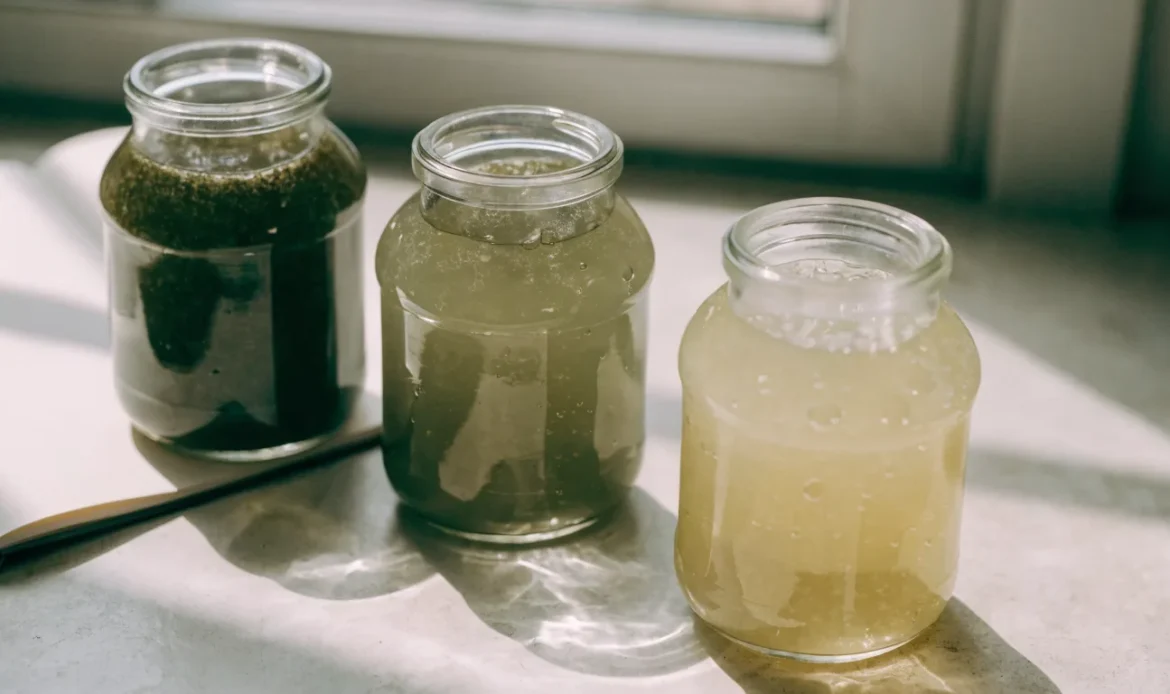
Short answer: An Austin sea moss company is a local or regional seller that buys, prepares, and sells sea moss in common formats like raw dried, gels, powders, and capsules. A good company shows where the product came from, what tests it has passed, and clear instructions for use and storage.
This guide explains what to expect from a seamoss company. It also shows how to compare formats and what safety checks to ask for. The goal is to help you make a clear, practical choice.
What is a sea moss company in Austin?
A sea moss company buys seaweed (often called sea moss) from harvesters or suppliers. The company then cleans, dries, packages, or processes the sea moss. Some companies sell retail to individual customers. Others sell larger quantities to restaurants and shops.
An Austin sea moss company can be local in Austin or operate in Texas with shipping from other places. Companies vary in size. Some focus on simple, raw dried sea moss. Others make gels, powders, capsules, or blended products.
Key services a seamoss company may offer:
- Product details and labels.
- Cleaning and drying methods.
- Lab testing information or certificates.
- Packing and shipping options.
- Wholesale terms for bulk buyers.
This article explains what to look for when you compare companies. It lists questions to ask. It explains basic safety points about sea moss, including iodine and contaminants.
Common sea moss formats
Sea moss is sold in several formats. Each format has pros and cons. This table shows the main formats and what to check before you buy.
| Format | What it is | Pros | Cons | What to check |
|---|---|---|---|---|
| Raw dried (whole pieces) | Sea moss cleaned and dried | Long shelf life. Simple ingredient list. | Needs soaking and rinsing before use. | Harvest location, drying method, weight, storage instructions |
| Gel (ready-to-use) | Rehydrated and blended sea moss in water | Easy to use in smoothies and foods. | Shorter refrigerated shelf life. | Ingredients list, refrigeration instructions, batch date |
| Powder | Dried sea moss ground to powder | Easy to measure and mix. Stable if dry. | May include fillers if not pure. | Purity statement, ingredient list, particle size |
| Capsules / tablets | Powdered sea moss in pills | Convenient. Pre-measured doses. | May hide fillers or blends. | Supplement facts panel, other ingredients, serving size |
| Blends (with other herbs) | Sea moss mixed with other ingredients | Flavor or functional blends. | Harder to tell how much sea moss is present. | Exact amounts of each ingredient, purpose of additions |
Use this table to match format to your needs. If you need a product for cooking, raw dried or gel may work best. If you want convenience, powders or capsules may fit.
How to evaluate an Austin sea moss company
Here are practical checks you can make before buying:
- Label clarity. The product should list ingredients and net weight. For supplements, expect a “Supplement Facts” panel.
- Source transparency. The company should say where the sea moss was harvested or imported from. Exact country or region is more useful than vague terms.
- Processing steps. Check whether sea moss was sun-dried, machine-dried, or freeze-dried. Each method affects handling but not health claims.
- Storage instructions. Clear instructions for refrigeration, freezing, or shelf storage are important.
- Batch or lot numbers. These help track a product if tests or recalls are needed.
- Customer service and return policy. Good sellers offer clear return or refund rules.
- Wholesale support. If you buy in bulk, check minimum order sizes, lead times, and packaging options. (See wholesale details at our /wholesale/ page.)
Do not expect a company to be able to guarantee nutrient levels or safety beyond what testing shows. Companies should share test results if they claim specific safety standards.
Safety checks and lab testing
Sea moss is a natural product. Natural products vary by source, season, and processing. That means levels of minerals, including iodine, can vary a lot. It also means contamination risks can vary.
Iodine and seaweed:
- Seaweed can contain high iodine. Iodine levels differ between species and harvest sites. High iodine can affect the thyroid when consumed in large amounts or over time [1][2].
- Regulatory agencies monitor iodine in seaweed products because of this variability [3][5].
Common lab tests to request or look for:
- Heavy metals (arsenic, lead, cadmium, mercury). These tests check for contamination from water or processing.
- Microbial testing (total plate count, yeast and mold, E. coli, Salmonella). These tests check for poor handling or storage.
- Iodine analysis. This shows the iodine concentration in the final product.
- Purity or identity tests. These confirm that the product label matches the product (species, absence of fillers).
What a test result can and cannot prove:
- A clean test result shows the sample passed testing at one time. It does not guarantee every batch will match unless the company tests routinely and publishes batch results.
- A high iodine result on one batch means you may need to limit intake. Testing data helps you plan safe serving sizes. Studies and reviews warn about acute and long-term effects of excessive iodine intake from seaweed and similar sources [2][5].
- If a company cannot show testing, you can still buy. But expect to take more care with portion sizes and frequency.
Guidance on checking tests:
- Ask for a Certificate of Analysis (COA) from a third-party lab. A COA shows the lab name, tests run, and results.
- Check the date and batch number on the COA. Match it to the product you are buying.
- Look for independent labs, not in-house testing. Third-party labs reduce conflict of interest.
Operation Supplement Safety describes how sea moss appears in supplement markets and why buyers should watch labeling and testing [4].
How to use and store different formats
Simple, practical tips for common formats. These are basic suggestions, not medical advice.
Raw dried:
- Rinse well to remove sand and debris.
- Soak in cool water for several hours until soft. Discard the soaking water if you want to reduce salts or surface residue.
- Trim any hard pieces.
- Use as directed in recipes. Store dried sea moss in a cool, dry place.
Gel:
- Gel is ready to use in smoothies, sauces, or recipes that accept thickening.
- Keep gel refrigerated. Use by the “best by” date or within a short period after opening.
- Freeze gel in portions to extend shelf life. Thaw in refrigerator before use.
Powder:
- Mix powder into liquids, smoothies, or recipes.
- Keep powder in a dry container to avoid caking or mold.
- Note serving sizes and follow company guidance.
Capsules:
- Take as described on the label.
- Keep in a cool, dry place.
General safety tip: Start with a small serving to see how your body reacts. If you have a thyroid condition or take thyroid medication, consult a health professional before adding seaweed products to your routine. Iodine content varies widely in seaweed, so individual caution is reasonable [1][2][3].
Questions to ask an Austin seamoss company before you buy
When you contact a seller or read a product page, ask:
- Where was this sea moss harvested? Be specific about region or country.
- What species is this product? (Species name helps compare iodine and texture.)
- How was it processed and dried?
- Can you provide a COA for heavy metals, microbes, and iodine for this batch?
- What is the shelf life and storage recommendation?
- Do you offer sample sizes for testing in my recipes?
- For wholesale: what are minimum order quantities, lead times, and packaging options?
- What is your return policy?
A clear and open company will answer these directly or point to a published COA and product spec sheet.
Practical decision guide (checklist)
Use this checklist when you shop. Mark each item Yes/No/Not Provided.
- Product name and format visible on page or label: Yes / No / Not Provided
- Harvest origin listed: Yes / No / Not Provided
- Species identified: Yes / No / Not Provided
- Ingredient list (just sea moss or additives listed): Yes / No / Not Provided
- Processing and drying method described: Yes / No / Not Provided
- Batch or lot number shown: Yes / No / Not Provided
- COA available for heavy metals: Yes / No / Not Provided
- COA available for microbes: Yes / No / Not Provided
- COA available for iodine (or iodine testing): Yes / No / Not Provided
- Clear storage & use instructions: Yes / No / Not Provided
- Return/refund policy visible: Yes / No / Not Provided
- Wholesale terms available if buying bulk: Yes / No / Not Provided
If several answers are “No” or “Not Provided,” you should ask the seller for details before buying. For wholesale purchases, prioritize COAs and batch traceability.
Sustainability and sourcing considerations
Sustainability claims are common. They can mean different things:
- Harvest limits. Some sellers follow quotas or seasons to avoid overharvest.
- Wild-harvest vs. farmed. Farming may reduce pressure on wild stocks, but farming methods vary.
- Transport footprint. Imported products have added shipping impacts.
What you can check:
- Does the company say how the sea moss was harvested?
- Are there any third-party sustainability labels or community monitoring statements?
- Does the seller describe local employment or fair-trade practices?
A seller’s words do not prove sustainability. But clear, detailed descriptions are a stronger sign than vague marketing claims.
Wholesale buying notes
If you are a retailer, restaurant, or maker, wholesale buying raises extra questions:
- Minimum order size. Ask if smaller test lots are available.
- Packaging options. Do they offer bulk bags, retail jars, or custom labels?
- Lead times and stock updates. Ask how often products are restocked.
- Private label and co-packing options. Some companies support private labeling.
- COAs by batch. For retail sales, keep COAs for traceability.
See /wholesale/ for possible wholesale programs and /contact/ to ask direct questions. For shopping retail, visit /shop/. For more basic learning, read /learn/.
Legal and regulatory notes
Sea moss sold as a food has different rules than sea moss sold as a dietary supplement. Sellers should follow the labeling rules that apply in their market. Operation Supplement Safety notes that sea moss appears in supplements and buyers should watch labeling and claims [4].
Be cautious of products that make specific health claims. Sellers should avoid promising disease prevention, cures, or medical outcomes. If a product makes such claims, that is a red flag.
Conclusion
An Austin sea moss company can sell many different products. To choose wisely, focus on clear labels, origin details, and lab testing. Ask for COAs and batch numbers. Match the sea moss format to how you plan to use it. If you need larger quantities, check wholesale options. Use the checklist in this guide to compare sellers.
If you want more basics about sea moss, explore our /learn/ page. To browse products, visit /shop/. For wholesale inquiries, see /wholesale/. For direct questions, contact us at /contact/. You can also return to our homepage at /.
Continue reading
Frequently asked questions
How can I tell if sea moss is real?
Check the ingredient list. Look for a single ingredient named as a seaweed species. Ask the seller for species and harvest origin. A COA or batch info adds confidence. Visual appearance, alone, is not proof.
Is it safe to eat sea moss every day?
Safety depends on iodine content and other minerals. Iodine in seaweed varies by species and source. If you plan daily use, ask for iodine testing and talk to a health professional, especially if you have a thyroid condition [1][2][5].
What does a Certificate of Analysis show?
A COA lists tests run on a sample from a batch. It usually shows heavy metals, microbial results, and sometimes iodine. Match the COA’s batch number and date to the product you buy.
Can I trust online reviews?
Reviews can help with shipping and service impressions. But they do not replace lab testing or clear product labels. Use reviews along with the checklist in this guide.
What should I do if a product label is vague?
Contact the company. Ask for harvest origin, species, processing details, and COAs. If the seller does not respond or refuses to provide basic information, consider a different supplier.
Do I need to refrigerate sea moss?
It depends on the format. Gels usually require refrigeration and have shorter shelf life. Dried sea moss can be stored at room temperature in a dry container. Follow the seller’s storage instructions.
References
- [1] Harvard T.H. Chan School of Public Health, “Seaweed.” https://nutritionsource.hsph.harvard.edu/seaweed/
- [2] Smyth PPA. “Iodine, Seaweed, and the Thyroid.” European Thyroid Journal, 2021. https://pmc.ncbi.nlm.nih.gov/articles/PMC8077470/
- [3] Food Standards Australia New Zealand, “Survey of iodine levels in seaweed and seaweed containing products,” updated 2025. https://www.foodstandards.gov.au/science-data/monitoring-safety/surveyofiodinelevels
- [4] Operation Supplement Safety, “Sea Moss in Dietary Supplements.” https://www.opss.org/article/sea-moss-dietary-supplements
- [5] Blikra MJ et al. “Consequences of acute and long-term excessive iodine intake: A literature review focusing on seaweed as a potential dietary iodine source.” 2024. https://doi.org/10.1111/1541-4337.70037