
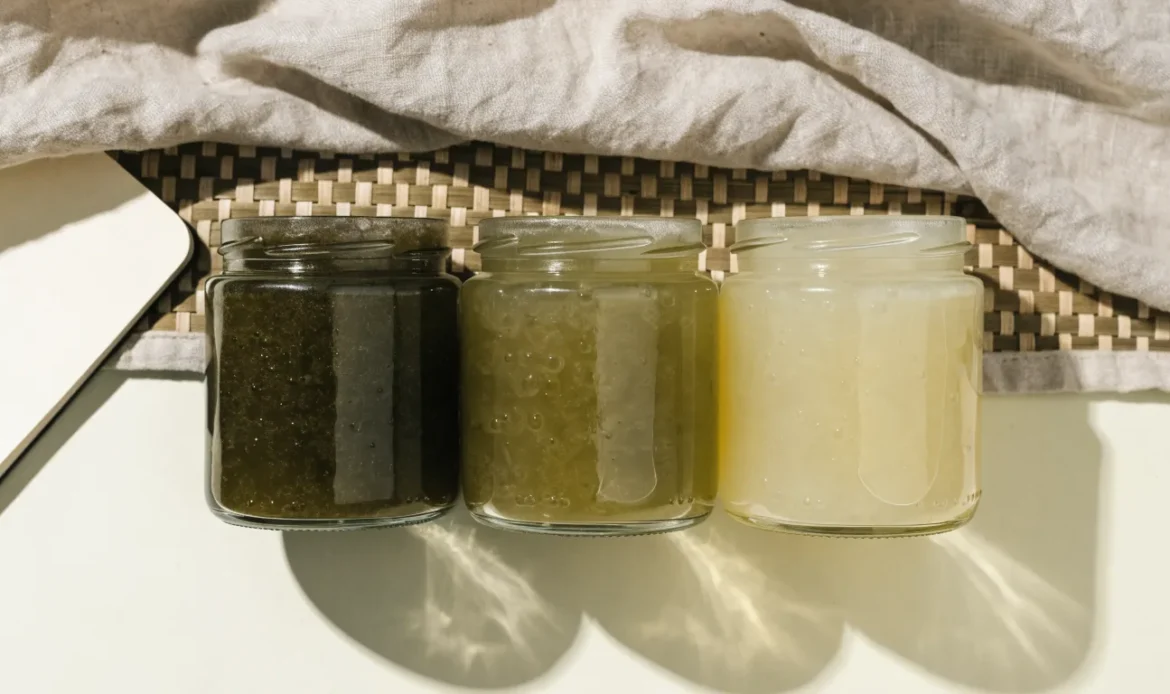
Short answer
“cgi green sea moss” is a market name you may see for green-colored sea moss. It is not a single scientific name. If you want to buy it, check the seller for clear species names, harvest location, processing method, and lab documents. Ask specific questions and get proof. This article shows what to check and what the answers mean.
Why this guide
Many labels use short names like “cgi green sea moss.” That can hide real differences. This guide explains what the name might mean. It lists what verifiable facts a seller can provide. It also gives a practical checklist you can use when you shop online or ask a supplier.
What people mean by “cgi green sea moss”
“cgi green sea moss” often appears as a product or marketing label. There is no single scientific or legal definition for that phrase. Sellers may use it to describe:
- a green color of the seaweed
- a seaweed harvested in the Caribbean or nearby waters
- a marketing shorthand that mixes origin and color
Color alone does not identify species. The same species can look different depending on where and when it grows. For clear information, ask the seller for the scientific name (for example, a Latin name) and for photos from the harvest site.
Why color can be misleading
Seaweed color varies with light, water, and the surface the seaweed grows on. Drying, cleaning, and storage also change color. A “green” sample may be wet, lightly dried, or mixed with other types. Color is useful for a quick look, but it cannot prove species or safety.
How to check origin and species
What a responsible seller can tell you
Ask for:
- The scientific name (genus and species) of the seaweed. Common names can overlap.
- The harvest region (general area or island) and the method (wild-harvest or farmed).
- The harvest or packing date, and the lot or batch number.
- Clear photos of the product and of the harvest environment.
What sellers cannot prove just from a label
- Water quality at the exact harvest moment. That requires recent, local testing.
- Exact species mix if the product has been blended. Only lab species ID can confirm this.
- That a harvest method was low-impact unless there is third-party verification.
Species identification
Some seaweed species are commonly sold as “sea moss” in retail markets. A seller willing to be transparent will list the scientific name on the product page or on request. If they cannot provide a species name, treat that as a gap in information.
Handling, processing, and why they matter
Common processing steps
- Rinsing and cleaning to remove sand and debris.
- Drying (sun, shade, or mechanical drying).
- Grinding or cutting.
- Packing as loose dried seaweed, gel, or powder.
How processing affects the product
- Sun-drying can darken or change the color.
- Mechanical drying and short processing times can preserve texture better.
- Making gel requires blending and refrigeration, and adds a liquid step that changes storage needs.
What you can ask the seller
- How was the product cleaned and dried?
- Was salt rinsed off, and how many rinses were done?
- Is the product sold raw, dried, or as a gel?
- If sold as a gel, what is the added liquid (water, juice, preservative)? Ask for a full ingredient list.
What processing cannot prove
Processing descriptions do not prove safety or the absence of contaminants. Testing is needed for that.
Tests and documents to request
Good documents and tests to ask for
- Certificate of Analysis (COA) for the lot. A COA is a lab report tied to a batch number.
- Tests for heavy metals and contaminants if you plan regular consumption.
- Iodine testing or a statement on iodine levels if you plan to consume seaweed regularly. Iodine levels vary across seaweeds. High iodine intake can matter for thyroid health in some people. Ask for a lab report that includes iodine, if relevant. (See References [2], [3], [5].)
- Microbial testing if the product is a ready-to-eat gel or product that won’t be cooked.
- Species verification if species identity matters to you.
How to read lab documents
- Check the date on the test and the lot number. The COA should match the specific batch.
- See which lab performed the testing. Accredited labs are better for reliable results.
- Note the test methods used. Different methods may detect different things.
- Ask whether the sample was taken from the exact batch you would receive.
Limits of documentation
- A COA from a different batch does not prove safety for your batch.
- Some tests are not routine unless the buyer requests them and the seller pays for them.
- Not all sellers will have full testing. That alone is not always a sign of poor quality, but it is a factor in risk and cost.
A practical buyer decision guide (table)
| What to check | Why it matters | What to ask or request |
|---|---|---|
| Scientific name of seaweed | Identifies species and helps find species-specific info | “What is the Latin name for this seaweed?” |
| Harvest region and method | Affects environmental exposure and seasonal traits | “Where and when was this harvested? Wild or farmed?” |
| Photos of harvest site and product | Shows condition and color in real settings | “Can you send recent harvest and product photos?” |
| Processing steps (drying, gel making) | Affects texture, shelf handling, and potential contamination points | “How was it cleaned and dried? Any added liquids?” |
| Certificate of Analysis (COA) with lot number | Shows lab testing for contaminants and iodine | “Can you share a COA for the lot I would get?” |
| Date of harvest/packaging and lot number | Helps track freshness and recalls | “What is the harvest date and lot number?” |
| Packaging and storage instructions | Ensures you can store safely | “How should I store this product and for how long?” |
| Supplier references or business registration | Confirms the seller is a known business | “Can you share business registration or references?” |
Use this table as a checklist during calls or messages with sellers. A seller that answers most items clearly is more transparent.
Packaging, labeling claims, and what to watch for
Common label phrases and how to read them
- “Wild harvested” or “hand-harvested”: Ask how this was verified and whether there is proof like harvest photos, permits, or third-party oversight.
- “Organic”: Seaweed can be sold as organic in some systems, but the label should list the certifier. Ask for the certifier’s name and document.
- “CGI” or other short codes: These are marketing terms. Ask what they stand for in that seller’s listing.
Watch for vague claims
Labels that make broad health claims or promise cures should raise caution. Sellers may include general food uses, but they should not make medical claims. If a seller uses health language you find doubtful, ask for scientific backing and independent lab reports. Remember that lab reports show chemical and microbial results. They do not prove health effects.
Buying formats and how they differ
Common formats you will find
- Whole dried seaweed: Leaves or pieces that are dried. These are often rehydrated before use.
- Loose dried cut seaweed: Cleaned and cut into smaller pieces.
- Sea moss gel: Often made by soaking and blending dried seaweed with water. Gel needs refrigeration.
- Powdered or capsules: Dried seaweed processed into powder and possibly placed in capsules.
What format implies for handling
- Dried whole or cut seaweed is usually stable and stored dry in a sealed bag.
- Gel is perishable and usually requires refrigeration. Ask packaging and shelf-life questions.
- Powders and capsules should list ingredient sources and processing.
What format cannot prove
Format does not prove origin or testing. A gel can be made from any dried seaweed source. Ask the same origin and test questions for any format.
Storage and simple safety steps after purchase
General steps to store sea moss safely
- Keep dried seaweed in a cool, dry place in a sealed bag.
- Store gel in the refrigerator and follow the seller’s storage instructions.
- If you are unsure about the product or its handling, contact the seller and ask for guidance.
Handling steps
- Rinse dried seaweed before rehydrating to remove dust or sand.
- Make and store small gel batches if you are uncertain about microbial handling.
- When in doubt, cook seaweed if your intended use allows it. Cooking is a common food-safe practice that reduces some microbial risks. Cooking does not remove chemical contaminants like heavy metals or iodine.
Questions to ask when buying wholesale
If you plan to buy in bulk, add these business questions
- Minimum order quantity and price per unit for the batch.
- Lead time from order to shipment and the shipping method.
- Whether the seller can provide a COA for each lot shipped.
- Sample policy: Can you receive a small sample or a photo of the packed lot before purchase?
- Traceability: Can the seller trace the product back to a specific harvest date and location?
Make a sample order first
For a new supplier, consider ordering a small sample or a single lot before committing to a large purchase. Inspect samples and lab documents for that lot.
What sellers can usually provide and what they cannot
Typically available
- Species name and general harvest region.
- Photos of product and sometimes harvest site.
- Processing steps and storage direction.
- Packaging details, batch numbers, and dates.
- Lab reports when tests are ordered and paid for by the supplier.
Often not available without extra cost
- Full water quality testing at the exact location and time of harvest.
- Extensive panels of contaminant testing for every lot unless the seller pays for them.
- Third-party certification without prior arrangement.
If a seller cannot answer or refuses reasonable questions, you can:
- Ask for another supplier or a sample.
- Request a refund policy and clear return terms.
- Walk away if you cannot get documentation for safety concerns important to you.
Useful next steps and resources
- Use the buyer decision guide above when you contact sellers.
- Ask for a sample and a COA that matches the sample’s lot number.
- If you want more background on seaweed as food and variability, read general resources such as the Harvard T.H. Chan School of Public Health. (See References [1].)
You may also find our pages helpful:
- Learn more about where we grow and how we work: Our Farm
- For general seaweed information: Learn
- Browse product formats and small orders: Shop
- For larger orders and business questions: Wholesale
- Back to home: [/]
Conclusion
“cgi green sea moss” is a market label, not a single scientific term. The best way to buy with confidence is to ask clear questions. Get the species name, harvest region, processing steps, and a lot-specific COA when possible. Use the table in this article as a checklist. A transparent seller will answer these questions or explain why some documents are not available. If they cannot give clear information, consider looking for another supplier or asking for a small tested sample first.
Frequently asked questions
What does “cgi” stand for in “cgi green sea moss”?
There is no universal meaning. It can be a seller shorthand. Ask the seller what they mean by “cgi” and for a clear species name and origin.
Is green sea moss better than other colors?
Color alone does not prove quality. Green may reflect fresh or lightly dried seaweed, but the same species can vary in color. Ask for species and testing instead of relying on color.
How can I check iodine levels before I buy?
Ask the seller for a COA that includes iodine testing. Iodine varies widely across seaweeds and testing is the only reliable way to know levels. See References [2], [3], [5] for general information on iodine in seaweed.
Should I prefer wild-harvested or farmed sea moss?
Both can be fine. Wild harvest and farming have different environmental and traceability profiles. Ask for harvest method details, photos, and testing. Choose what fits your priorities.
What lab tests are most useful for safety?
Typical tests include heavy metals, microbial testing (for gels or ready-to-eat products), and iodine. The tests you need depend on how you will use the product.
Can I trust a seller who has no COA?
No COA does not always mean unsafe, but it reduces transparency. If testing matters to you, request a COA before buying. For wholesale or regular use, insist on batch-specific COAs.
References
- [1] Harvard T.H. Chan School of Public Health, “Seaweed.” https://nutritionsource.hsph.harvard.edu/seaweed/
- [2] Smyth PPA. “Iodine, Seaweed, and the Thyroid.” European Thyroid Journal, 2021. https://pmc.ncbi.nlm.nih.gov/articles/PMC8077470/
- [3] Food Standards Australia New Zealand, “Survey of iodine levels in seaweed and seaweed containing products,” updated 2025. https://www.foodstandards.gov.au/science-data/monitoring-safety/surveyofiodinelevels
- [4] Operation Supplement Safety, “Sea Moss in Dietary Supplements.” https://www.opss.org/article/sea-moss-dietary-supplements
- [5] Blikra MJ et al. “Consequences of acute and long-term excessive iodine intake: A literature review focusing on seaweed as a potential dietary iodine source.” 2024. https://doi.org/10.1111/1541-4337.70037