
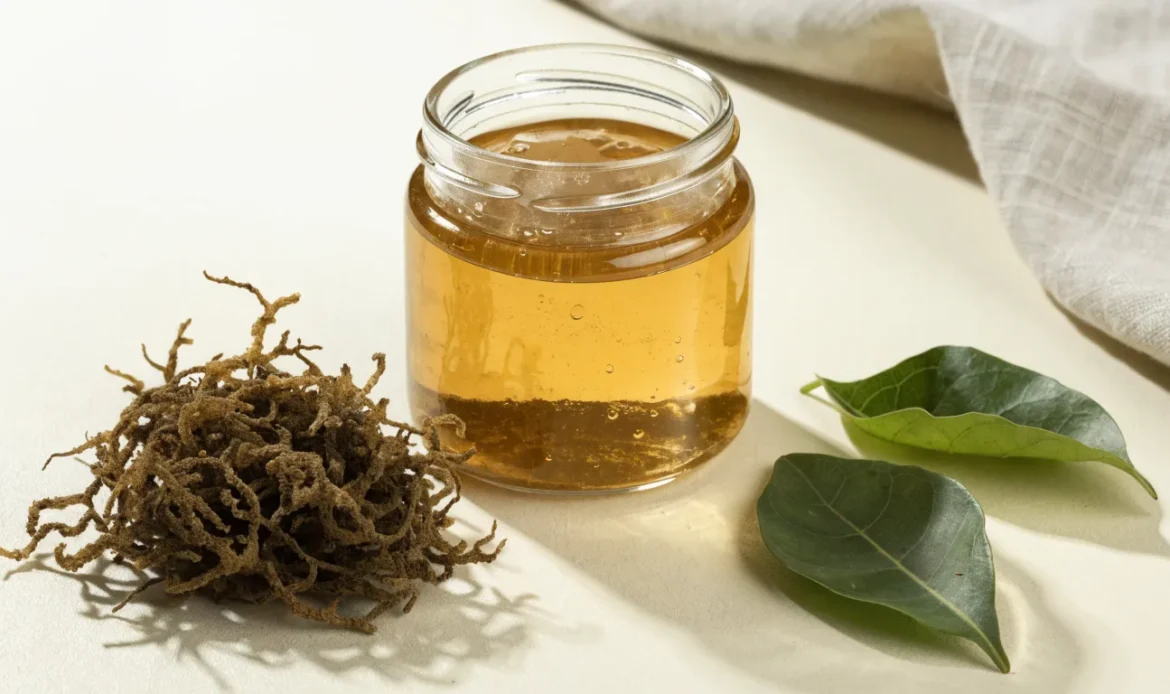
Short answer first: Sea moss is a type of edible seaweed. It provides minerals, some fiber, and bioactive plant compounds. People use it as a food and in supplements. Many of its claimed benefits come from its nutrient content and from traditional use. Good human trials are limited, so most benefits are possible or likely rather than proven.
Quick list of the top 10 benefits people talk about
- Source of iodine and other minerals
- Source of dietary fiber and gel-forming polysaccharides
- Helps add low-calorie bulk to food (satiety)
- Provides small amounts of vitamins and antioxidants
- May support digestion by adding soluble fiber
- Useful as a food thickener or texture agent
- Can be a plant-based ingredient for vegans and vegetarians
- May support healthy skin when used topically (traditional use)
- Easy to add to smoothies and recipes for mild flavor and nutrients
- Available in many forms for retail or wholesale use
Below I explain each item, how strong the evidence is, and what you can check before buying or using sea moss.
How I present evidence here
- Food composition: what is in seaweed based on lab analyses.
- Traditional use: how people have used sea moss historically.
- Early research: lab studies or small human studies.
- Clinical proof: large, well-controlled trials — these are mostly missing for many sea moss claims.
I use plain language and point out uncertainty. Where a claim needs more proof, I say so.
1. Iodine source and mineral content
What it is: Sea moss, like many seaweeds, can supply iodine and other trace minerals. Iodine is needed to make thyroid hormones. Seaweed is one of the best food sources of iodine. [1]
Evidence strength: Strong that seaweeds contain iodine. Less clear on how much a person needs from sea moss specifically. Too much iodine can affect the thyroid in some people. [2] [5]
What to check: If you use sea moss often, check product iodine information, or ask the seller for lab data. If you have a thyroid condition, talk with a clinician before adding sea moss to your routine.
2. Dietary fiber and polysaccharides
What it is: Sea moss contains soluble fiber and unique polysaccharides. These can form a gel when mixed with water. The gel is useful in foods and may slow digestion of some foods.
Evidence strength: Strong for the presence of soluble fiber. Limited direct human trials showing long-term health effects from sea moss fiber specifically. [1]
What to check: If you need more fiber, whole foods like beans, oats, and vegetables have strong evidence. Sea moss can add fiber but usually in smaller amounts per serving.
3. Adds low-calorie bulk to meals
What it is: When sea moss is made into a gel, it adds volume and thickness to foods and drinks with few extra calories.
Evidence strength: Logical and simple. Adding low-calorie bulk can help people feel fuller. This is a food effect, not a medical treatment.
What to check: Label calories and serving sizes. Use the gel as an ingredient, not a substitute for a balanced meal.
4. Small amounts of vitamins and antioxidants
What it is: Sea moss contains some vitamins and antioxidant compounds. The type and amount vary by species and location.
Evidence strength: Presence of vitamins and antioxidants is supported by food analyses. The clinical impact of these small amounts when taken as a typical serving is unclear. [1]
What to check: Look for product lab results that list nutrient values per serving. Do not assume large vitamin doses from sea moss alone.
5. May support digestion via soluble fiber
What it is: Soluble fiber helps create a gel in the gut. This can slow digestion and support steady stool consistency for some people.
Evidence strength: Strong for soluble fiber effects in general. Limited direct clinical trials showing sea moss alone improves digestion outcomes. [1]
What to check: If you have digestive conditions (IBS, Crohn’s, etc.), ask a clinician before trying sea moss as a remedy.
6. Culinary uses: thickener and texture agent
What it is: Sea moss gel works like other thickeners (gelatin, agar, xanthan). It can make smoothies, soups, and desserts thicker and creamier.
Evidence strength: Practical and well established in cooking and traditional use. This is a clear, non-medical benefit.
What to check: If you sell or make products, test texture, shelf life, and how it interacts with other ingredients.
7. Plant-based nutrient ingredient for vegans and vegetarians
What it is: Sea moss is plant-based. It can add minerals and texture to meals for people on plant diets.
Evidence strength: Food composition supports this use. Sea moss is not a complete source of all nutrients. [1]
What to check: Use sea moss as a complement, not a sole source of nutrients. Pair it with diverse plant foods.
8. Topical or traditional skin use
What it is: In some traditions, sea moss is used on the skin for moisture or texture.
Evidence strength: Mostly traditional and lab-based reports. Few well-designed human trials test topical benefits of sea moss. The safety and effect depend on product purity and formulation.
What to check: For topical use, consider patch testing on a small skin area first. Ask manufacturers for safety and preservative details.
9. Easy way to add mild sea flavor and nutrients
What it is: Sea moss has a mild ocean taste. You can add it to foods without changing flavor a lot.
Evidence strength: Culinary, not medical. It is a simple way to add nutrients that seaweeds contain. [1]
What to check: Taste-test small amounts. Some people prefer it mixed into strong-flavored foods or smoothies.
10. Available in forms for retail and wholesale
What it is: Sea moss is sold dried, raw, powdered, gelled, and as supplements. That makes it flexible for food makers and stores.
Evidence strength: Market fact. Forms differ in shelf life and handling. Supplements can vary in content and quality. [4]
What to check: If you buy or sell sea moss, request lab data on iodine and contaminants. Check how the product was processed and stored.
Evidence strength ladder (how to read claims)
- Food composition: What labs find in the seaweed (strong). [1]
- Traditional use: How people have used sea moss for centuries (useful, not proof).
- Early research: Lab and small human studies (promising, not conclusive).
- Clinical proof: Large, high-quality human trials (mostly missing for many sea moss claims).
Practical checklist: Should you try sea moss?
Use this checklist before you buy or use sea moss.
- Purpose: Do you want it for cooking, texture, or a nutrient boost?
- Form: Dried, gel, powder, or capsule? Choose based on use.
- Product data: Ask the seller for lab tests for iodine, heavy metals, and microbial safety.
- Iodine check: If you plan regular use, check iodine content or lab results. [2] [5]
- Medical conditions: If you have thyroid disease, take thyroid medicine, or are pregnant, talk to your clinician first. [2]
- Allergies: Check for seafood or seaweed allergies. Do a small test dose if unsure.
- Quality: Prefer suppliers who can provide harvest details and testing. [4]
- Storage and shelf life: Note how to store gel vs dried sea moss.
- Regulatory note: Supplements are not regulated the same way as foods or medicines. Use caution and ask for independent lab checks. [4]
How to start using sea moss safely (general steps)
- Start with sea moss as a food ingredient, not a treatment.
- Use small amounts to test taste and tolerance.
- Keep a food diary if you try it for weeks. Note any changes.
- If a product lists iodine, compare it with other iodine sources in your diet.
Safety and when to ask a clinician
Sea moss can be safe as a food for many people. But there are real safety points to watch.
- Iodine levels vary a lot between seaweed species and harvests. Some seaweeds have very high iodine. [2]
- Too much iodine can harm the thyroid. People with thyroid issues or those on thyroid medicine should consult a clinician. [2] [5]
- Supplements and raw seaweed products may vary in purity and dose. Some may contain contaminants or not match the label. Ask for third-party testing when possible. [4]
- If you are pregnant, breastfeeding, have heart disease, or take regular medication, talk to your clinician before using sea moss regularly.
- Stop use and seek medical advice if you get new symptoms (rash, stomach upset, palpitations, or signs of thyroid change).
If you need a clinician’s opinion, bring product labels and any lab test results the seller provides. A clinician can help you compare total iodine from food, water, and supplements.
How to evaluate a sea moss product or brand
- Lab reports: Look for independent lab testing that checks iodine and contaminants. [4]
- Source and harvest: Know the species and where it was harvested. Geographic differences change composition.
- Formulation: Dried and raw sea moss behave differently than powders or capsules.
- Shelf life and preservatives: Ask how long the product stays safe and how to store it.
- Transparency: Good sellers share test results and clear sourcing info.
Practical decision guide for retailers and buyers (table)
Product type | Good for | Key checks
—|—:|—
Dried sea moss | Culinary use, long shelf life | Species, harvest region, visible debris
Sea moss gel | Ready-to-use in smoothies | Refrigeration needs, preservatives
Powdered sea moss | Supplements & powders | Additives, particle size, lab tests
Capsules | Easy dose form | Label accuracy, third-party testing
Raw fresh sea moss | Traditional recipes | Storage, microbial tests
Use the table to match product form to your needs. Ask manufacturers for testing when you plan to resell.
Links to learn more and next steps
- Visit our main Learn hub for more guides: Learn
- See product options in our store: Shop
- If you buy large quantities, read our wholesale page: Wholesale
- Contact us for lab-data questions or sourcing info: Contact
- Back to home: Home
Conclusion
Sea moss offers clear food-level benefits. It provides minerals like iodine, soluble fiber, and useful texture for cooking. Many other health claims are based on early research or traditional use. Strong clinical trials are limited. Before you add sea moss to your daily routine, check product lab data, think about your total iodine intake, and talk to a clinician if you have health conditions. If you are buying for food or retail, ask suppliers for testing and clear sourcing details.
If you want more practical help, start with the Learn (/learn/) hub, browse options in our Shop (/shop/), or contact us for sourcing questions: Contact (/contact/). For larger orders, see Wholesale (/wholesale/).
Frequently asked questions
Is sea moss the same as other seaweed?
Sea moss is one type of edible seaweed. Different seaweeds have different nutrient profiles. Ask the seller which species you are buying. [1]
Will sea moss fix a thyroid problem?
No single food can “fix” a thyroid problem. Sea moss contains iodine, which affects thyroid function. If you have thyroid disease, talk with your clinician before using sea moss regularly. [2] [5]
Are sea moss supplements safe?
Safety varies by brand and form. Supplements can differ in iodine level and contaminants. Look for products with independent lab testing. [4]
Can I use sea moss every day?
Some people use it daily as a food. Because iodine levels vary, daily use should be done with awareness of total iodine intake. Talk to a clinician if you have a health condition. [2] [5]
How should I store sea moss gel?
Storage depends on the product. Gel usually needs refrigeration and has a shorter shelf life than dried sea moss. Check the product label for storage instructions.
Where can I find reliable lab information about a sea moss product?
Ask sellers for third-party lab reports (sometimes called Certificates of Analysis). Reputable sources will provide clear testing for iodine, heavy metals, and microbial contaminants. [4]
References
- Harvard T.H. Chan School of Public Health, “Seaweed.” https://nutritionsource.hsph.harvard.edu/seaweed/
- Smyth PPA. “Iodine, Seaweed, and the Thyroid.” European Thyroid Journal, 2021. https://pmc.ncbi.nlm.nih.gov/articles/PMC8077470/
- Operation Supplement Safety, “Sea Moss in Dietary Supplements.” https://www.opss.org/article/sea-moss-dietary-supplements
- Blikra MJ et al. “Consequences of acute and long-term excessive iodine intake: A literature review focusing on seaweed as a potential dietary iodine source.” 2024. https://doi.org/10.1111/1541-4337.70037