
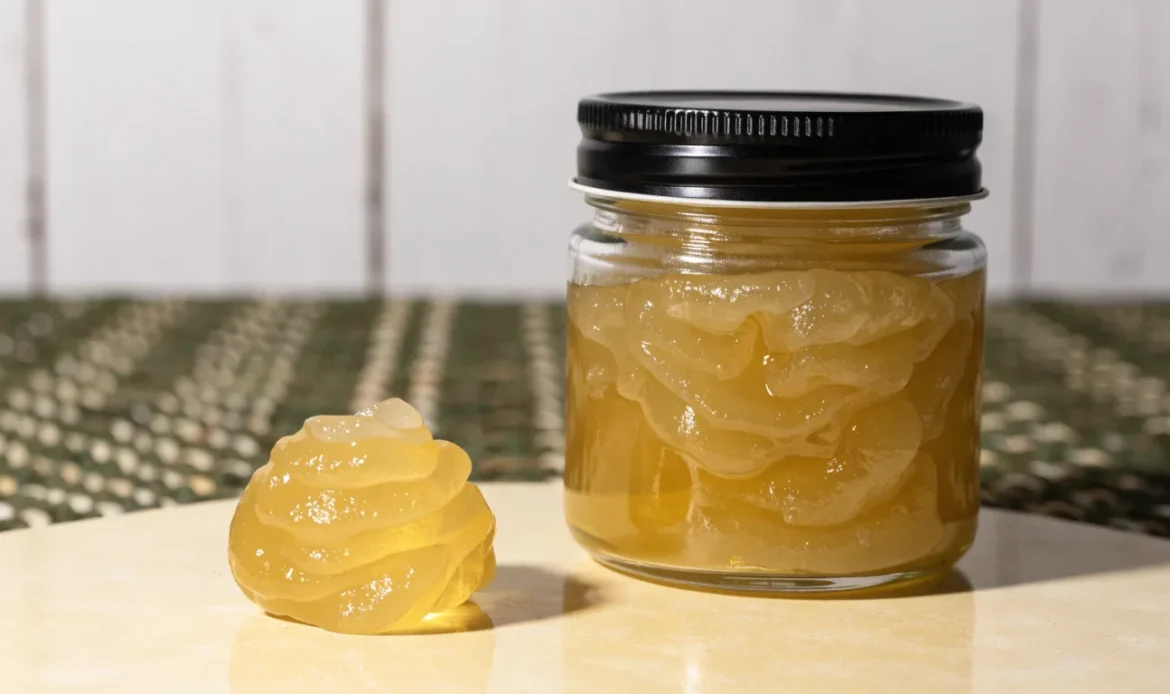
Short answer: Sea moss can be a natural ingredient many people use. But it has clear warnings. The biggest issues are highly variable iodine, possible contamination with metals or microbes, product labeling problems, and interactions with thyroid medicine. Check product testing, labels, and your health risks before you buy or use sea moss.
Why this page exists: if you want a fast, practical list of things to check and a simple decision guide, this page gives that first. After that, you will find details, how to verify safety, and what a manufacturer cannot prove on a label.
Quick overview of the main warnings
- Iodine levels vary a lot between seaweeds and products. Too much iodine can affect the thyroid. [1][2][5]
- Seaweed can pick up heavy metals and other contaminants from water. Processing and testing matter. [1][4]
- Supplement and product labels are sometimes incomplete or inconsistent. Third-party testing is helpful. [4]
- People on thyroid medicine, pregnant or breastfeeding people, and young children should be cautious and ask a clinician before use. [2][5]
- Preparation and storage matter: poor handling can allow microbes to grow in gels and fresh products.
The rest of this article explains each warning, shows what you can check, and gives a short decision guide to help you choose next steps.
Why these warnings exist
Sea moss and other seaweeds grow in open water. That means two core facts:
- Seaweed absorbs minerals and elements from its environment. This can include iodine and, in some water areas, metals or other contaminants. The amount collected varies by species and where and how it was harvested. [1][5]
- Processing, packaging, and storage change product safety. Raw sea moss, home-made gel, powders, and capsules each have different handling needs. A product that is not cleaned, processed, or preserved properly may carry microbes or concentrated elements.
Researchers and food-safety groups study these issues. Reviews and public health summaries note both nutritional value and safety questions. [1][2][5]
Main risks to check, and what you can verify
Below are the common warnings divided into what they are and what you can check before use.
1) Iodine and thyroid effects
- Why it matters: Seaweeds can contain high and variable iodine. Extra iodine can change how the thyroid works in some people. [2][5]
- What you can check: Ask the seller for measured iodine content per serving or per weight. Look for lab reports that list iodine. If a product does not provide this, treat the iodine amount as unknown. If you are taking thyroid medicine or have thyroid disease, speak with your clinician before using sea moss. [2][5]
2) Heavy metals and environmental contaminants
- Why it matters: Seaweeds can concentrate elements such as lead, arsenic, cadmium, or mercury where those are present in water. Processing can reduce or concentrate some contaminants. [1][4]
- What you can check: Look for third-party testing that reports heavy metal levels. If a company only offers vague “tested” language without a test report, ask for the report PDF or a lab certificate. Reliable tests name the lab and the limits tested.
3) Microbial contamination and spoilage (especially gels and fresh products)
- Why it matters: Moist sea moss products can support microbial growth if not properly cleaned, preserved, or refrigerated.
- What you can check: For gels and fresh sea moss, look for clear storage instructions, use-by dates, and whether the product was heat-treated or preserved. For shelf-stable powders or capsules, check if they report water activity testing or sterilization steps.
4) Label accuracy and product type confusion
- Why it matters: “Sea moss” is used for different species and formats (dried rock weeds, other seaweeds, blended gels, powders, capsules). Each has different safety profiles. Labels sometimes omit species name, harvest location, or processing method. [4]
- What you can check: Look for scientific or common species names, harvest region, and processing notes (e.g., “dried, rinsed,” “heat-treated,” “cold-processed”). If a label lacks this, ask the seller.
5) Drug interactions and special populations
- Why it matters: People on thyroid medicine, people who are pregnant or breastfeeding, children, and people with certain medical conditions may be more sensitive to iodine or contaminants. [2][5]
- What you can check: Consult a clinician. Ask the product vendor if they provide medical-safety guidance or if they recommend avoiding the product for certain groups.
Format-specific warnings: what changes by product type
Different formats carry different risks and checks.
- Raw (dried) sea moss
- Risks: unknown iodine or metal content if not tested; inconsistent species labeling.
- Check: species name, harvest region, third-party lab tests, instructions for rinsing/soaking.
- Home-made or pre-made gel
- Risks: microbial growth if not cleaned, preservative-free gels need cold storage and quick use; iodine still unknown unless tested.
- Check: use-by dates, refrigeration instructions, processing method, and whether the seller provides lab results.
- Powdered sea moss (dried, milled)
- Risks: concentration of minerals per teaspoon may be higher than raw form; contamination possible if drying or milling equipment is contaminated.
- Check: ingredient list, testing for metals and microbes, test results for iodine when available.
- Capsules or tinctures
- Risks: manufacturer may not state raw material origin; potency per capsule can be unclear.
- Check: full ingredient list, dose per capsule, third-party testing, and whether the product is standardized or just powdered seaweed.
- Blended supplements (sea moss in a mix)
- Risks: interaction of ingredients and masking of actual seaweed amount.
- Check: exact amount of sea moss per serving and testing that covers the final product as sold.
What the available information can and cannot prove
What you can confirm:
- Lab test certificates can confirm measured iodine, heavy metals, and microbial limits for a specific batch. A lab report that matches the product batch number is strong evidence for that batch. [4]
What labels cannot fully prove:
- A product label alone cannot prove safe iodine levels unless it points to a specific test result. “Low iodine” claims need a matching lab report.
- Seller statements like “wild-harvested” or “clean” do not prove safety without verification (test results, harvest practices, or certifications).
- A single test result for one batch does not guarantee all future batches will match. Batch testing is the reliable way to monitor ongoing safety. [4]
Decision checklist: should you use this sea moss product?
Use this short decision guide before buying or using a sea moss product. Answer each question. If you answer “no” to any question in a high-risk box for your situation (for example, you take thyroid medicine and iodine results are unknown), pause and seek more information.
Decision checklist (quick):
- Will anyone using this product be pregnant, breastfeeding, a child, or on thyroid medication? If yes → proceed with caution and consult a clinician. [2][5]
- Does the product label show species name and basic processing info? Yes / No
- Does the seller provide a recent third-party lab report that shows iodine and heavy metals? Yes / No
- If the product is a gel or fresh form, does it include clear storage and use-by instructions? Yes / No
- Are batch numbers or date codes visible on the package? Yes / No
- Is the seller willing to answer specific questions about harvest location and processing? Yes / No
If you answered “No” to any of these and you are in a sensitive group (pregnant, child, thyroid condition), seek a product with clearer documentation or ask a clinician before use.
Decision table: formats and the single most important check
| Format | Most important check before use | Why it matters |
|---|---|---|
| Dried raw sea moss | Batch or product lab test for iodine and metals | Dried form still contains minerals absorbed from water |
| Gel (fresh or pre-made) | Microbial safety and storage instructions | Moist products can spoil without proper handling |
| Powder | Certificate showing heavy metal and iodine testing | Powder concentrates material per scoop |
| Capsules/supplements | Full ingredient list and third-party test for final product | Ensures dose and absence of contaminants |
How to ask for and read a lab report or certificate
What to request:
- A certificate of analysis (CoA) that lists tests, results, lab name, and batch number or date code.
- Tests to look for include iodine (if reported), lead, arsenic, cadmium, mercury, and total aerobic plate count or pathogen tests for moist products. [1][4]
How to read it:
- Check the date and batch number. Ensure the CoA matches the product batch you are buying.
- Confirm the testing lab is an accredited commercial lab (not just the seller’s in-house statement). Accredited labs usually have a lab name and contact info on the report.
- Look for units and detection limits. If a test reads “not detected,” confirm the detection limit to understand what “not detected” means.
- If you see unusually high numbers for any metal or element, consider avoiding the product or asking for clarification from the seller.
If a seller refuses to provide testing or gives vague answers, treat the product risk as unknown.
Practical safety at home: preparation and storage tips
- Rinse dried sea moss thoroughly before soaking or use. Rinsing reduces sand and surface debris.
- Follow seller instructions for soaking times and water changes. That helps remove some surface salts and debris.
- For homemade gels: make only small batches you can use quickly. Keep refrigerated and follow a clear use-by date. Spoilage risk rises with higher water content and warm storage.
- Store powders and dried products in a cool, dry place in sealed containers. Check for off smells or changes in color.
These are common-sense storage tips. They reduce some risks but do not change mineral content or remove deeply absorbed contaminants.
What to do if you have a thyroid condition, are pregnant, or give product to a child
- Talk to your healthcare provider. If you take thyroid medicine, extra iodine can change how your medicine works. [2][5]
- For pregnancy and breastfeeding, clinicians often advise caution with products that can have high or uncertain iodine. Ask a clinician before using sea moss in any form. [2][5]
- For children, be cautious with concentrated forms (powders, capsules) because mineral concentration per serving may be higher than expected.
We cannot give personalized medical advice. These are points to discuss with a clinician.
What to ask a seller — a short script
If you decide to contact a seller, try these direct questions:
- What species of seaweed is this product? (Scientific and common name.)
- Where and when was it harvested?
- Do you have a batch-specific certificate of analysis showing iodine and heavy metals? Can I see a PDF?
- How was it processed and stored? Is it heat-treated or preserved?
- What are your storage and use-by recommendations?
Answers that include specific lab reports and batch codes are better than vague claims.
Suggested next guides and formats to read after this page
If you want to read more, start with:
- A general guide about seaweed safety and nutrients on our Learn page: Seaweed & Safety — Learn
- Product options and format differences on our Shop page: See sea moss formats
- For business or bulk purchases, where testing and documentation matter more, see wholesale inquiries: Wholesale info
- If you have questions about a specific product or need extra documents, contact us: Contact Zen Wholesalers
- Go back to the site home: Home
(These links point to the site areas where you can find more product detail, documentation, and help.)
Conclusion
Sea moss is a natural seaweed product with real benefits for some people and real safety questions for others. The main warnings to watch are variable iodine content, possible contamination with metals or microbes, and inconsistent labeling or testing. You can reduce risk by asking for species names, batch-specific test reports, and clear processing and storage information. If you are pregnant, breastfeeding, have thyroid disease, are on thyroid medicine, or are giving sea moss to children, talk to a clinician before use.
If you want more reading or need product details, start with our Learn area, check product pages in our Shop, or contact us for documentation and questions. Learn more (/learn/) Shop sea moss formats (/shop/) Wholesale inquiries (/wholesale/) Contact us (/contact/) Home (/)
Frequently asked questions
Can sea moss cause thyroid problems?
Sea moss can contain high and variable iodine. Too much iodine can affect thyroid function in some people. If you have thyroid disease or take thyroid medicine, talk to a clinician before using sea moss. [2][5]
Are all sea moss products tested for heavy metals?
No. Not all products are tested. Some sellers provide third-party lab reports. Ask for a batch-specific certificate of analysis that reports heavy metals and iodine. [4]
Is homemade sea moss gel safe?
Homemade gel can be safe if you clean and store it correctly, but moist gels have a higher risk of spoilage. Homemade products rarely have lab testing for iodine or metals, so mineral content will be unknown. Follow strict hygiene and use refrigerated short-term storage.
How can I tell what species I am buying?
A clear label should show the species name (common and scientific). If the label omits species, ask the seller. Different species have different iodine and mineral profiles. [1]
If a product has a lab report, is it safe?
A lab report for the specific product batch helps, but safety depends on the test results and whether the results match safety standards for your situation. Look at the tests performed, lab accreditation, and whether the report is for the batch you will buy. [4]
Should children use sea moss?
Because sea moss can contain variable iodine and minerals, be cautious with children. Talk to a clinician before giving concentrated supplements or regularly feeding sea moss to young children. [2][5]
References
- Harvard T.H. Chan School of Public Health, “Seaweed.” https://nutritionsource.hsph.harvard.edu/seaweed/
- Smyth PPA. “Iodine, Seaweed, and the Thyroid.” European Thyroid Journal, 2021. https://pmc.ncbi.nlm.nih.gov/articles/PMC8077470/
- Food Standards Australia New Zealand, “Survey of iodine levels in seaweed and seaweed containing products,” updated 2025. https://www.foodstandards.gov.au/science-data/monitoring-safety/surveyofiodinelevels
- Operation Supplement Safety, “Sea Moss in Dietary Supplements.” https://www.opss.org/article/sea-moss-dietary-supplements
- Blikra MJ et al. “Consequences of acute and long-term excessive iodine intake: A literature review focusing on seaweed as a potential dietary iodine source.” 2024. https://doi.org/10.1111/1541-4337.70037